


Wednesday
Wednesday 11th February
Complete questions 41 - 60.

Wednesday 11th February
LC: To collect and note information.
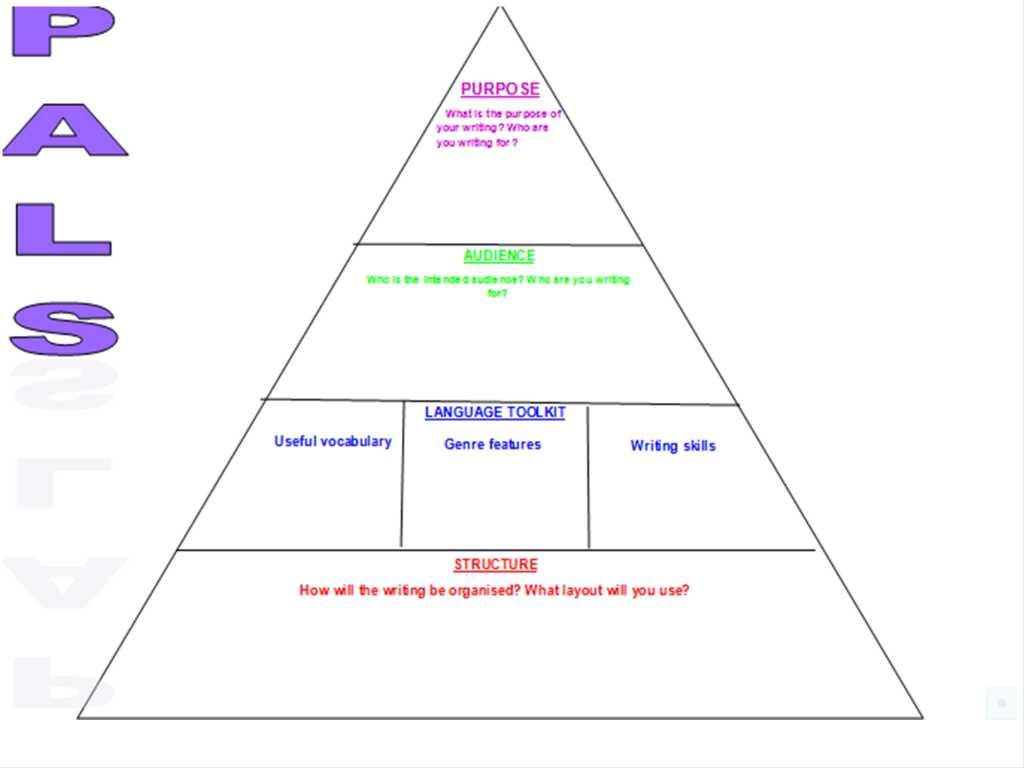
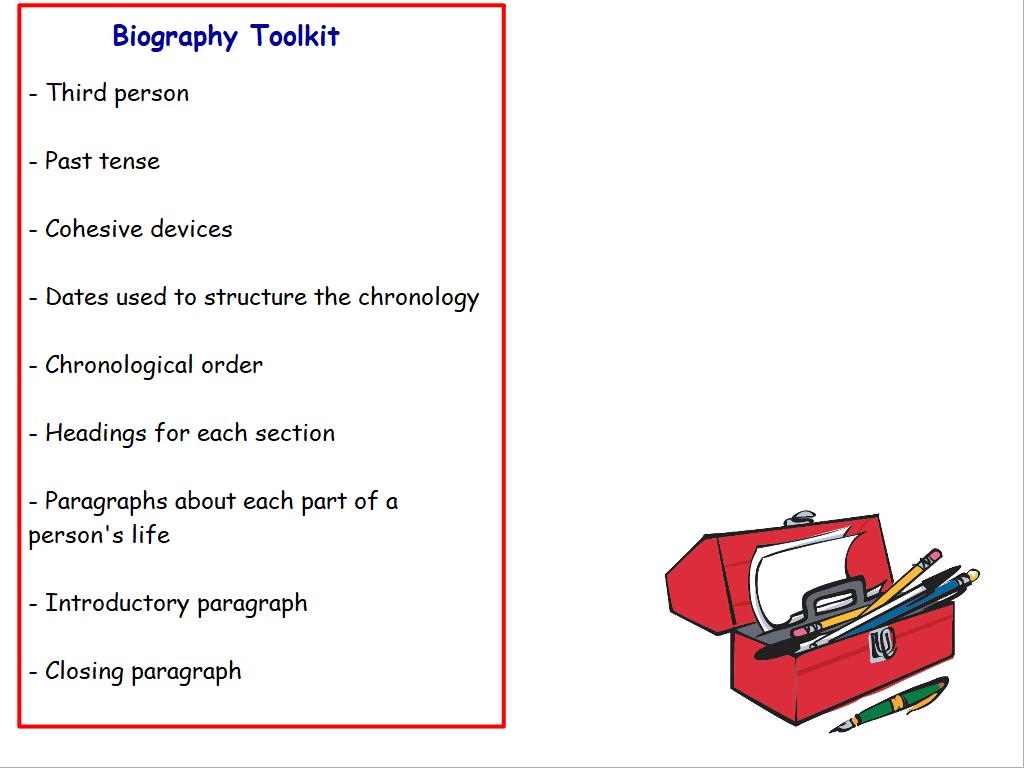
Rosa Parks
Rosa Parks was an important figure in the American Civil Rights Movement who helped change history through a simple but powerful act of courage. In particular, her refusal to give up her bus seat in 1955 challenged unfair segregation laws in the United States. As a result, her actions inspired the Montgomery Bus Boycott and encouraged many people to stand up for equality and justice. Overall, Rosa Parks’ bravery showed that one person’s decision can make a lasting difference.
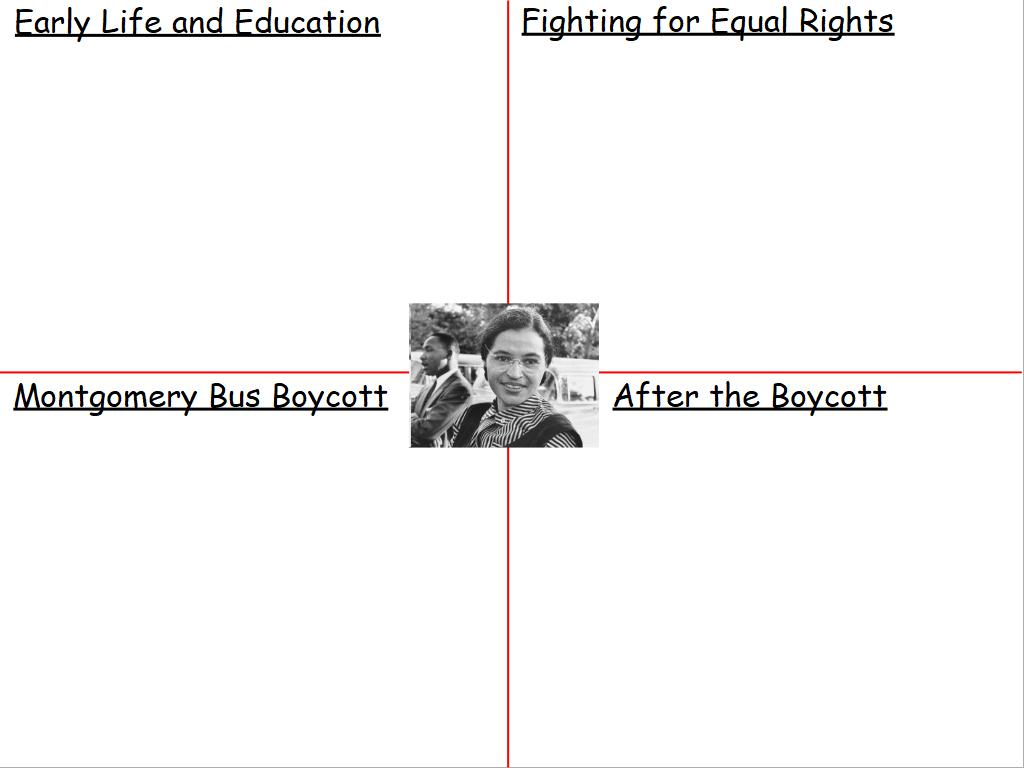
Early Life and Education
Rosa Parks was born in Tuskegee, Alabama, on February 4, 1913, to Leona and James McCauley. As a child, she grew up in the southern United States, where segregation and racism were common. Her full name was Rosa Louise McCauley, and she had a younger brother named Sylvester. Although her mother was a teacher and her father was a carpenter, her parents separated when she was young. Because of this, Rosa moved with her mother and brother to live on her grandparents’ farm in Pine Level. Rosa attended a local school for African-American children, where her mother also taught. Importantly, her mother believed education was vital and encouraged Rosa to continue learning. However, this was difficult for an African-American girl in Alabama during the 1920s. After elementary school, Rosa attended the Montgomery Industrial School for Girls. Later, she went on to Alabama State Teacher’s College to earn her high school diploma. Unfortunately, her education was interrupted when her mother became ill, and Rosa had to leave school to care for her. Several years later, she married Raymond Parks, a barber from Montgomery. With his support, Rosa returned to school and finally earned her diploma, which she was very proud of.
Fighting for Equal Rights
Growing up, Rosa Parks experienced racism and segregation throughout her life. For example, she was frightened by the Ku Klux Klan, who burned Black schools and churches. Because of these experiences, Rosa and her husband wanted to make a change. As a result, they joined the National Association for the Advancement of Colored People (NAACP). One important moment came when the Freedom Train arrived in Montgomery. According to the law, the train was not meant to be segregated. Therefore, Rosa led a group of African-American students to attend the exhibition alongside white students. Although some people in Montgomery were angry, Rosa believed this was a way to show that everyone deserved equal treatment.
Montgomery Bus Boycott
On December 1, 1955, Rosa Parks made her most famous stand while riding a city bus. After a long day at work, she sat in the “coloured” section of the bus. Soon, when the bus filled up, a white man boarded. The driver ordered Rosa and other African-American passengers to stand. However, Rosa refused to move. When the driver threatened to call the police, Rosa remained seated. As a result, she was arrested and charged with breaking segregation laws. Rosa refused to pay the fine, stating that the law was unfair and illegal. That same night, African-American leaders met and decided to boycott the city buses. This meant they would stop using buses completely. Dr Martin Luther King Jr. became a key leader of the boycott. Although the boycott was very difficult, people supported one another by walking or sharing car rides. After 381 days, the United States Supreme Court ruled that segregation on buses was unconstitutional.
After the Boycott
Even though the law had changed, life did not become easier for Rosa Parks. She received many threats and feared for her safety. Because of this, Rosa and Raymond moved to Detroit, Michigan, in 1957. Nevertheless, Rosa continued to support the Civil Rights Movement and became a powerful symbol of equality and justice. Rosa Parks died on October 24, 2005. Today, she is remembered as a courageous woman whose actions helped change America and inspired people around the world.

11.02.26
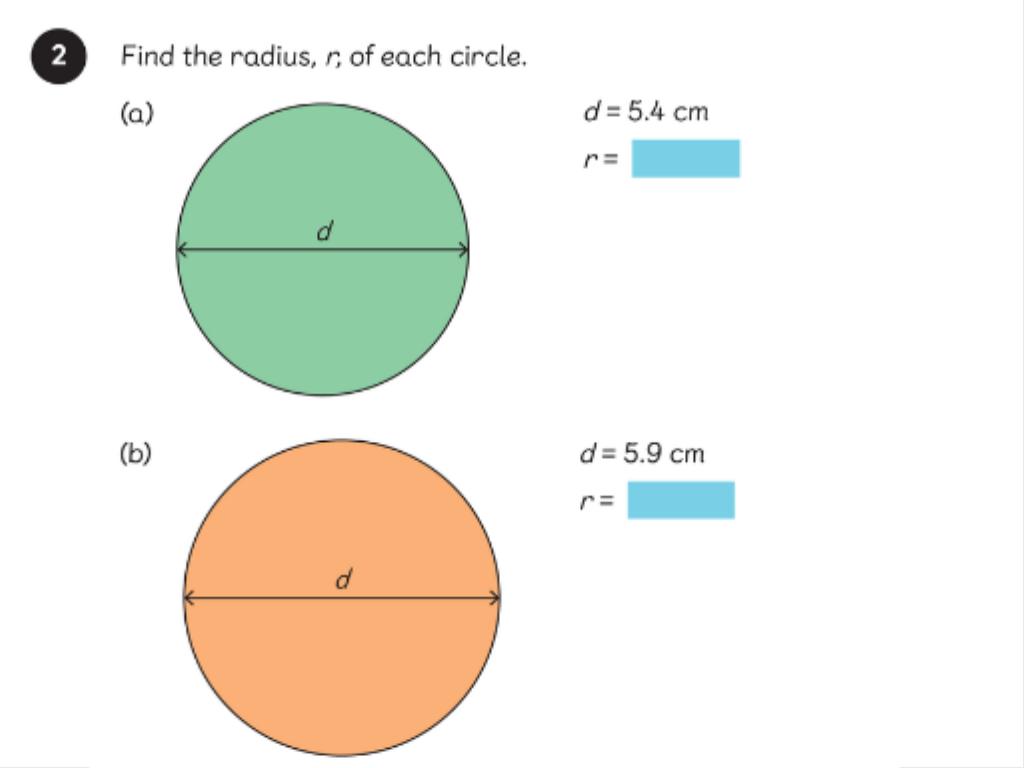
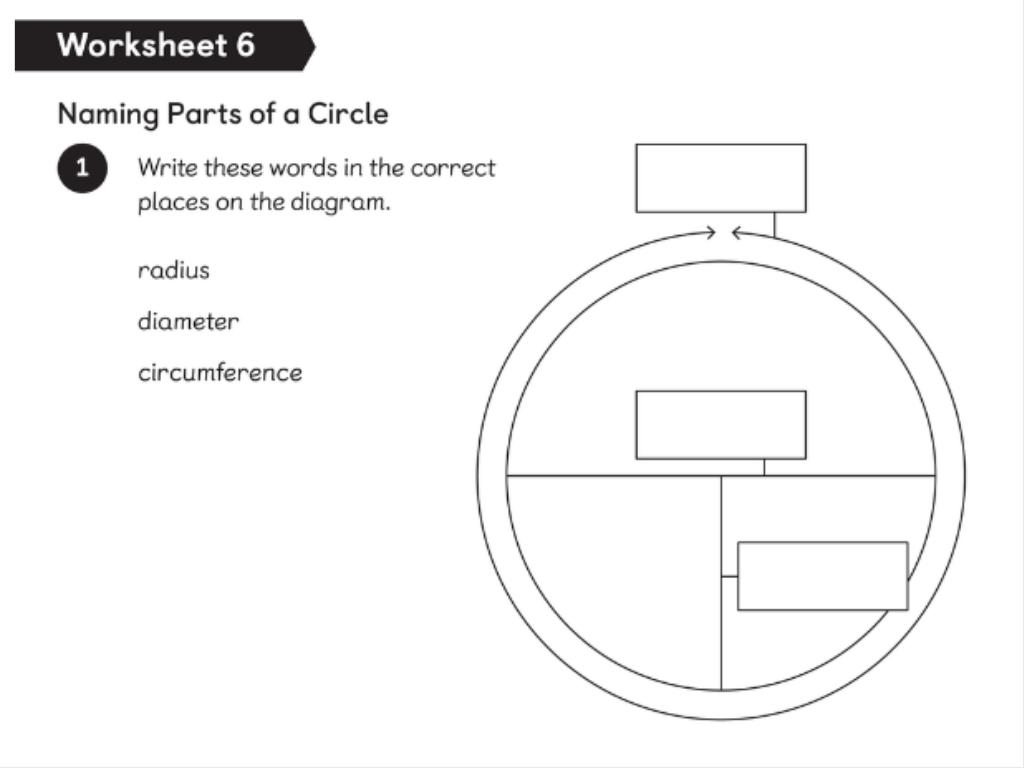
LC: To name parts of a circle






Wednesday 11th February
LC: To practise noticing similarities and differences, using names, and inviting others so everyone feels included.
Children's Mental Health Week 2026