


Tuesday

Tuesday 10th February
Complete questions 21 - 40.
10.02.26
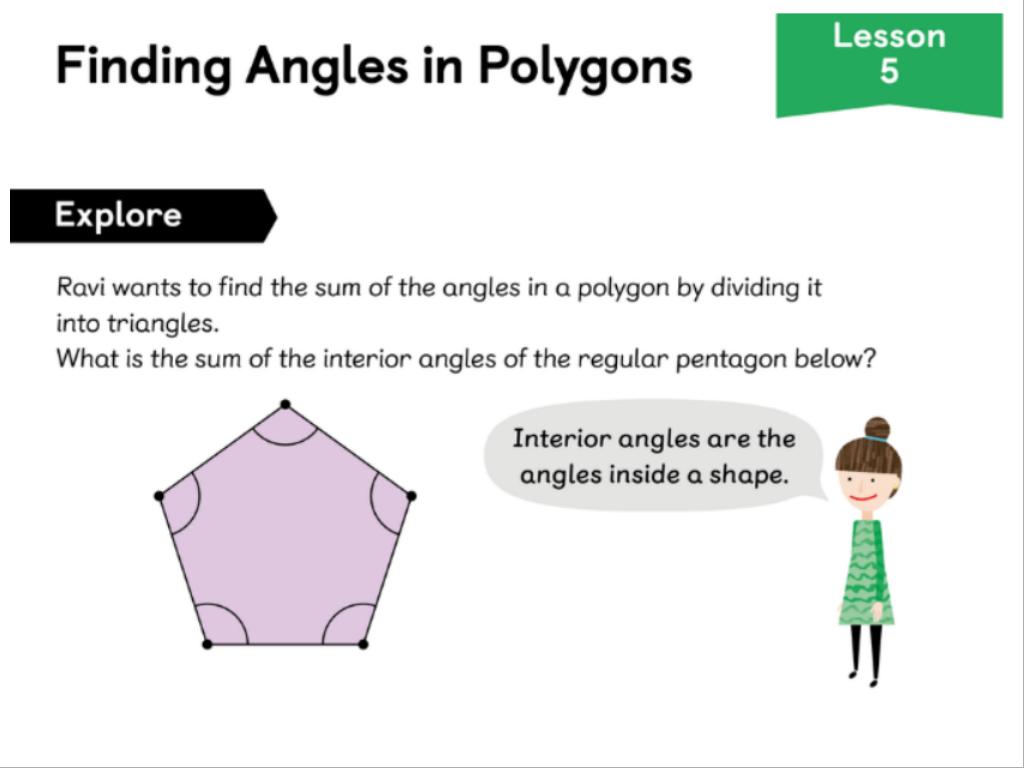
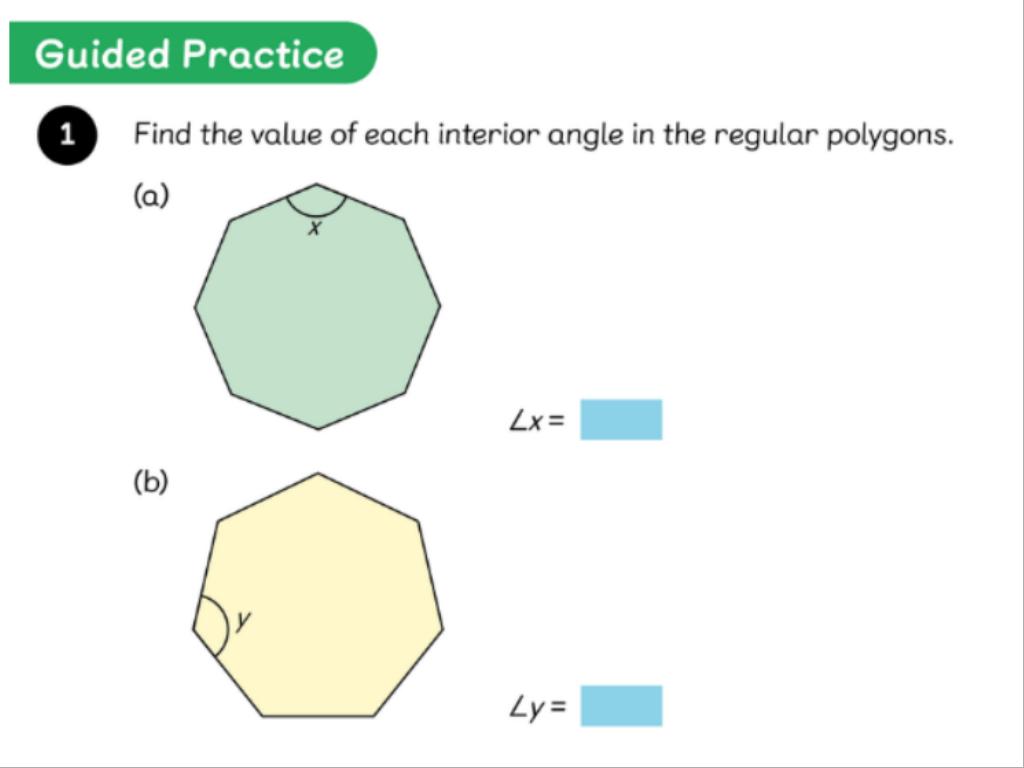
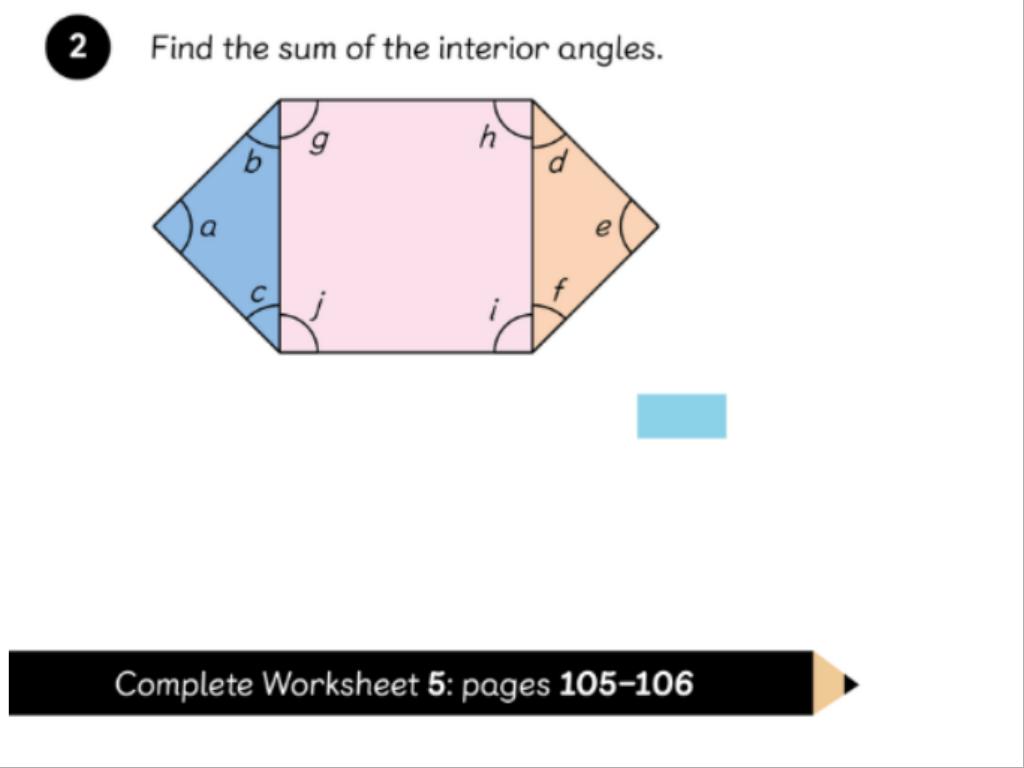
LC: To calculate angles in polygons
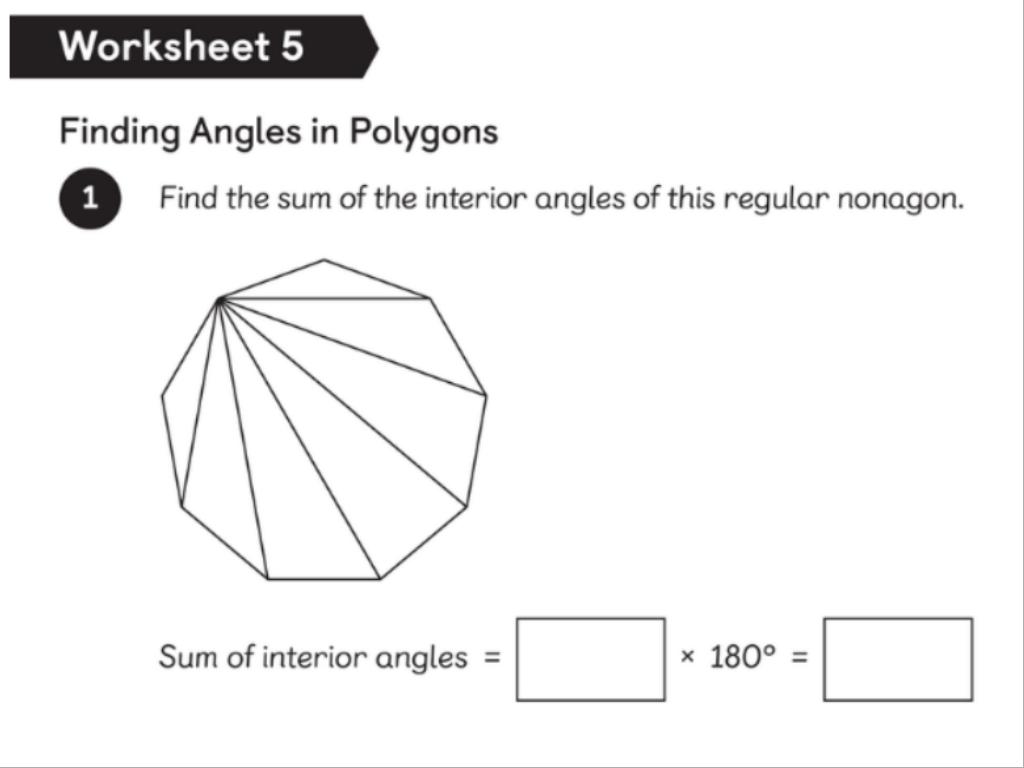
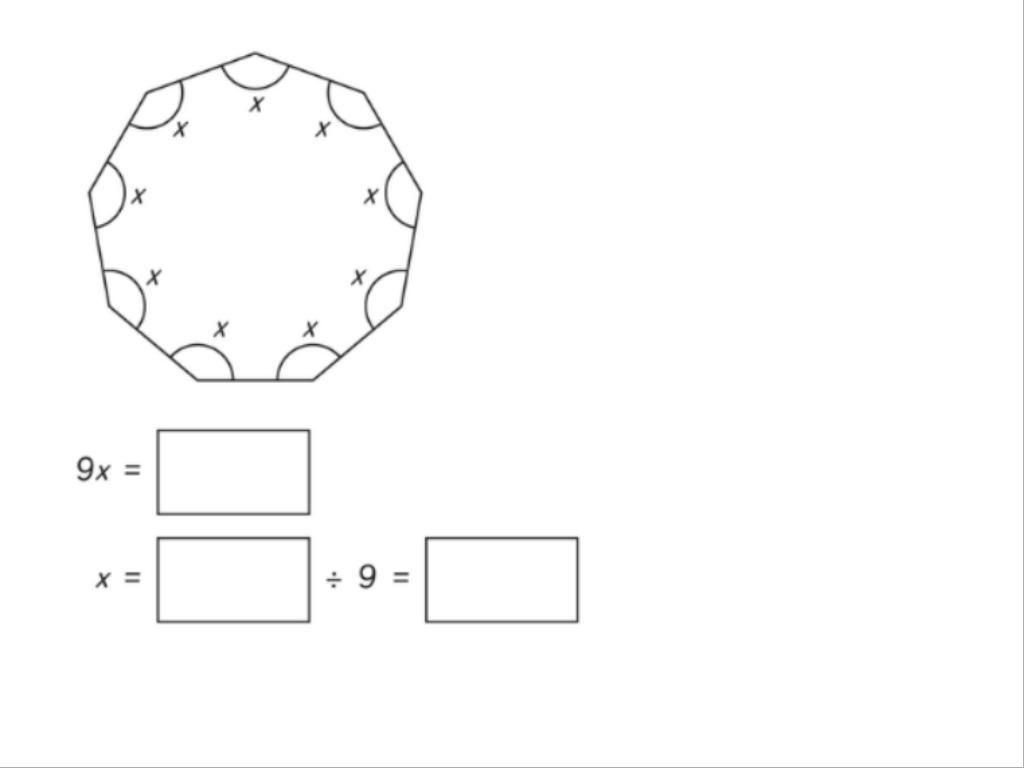
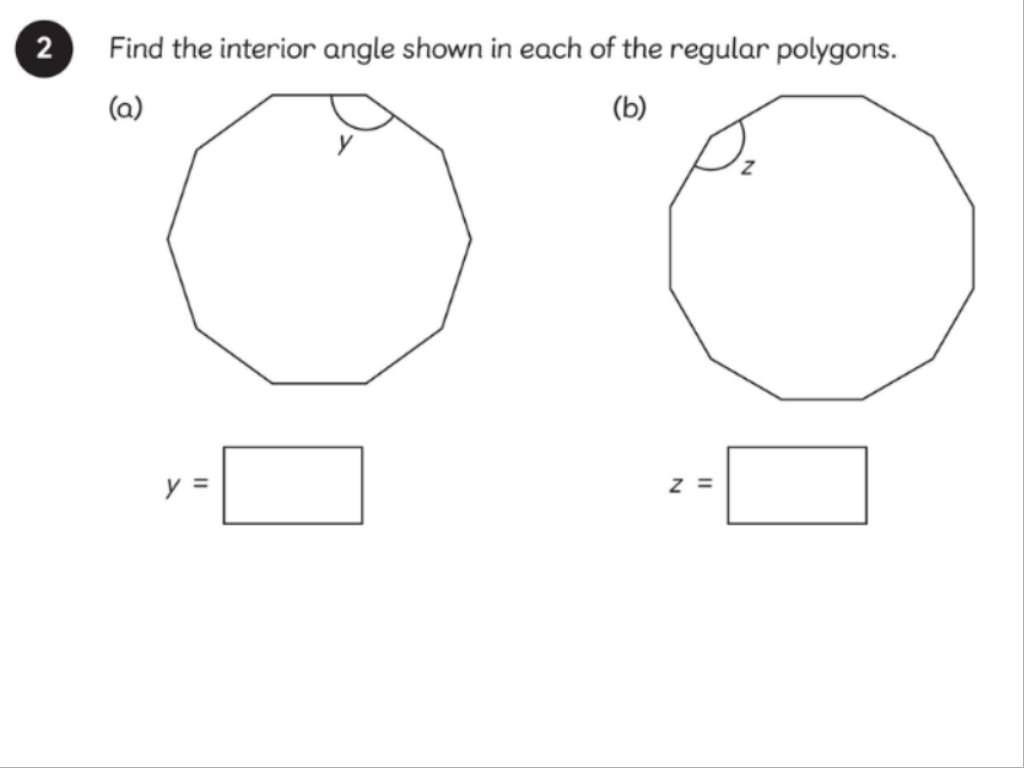
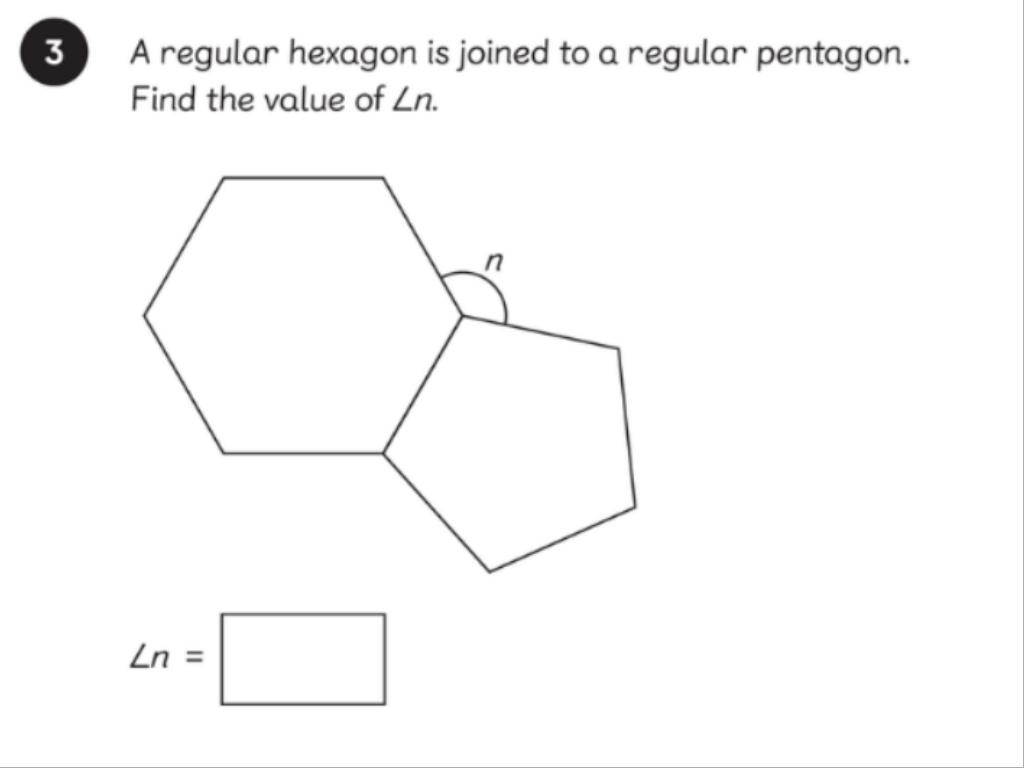

Tuesday 10th February
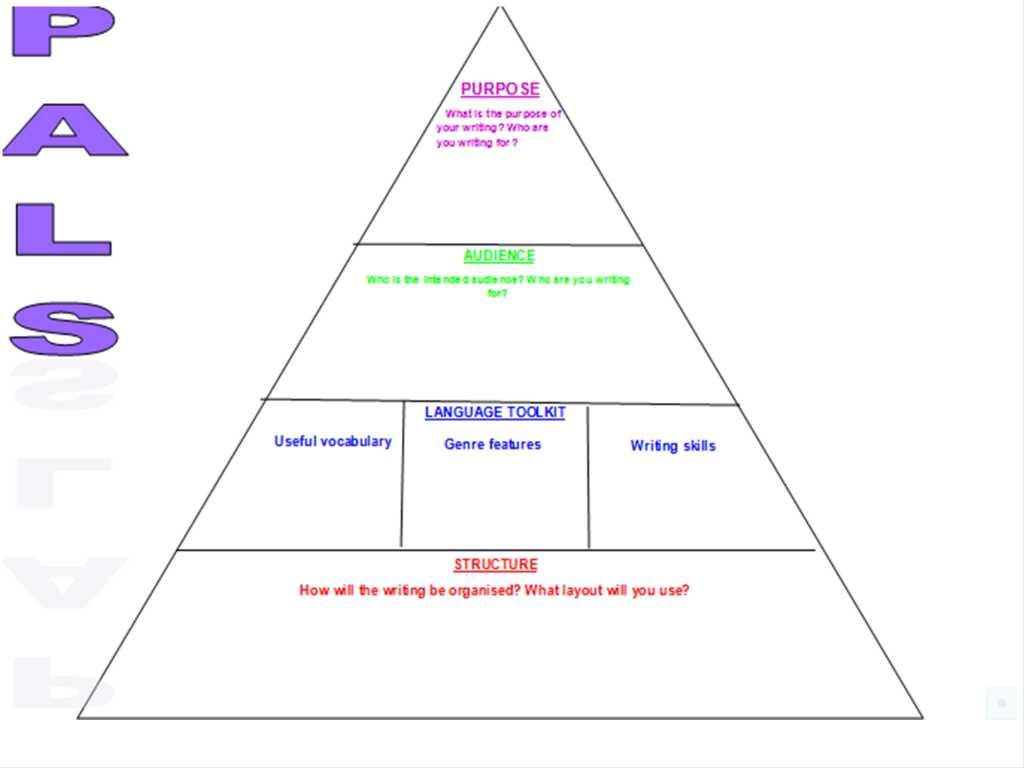
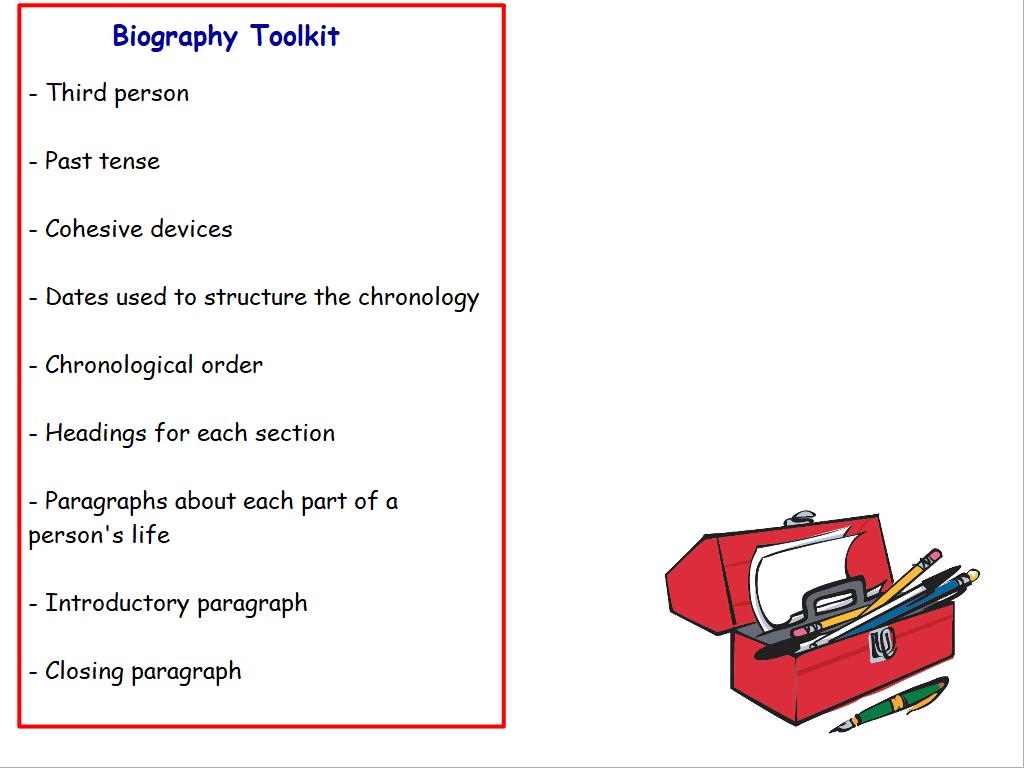
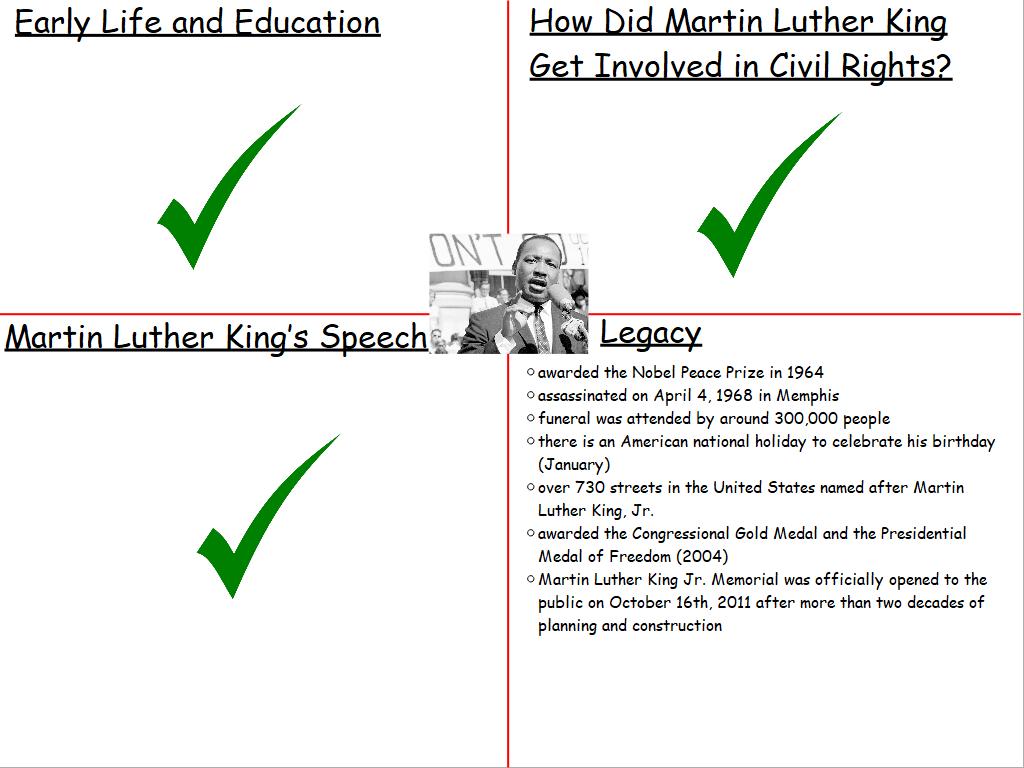
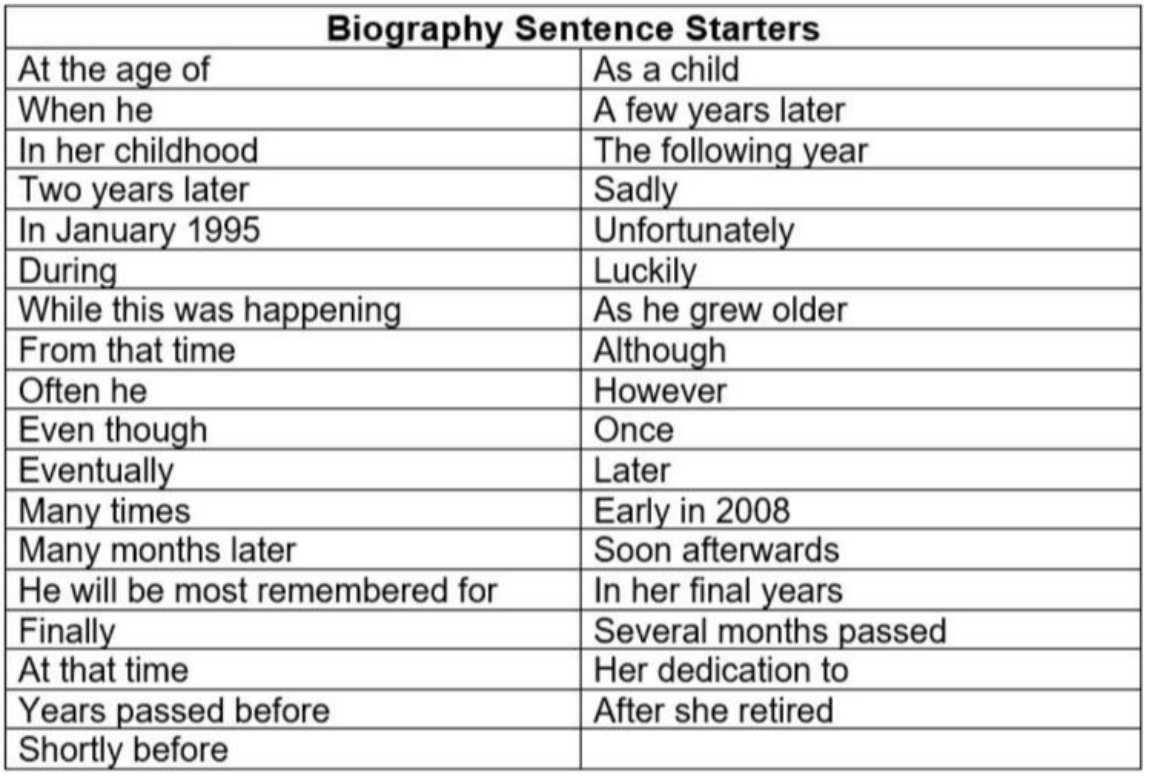
LC: To write a biography using cohesive devices.

In the small town of Brindleford stood a peculiar little workshop squeezed between a bakery and a bookshop. Its windows were always fogged, and the sign above the door—Harrow’s Timepieces—swung even on windless days. Inside worked Mr. Harrow, the town’s only clockmaker, a man with silver spectacles and a habit of talking quietly to his clocks as though they might answer back.
Most people in Brindleford thought Mr. Harrow was simply eccentric. But Amelia, who often delivered bread from her parents’ bakery, suspected there was more to him. She had noticed that whenever she entered the shop, every single clock—whether enormous grandfather clocks or pocket-sized brass ones—ticked in perfect unison. Not a second out of place. It was as if the clocks were all connected by some invisible thread.
One frosty morning, Amelia stepped into the workshop to deliver a basket of warm rolls. Mr. Harrow seemed unusually tense. He was polishing a strange, metal device shaped like a star, with delicate gears turning inside it even though it wasn’t attached to anything.
“Is that a new clock?” Amelia asked.
“Not exactly,” Mr. Harrow replied, sliding it quickly into a drawer. “Just an experiment. Nothing for you to worry about.”
But Amelia was worried. She had caught a glimpse of the device glowing faintly blue. And for the first time since she’d known him, the clocks in the room were not ticking in unison. Some ticked faster, some slower, creating a restless, uneven rhythm.
As Amelia turned to leave, she heard a faint hum—soft at first, then rising steadily, as though the workshop itself were inhaling. The clocks all stopped. Completely.
Mr. Harrow’s face went pale.
“It’s begun,” he whispered.
Before Amelia could ask what he meant, the star-shaped device burst into bright, swirling light.
And then everything changed.
Retrieval Questions
- 1. What was the name of the clockmaker’s shop?
- 2. What two shops stood on either side of the workshop?
- 3. What did Mr. Harrow often do while he worked on his clocks?
- 4. Why did Amelia often visit the workshop?
- 5. What unusual thing did Amelia notice about the clocks whenever she visited?
- 6. What was the shape of the device Mr. Harrow was polishing?
Inference Challenge Questions
-
1. Why do you think Mr. Harrow hid the star‑shaped device when Amelia asked about it?
What clues in the text suggest his reasons? -
2. The clocks usually tick “in perfect unison,” but not on the frosty morning. What might this change suggest about the device or the situation?
-
3. Why might Mr. Harrow be described as “eccentric,” and what evidence hints that he might actually be more than that?