

Tuesday 16th June
LC: to identify how language, structure and presentation contribute to meaning
Let's look at the structure of the retelling.
When we look at
the structure (how the story is built)
we should look at
- paragraphs (length)
-sentences (type, length)
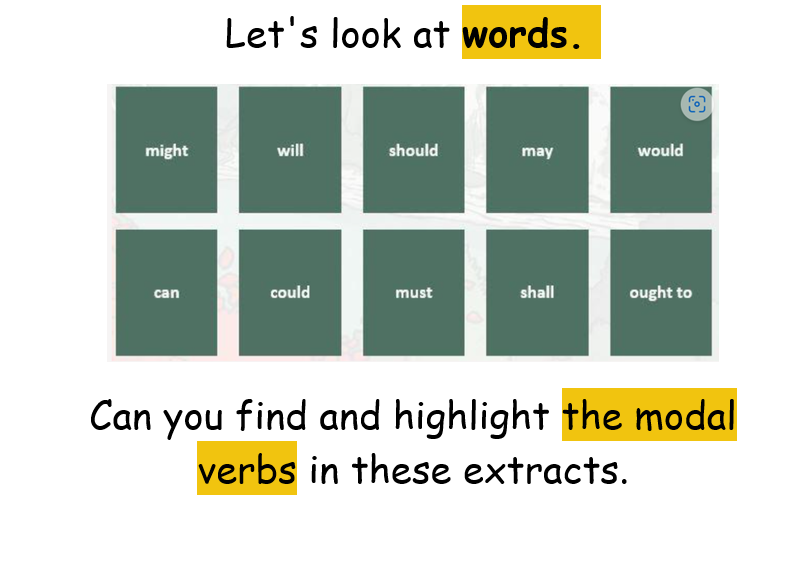
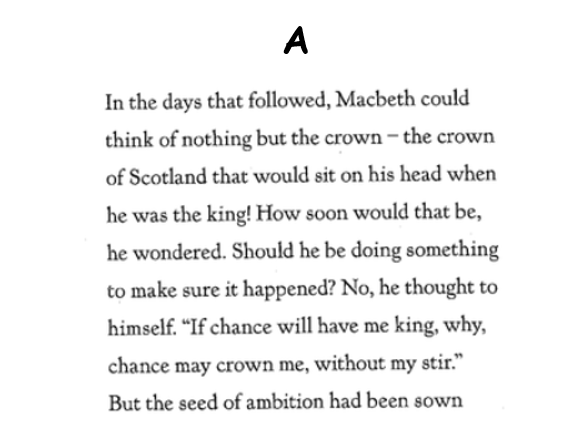
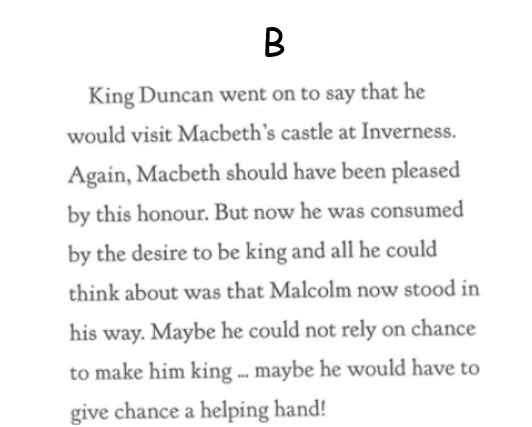
- words (verbs, nouns, adjectives, adverbs)
Look at the 2nd paragraph beginning
'When Banquo and Macbeth finally arrived at the palace ...'
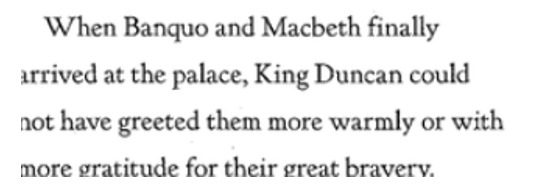
- How many words in this paragraph?
This paragraph has ___________ words.
- What happens in the paragraph beginning 'When Banquo and Macbeth finally arrived at the palace...' is ______________________________________________________________________________________________________________________________________________________________________________________________________________________________________________________
What about this longer paragraph?
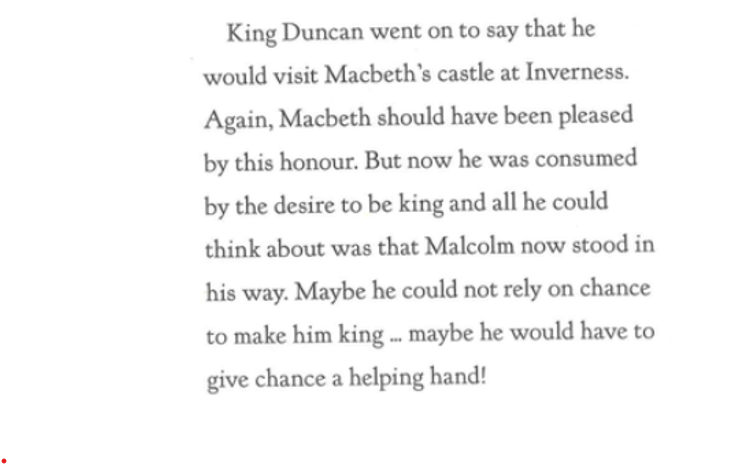
- How many words in this paragraph?
__________________________________________________________________________________
- What happens in this paragraph is .....
____________________________________________________________________________________________________________________________________________________________________________________________________________________________________________________________
Let's look at some shorter paragraphs and their effect.
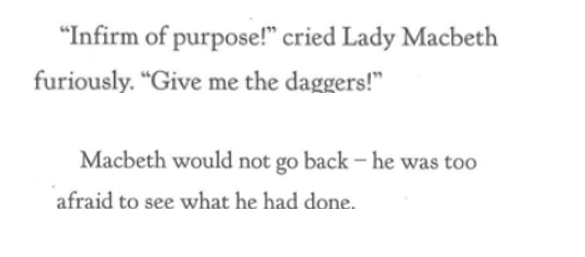
- In the first example of a short paragraph, this is what happens .... ______________________________________________________________________________________________________________________________________________________________________________________________________________________________________________________
- In the second example, this happens ....
________________________________________________________________________________________________________________________________________________________________________
____________________________________________________________________________________
So it seems that writers use
- long paragraphs for ...
- short paragraphs for ...
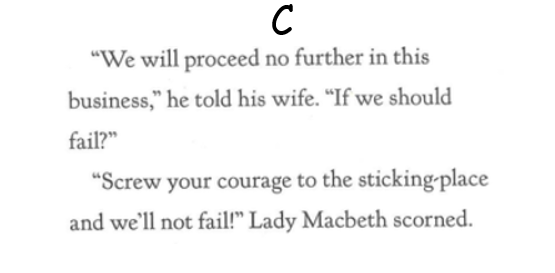
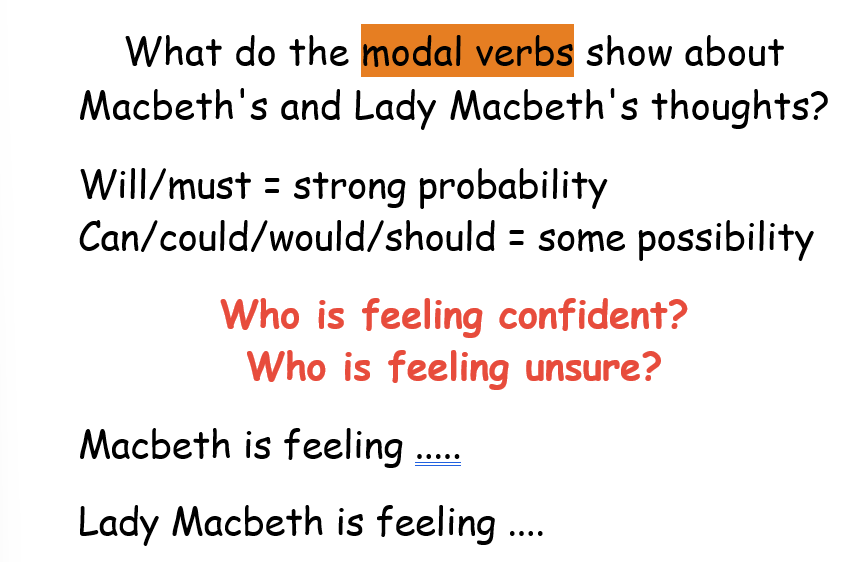
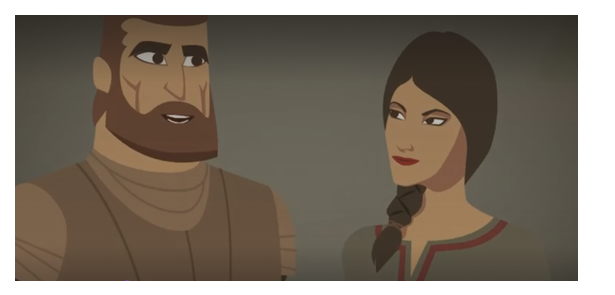
/i/video/7_-_Preparing_for_Battle_Act_2_Scenes_6-8.mp4
Revision 4
pp169-170
LC: To understand how materials can be separated using evaporation, sieving, magnets and filtering
Before you begin today's work, please complete your investigation into evaporation from last week.
Your teacher will give you your tray back and you must take photos of the dishes and then upload onto your Seesaw work from last week.
- what were your findings?
- which substances were successfully separated? ( a reversible change)
- which substances could not be successfully separated? (an irreversible change)
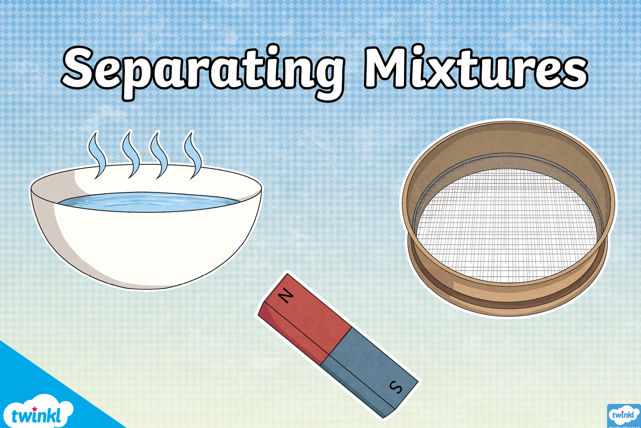
Separating Mixtures
Complete all tasks in your Science Books.
Read each section of information then copy and complete the questions in each task.
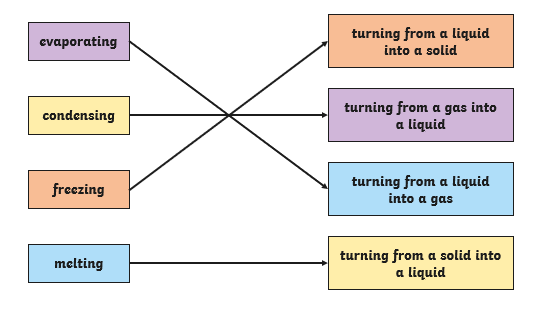
Task 1
Give an example of each of these processes:
Melting:
Condensing:
Freezing:
Evaporating:
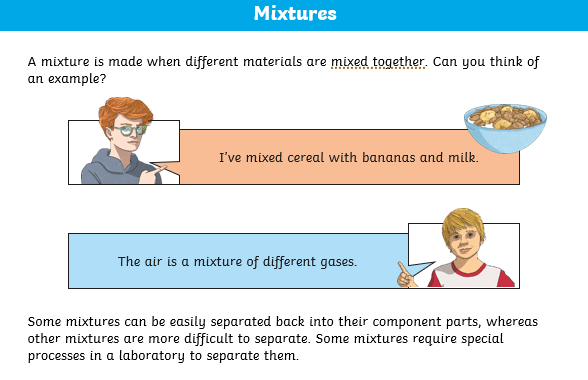
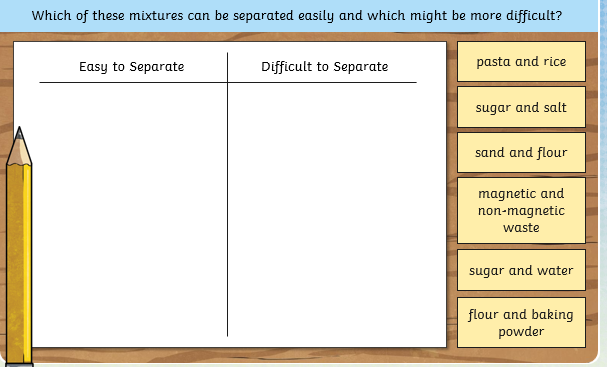
Task 2
Do 2 columns in your Science book and put which mixtures are
Easy to separate
Difficult to separate
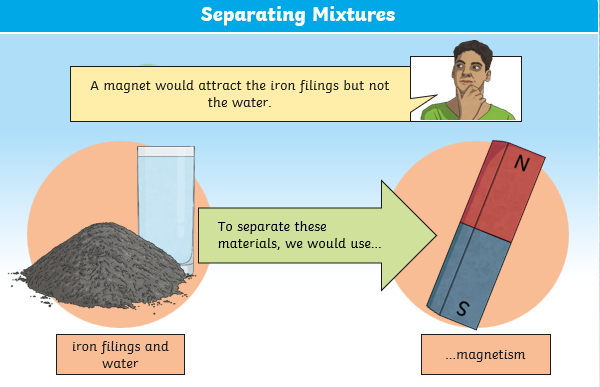
Task 3
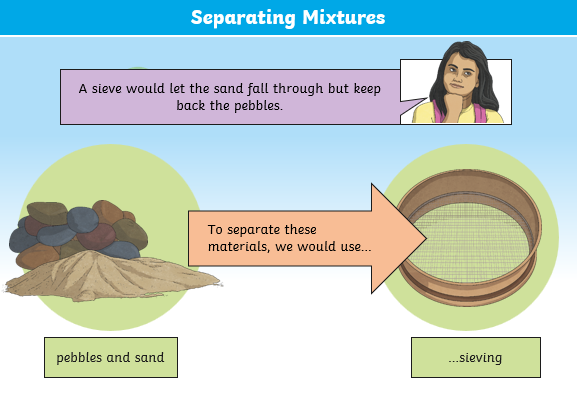
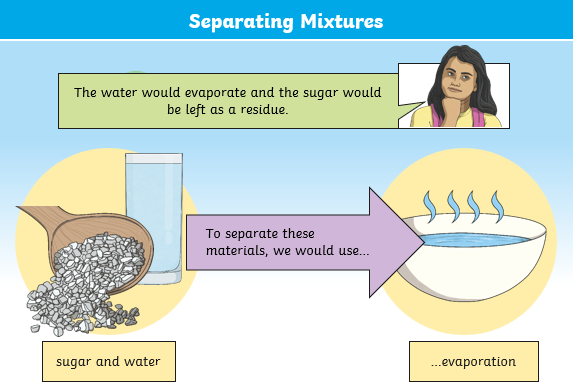
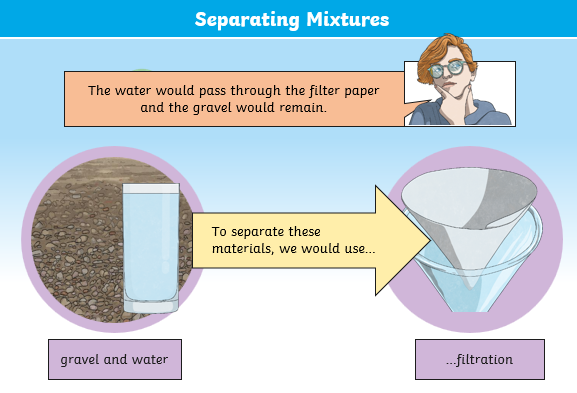
Give examples of which materials can be separated using:
- Filtering
- Magnets
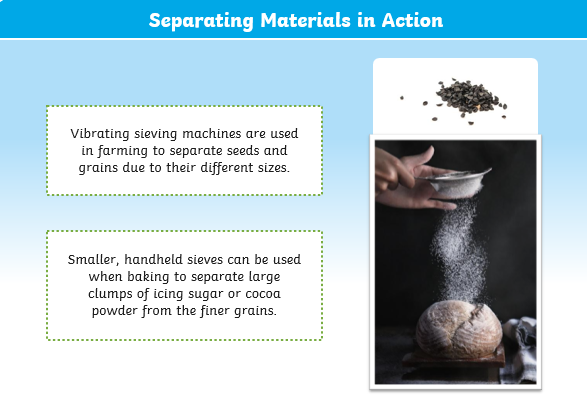
- Sieving
- Evaporation
Task 4
Which separation method is used for these actions?
sieving evaporation magnets filtering
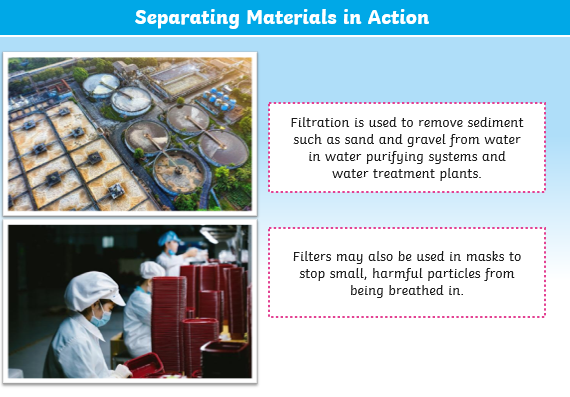
a) face masks that stop particles being breathed in?
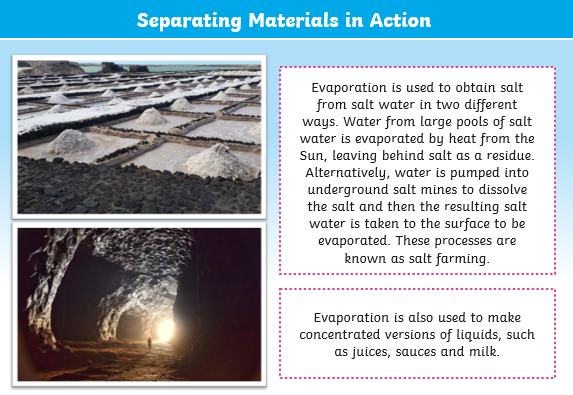
b) the desalination of water - taking salt out of water to make it drinkable?
c) separating large and small grains and seeds in farming?
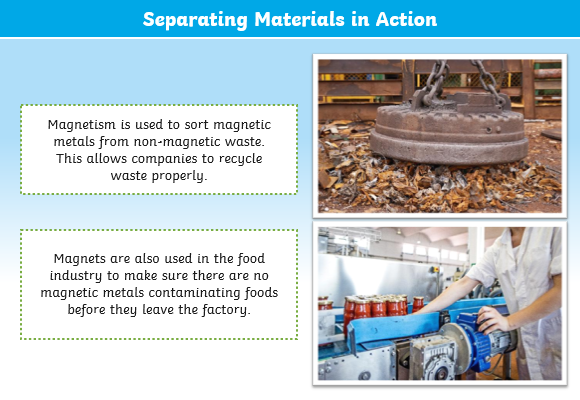
d) to take metals out of waste and rubbish?
Challenge Task
Draw a diagram to demonstrate each of the 4 separation methods in your book.
sieving
evaporation
magnets
filtering
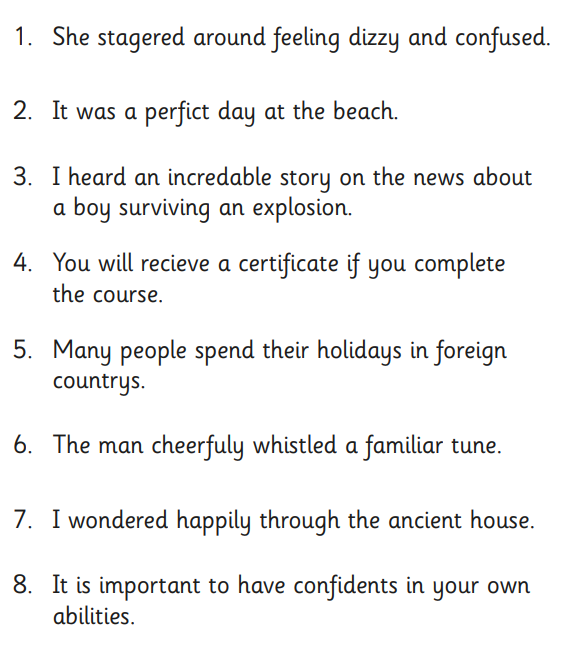
LC: To correct spelling mistakes.
We will try it as a class first.
The mistakes have been circled for you. On your whiteboards write the correct spelling.
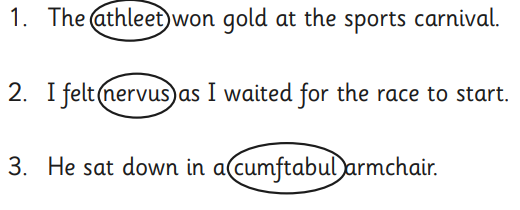
Now, try these independently.
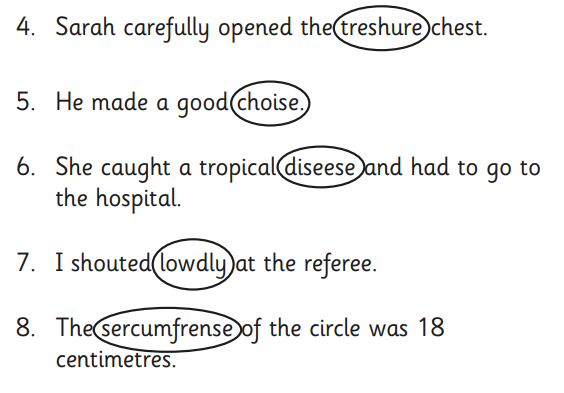
Now you will have to identify and correct the mistake.