

Friday 12th June

LC: to identify how language, structure and presentation contribute to meaning and cohesion
What is cohesion?

What examples of cohesive devices do writers use to make their writing clear for the reader?
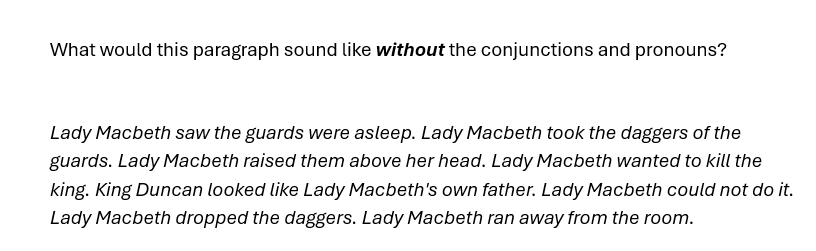
Look at this example of a cohesive piece of writing:
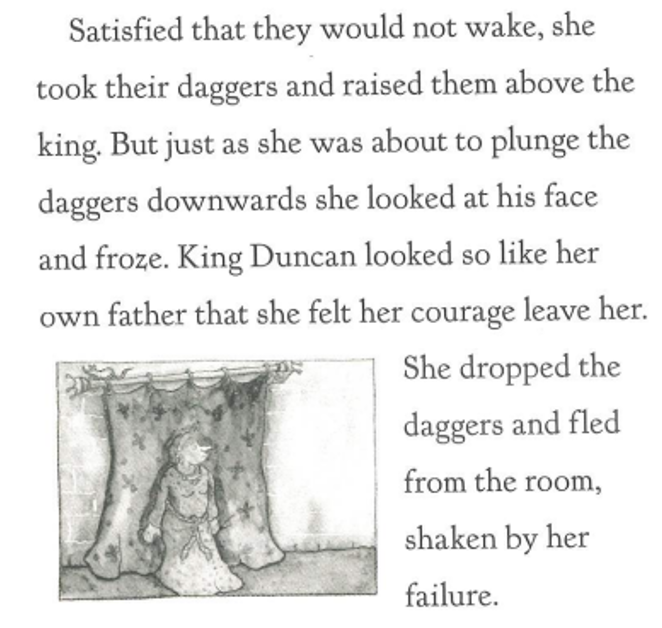
- underline the conjunctions (joining words)
- underline the pronouns (he/she/it/their/her/his)
- underline the fronted adverbial
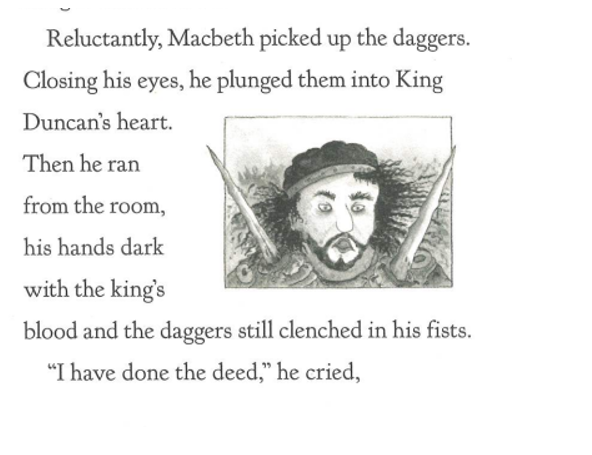
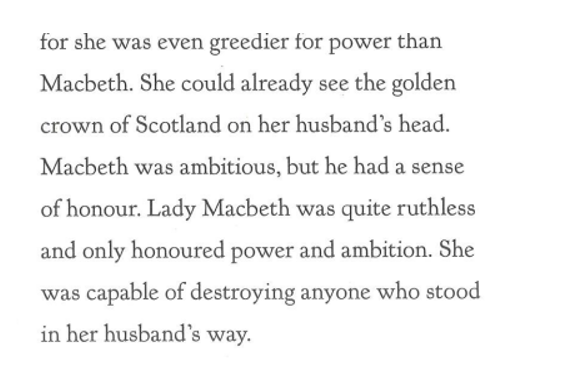
Look at these other examples of cohesive writing.
Look at the
- conjunctions
- pronouns
- fronted adverbials
Let's add these cohesive devices to our Retelling Toolkit.

Task:
Write a paragraph about Macbeth's arrival on the heath to see the witches . Use
- fronted adverbials
- pronouns
- conjunctions
/i/video/6_-_Something_Wicked_This_Way_Comes_Act_2_Scenes_4-5.mp4
LC: To be able to read and write years in Roman numerals.
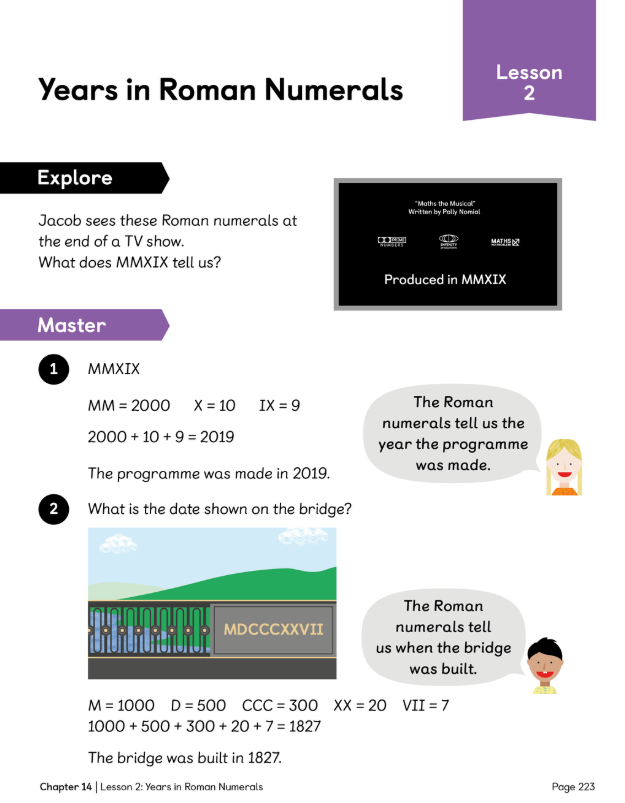
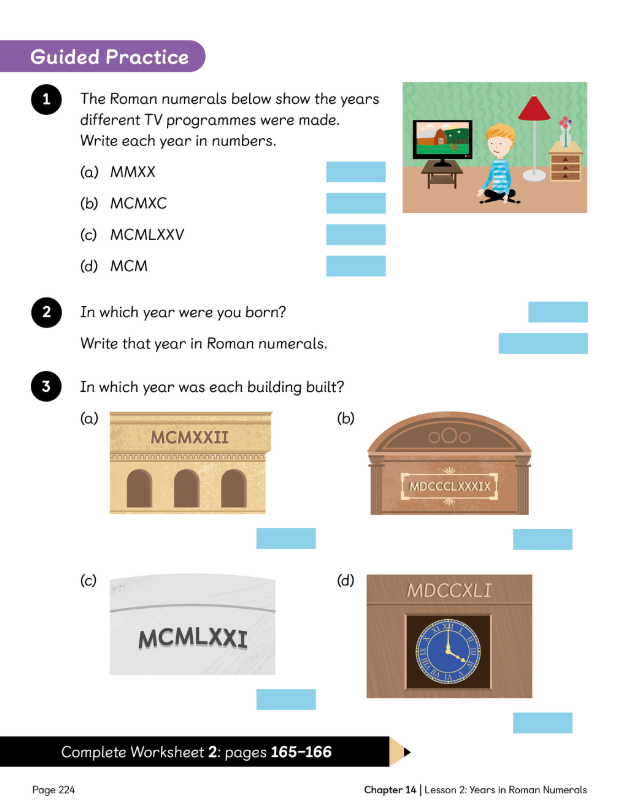
Complete the RIC.
LC: to identify key details and make inferences
Reread this part of the text,
using all the active learning strategies as you read
- making connections
- asking questions
- making predictions
- identifying important details
- establishing word meanings from the context
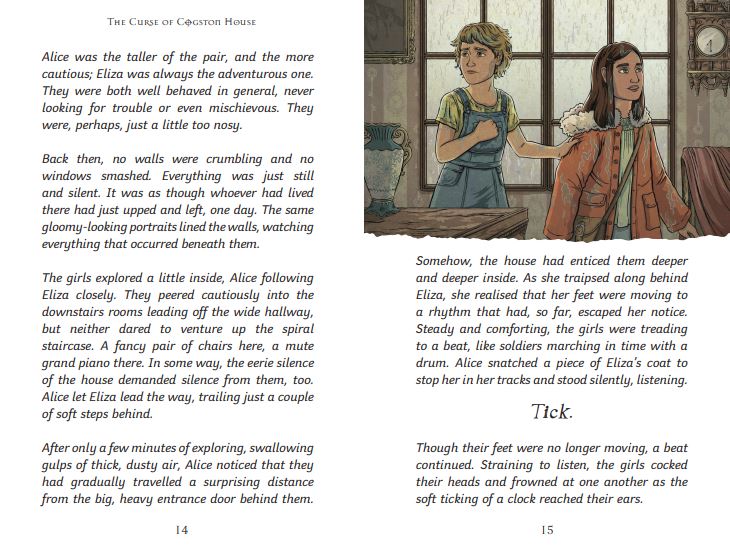
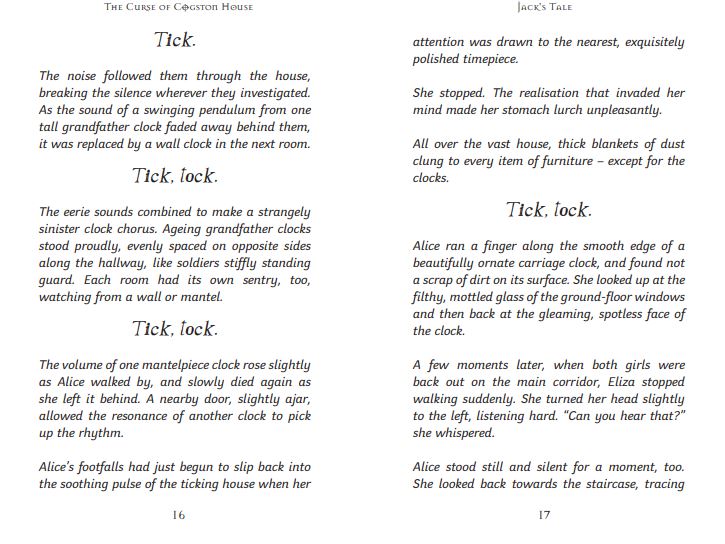
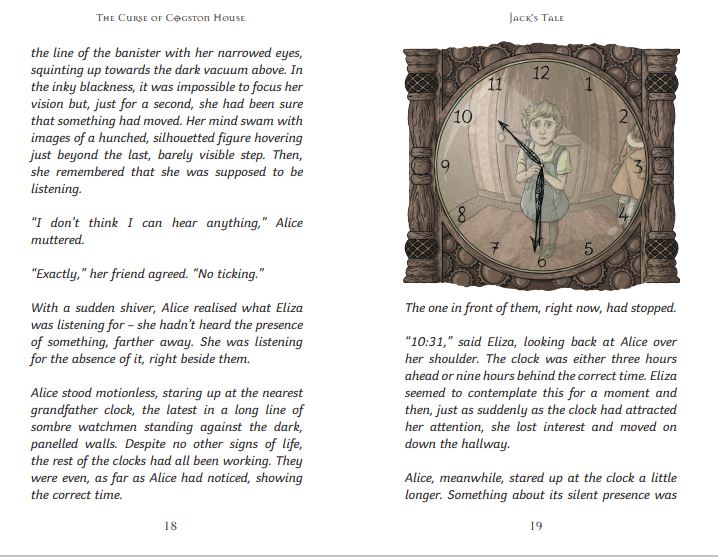
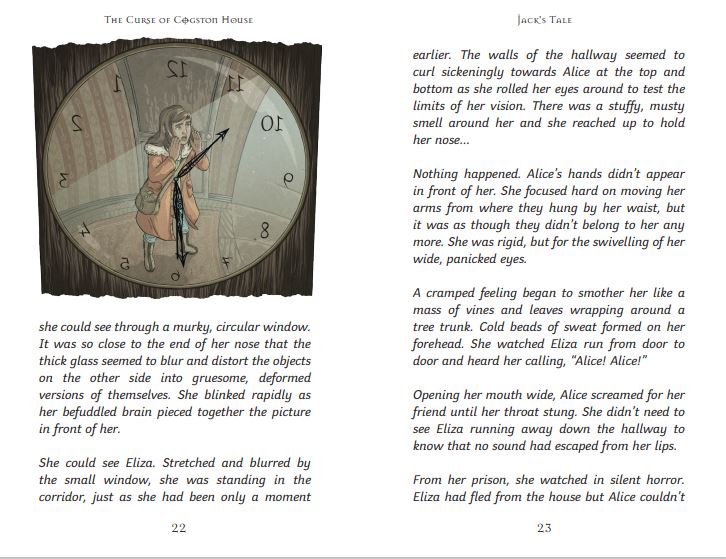
Now it's your turn to articulate what key details you identified and inferences you made whilst you reading.
- What did Alice do to make Eliza stand still?
- How were the clocks different to everything
else in the house?
- What time did the clocks say?
- Which was the only part of Alice that could
move when she was inside the clock?
From deep within her stomach, the desire to scream and wriggle free and fight were burning like a pilot light – but it was fighting with another feeling. A terrifying thought rose within Alice as though it were freezing her from the feet upwards. Eliza was gone. Now , she was completely alone, trapped.
- What impression does this paragraph give the
reader about how Alice was feeling? What
powerful adjectives can you use that really
convey her feelings?
Frantically, Eliza screamed Alice’s name again and again, fat tears forming in her eyes. She took one more look from left to right and then darted down the hallway and out of sight, back into the pouring rain.
- Why do you think Eliza ran out of the house?
All of a sudden, everything was still once again – still, but not silent. Alice could hear a pounding in her ears as her heartbeat became louder and more rhythmic. The thin sliver of a third metal clock hand in front of her face had begun to move and, as the deafening sound of her own heart ticking overwhelmed her, she had the chilling realisation that that this particular clock was no longer broken.
Tick, tock
- What had made the clock work again?



LC: Can we use shade, form and textural marks to draw images and scenes from Macbeth?
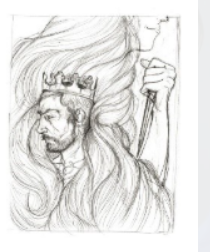
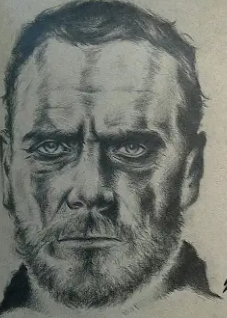
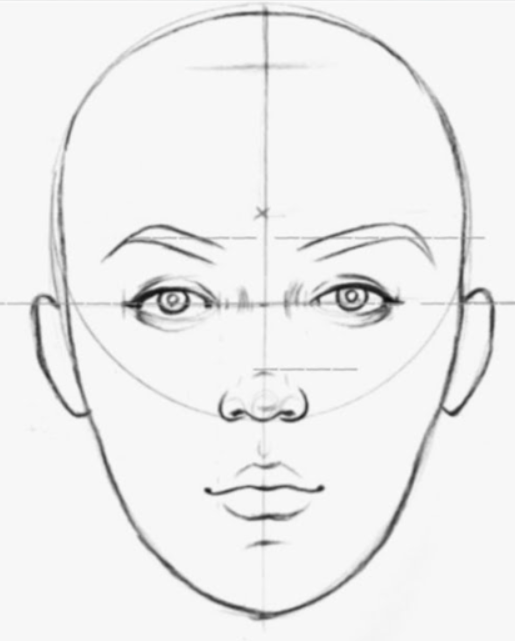
You will return to your sketch of a face and begin to add more detail.
Watch the video about Rembrandt, a famous Dutch artist.
'Every face has a story to tell.'
What is 'Chiaroscuro'?
a) the city Rembrandt was born in?
b) the technique of using light and shadow in painting?
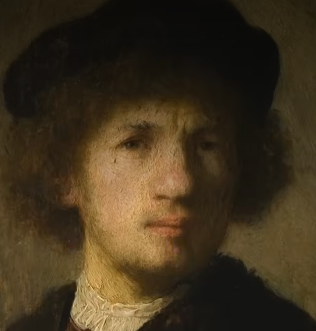
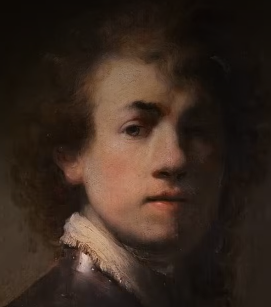
In Rembrandt's paintings, where did the light shine most brightly?
a) on the most important parts?
b) where it was darkest?
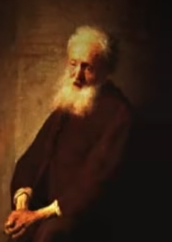
Now begin to add to your portrait.
Add
- eyebrows
- hair
- very light shading