

Tuesday 2nd June

Grammar Warm Up
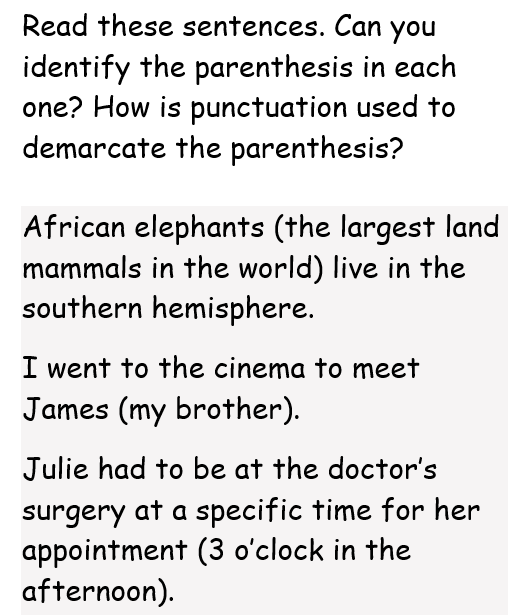
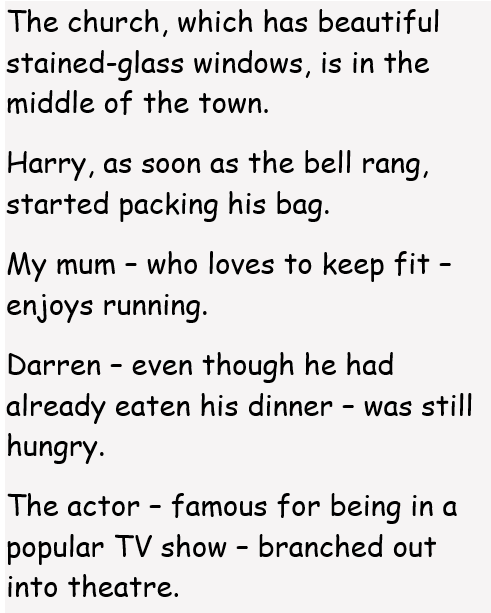
LC: to identify parenthesis and how it is punctuated within sentences
When we are writing, we can add extra words to a sentence to give more information or explanation.
We call the extra words that have been added
a parenthesis.
Brackets, dashes or commas (punctuation that we use to help us add those extra words) are sometimes called
parentheses. (plural)
Watch the video to learn more about this.

LC: to make predictions based on details stated and implied
Think back to yesterday. What connections did we make?
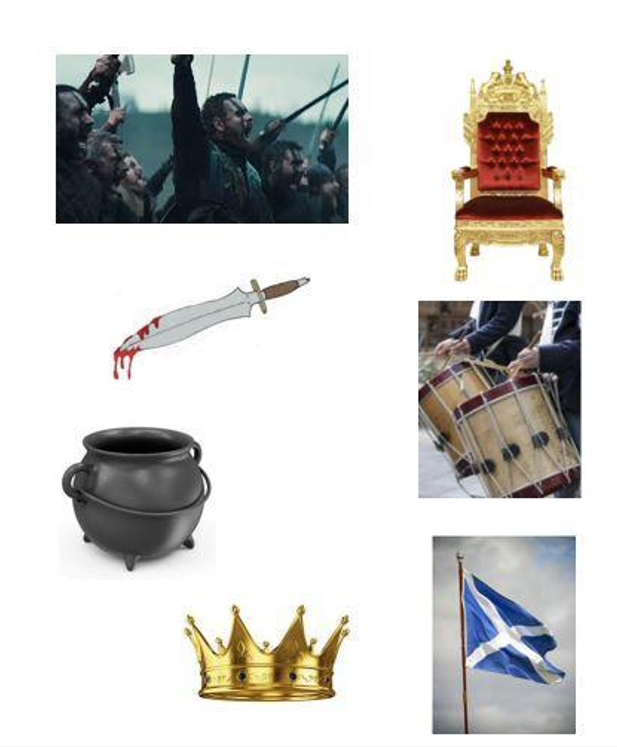
We are going to be reading ....
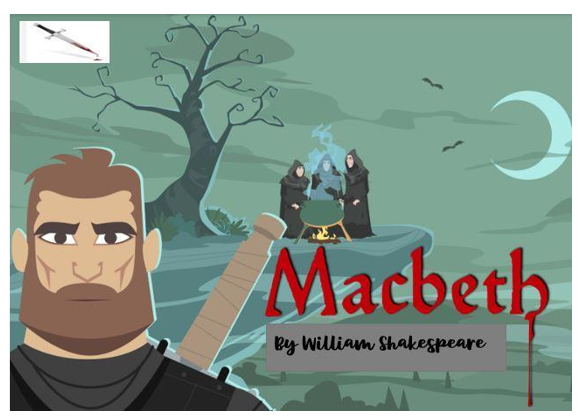
Who was Shakespeare?
Watch the video to find out more about this great English playwright and explore the website to learn some facts about William Shakespeare and the time he lived.
What is a play Script?
A play script is a piece of writing
written for the stage.

- A play script will include a list of characters (at the very beginning).
- It may be divided into acts which are then divided into scenes.
- Each scene will have a description of the setting at the start and then the characters' dialogue.
- Dialogue is set out with the character's name on the left, then a colon then the dialogue (without speech marks).
- Stage directions for the actors are written every now and again in italics and brackets.
Look at the texts below.
Which ones are playscripts? How do you know?
Macbeth Act 1 Scene 3
Macbeth original playscript Shakespeare
Macbeth retold by Marcia Williams
Now, watch the video for the start of the play.
From 2:04, you can follow the lines on the BBC Adapted Playscript.
/i/video/1_-_The_Weird_Sisters_Act_1_Scenes_1-3.mp4
What questions do you have now you have seen the first part of the play?

Discuss in your groups using respectful language.
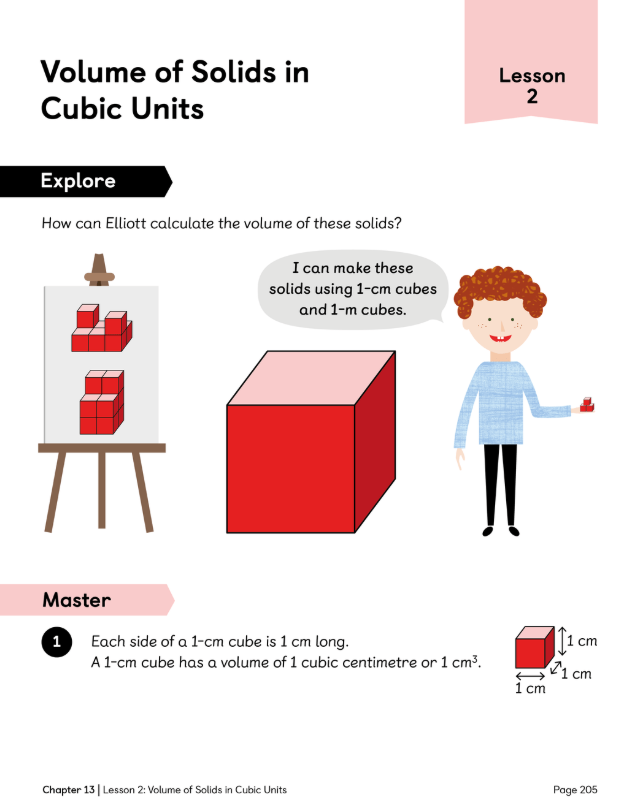
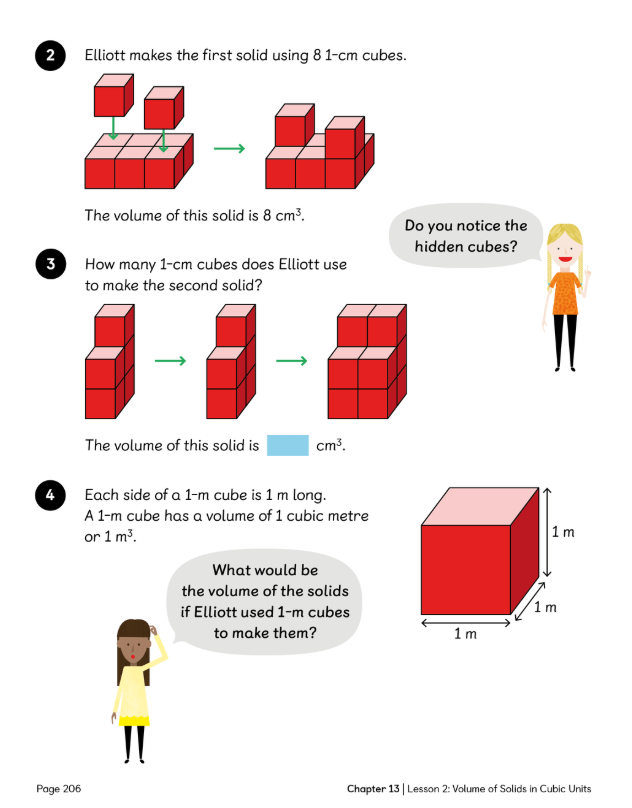
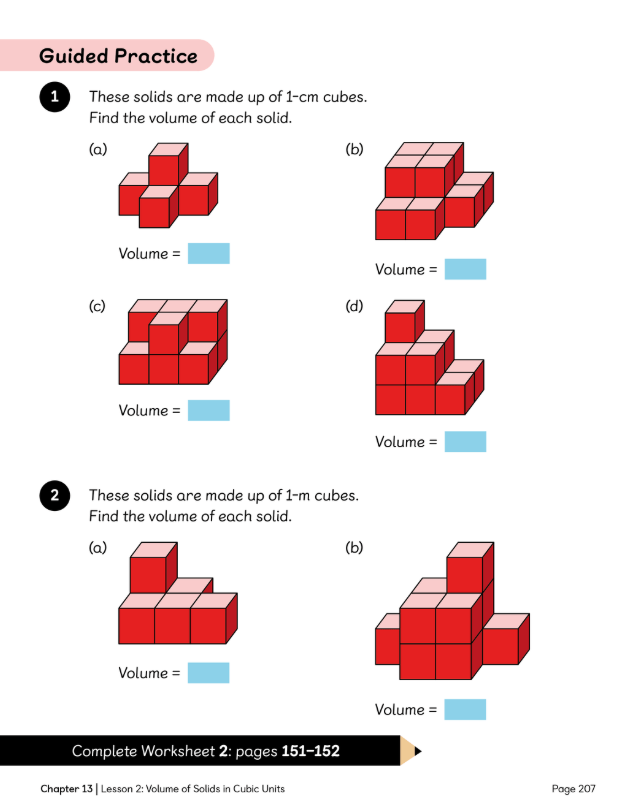
LC: To be able to find the volume of solids built from cubic units.

LC: To know how some materials can be separated.
Separation
Mixtures can be separated by methods like sieving, filtering and evaporating.
Sieving
A mixture made of solid particles of different sizes, for example sand and gravel, can be separated by sieving.
Filtering
You can separate a mixture of sand and water by passing it through a piece of filter paper. The water is able to pass through the tiny gaps in the paper but the sand particles are too big and are left on the surface of the filter paper.
Evaporating
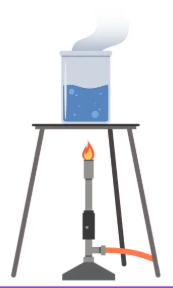
By dissolving salt in water you make a solution. You can separate the salt from the water again by boiling the solution. The water will evaporate until it is all gone. The salt will be left behind.
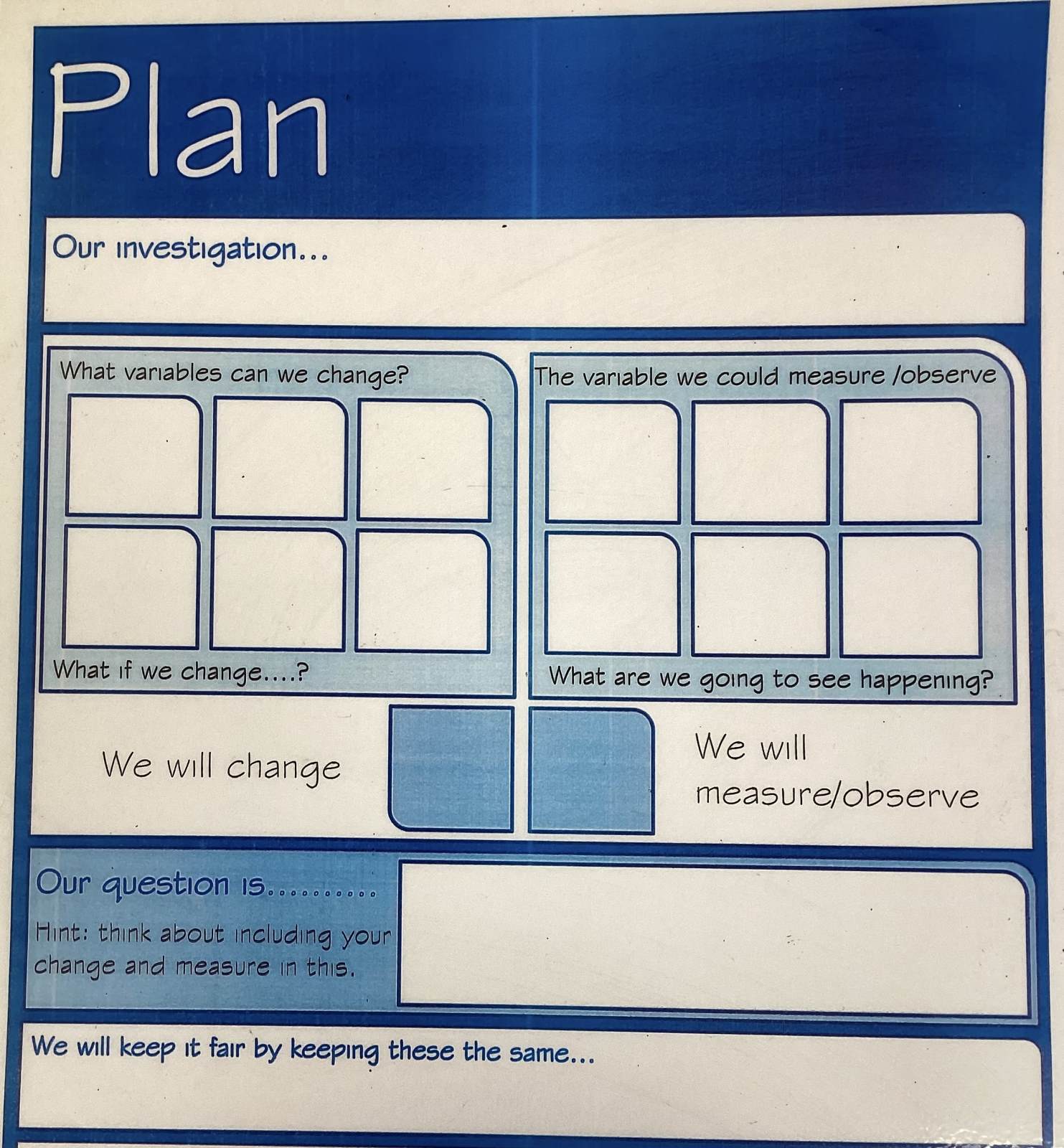
Now plan your first investigation:
'How to separate substances using evaporation'

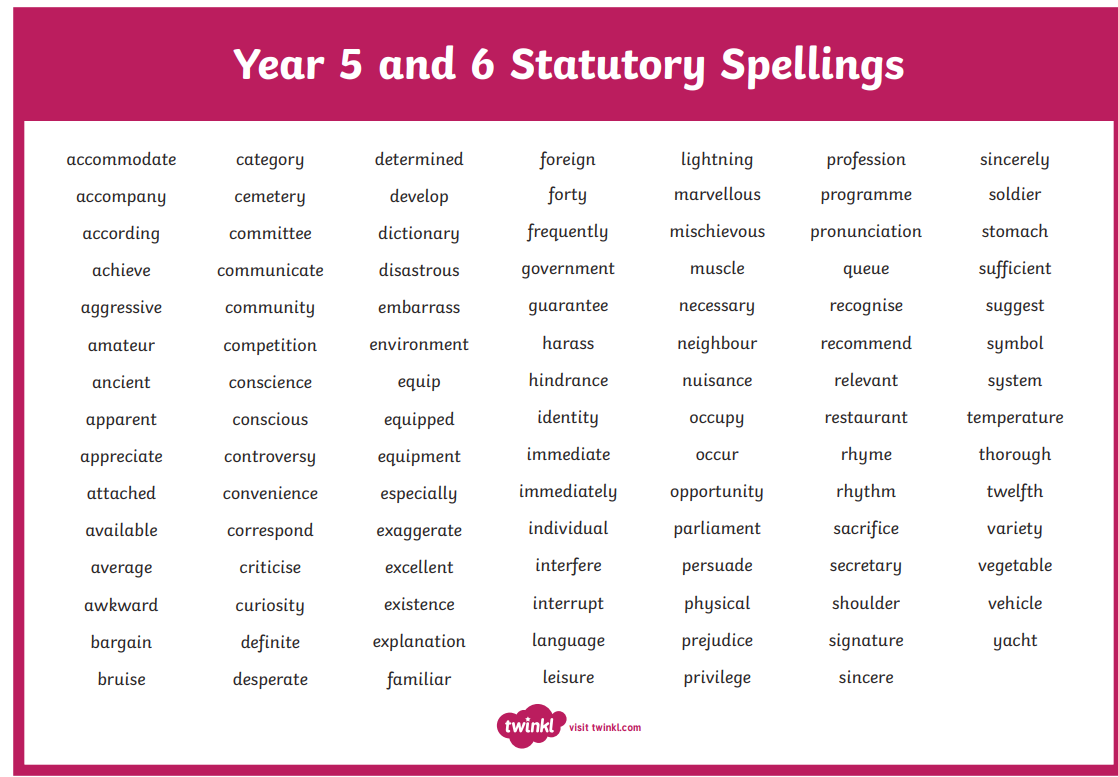
LC: Y5 statutory spelling list.
Looking at the Y5/Y6 statutory spelling list, we are going to complete an activity based on some of these words.