



Tuesday 17th March

LC: to use my knowledge of planning to create an effective independent plan for a Science Fiction narrative
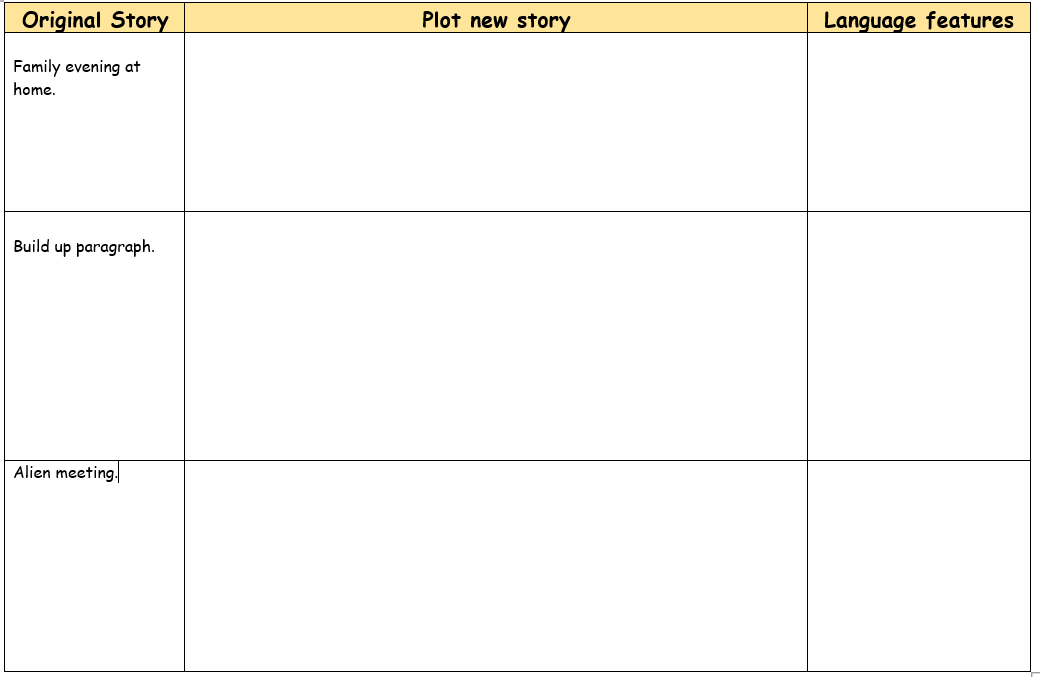
You are going to plan your own independent story.
You must choose
- a different character
- a different family event
- a different alien
Good luck!
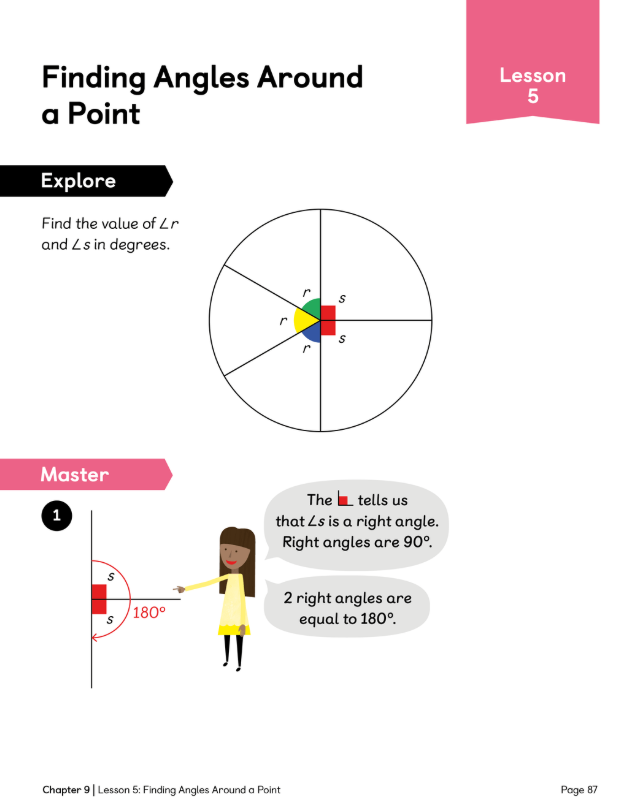
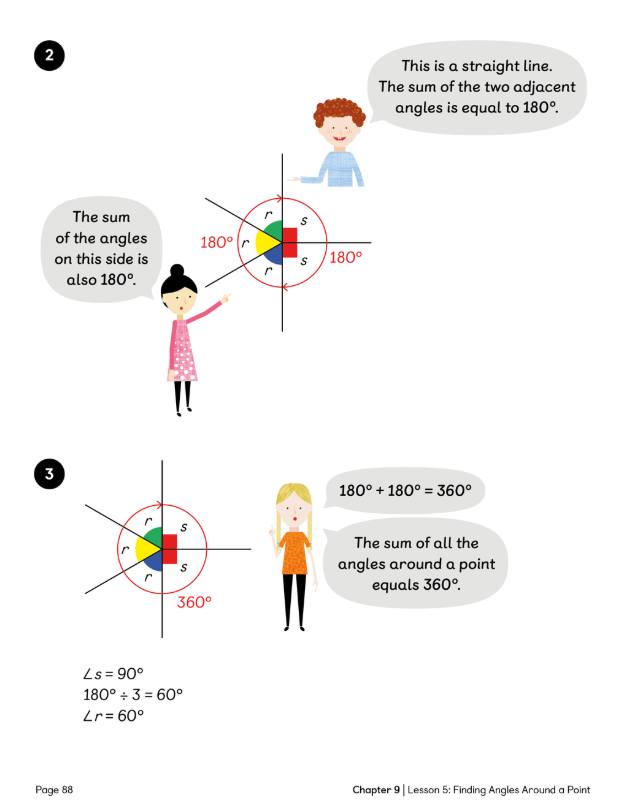
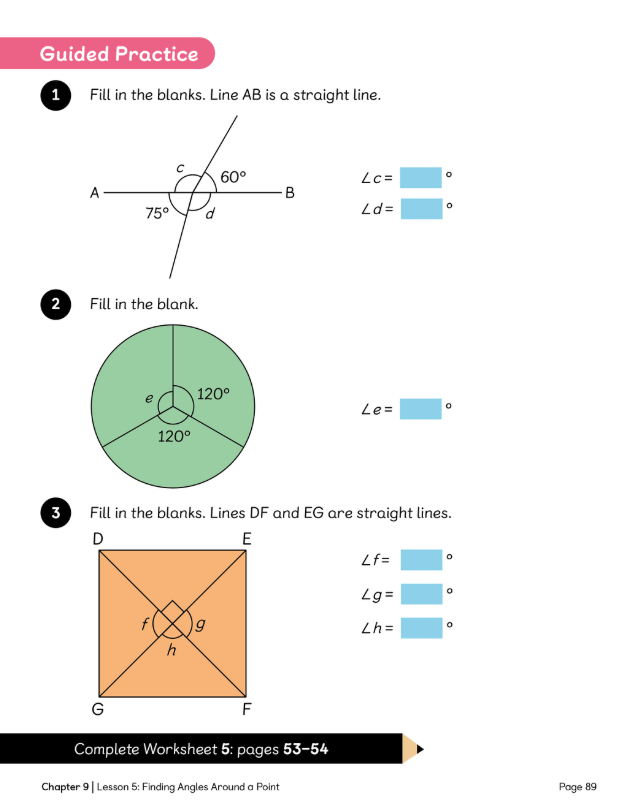
LC: To understand that angles around a point always sum to 360°.
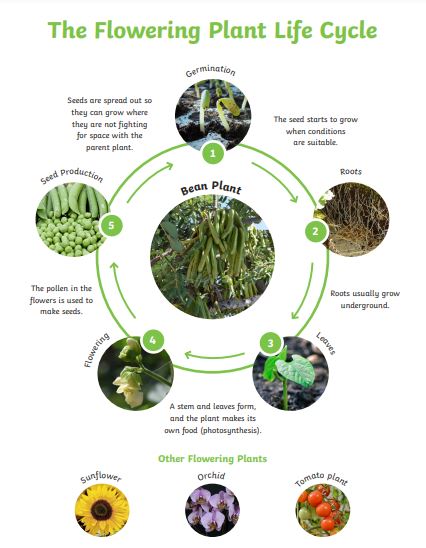
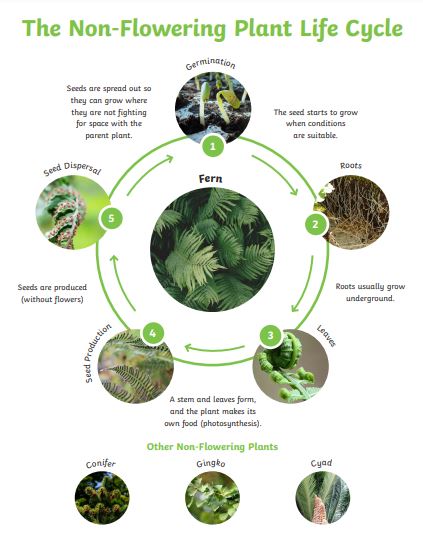
LC: To describe the process of reproduction in plants.
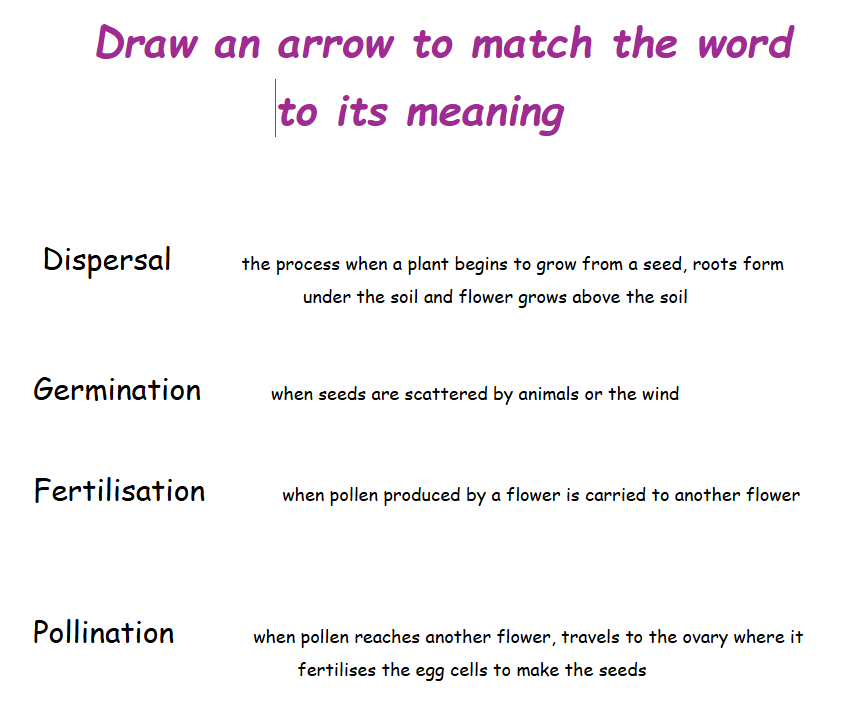
Watch the video then match the definitions below.
Strawberry plant life cycle video
What is the reproductive system of a plant?
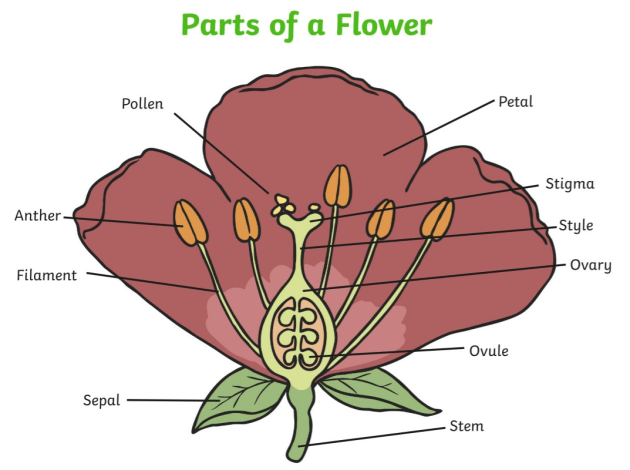
To start off with, let’s have a look at the reproductive system of a typical flowering plant. The key parts that we need to know about include:
- Sepals: this protects the flower that hasn’t yet opened.
- Petals: the pretty part to attract insects.
- Stamens: these are the male parts of the flower, which are made of anther and are held up on the filaments.
- Anthers: these produce male gametes (a human male gamete is the sperm, and a female is the egg), in the form of pollen.
- Stigma: the female part of the flower that collects the pollen grains.
- Ovary: another female part of the flower that produces female gametes, in the form of ovules.
- Nectary: sometimes present in plants to produce a sugary substance that aims to attract insects.
How do plants reproduce?
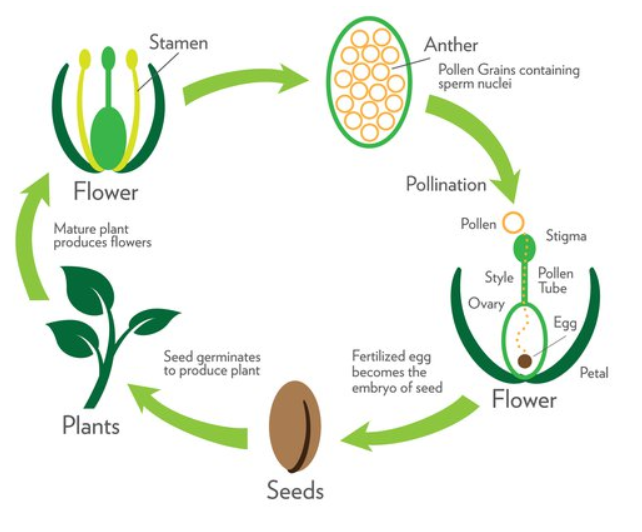
Reproduction can be asexual (makes a copy of itself) or sexual (male and female parts come together to make a copy).
In a plant, the male part (pollen) needs to be transferred to the female part (ovules) in a process called pollination.
Once the pollen grain is carried to another plant by an insect, it must land on the stigma of the flower. The pollen travels down through the plant until it reaches the ovule inside the plant's ovary. Here, inside the ovary, the male pollen and the female ovule fuse together. This is called fertilisation.
This fertilisation produces new seeds which are dispersed by the insect or by the wind and then the process begins again.
 What are the different types of pollination?
As we know, for pollination to happen, pollen grains need to move from the anther of one flower to the stigma of another. Some plants are pollinated through the help of insects, and others rely on the wind. Let’s have a look at these different types of pollination, and how insect and wind-pollinated plants differ from one another.
Insect pollination
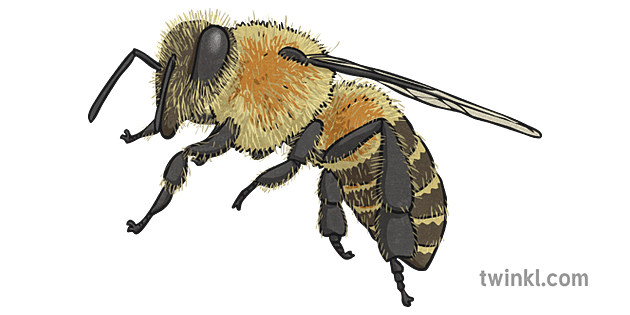
Insects land on plants to search for food. In doing this, pollen sticks to them, and as they travel to the next plant for food, the pollen that is stuck to their body gets transferred onto the stigma. Key pollinators include a variety of bees, flies and beetles. Without important preservation of these insects, our food supplies will be under serious threat.
Plants that rely on insect pollination have a distinct set of characteristics to make sure that bees, flies and beetles are attracted to the plant and can successfully carry the pollen. These include:
- brightly coloured petals;
- scented nectar;
- sticky or spiky pollen grains;
- firmly attached internal anthers for insects to brush against;
- an internal, sticky stigma which pollen grains which sticks to insects as they brush past.
Wind pollination
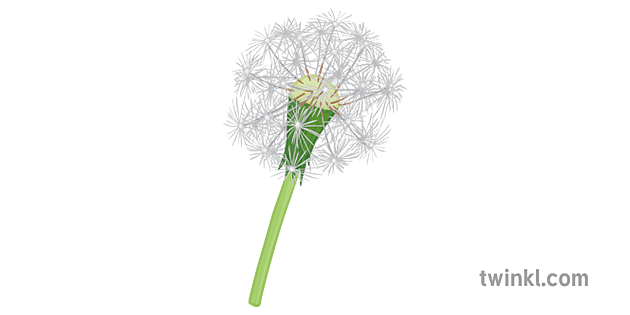
Wind pollination is when air currents carry pollen from one plant to another. This process is also known as anemophily.
Plants that rely on wind pollination also have a set of characteristics that make it perfect for relying on air currents to spread pollen and fertilise. These adaptations include:
- dull leaves, as the wind doesn’t need attracting;
- no scent or nectar, as there are no insects to be fed;
- more pollen than insect pollinated plants, as the vast majority of don’t make its way to other plants;
- smooth and lightweight pollen grains that are easily carried by the wind - dandelions are an excellent example of this;
- loose external anthers that easily release pollen grains;
- feathery external stigma that is designed to catch as much pollen as possible.
Seed dispersal
Once the plant has been fertilised and seeds have been produced, those seeds then need to be dispersed so that new plants can grow. This happens in a variety of ways, including:
- the wind which carries the seeds with the air current (e.g. dandelion seeds);
- as a product of an animal’s digestive system (e.g. tomato seeds);
- from the outside of an animal’s coat (e.g. burdock);
- plants that propel the seeds out themselves (e.g. pea pods).

LC: Building words from root words
We are going to use this example matrices to discuss how they work and how they help to both spell a word and to understand it's meaning.
Morphemes are the smallest units of meaning in a language. When we analyse a word using morphemes, we break it into its meaningful parts and examine how those parts combine to build the overall meaning of the word.
|
un, de, in |
fin |
ish, al, ite |
ing, ed, es, ly, ist, ise, ive
|
|
un, re |
at, de |
tach |
ing, ed, es, able, ment |
ACTIVITY:
| Prefixes | Base | Suffixes |
|---|---|---|
| re | play | ing |
| un | play | er |
| mis | play | ed |
| — | play | ful |
Task 1: Build Words
-
create at least 5 words from the matrix.
-
write each word and underline the morphemes.
Example:
un + play + ful → unplayful
Task 2: Explain the Meaning
Explain how the morphemes affect the meaning.
Example:
-
-
help – the base morpheme meaning to assist
-
un- – prefix meaning not
-
-ful – suffix meaning full of
Meaning: unhelpful = not full of help.
-