

Monday 2nd February

Grammar Warm Up
LC: to use commas to clarify meaning
Add commas to these sentences to make their meaning clear.

1. I was so hungry that I ate three pizzas two garlic breads a plate of chips and a bowl of fries.
(commas to separate items in a list)
2. Let's bake mum!
(commas to make meaning clear)
3. My ipad which I got for a present last year has a black case.
(commas to separate a relative clause)
4. Before I leave for school I make sure I have everything I need.
(commas to separate a subordinate and main clause)
LC: to create an effective plan for a recount
Today, we are going to begin our plan for a model write using a scene from 'Alice in Wonderland.'
Your teacher will use the first two pages of the story for her writing.


Watch how your teacher plans for her recount write by using the planning structure below.
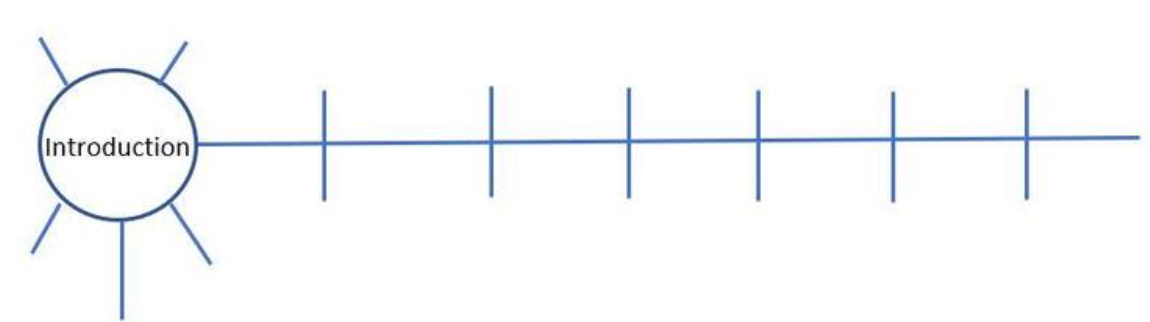
Your turn!
Use the same planning structure but you will use
the Caucus Race for Alice to recount.
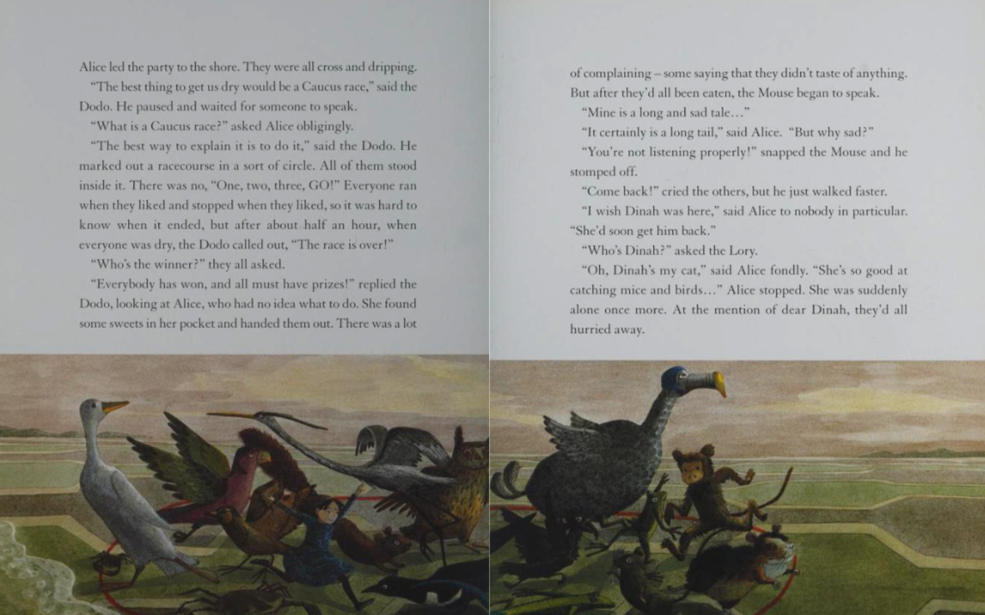
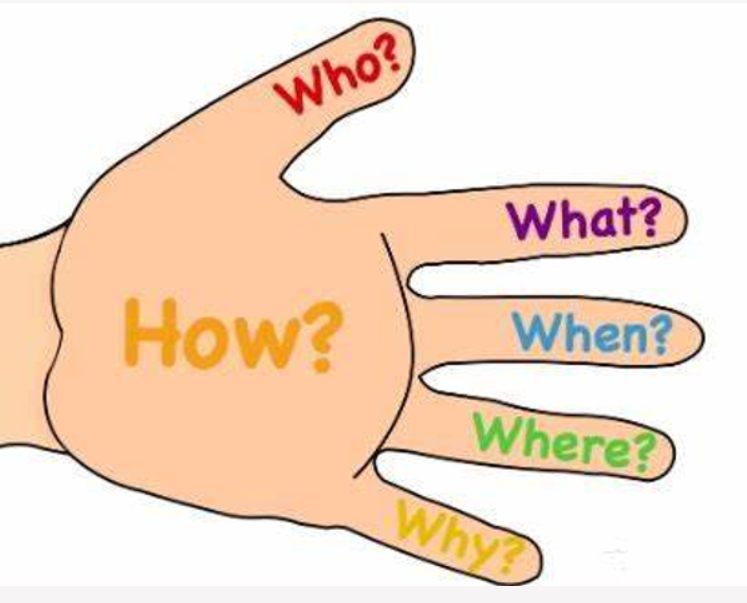
Pick out the main events of this scene then use them to plan your recount writing.
Remember to include:
WHO?
WHAT?
WHEN?
WHERE?
WHY?
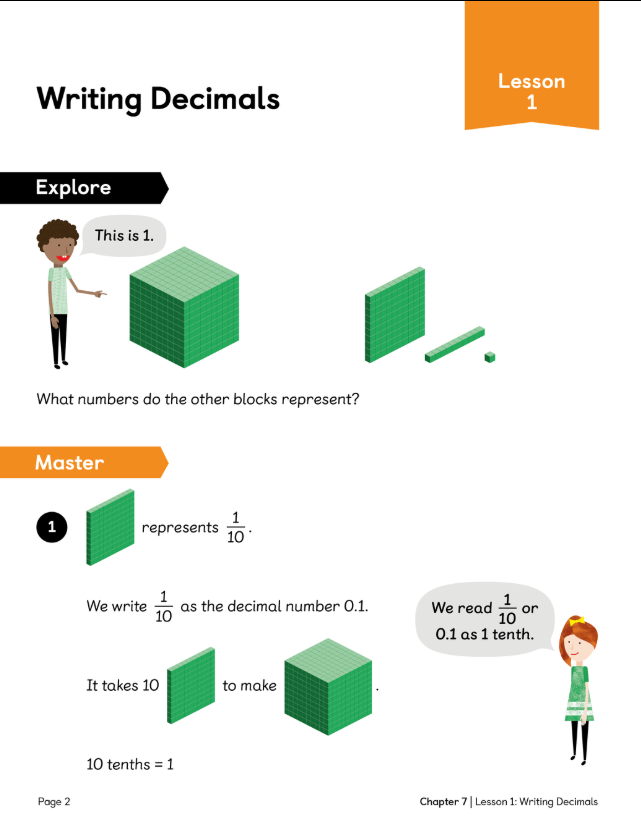
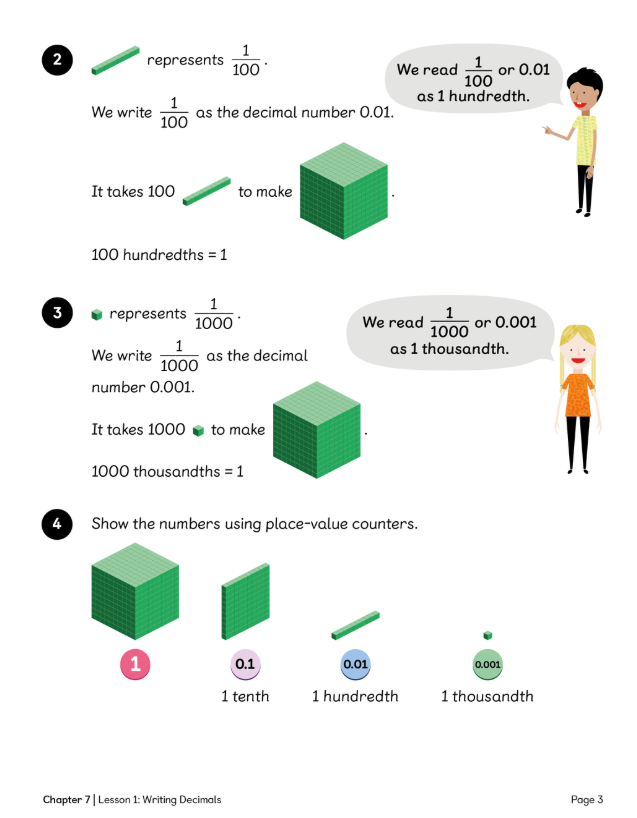
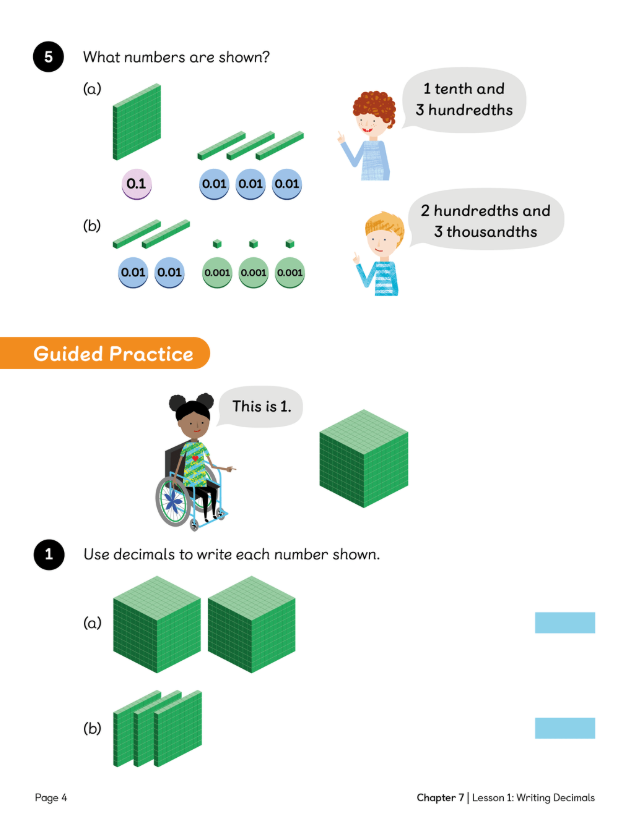
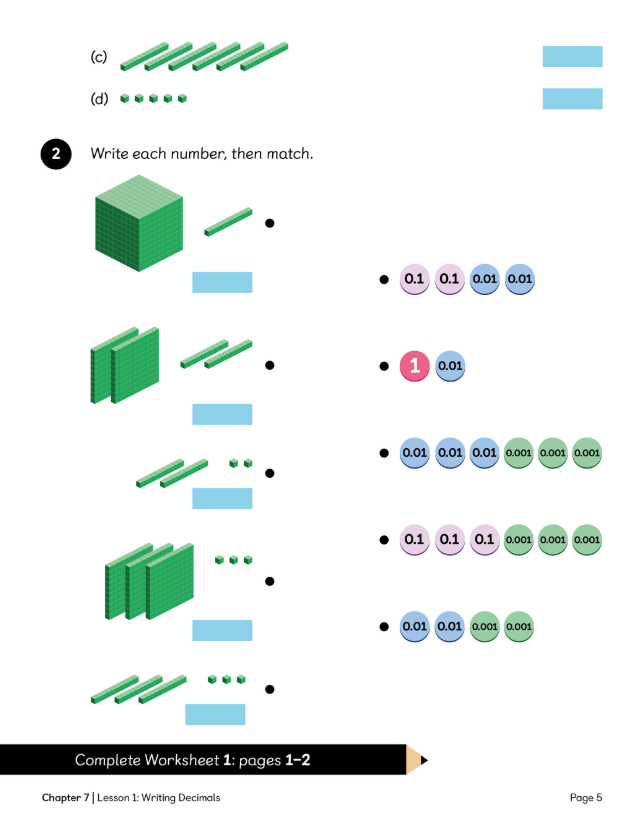
LC: To be able to write decimal numbers.
On Saturday morning, Leo rushed to the park with his football tucked under his arm. Dark clouds hovered above, but Leo didn’t mind. He practised shooting at the goal until a sudden gust of wind sent the ball rolling down the hill and into a muddy pond. Leo froze. The water was deep and brown, and his trainers were brand new. After a moment of hesitation, he rolled up his sleeves and stepped forward. Cold water splashed everywhere, but Leo grabbed the ball and smiled. Some things, he decided, were worth getting muddy for.
R- What happened to the football?
I- Why do you think Leo hesitated before getting the ball?
C- Which word best describes Leo at the end of the story? Explain your choice using evidence from the text.
LC: Make predictions from details given or implied. Use active reading strategies.
Over the next few days we are going to be reading this book as our focus text.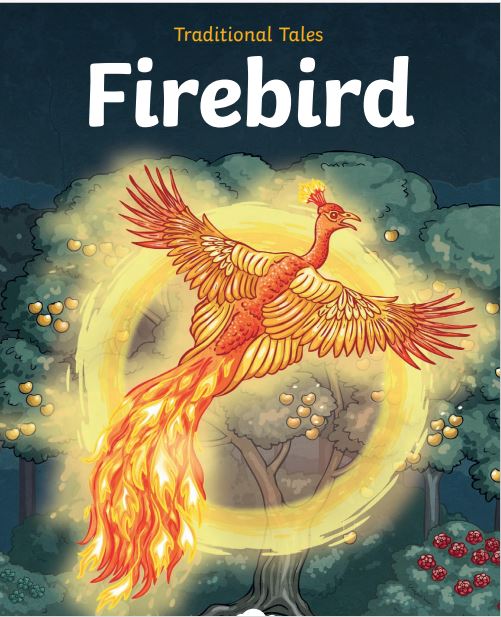
What kind of book do you think this is? What makes you think this?
Having looked at the front cover, are there any questions you would like to know the answers to?
Activity: Write a prediction around the picture. For example,
I think this might be a myth because the bird looks like a mythical creature. I wonder if it’s called firebird because it sets fire to things.
LC: To learn about seeking and giving permission (consent) in different situations .
What is consent?
Consent is agreement that is given willingly and freely without exploitation, threat or fear, and by a person who has the capacity to give their agreement.
How do we give, or know that someone has given , consent?
If someone gives consent, this means that they clearly want to engage in an activity and demonstrate this verbally and/or through their body language. There should be no ambiguity or confusion about whether consent is given (‘not saying no’ is not giving consent).
Responsibility for making sure that consent has been given lies with the person seeking consent. This means being sure that you, or the person you are seeking consent from, is actively consenting and that none of the conditions which prevent free, informed consent — such as manipulation or exploitation — are present.
Healthy and Unhealthy Boundaries
Boundaries in our relationships are the limits that we put in place to show how we expect and are willing to be treated. They are like our invisible shields that help keep us safe. They are also informed by how we behave towards others.
These boundaries affect our health, safety and wellbeing.
We put healthy boundaries in place when we choose to think, act and behave in a way that helps to keep our mind, body, thoughts and feelings (or those of another person) safe and well. Unhealthy boundaries in a relationship can put our mind, body, thoughts or feelings (or those of another person) at risk of harm.
When should we, and when should we not, give consent?
It is okay to give consent when someone asks us to do something that does not put our mind, body thoughts or personal safety, or the mind, body, thoughts or personal safety of anyone else at risk.
It is okay NOT to give consent to when someone asks us to do something that makes us feel uncomfortable or puts our mind, body or thoughts or personal safety, or the mind, body, thoughts or personal safety of anyone else, at risk.

Let's talk about these scenarios:
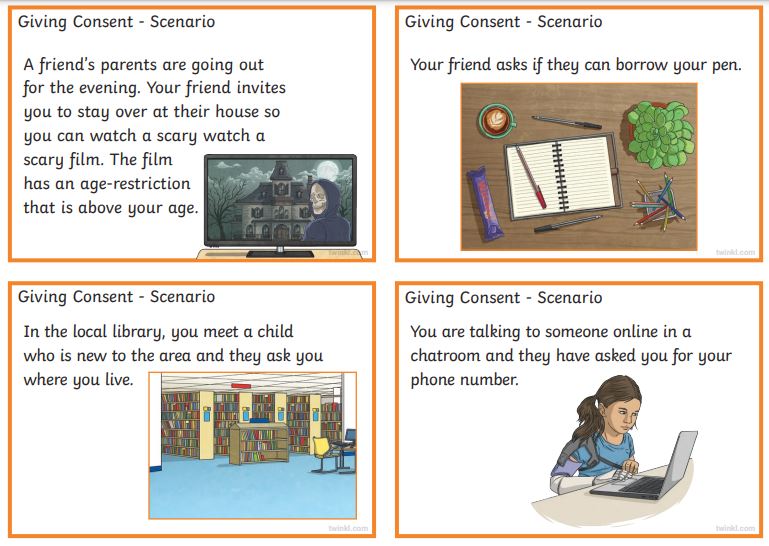
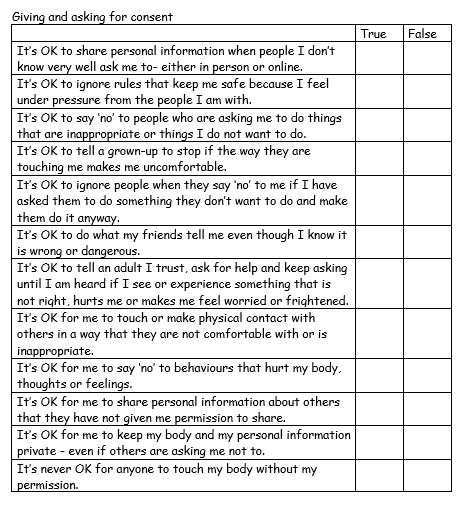
Read the statements on the sheet and decide whether you would consider each to be true or false. Fill this in pairs.