



Monday 19th October 2026
LC: : Infer characters' feelings from their actions and justify with evidence from the text.
RIC
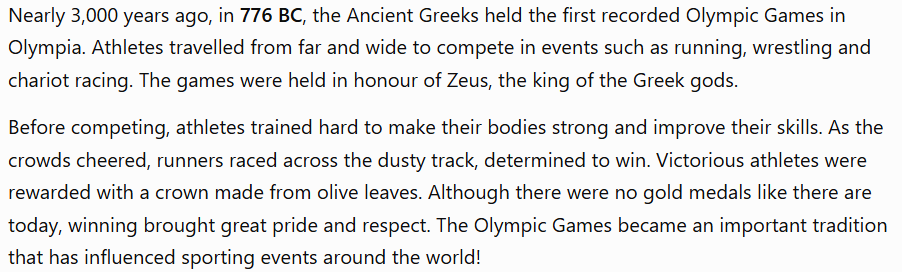
R - In which year were the first recorded Olympic Games held, and where did they take place?
I - How do you think the athletes felt as they stood ready to compete? Use evidence from the text to explain your answer.
C - Why do you think winning an olive-leaf crown brought pride and respect to an athlete, even though it was not made of gold?
Main
An inference is when we use clues from the text and our own knowledge to work out something the author has not directly told us.
-
Mia gripped the edge of her chair and glanced at the clock for the fifth time.
-
Sam folded his arms, looked at the floor and shuffled his feet.
-
Aisha jumped up and down, clapped her hands and grinned.
How might each character be feeling?
What action makes you think that?
Oliver stood outside the classroom, twisting the strap of his bag around his fingers. He peered through the window at the other children, took a deep breath and slowly reached for the door handle.
The author hasn't told me how Oliver feels. However, twisting his bag strap and taking a deep breath suggest that he might be nervous.
Lets use the evidence to write our sentence:
I infer that Oliver feels nervous because he twists his bag strap and takes a deep breath. This suggests he is worried about entering the classroom.
Activity
The Final Race
The crowd roared as Ethan stepped up to the starting line. He wiped his sweaty palms on his shorts and glanced sideways at the other runners. His stomach twisted as he heard the starter raise the whistle to his lips.
“You can do this,” he whispered to himself.
As the whistle blew, Ethan exploded off the starting line. Halfway through the race, he stumbled and fell to his knees. For a moment, he stared at the track, blinking back tears. Then he clenched his fists, pushed himself up and sprinted towards the finish line.
When he crossed it, he bent over, gasping for breath. He looked up at the scoreboard, and a huge grin spread across his face. He had finished third!
His coach hurried over and patted him on the shoulder. Ethan laughed, his eyes shining, as his teammates cheered around him.
Answer these questions in your books.
1. How does Ethan feel at the starting line?
Look at his sweaty palms and twisting stomach.
2. How does Ethan feel when he falls?
Look at his reaction immediately after falling.
3. How does Ethan feel at the end of the race?
Look at his grin, laughter and reaction to the scoreboard.
Adapted

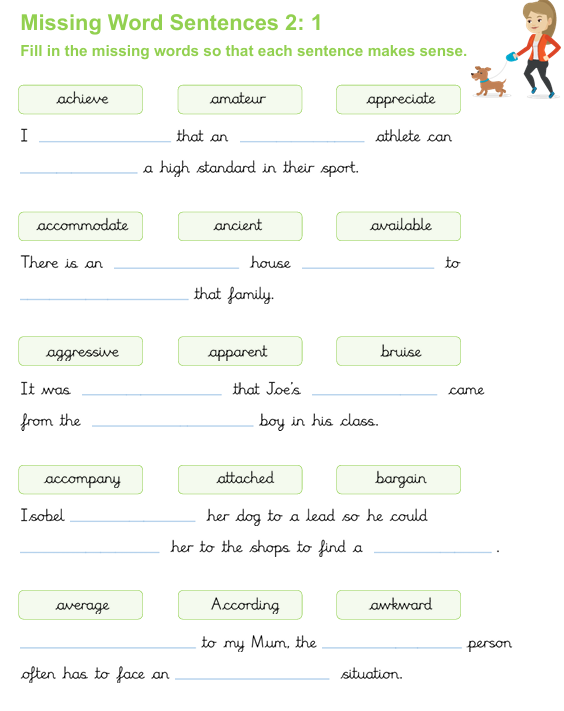
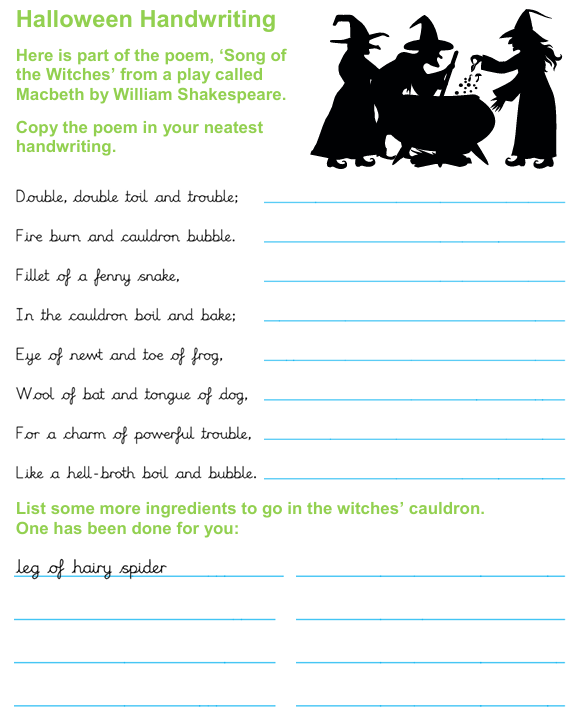
Write these sentences neatly into your handwriting book. Make sure to lead in and lead out.

Monday 19th October 2026
LC: to follow a model to create an effective non-chronological report, using facts, specialist vocabulary, relative clauses and sequencing adverbials.


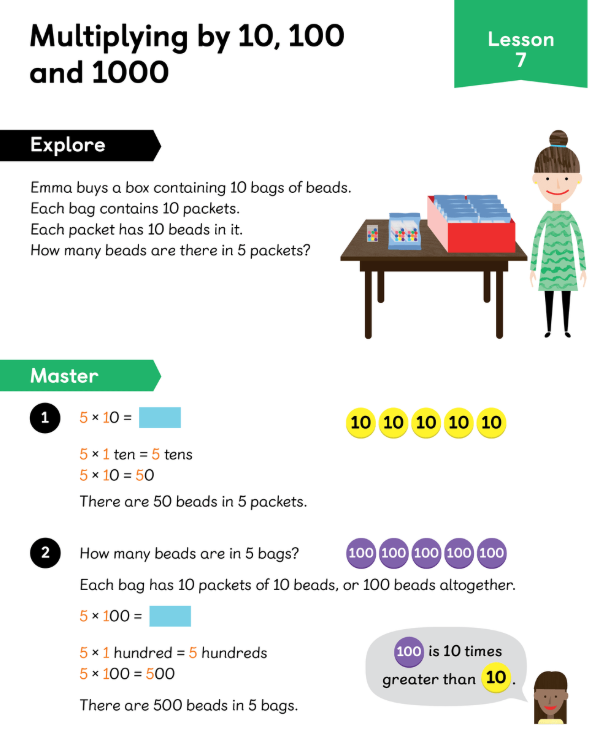
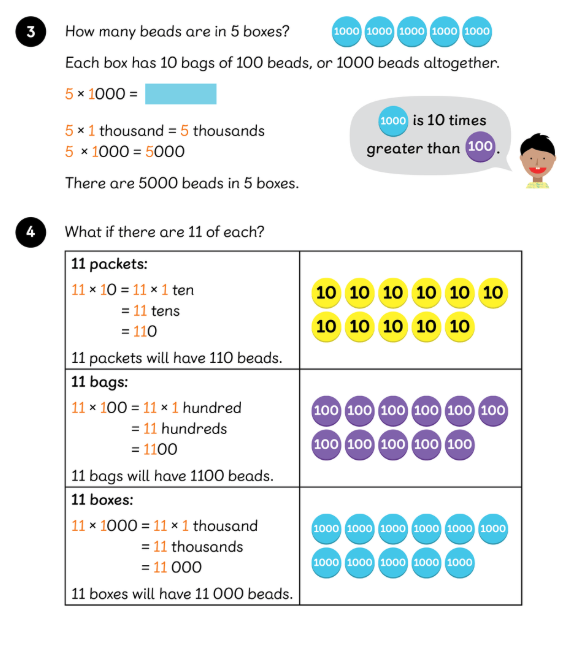
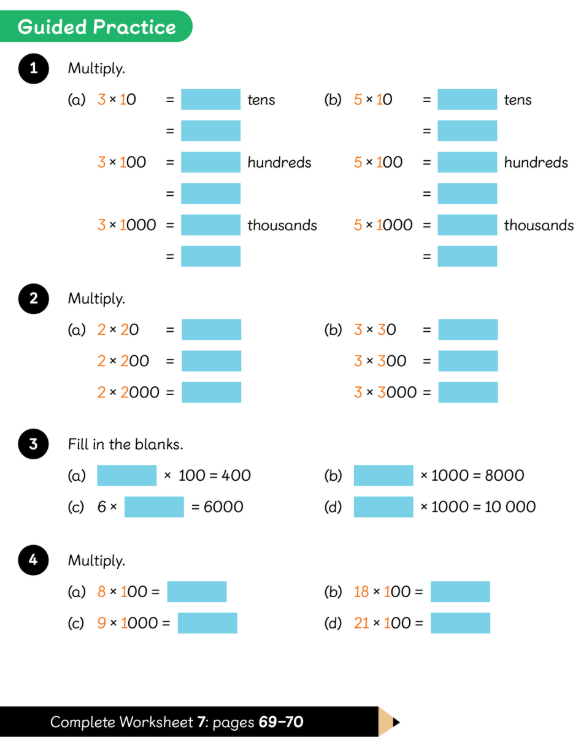
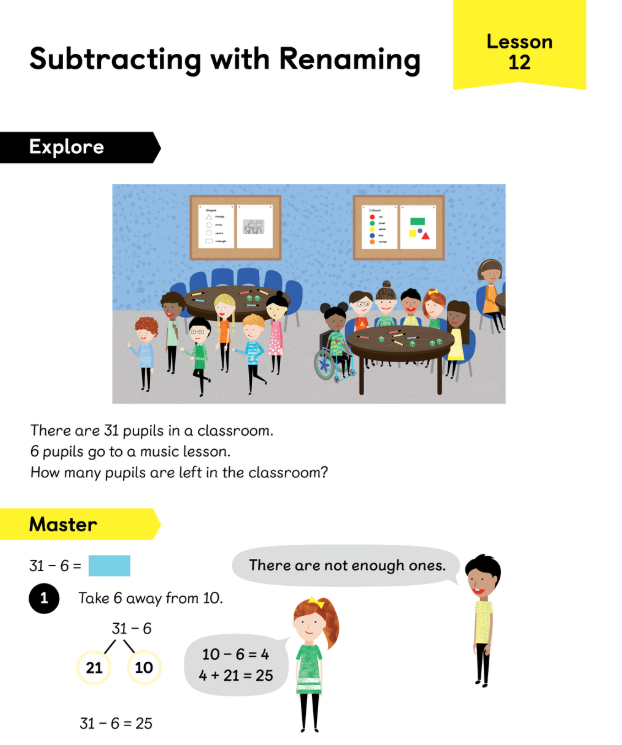
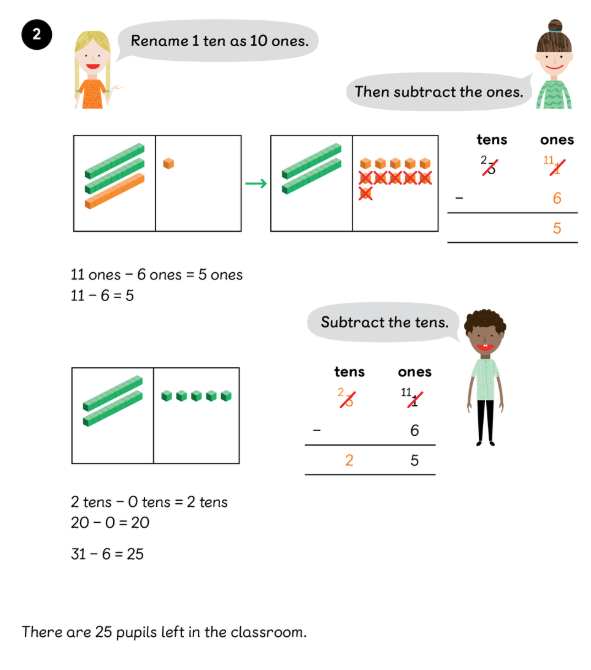
LC: To be able to multiply a single-digit number and 2-digit numbers by 10, 100 and 1000.
Adapted

Monday 19th October 2026
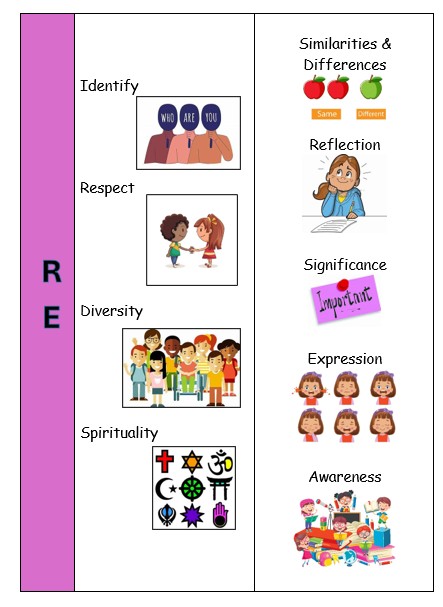
LC: To reflect on Christian beliefs on temptation, sin and penance.
Reflecting on Father Featherstone’s Visit
- What did I learn? Explain what Father Featherstone taught you about temptation, sin and penance.
- What made me think? Describe something Father Featherstone said that you found interesting, surprising or important.
- Why is this important? Explain why Catholics should think carefully about their choices and seek forgiveness when they do something wrong.
- How can I use what I have learnt? Reflect on how Father Featherstone's teachings might help you make good choices in everyday life.
- What would I like to know more about? Write one question you would like to ask Father Featherstone.
Greater Depth:
How has Father Featherstone's visit deepened your understanding of God's mercy and forgiveness?
Monday – Believe in Yourself: The Power of Yet
Key message: We might not be able to do something yet, but with practice, support and determination, we can improve.
UNCRC: Article 29 – Education should develop children's talents and abilities to their fullest potential.
British Value: Individual Liberty – Having the freedom and confidence to develop our own abilities and make positive choices.
Put your hand up if you have ever thought, "I can't do this!"
Now, what if we added one small word to that sentence?
YET!
"I can't do this YET!"
That one word changes how we think. It reminds us that learning takes time and that we can get better.
Think about when you were younger. Could you always tie your shoelaces, ride a bike or read a book? Probably not. You had to learn, practise and sometimes ask for help.
In Year 5, we are going to face challenges. Some lessons will be difficult, but that doesn't mean we should give up.
Complete these sentences aloud:
- "I can't do long multiplication..." — YET!
- "I can't remember all my spellings..." — YET!
- "I can't write a brilliant story..." — YET!
Reflection
Article 29 reminds us that education should help us develop our abilities. Everyone deserves the opportunity to learn and improve.
Thought for the day: "I may not be there yet, but I am closer than I was yesterday."
Daily challenge: Choose one thing you find difficult and give it another try today.