

Friday 23rd October 2026

Handwriting Lesson 6
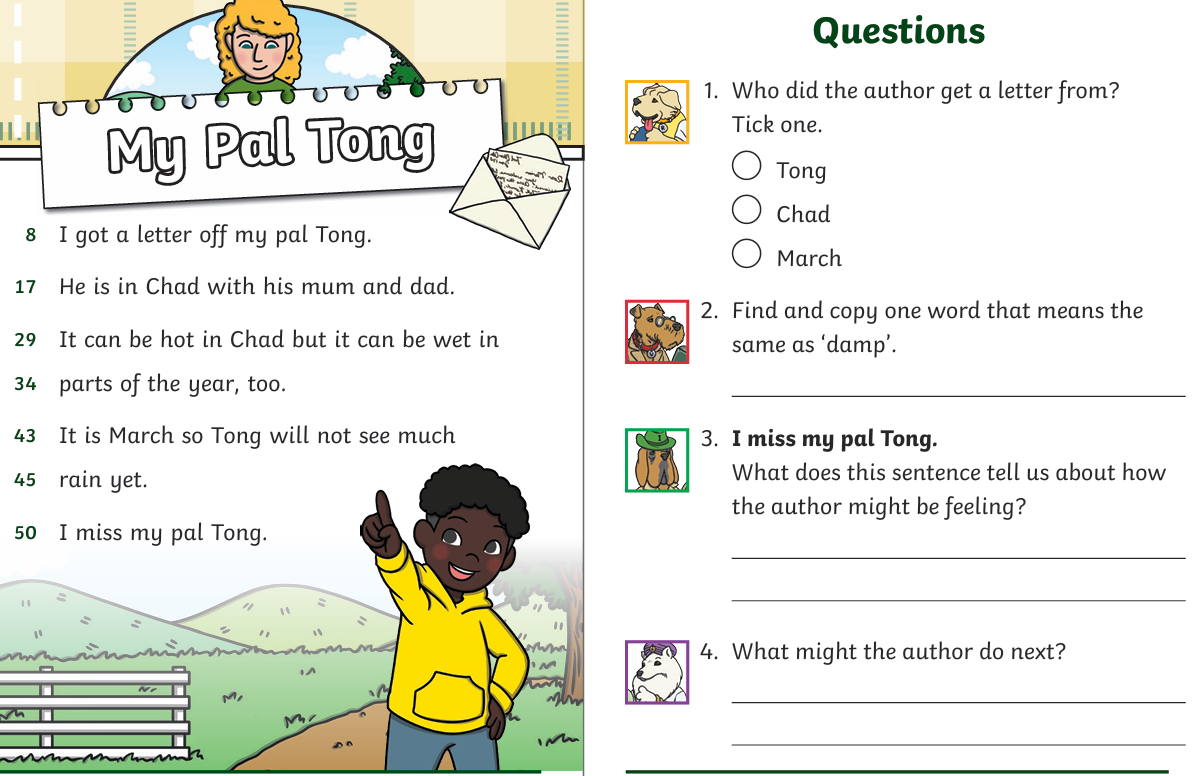
LC: Infer characters' feelings from their actions and justify with evidence from the text.
RIC
More than 2,000 years ago, in the ancient world, a Greek inventor named Hero of Alexandria created a remarkable machine. It was designed to dispense holy water to visitors at temples. At the time, people had no electricity to power their inventions, so Hero used clever mechanical ideas instead.
When someone dropped a coin into the machine, its weight pushed down a lever. This opened a valve, allowing holy water to flow out. Once the coin slipped off the lever, the valve closed and the water stopped flowing. Visitors were amazed by how the machine worked!
Hero's invention was an early form of a vending machine. His creative thinking shows that people in the ancient world could solve problems using science and engineering, even without modern technology.
R - What happened when someone dropped a coin into Hero's machine?
I - How do you think visitors might have felt when they saw Hero's machine working? Use evidence from the text to explain your answer.
C - What does Hero's invention suggest about the knowledge and skills of people in the ancient world? Explain your answer using evidence from the text.
MAIN
What emotions are these children feeling?
-
A boy bites his lip and avoids looking at his teacher.
-
A girl clenches her fists and stamps her foot.
-
A child beams at the crowd and throws both arms into the air.
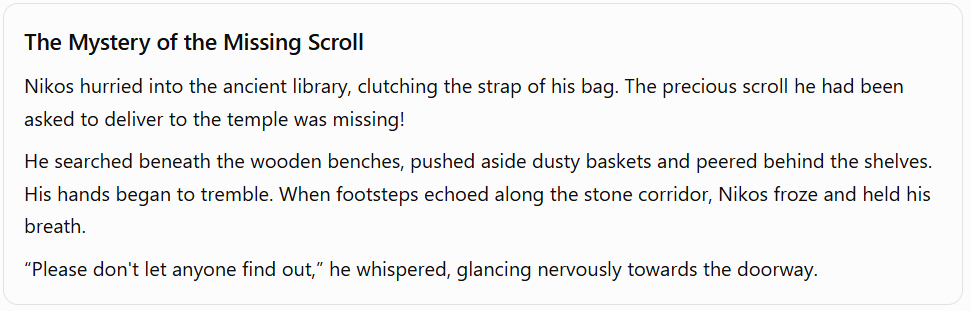
I infer that Nikos feels anxious and worried. The text says his hands began to tremble and that he held his breath when he heard footsteps. These actions suggest that he is frightened someone might discover the missing scroll.
The author does not directly tell us how Nikos feels. We use the clues to work it out.
Can you highlight the actions that reveal Nikos's feelings.
Answer these questions in your books.
How does Nikos feel when he discovers the scroll is missing?
What does Nikos's reaction to the footsteps suggest about his feelings? Use evidence from the text.
Why might Nikos whisper, “Please don't let anyone find out”? What does this reveal about what he might be thinking?
Adapted

Friday 23rd October 2026
LC: to complete an effective non-chronological report using facts, specialist vocabulary, adverbials and third person.
Complete the report by writing
- the second topic
- the conclusion
Proof read carefully and edit to correct and improve.

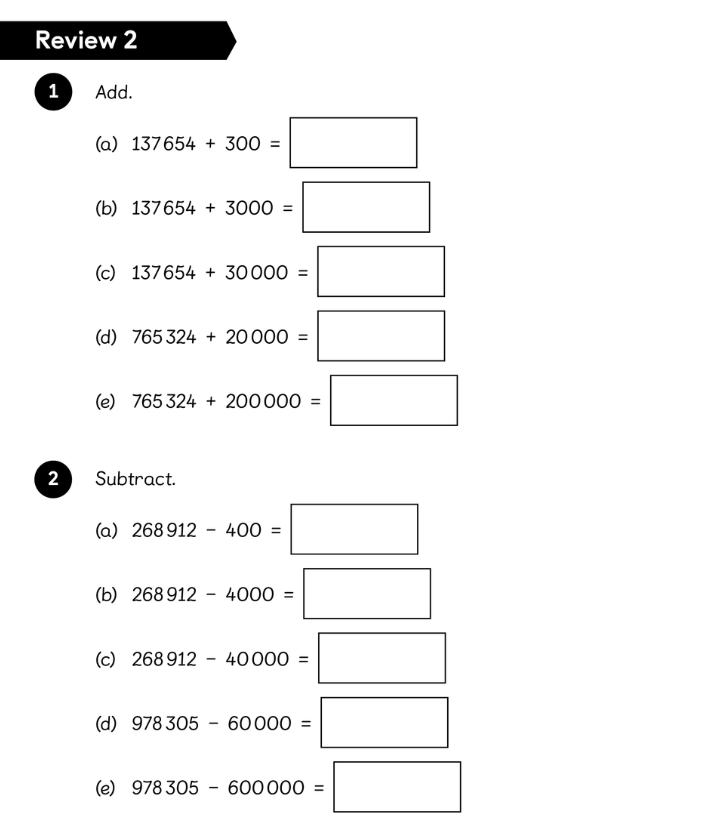
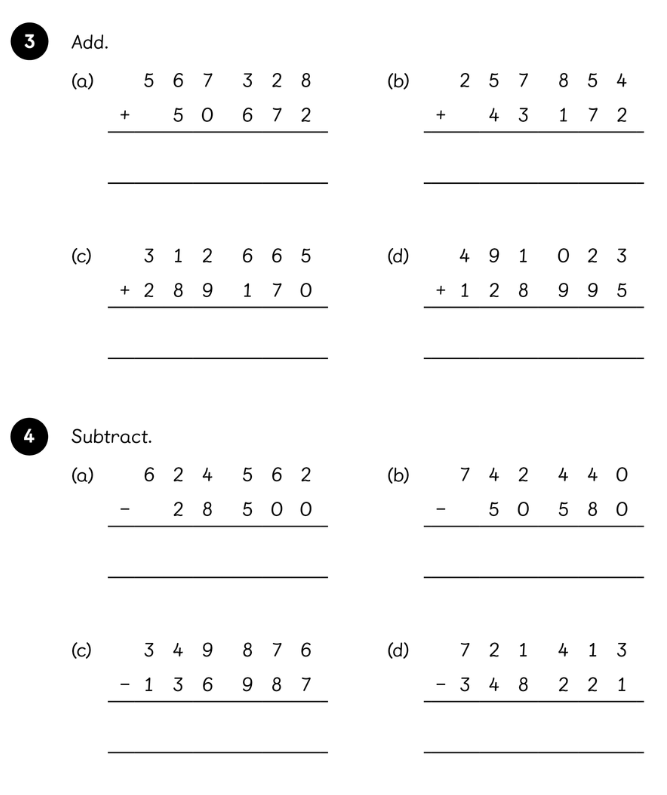
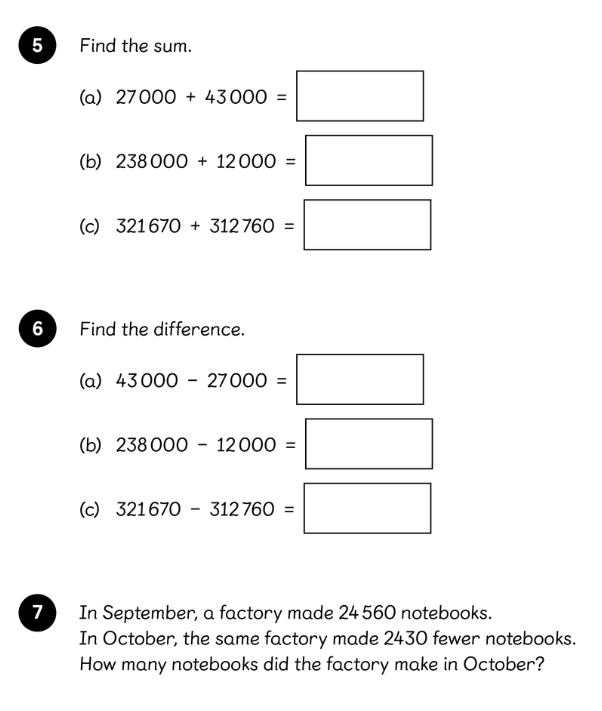
Please complete Review 2.
Adapted
23.10.26
|
Detective Chief Spellers Select 6-8 numbers from the list below:
Collect and write each word with its word ending for the numbers selected. Note: Not all endings can be added to all words. |
|||||||||||||||||||||||||||||||||||||||||||||||||||||||
|
Focus: Add the endings -ing, -ed, -er and -est to words.
Shared read the following words: ferry copy study Note that each of the above words end in the letter y.
Model that when -ed, -er and -est are added to a root word ending in -y with a consonant before it, the y is changed to an i before the ending is added. ferry ferried study studied copy copied copier
This rule can't be followed when adding -ing. Otherwise, this would result in ii. Model that when -ing is added to a root word ending in -y with a consonant before it, there is no change to the root word: ferry ferrying copy copying study studying
Teacher model: when -ing, -ed, -er and -est are added to a root word ending in -y with a vowel before it, the y is not changed before the ending is added. enjoy enjoying enjoyed obey obeying obeyed delay delaying delayed
My Turn, Your Turn play playing played happy happier happiest
|
|||||||||||||||||||||||||||||||||||||||||||||||||||||||
Practise and ApplyRoot Word Plus Ending Equals (-ing, -ed, -er, -est) enjoy ing pretty est delay ed carry er betray ed surprise ing experience ed sunny est mention ing disappear ed
Apply selected words in sentences, orally and in writing.
|

End of Unit Assessment: Forces