



Tuesday 6th October 2026
Alphabet Scrabble.
Unscramble the words below
persudae
equipmnet
ocucpy
detemrined
baragin
equpiped
governemnt
deveolp
brusie
euqip
commuincate
explanaiton
interefre
occur
Lets recap how to use a dictionary
Model:
persuade considering:
- head word
- link focus words
- use of bold print
- pronunciation
- definition(s)
- word class (where relevant)
example sentences.
Model applying the word orally in two new sentences to demonstrate meaning:
I had to persuade Ada to join the queue even though she wasn't interested in waiting.
We worked together to persuade the council to plant more trees in the park.
Clap the syllables and write the word persuade three times.
Your turn: locate the word communicate in the dictionary. Discuss the importance of the first, second and third letter in helping locate a word in the dictionary. Share definitions and any example sentences provided.
Clap the syllables and write the word communicate three times.
Practise
Fastest Finger First
Using individual copies of a dictionary, who can be the first to find the definition of the
Y5 Statutory Words:
government
develop
determined
a word of your choice and its definition.
Sticky Word Strategy:
Read, Turn, Write, Check
government develop determined
Apply words in sentences, both orally and in writing.
Tuesday 6th October 2026
LC: To identify how language, structure and presentation contribute to meaning.
Grammar Warm Up
LC: to create and correctly punctuate relative clauses with 'which'


Main:
We have looked at how
the presentation
helps our understanding of a text.
These features make the information clear and interesting to read.
How many can you name?
Discuss with your partner and make a list on your whiteboards!
1. bullet points
2.
Today we are going to focus on
language features
of effective non-fiction writing and make a toolkit.

Let's look at this text as a class to see what language features the writer uses.
Text 1

This text is to
a. explain
b. instruct
c. persuade?
Language features:
- first person to make the reader feel we are ALL included in this concern for children's health
'We all want our children to grow up to be happy, healthy adults...'
- facts to give a strong message based on evidence and medical research
'... too much stored fat in the body can lead to diseases like heart disease, some cancers and type-2 diabetes.'
- command verbs that give an instruction to the reader
'.. swap to water...'
' Switch to snacks like fresh fruit ...'
Let's add these 3 language features to our
Non-Fiction toolkit.
Text 2

This text is to
a. recount
b. explain
c. instruct?
Language Features
- second person allows the writer to talk directly to the reader using 'you'
Example
- third person to describe the process in a clear way using it/they/this
Example
' This is called precipitation.'
'The water vapour is lifted into the sky.'
- language of consequence to explain a process
When this happens .... this happens
As soon as this happens ..... this happens
If this happens .... this happens
This causes ....
Example
'
Text 3 - complete this analysis on the sheet

This text is to
a. report
b. persuade.
c. instruct?
Language Features
- Exclamations to grab the reader's attention
Example
- Dates and figures as evidence in facts
Example
- past tense verbs to report events in history now finished
Example
- third person to describe past events using them/they/it
Example
Your task for this unit is to create a
non-chronological report
about the
achievements and significance
of the ancient Greeks for
parents.
Which one of the 3 texts above will be the most similar to yours?
Adapted:
Non Fiction features:
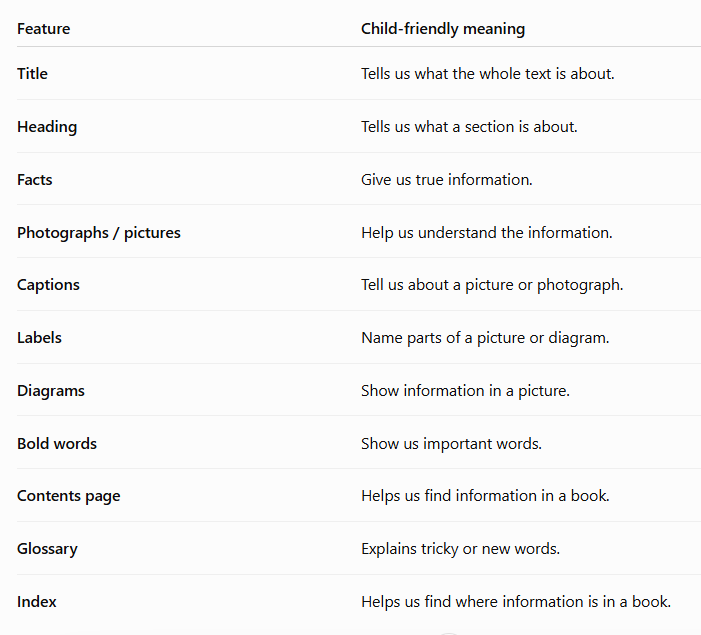
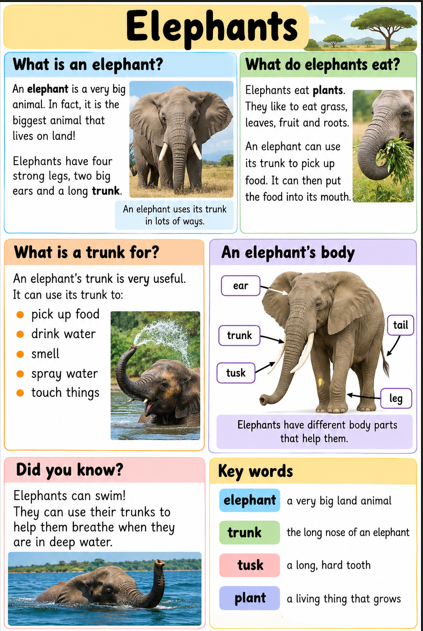
Read and label the text below with 5 features

6.10.26
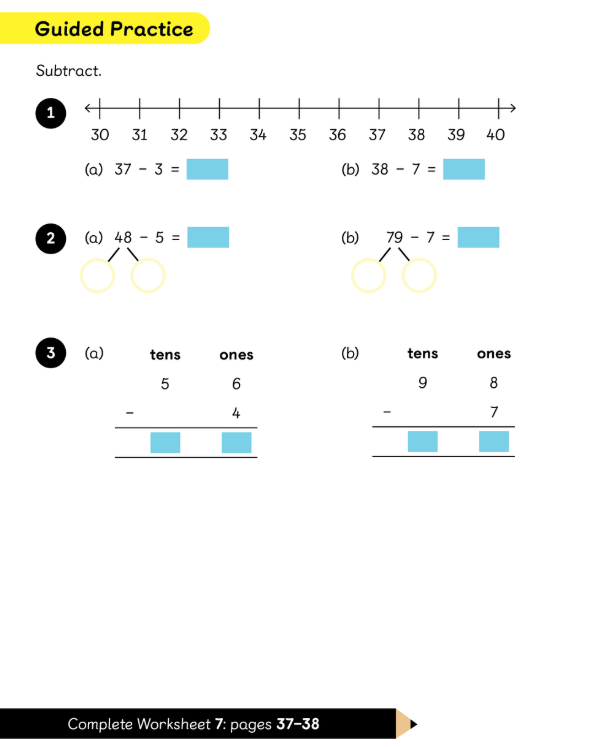
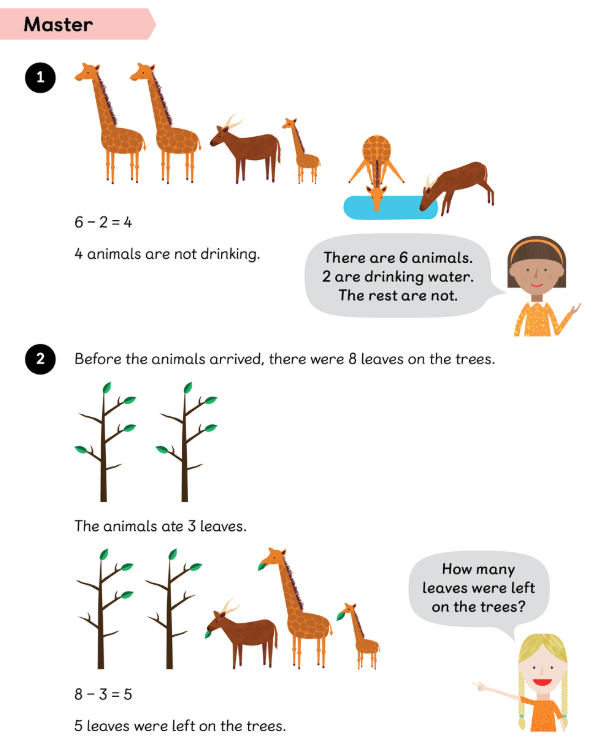
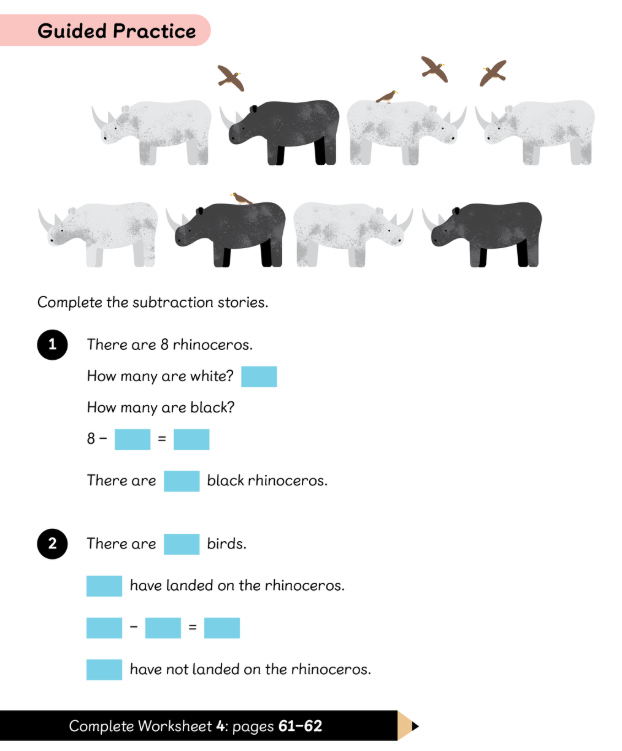
LC: To be able to use addition and subtraction to solve comparison problems with numbers to 1 000 000.
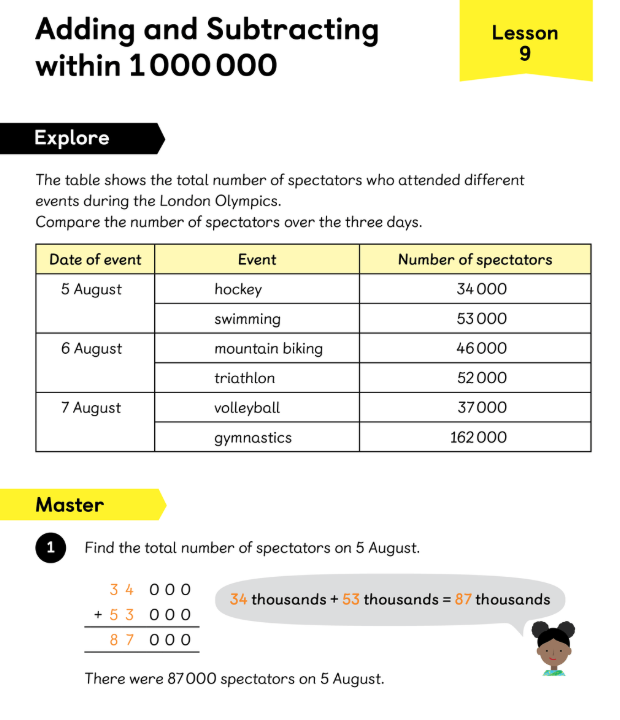
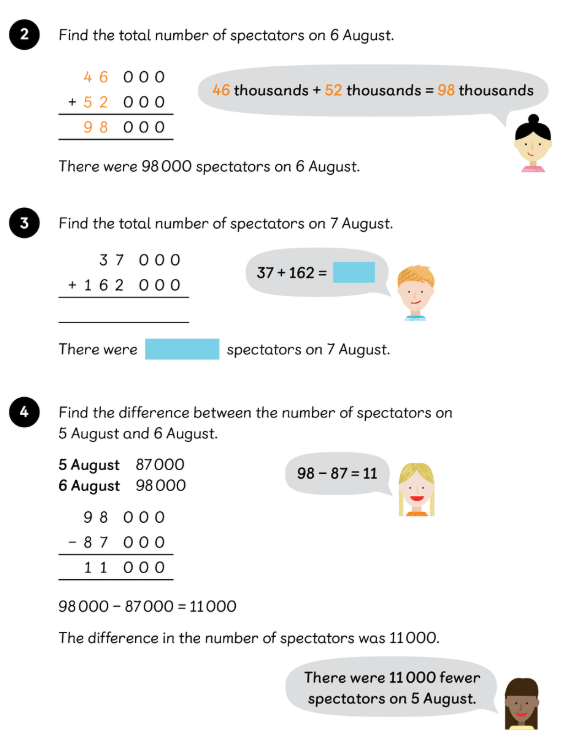
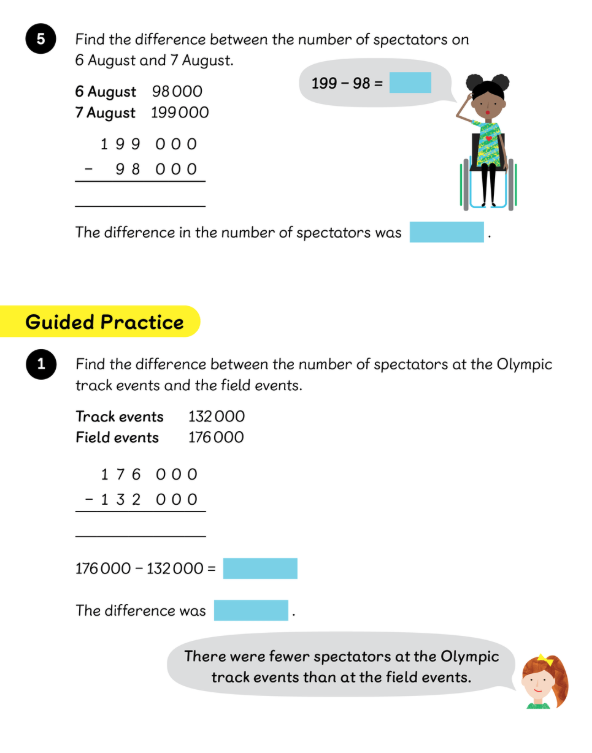
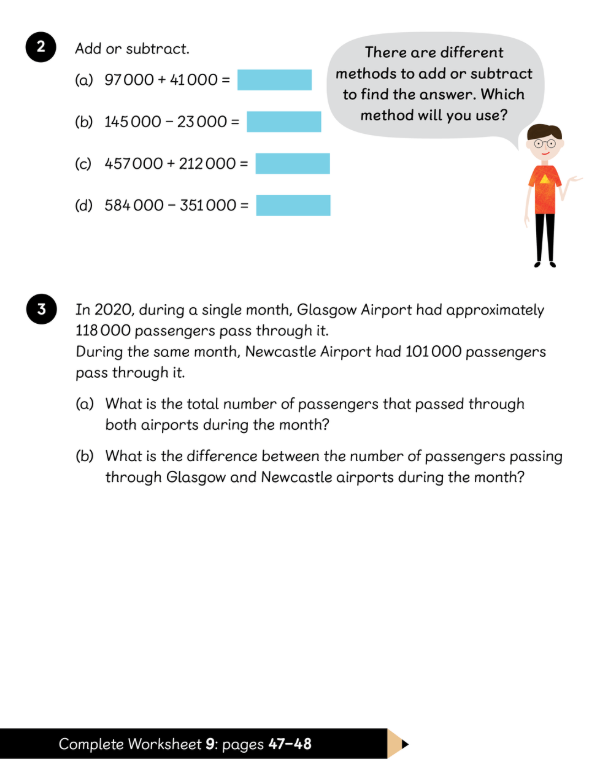
Adapted
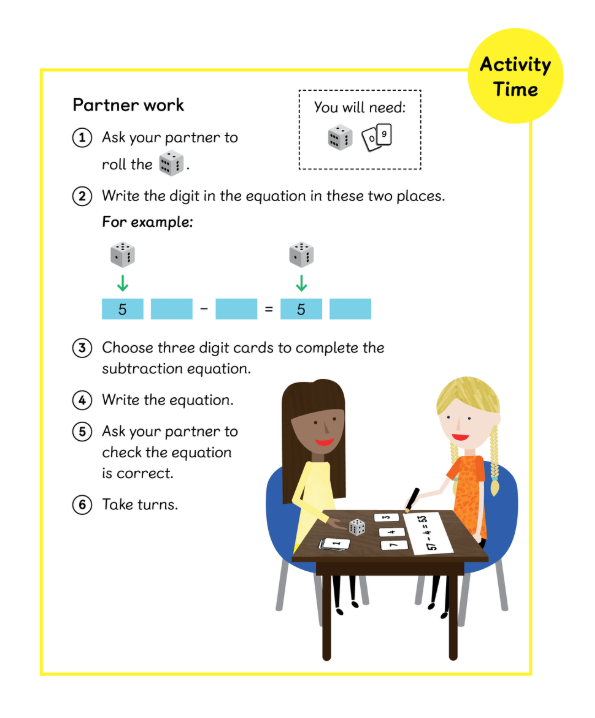
Adapted 2:

LC: To understand how Ancient Greek architecture has influenced buildings today
Architecture is the process of designing and constructing buildings.
It also refers to the style in which buildings are designed and constructed
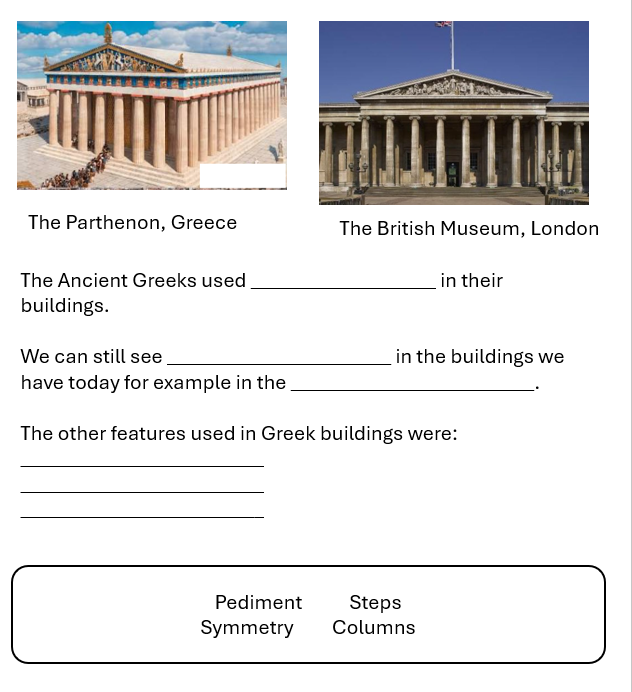
Look at the two images below, with your talk partner discuss what you notice.
What is similar?
What is different?
Which building is older?
From what time periods do you think the buildings are from?
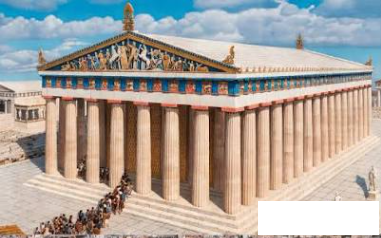
This is the Parthenon.
The Parthenon was built in Athens more than 2,400 years ago. It was a temple dedicated to Athena, the Greek goddess of wisdom.
Greek architects developed particular ways of designing buildings, including different styles of columns.
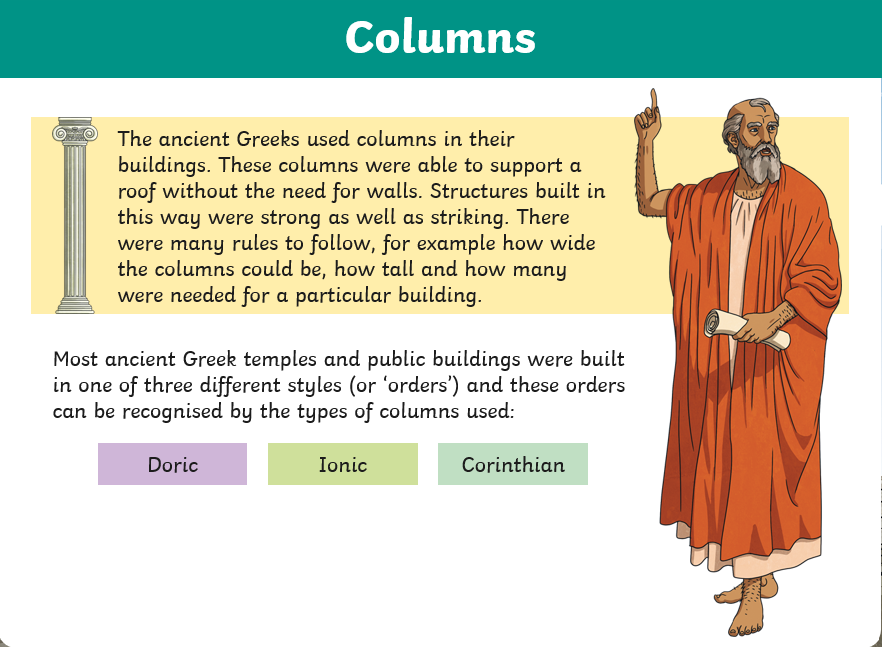
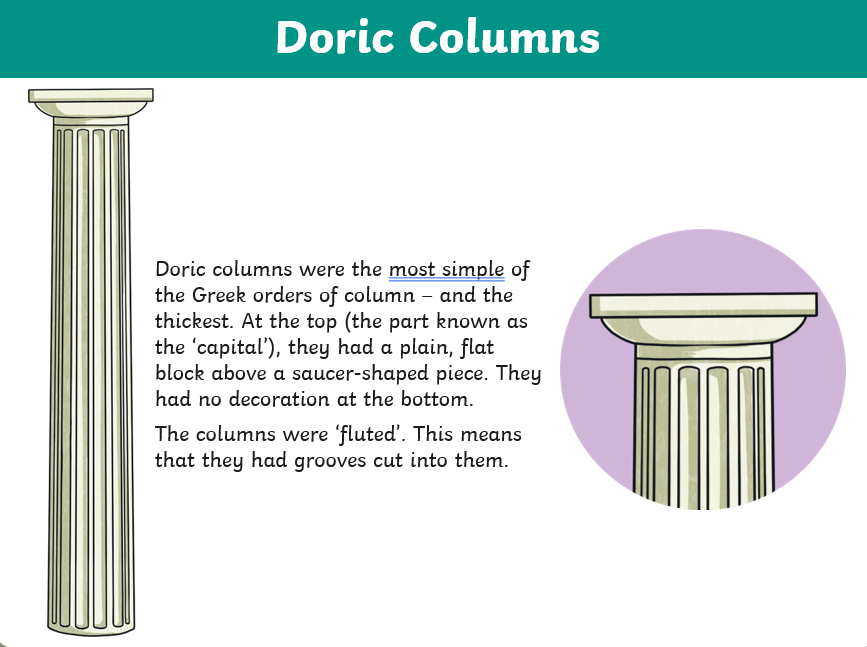
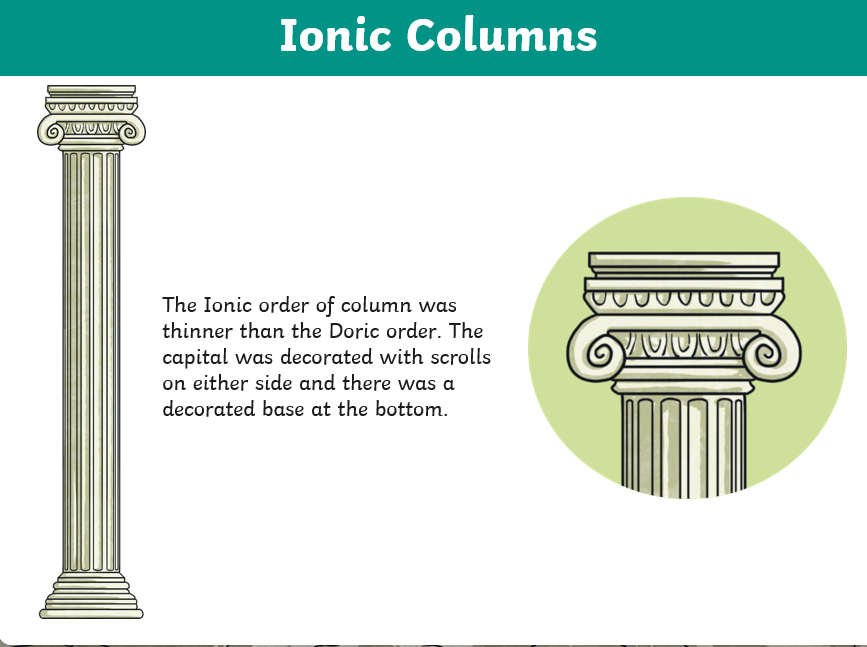
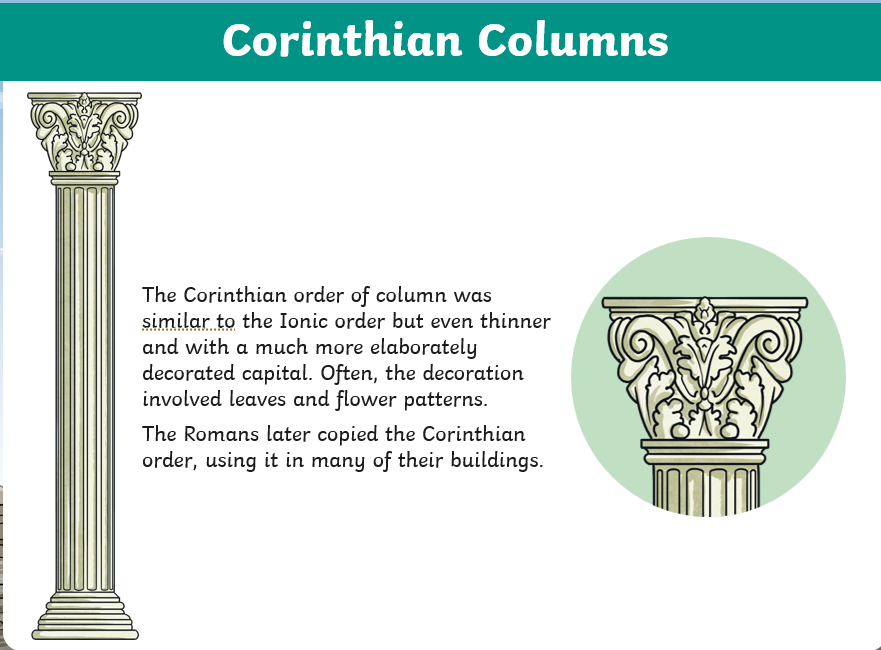
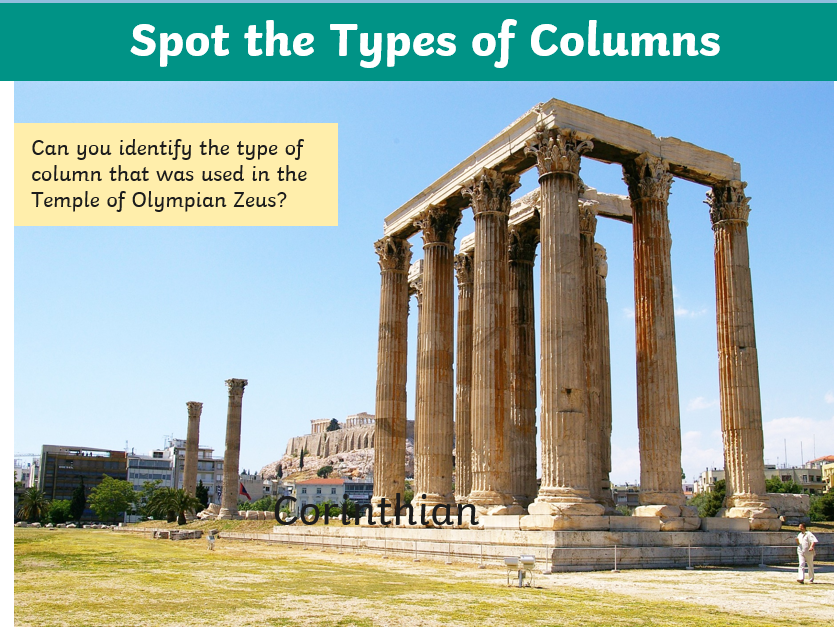
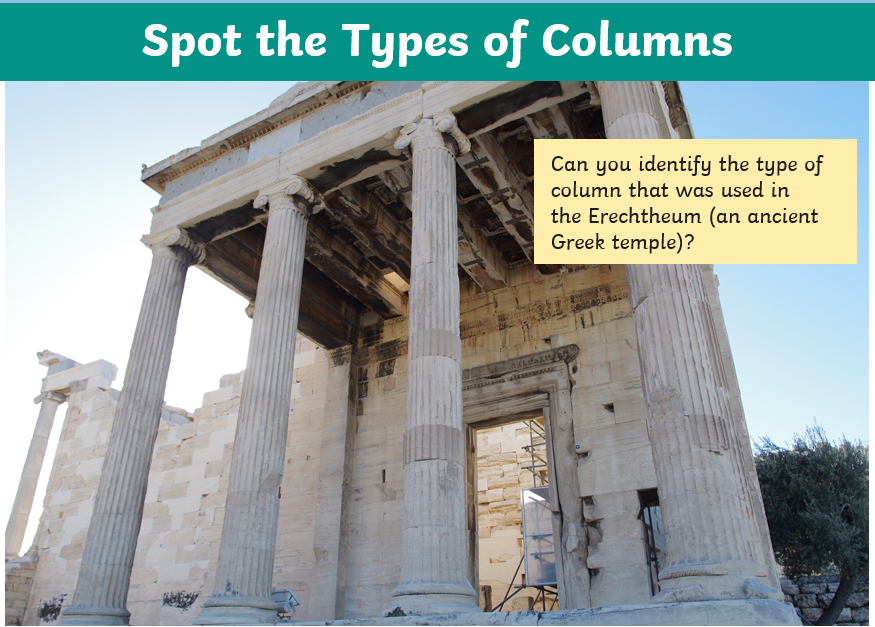
As well as columns, Greek buildings had other features too.
- Columns - Tall supports used in buildings.
- Pediment - The triangular section above the columns.
- Symmetry - Both sides of the building are arranged in a balanced way.
Lets look at some modern buildings to see what influence Greek architecture had had.
1. The British Museum, London
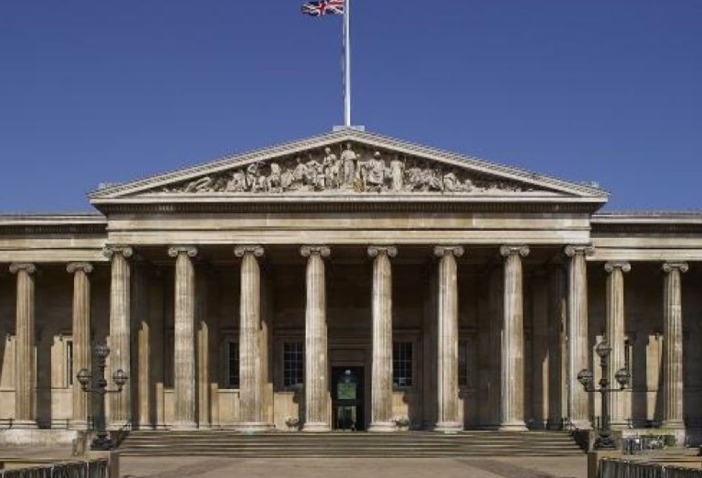
Can you identify the:
- Columns
- Steps
- Pediment
- Symmetry
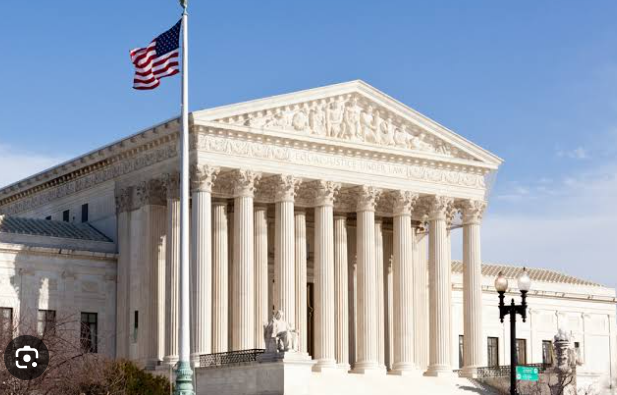
2. The US Supreme Court, USA
Can you identify the:
- Columns
- Steps
- Pediment
- Symmetry
Task
Answer this question in your History book.
'How has Greek architecture influence modern buildings?'
Use these sentence starters for support:
The Ancient Greeks used many features in their buildings such as __________________________.
These features can still be seen in modern buildings, like the US Supreme Court, which has the feature of ________________. The design of the British Museum has also been influenced by Ancient Greek architecture because it has the ________________________.
Adapted
Enjoying Our World
Big question: Do we need to own something to enjoy it?
Key message: Many of the best things our world gives us are experiences rather than possessions.
Opening – Would you rather?
Beach or woodland?
Sunrise or sunset?
Jumping in leaves or building a snowman?
Watching animals or looking at the stars?
Playing outside or watching a film?
Ask:
“What did most of those things have in common?”
They involve experiencing and enjoying our world.
Main activity – The £0 challenge
“I'm giving everyone an imaginary £0. Your challenge is to have the best possible day!”
Collect suggestions.
Possibilities might include walking, playing outside, looking for insects, watching clouds, talking with friends, listening to birds or visiting a park.
“Can something be valuable even if it doesn't cost money?”
Then explore the idea that enjoying our world also means allowing other people to enjoy it.
“Imagine there's a beautiful park. One group wants to play football. Another family wants a picnic. Someone wants to sit quietly and read. Some younger children want to play.”
Ask:
“Whose park is it?”
“Who should get to enjoy it?”
“How could everyone respect one another?”
UNCRC link
Article 12 – Respect for children's views: children have a right to express their views about things affecting them.
Article 15 – Joining groups: children have a right to meet with others and join groups, provided this does not prevent other people enjoying their rights.
Article 31 – Rest, play, culture and arts: every child has the right to relax, play and take part in cultural and creative activities.
British Values
Individual liberty – having freedom to choose appropriate ways to play, relax and enjoy the world.
Mutual respect – recognising that other people have the same right to enjoy shared spaces.
Rule of law – understanding why rules protect people, wildlife and places so everyone can enjoy them.
Pupil challenge
Give pupils the £0 Challenge:
“Before our next assembly, can you enjoy something wonderful about our world that costs absolutely nothing?”
Examples: notice a sunset, listen to birds, look closely at a tree, watch clouds, go for a walk or play outdoors.
Reflection
“Sometimes we are so busy looking for the next thing we want that we forget to enjoy what is already around us.”
Pause for ten seconds.
Take-away: We don't have to own our world to enjoy it.