


Thursday 8th October 2026
Spelling detectives
Write the numbers 1-10 in your spelling journal. Now find the words for each number, each time returning to your seat and writing the word from memoryFocus: Check spelling and meaning in a dictionary with a focus on Y5 Statutory Words.
Model:
Locate the following word in the dictionary: equip.
What is the importance of the first, second and third letter in helping locate a word in the dictionary.
Read aloud the definition. Discuss the word class and any example sentences provided.
To prepare for the storm, the team worked hard to equip the shelter with food and blankets.
Our coach tried to equip us with the knowledge to play the game safely.
Clap the syllables and write the word equip three times.
Y5 Statutory Word equipped, e.g.
I was well equipped for the hiking experience.
Our classroom is now equipped with new laptops.
Ask, what happens to the word equip to change it into the past tense? (The consonant p is doubled before the -ed ending is added - equipped).
Y5 Statutory Word equipment, e.g.
The P.E. cupboard is full of sports equipment.
Before setting off on their journey, the explorers checked all their camping equipment.
The word equipment is a noun; whereas equipped is a verb. Both come from the root word, equip.
Clap the syllables and write the words equipped and equipment three times.
Practise and Apply
Dictionary Race
occupy
bargain
interfere
bruise
occur
explanation
Generate two sentences, orally and in writing, using some of the words above and record in spelling journals.
Thursday 8th October 2026
LC: to use note-taking, skimming and scanning skills to record information from a text.
Grammar Warm Up
LC: to identify adverbials in a paragraph
Look at the paragraph below.
Can you identify the adverbials of place that have been used to link ideas across the paragraph?


Highlight the adverbials of place.

Write one sentence on your whiteboard to describe the theatre above using an adverbial of place.
For example:
Around the side of the stage were the seats.
At the top
In the middle
Around the sides
Main:


Ancient Greece was one of the most sophisticated civilisations in the ancient world. When we talk about ancient Greece, we usually mean the years between 800BC and 146BC when there was a lot of scientific, cultural and social progress.
Ancient Greece is often called 'The birthplace of Western Civilisation' because we still follow a lot of its philosophy, architecture and culture today. Ancient Greek literature and poetry is still popular today; school children worldwide still study the vast range of Greek myths which feature mythical monsters, heroes and Greek Gods. The Olympic Games, which began in 776BC as a religious festival to honour Zeus, took place every 4 years for over 1000 years! Today, it is a globally celebrated ceremony that is watched by millions of people all over the world.
Note-taking to answer a question
- read question carefully and underline key words
- include only relevant points in your notes that are relevant to your question


Remember to follow your teacher's model!
Adapted:
LC: To discuss a non fiction text and listen to others.
Greek Toys
A long time ago, Greek children had toys.
They liked to play games and have fun.
They had tops, rattles and pull toys.
They also had a toy like a yo-yo.
Some children played with small bones. They tossed them in a game, a bit like we toss dice today.
Greek children had some toys that were like our toys today.
Write simple notes about Greek toys.
For example:
Greek toys: tops, rattles and pull toys.

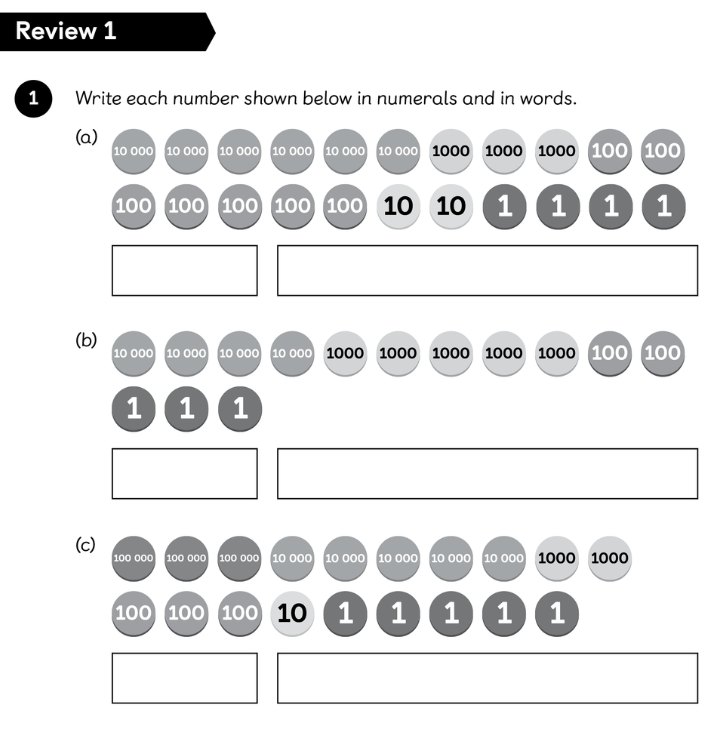
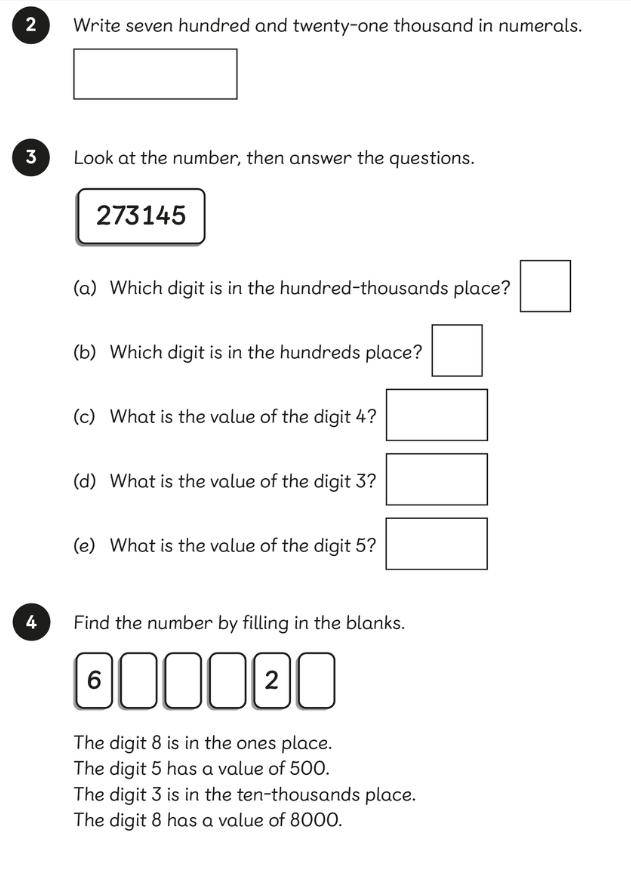
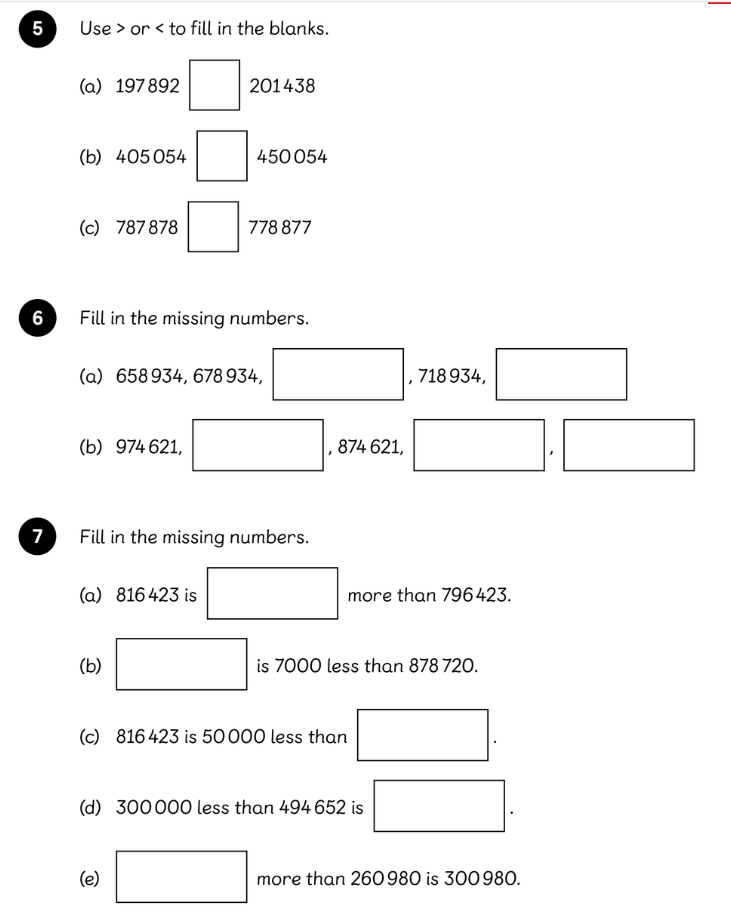
Complete your review.
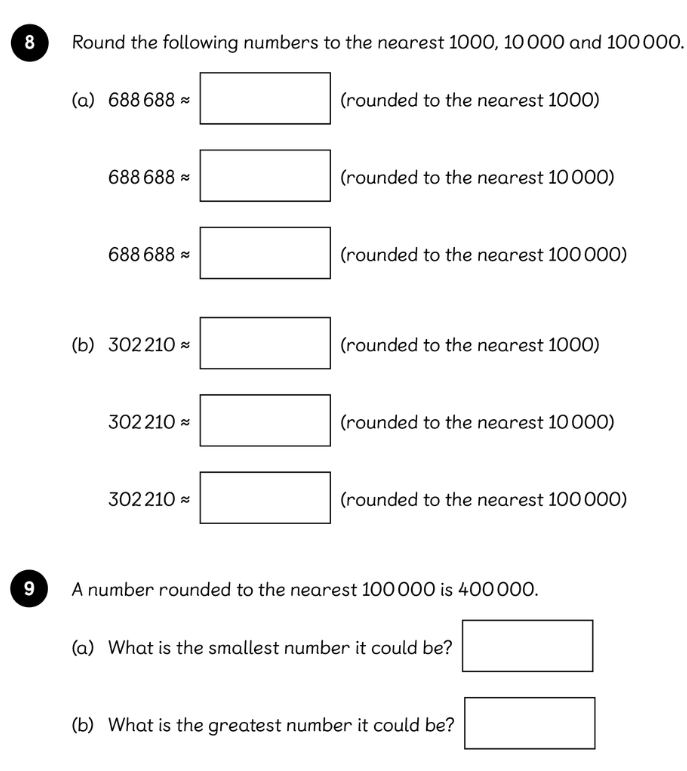
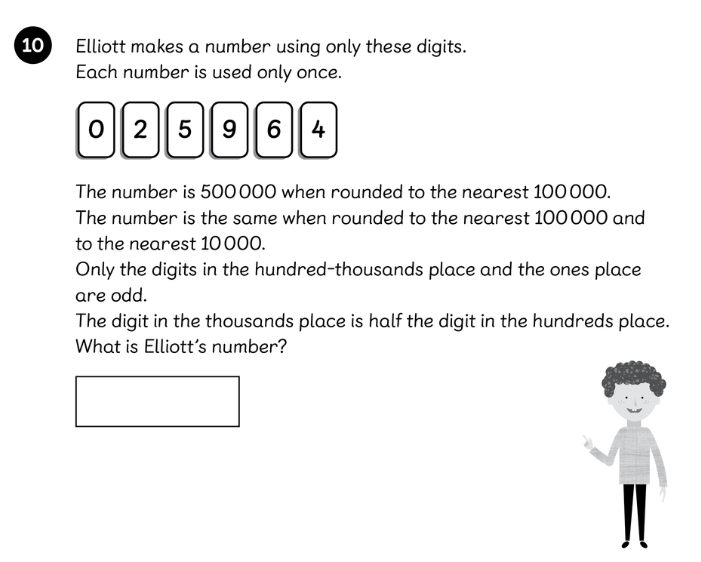
Adapted
Complete your review.
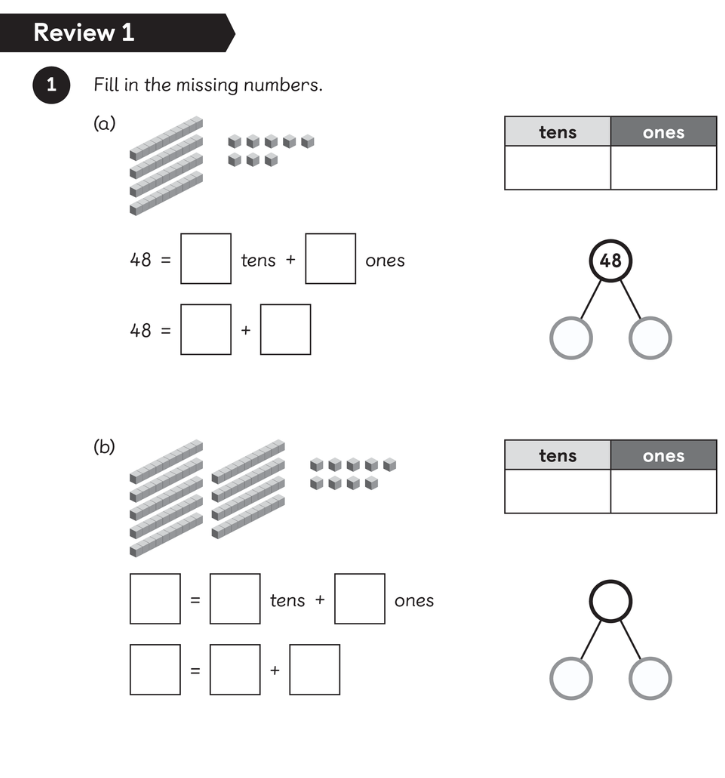
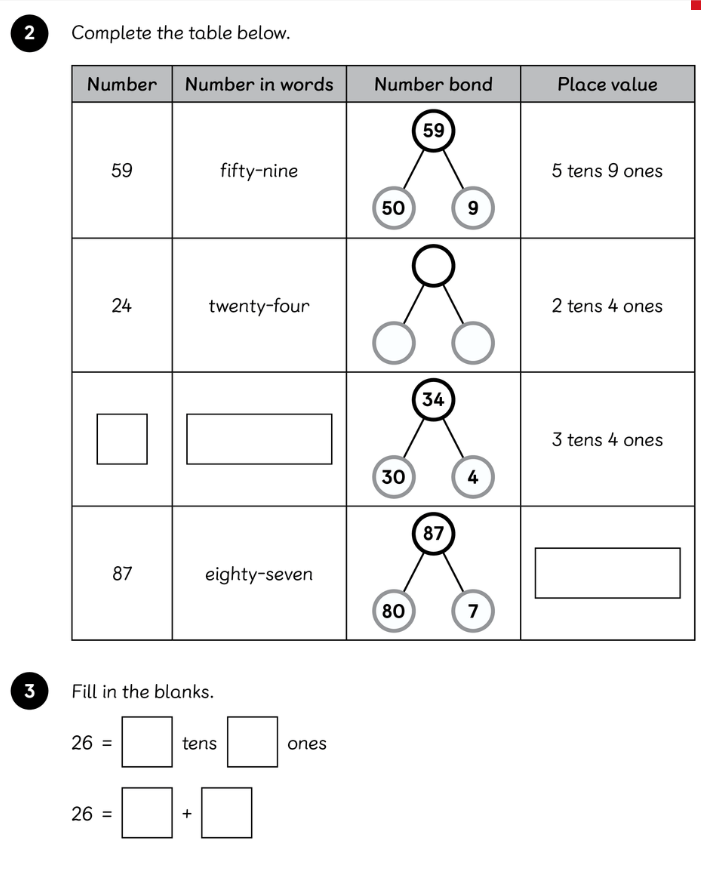
Adapted 2:
Buddhism & Hinduism: Non-Harming to All Life
Big question: How far should we go to avoid harming living things?
Key concept: Ahimsa – non-harming/non-violence
Key message: Hindu and Buddhist traditions include important teachings about avoiding harm and showing compassion towards living things. Individual Hindus and Buddhists may understand and practise these teachings in different ways.
Opening – The tiny visitor
“Imagine a spider appears on the classroom floor.”
Give three choices:
A: Squash it.
B: Ignore it.
C: Carefully move it somewhere safe.
Ask children to explain their reasoning.
Then change the creature: an ant, fly, bee or worm.
“Does the animal make a difference to your decision? Why?”
Ahimsa, commonly translated as non-violence or non-harming.
Hinduism
Explain that ahimsa is an important principle within Hindu traditions. It encourages avoiding unnecessary harm to living beings.
Ask:
“If someone believes that life should be treated with care, how might that affect their everyday choices?”
Children might suggest:
- how they treat animals
- what they eat
- how they treat other people
- avoiding violence
- caring for nature.
Emphasise that Hinduism is diverse: Hindus do not all make identical choices or practise their religion in exactly the same way.
Buddhism
Compassion and avoiding harm are also important within Buddhist traditions.
One of the Five Precepts followed by many Buddhists concerns refraining from taking life. Buddhist teachings about compassion encourage consideration of the suffering of other living beings.
Ask:
“Is not harming something the same as being kind to it?”
Explore the distinction.
Not harming someone is one step; actively helping them can go further.
The challenging question
Present this scenario:
“You find a snail eating the vegetables you've spent months growing.”
Ask:
“What could you do?”
Encourage several solutions rather than searching for one “correct” answer.
Then ask:
“Which solutions cause the least harm?”
This allows pupils to apply the religious concept rather than simply remembering a definition.
UNCRC link
Article 14 – Freedom of thought and religion: children have the right to their own thoughts, beliefs and religion, with appropriate guidance as they grow.
Article 29 – Aims of education: education should teach children to respect other people's rights, cultures and differences.
Article 30 – Minority culture, language and religion: children have the right to use their own language, culture and religion.
British Values
This assembly provides an especially strong link to mutual respect and tolerance of those with different faiths and beliefs.
Pupils encounter beliefs from Hindu and Buddhist traditions respectfully without being expected to adopt those beliefs themselves. This also connects with individual liberty and the freedom to hold religious or non-religious beliefs.
Government guidance specifically identifies understanding that freedom to hold different faiths and beliefs is protected and that people with different beliefs — or no religious belief — should be accepted and respected.
Final reflection – The smallest life
Ask pupils to picture a tiny living creature — perhaps an ant, worm, butterfly or ladybird.
“It may be tiny. It may not be able to speak to us. But does that mean its life has no value?”
Then broaden the thought:
“How might our school be different if, before we acted, we regularly asked: Could my choice cause harm? Is there a kinder choice?”
Finish with a moment of quiet reflection.
Take-away: Ahimsa challenges us to think carefully about the effect our actions have on other living things.