



Wednesday 30th September 2026

RIC
Education
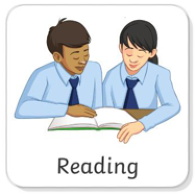
From the ages of seven to fifteen, boys in most ancient Greek city states went to school, where they learnt to read and write. In school, boys mostly wrote using a stylus on a tablet. This was a wooden frame filled with beeswax. When they wanted to start again, they held the wax near to the fire so it melted away what they had written. They were also taught music, maths and physical skills, like using a bow and arrow and a sling, wrestling and swimming. In most city states, girls did not attend school. Some were taught to read and write at home. In many cases, girls were only taught the skills they would need for looking after a family, such as cooking and making clothes.
R - What were they taught in school?
I - Do you think the boys would take care when writing? Why?
C - Why is 'stylus' written in bold in the text?
Main
LC: Recommend a book that I have read to my peers, giving reasons for my choices.
Today you are going to write a more detailed book review about a book that you have previously read.
I am going to write a book review for the Storm Breaker.
First of all I’m going to write the book and the author’s name.
Storm Breaker
by Anthony Horowitz
Next, I’m going to tell the reader who and what my story is about, but not give away too much of then plot, otherwise they won’t need to read it!
Then I’m going to tell the reader what makes it a great book, and why I recommend it.


Adapted
Grammar Warm Up
LC: to identify clauses with 'which' and to understand where these go in a sentence


Adapted:
30.9.26
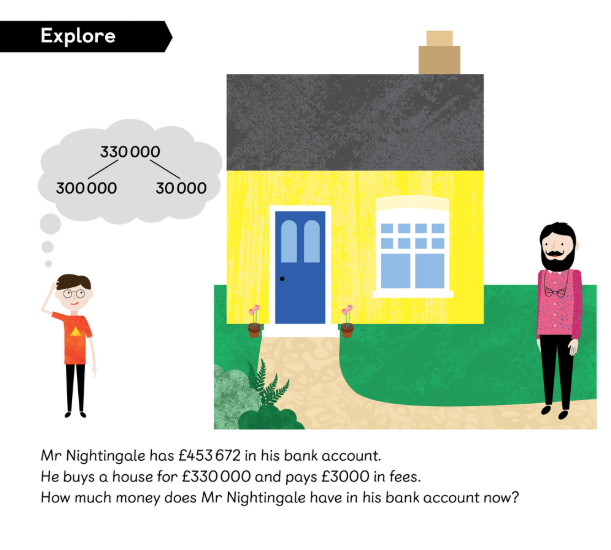
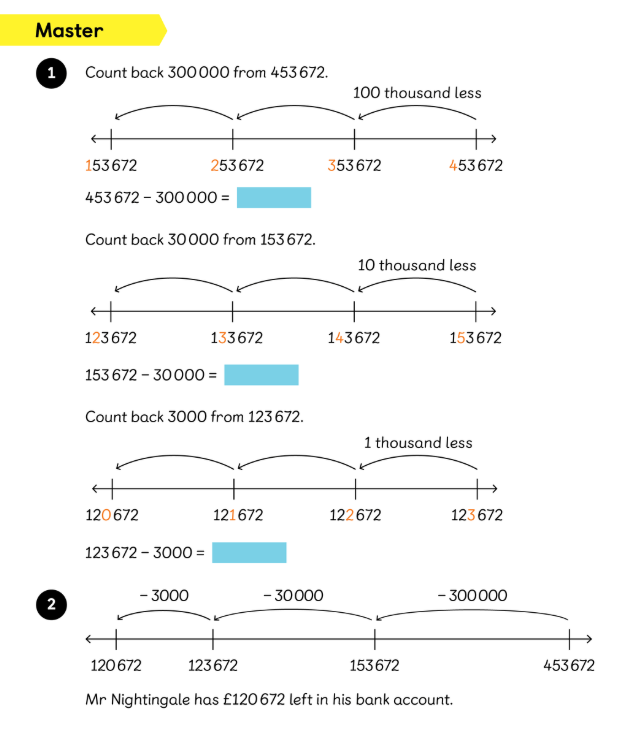
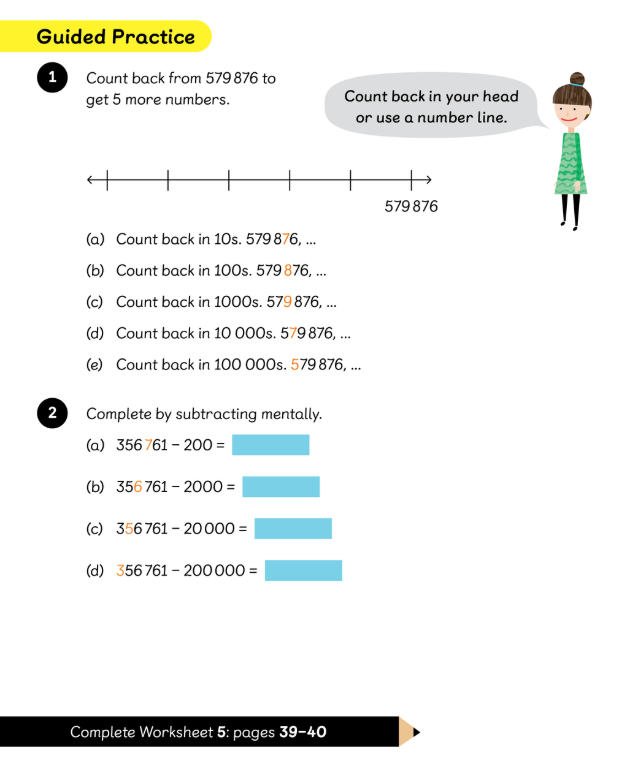
LC: To be able to subtract using the 'counting backwards' strategy with concrete materials.

Adapted:
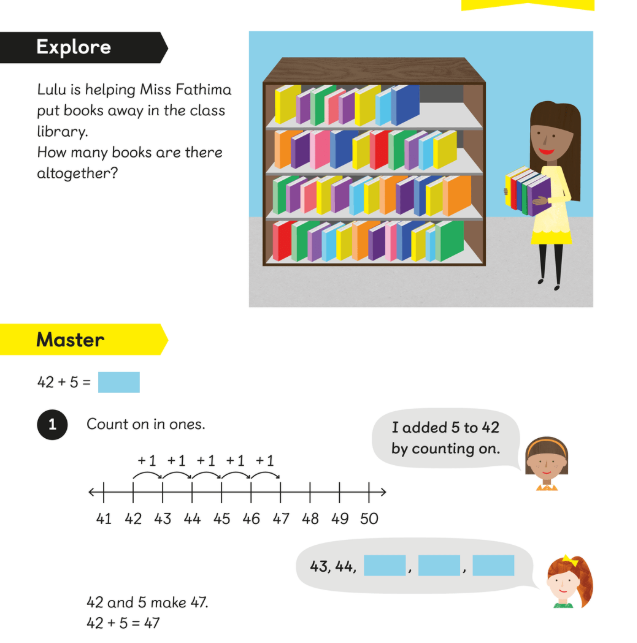
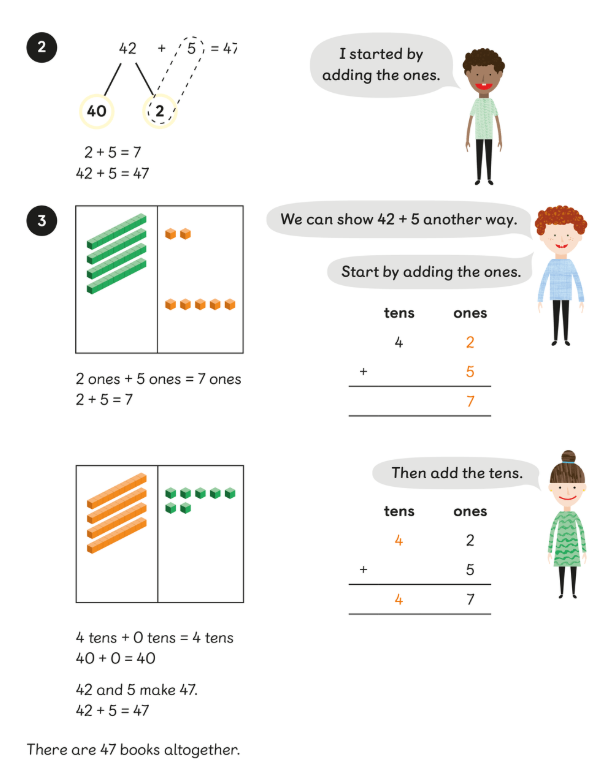
LC: To be able to add a 2-digit number and ones without renaming.

Wednesday 30th September 2026
LC: To know the effect of air resistance.
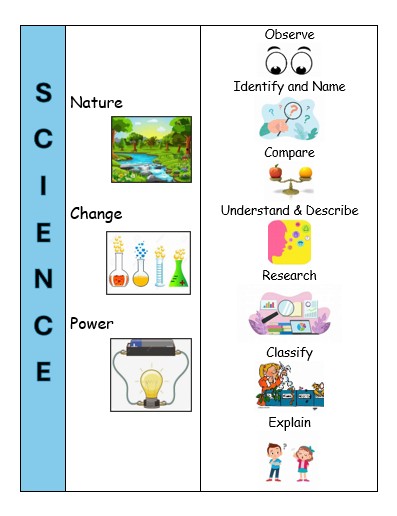
Using our plan we will investigate the effects of air resistance.

Record your results from your fair investigation.
Now in your own words discuss you findings.
Challenge: Can you explain why the results are different for a sheet of paper and a crumpled paper. Try and use the key words gravity, air resistance and surface area in your explanation.
Adapted:
Conduct a simple experiment and time which paper hits the ground fastest.
Title:
Investigating the Effect of Air Resistance on Falling Paper
Aim:
To find out whether air resistance affects how quickly a flat piece of paper falls compared to a scrunched-up piece of paper.
Hypothesis/ prediction
I think the flat paper will fall more slowly because it has a larger surface area, which increases air resistance. The scrunched paper will fall faster because it has less surface area.
Equipment:
- 1 sheet of A4 paper (flat)
- 1 sheet of A4 paper (scrunched into a ball)
- Measuring tape or ruler (to measure 1.5 metres)
- Stopwatch
- A helper (to time the drops)
Method:
- Measure a height from the ground.
- Hold the flat paper at this height and drop it.
- Use the stopwatch to time how long it takes to reach the ground.
- Repeat the drop three times and record the times.
- Do the same for the scrunched paper.
- Compare the average times for each type of paper.
Results Table Example:
|
Paper Type |
Drop 1 (s) |
Drop 2 (s) |
Drop 3 (s) |
|
|
Flat paper |
||||
|
Scrunched paper |
Conclusion:
Scientific Explanation:
Adapted:
Have a go at the experiment
Use a timer.
How long did it take to reach the ground?
Wednesday 30th September 2026
LC: To recognise the importance of respectful online behaviour.
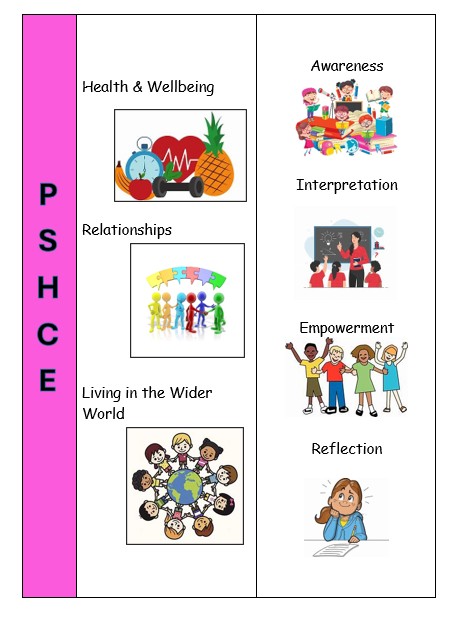

Let's click on the below image and l learn about respectful online behaviour.
Make sure you join in with the discussions so that you can do well on the quiz at the end!
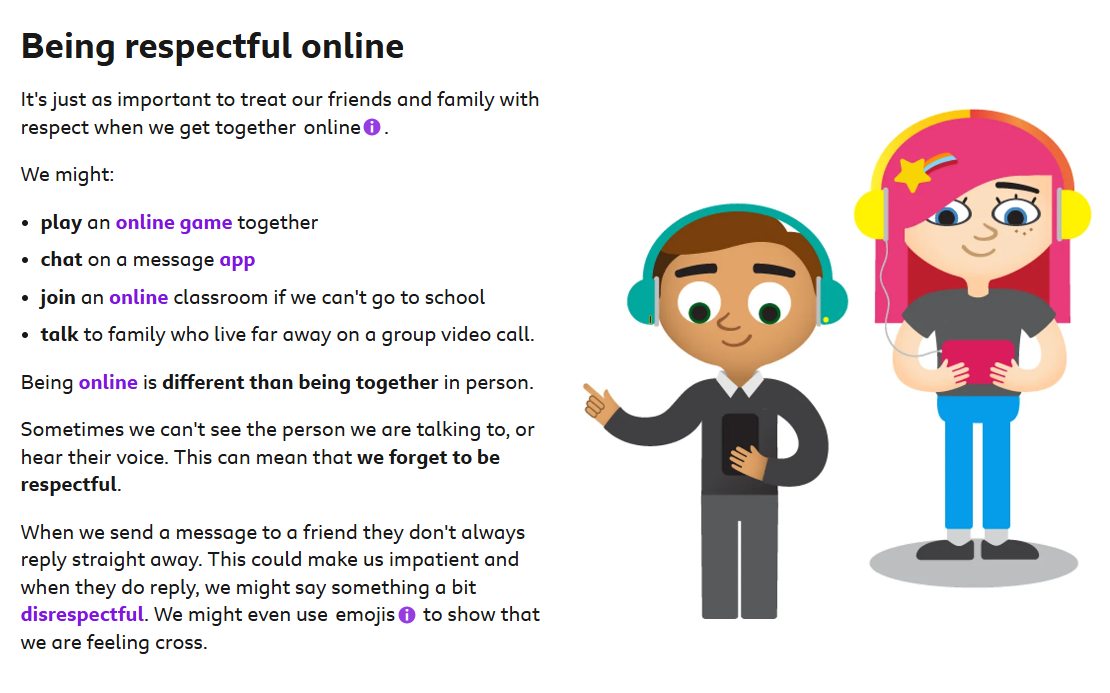
Respectful Online Behaviour and Disrespectful Online Behaviour.
work in pairs to write or examples of kind and unkind online messages.
Reflection question: Why is it important to be kind and respectful online?
We will create a shared class promise:
"When we are online, we will..."
Disability doesn't tell you what somebody can do
Big idea: We often make assumptions about ability from what we can see.
“This person cannot walk.”
“This person cannot speak using their voice.”
“This person cannot see.”
After each, ask: “What else do we know about this person?”
The important answer is: almost nothing.
Not being able to walk doesn't tell us whether somebody can write a novel, solve an equation, tell a brilliant joke or be a good friend. Not being able to speak aloud doesn't mean somebody has nothing to say.
Interactive activity — “Can / Can't / Don't Know”: Give statements about an imaginary child, Sam: “Sam uses a wheelchair.” Then ask:
- Can Sam play sport?
- Can Sam be brilliant at maths?
- Can Sam go on holiday?
- Can Sam become a scientist?
- Can Sam need help opening a heavy door?
For most questions, the correct response is “We don't know.”
Discuss visible and non-visible disabilities in age-appropriate language. Explain that we shouldn't expect somebody to prove or explain a disability to us.
Key message: A disability tells us something about a person's needs or experiences. It doesn't give us a complete picture of their abilities.
Reflection: “How could assumptions sometimes become a bigger barrier than a staircase?”