



Thursday 1st October 2026
Can you check the sentences below, check if the inverted commas for speech have been used correctly? If it is incorrect, write the sentence out correctly using mark-up.
1.The flight to Berlin “leaves at 10 o’clock,” said the man.
2. “We’re going to the theme park!” the little boy exclaimed.
3. Watch out for that puddle! “Dad yelled.”
4. “I can’t wait for the summer holidays, said” Amy.
Thursday 1st October 2026
LC: to appraise texts that are structured in different ways and to identify their functions.
Grammar Warm Up
LC: to create relative clauses with 'which'
Choose the best way to complete these sentences:
1. My sister's hair is curly which.....................................................................
.........................................................................................................................
2. The movie, which ........................................................................................................
................................................................................................................................, was very exciting.
3. Oranges, which ..........................................................................................................
............................................................................................................................., are full of vitamin C.

Can you think of other ways of completing the 3 sentences?
Main:
What do you remember from your Year 4 learning about volcanoes?
Tell your talk partner 5 facts about volcanoes!


You are going to look at some non-fiction texts about volcanoes and discuss with your group.
- Who is the audience? (who is the intended reader - age/background/gender/interests)
- what is the purpose? (why has it been written? To instruct/persuade/explain/report/inform/recount)
Here are the different non-fiction text types to help you. Which one of the text types below best suits your text?

INSTRUCT


EXPLAIN


Make notes in your books with your group and prepare to share your findings with the class.
Adapted:
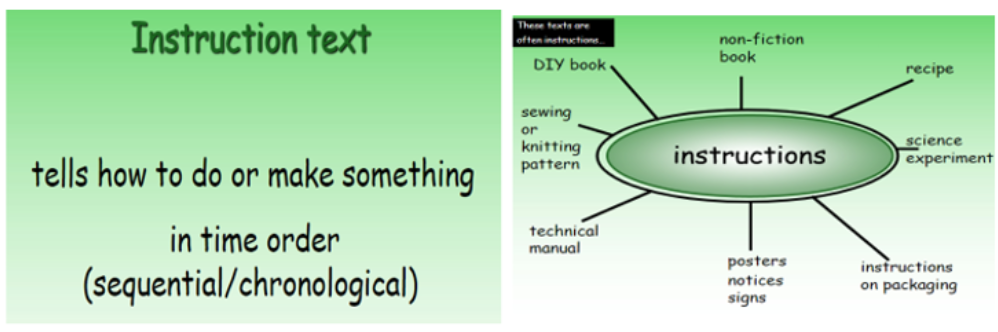
LC: To identify the features of an instruction text.
How to Make a Jam Sandwich
You will need:
- 2 slices of bread
- jam
- butter
- a plate
- a knife
Instructions
- Put two slices of bread on the plate.
- Spread some butter on each slice.
- Add a spoonful of jam.
- Spread the jam carefully over one slice.
- Place the other slice of bread on top.
- Cut the sandwich in half.
- Enjoy your tasty jam sandwich!
Features to spot
Identify the title, equipment list, numbered steps, command verbs (put, spread, add, place, cut)
Have a go at:
making a Jam sandwich

01/10/26
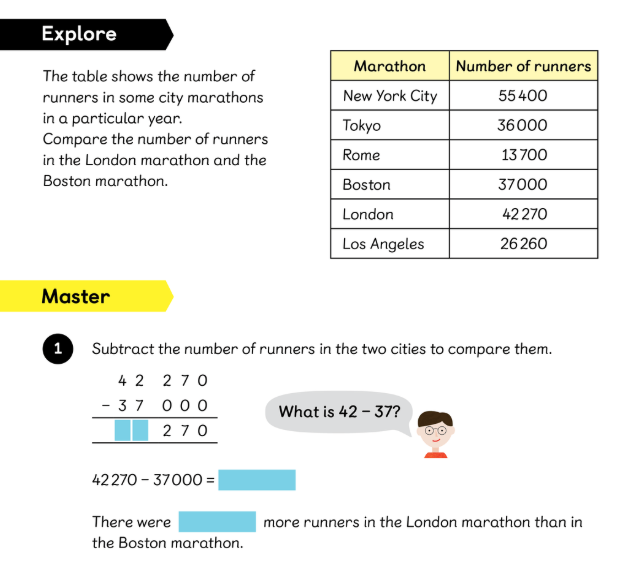
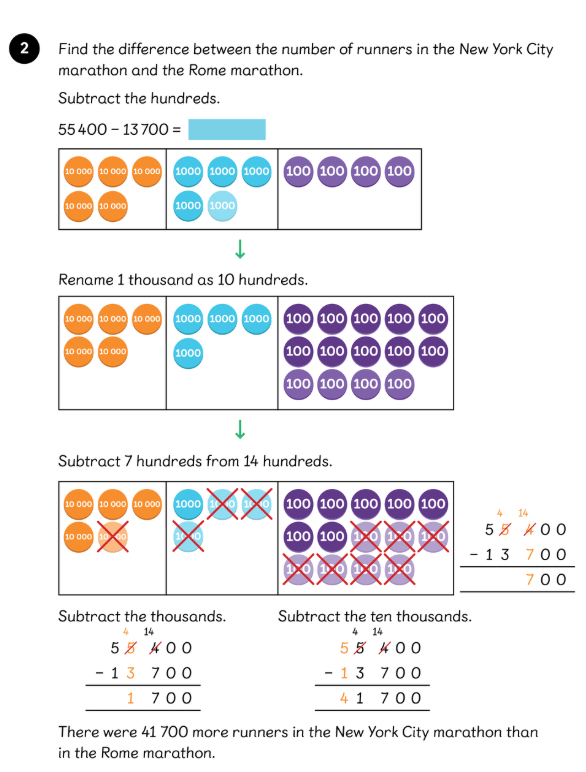
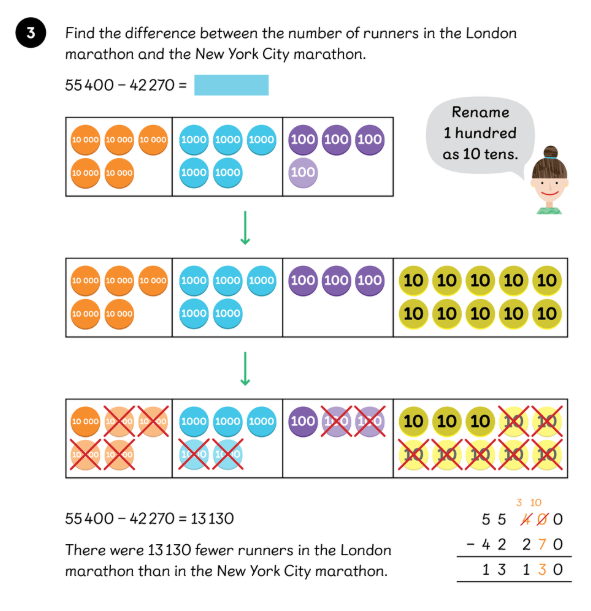
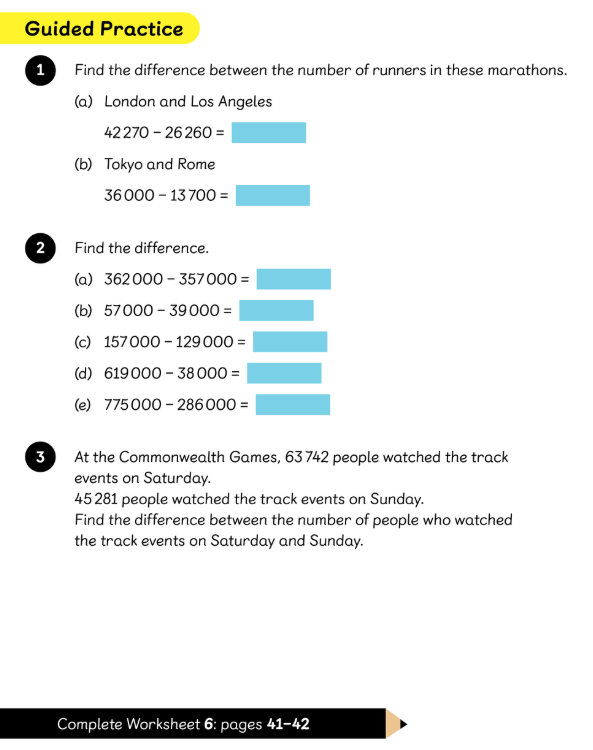
LC: To be able to subtract using the column method and place-value counters using numbers to 1 000 000.
Adapted
Stephen Hawking: disabled or most able?
Big idea: The question itself creates a false choice: a person can be disabled and extraordinarily able.
Hawking was a scientist who studied enormous questions about the universe, including black holes. As a young adult, he developed motor neurone disease. Over time, he became increasingly physically disabled and eventually communicated using technology.
Ask pupils: “If you had met Professor Hawking without knowing who he was, what might you have assumed?”
Show how technology enabled communication. You could have a volunteer sit silently while another pupil asks them a question. Give the volunteer a card containing a sentence but allow them to reveal only one word every five seconds. Afterwards ask: “Was their thinking slow—or was communicating their thinking slow?”
That's an important distinction for Year 5.
Return to the title: “Stephen Hawking: disabled or most able?”
Ask pupils to vote initially for:
- Disabled
- Able
- Both
- “It's the wrong question.”
Discuss why both can be true. Hawking had significant disabilities; describing those accurately doesn't diminish his achievements. Equally, his exceptional scientific abilities didn't make his disabilities disappear.