



Wednesday 24th June 2026


Wednesday 24th June 2026
LC: Identify and explain how meaning is enhanced through the author's choice of words and phrases.

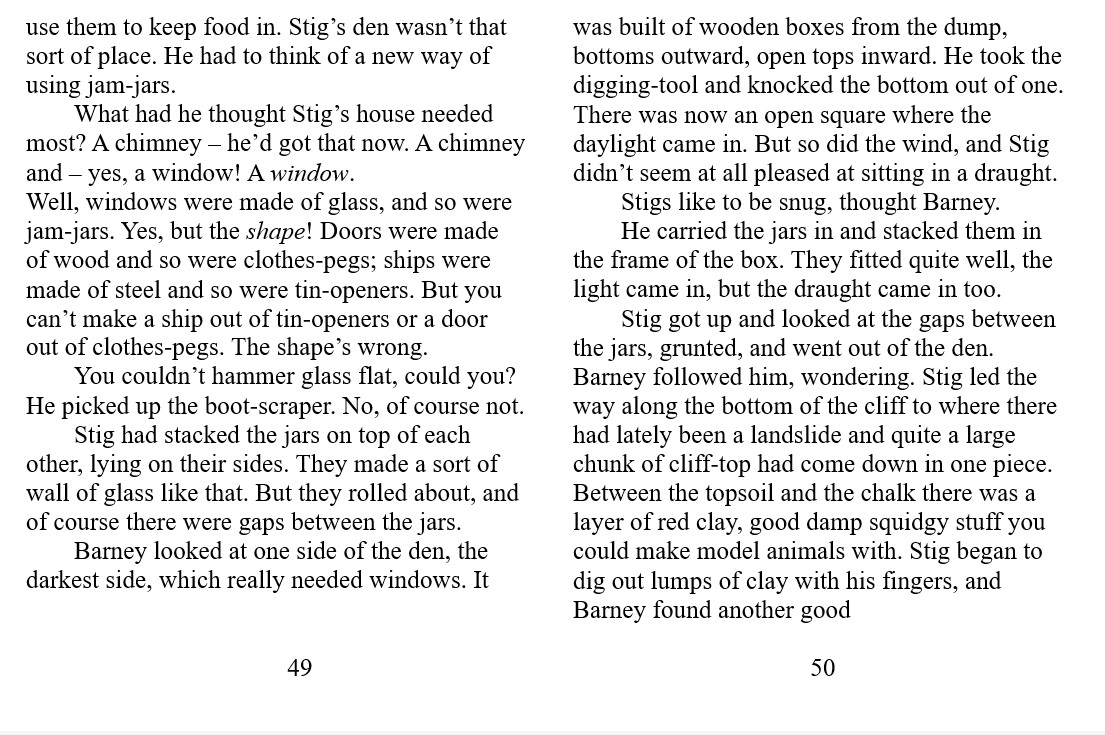
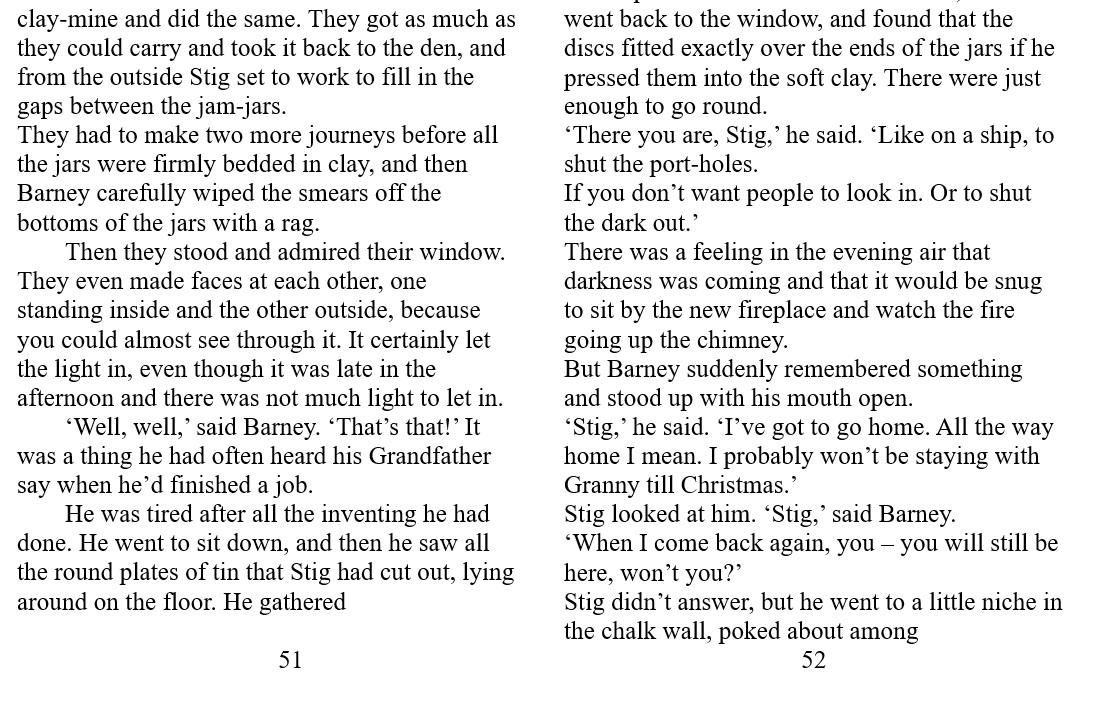
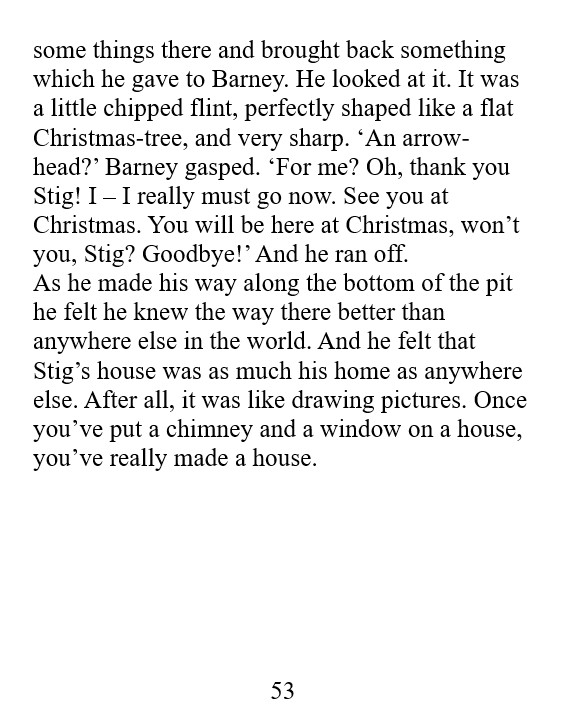
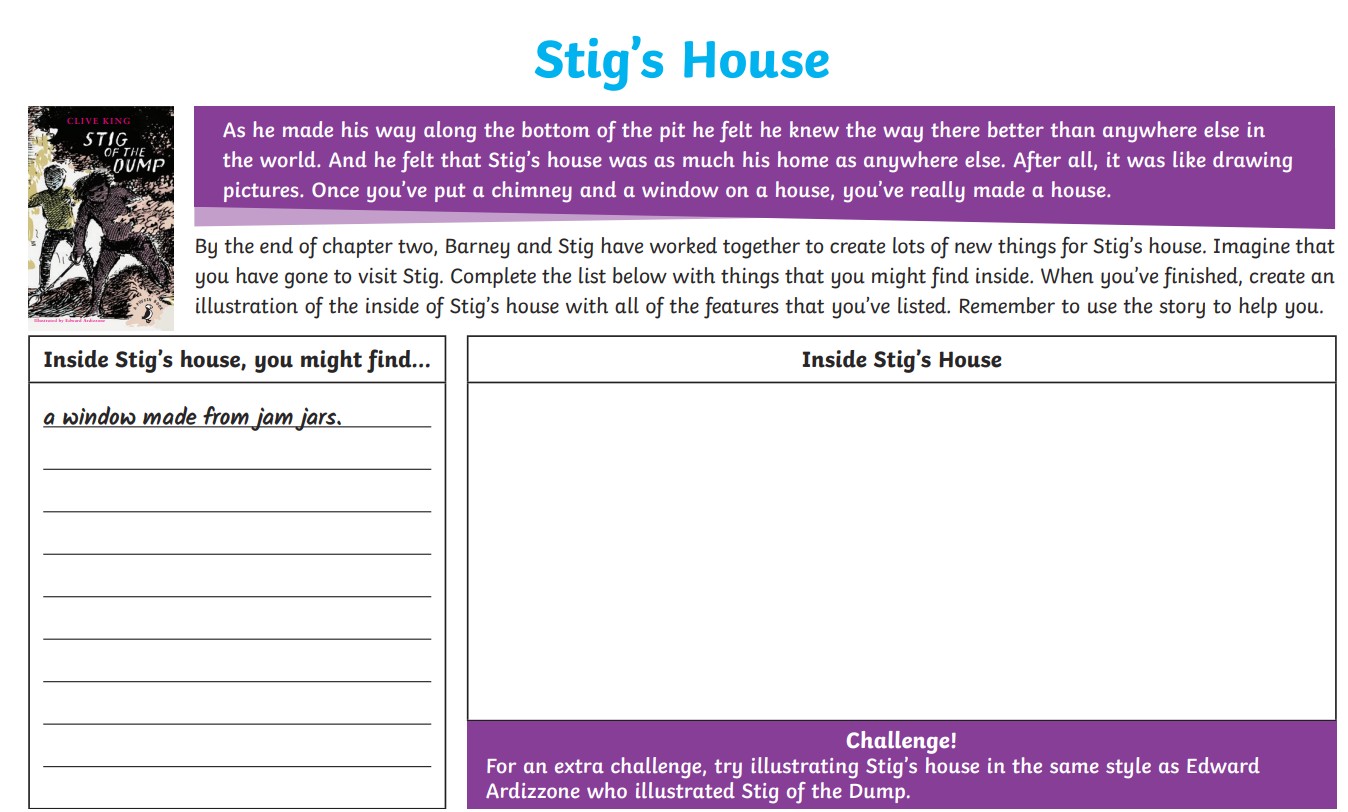
Adapted 1
LC: Make inferences using clues in the text
Can you remember what happened in the part of the story you read on Monday? Tell your teacher.
Now read the next part aloud with your teacher.
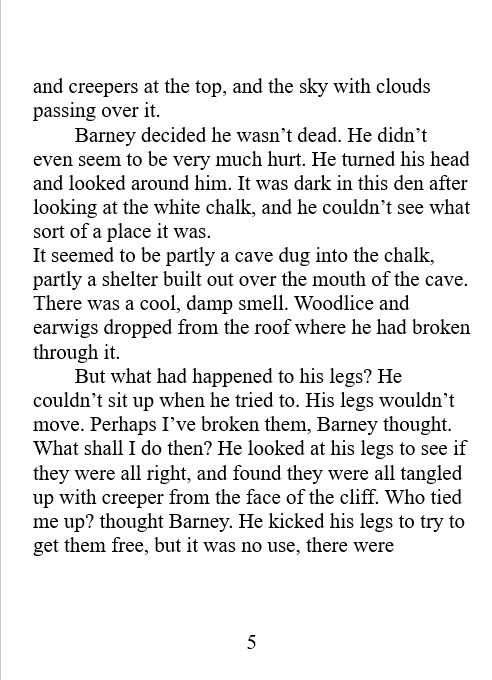
These are inference questions. Can you remember what inference is?
Have a go at using the clues in the text to answer these questions'
Why couldn't Barney see what kind of place he was in? What is the clue in the text?
Was it warm in the cave? What is the clue in the text?
Why wouldn't Barney's legs move? What is the clue in the text?
What did Barney think had happened to him? What is the clue in the text?
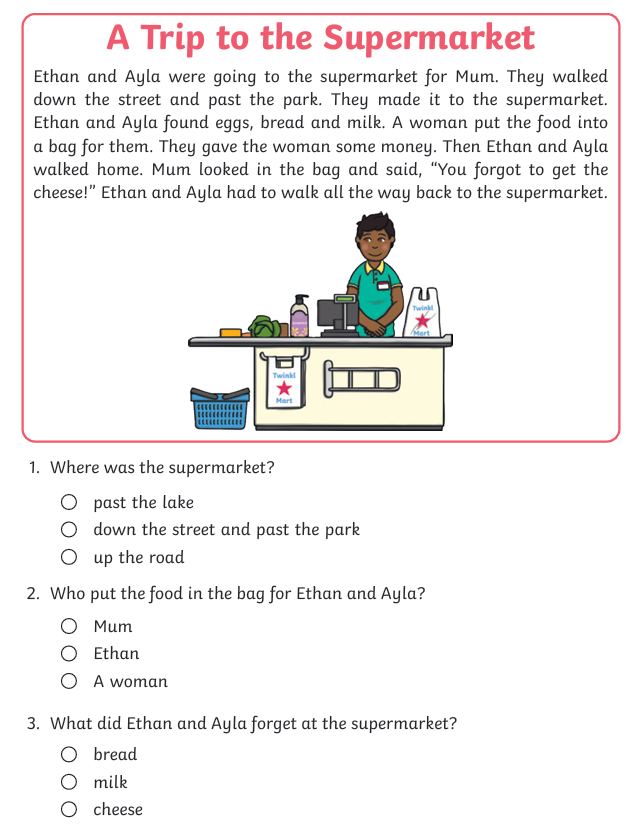
Adapted 2

Wednesday 24th June 2026
LC: To analyse and evaluate how specific information is organised within a non fiction text.
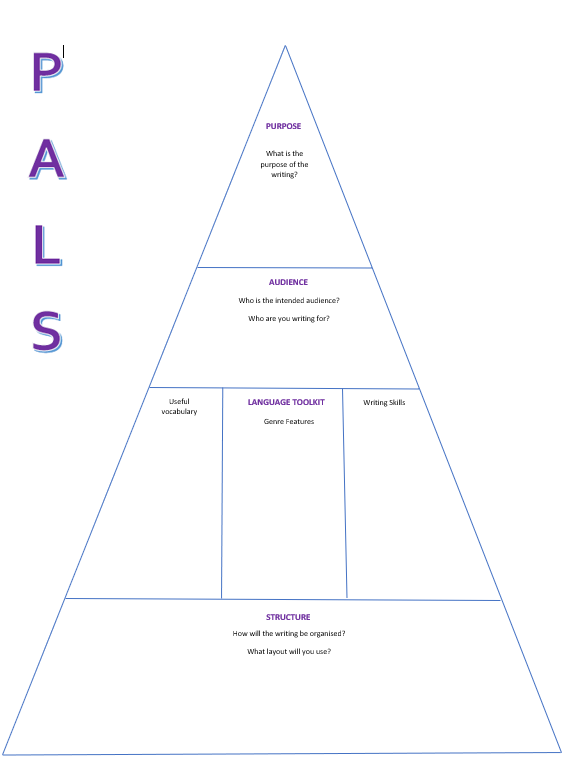
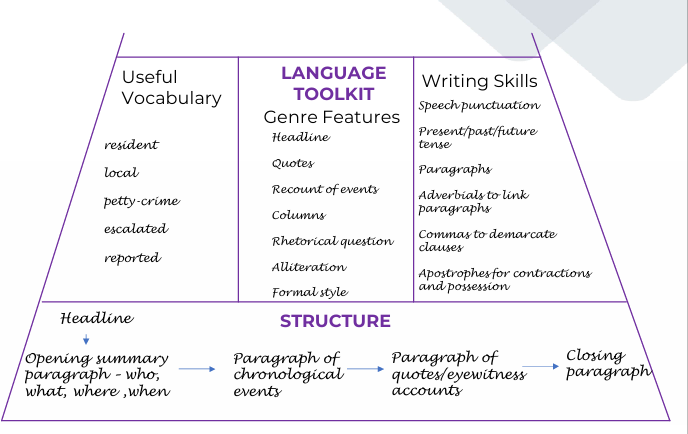
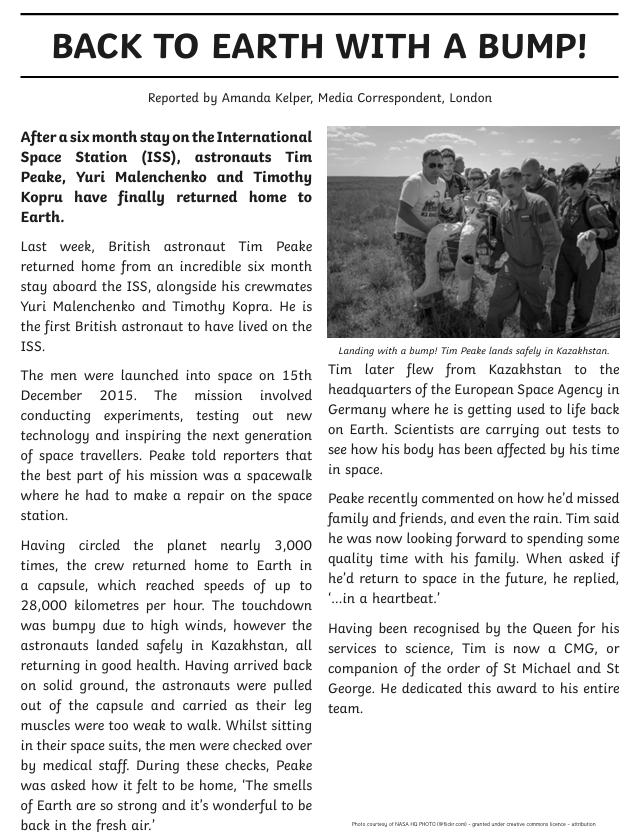
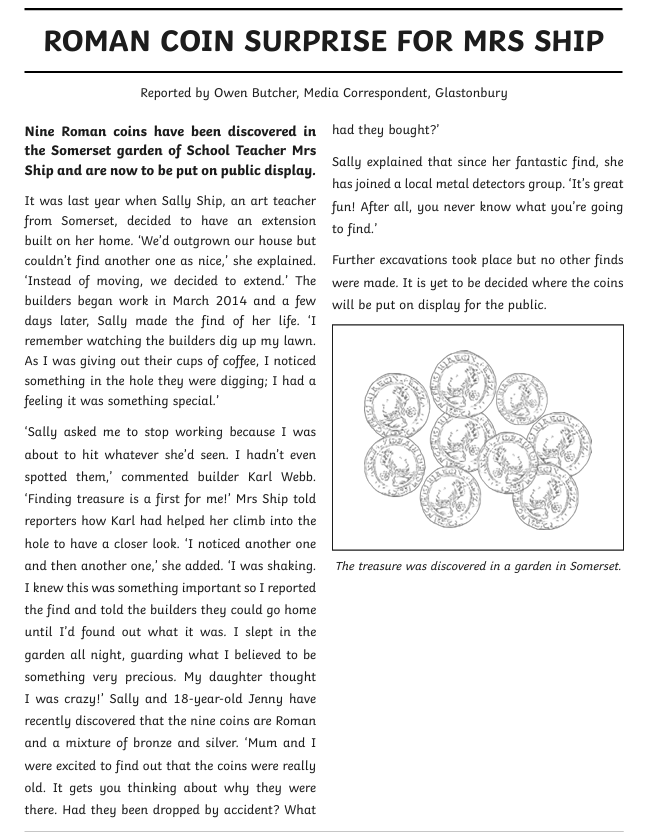
We will be reading a range of news paper articles and testing our toolkit.

Adapted:
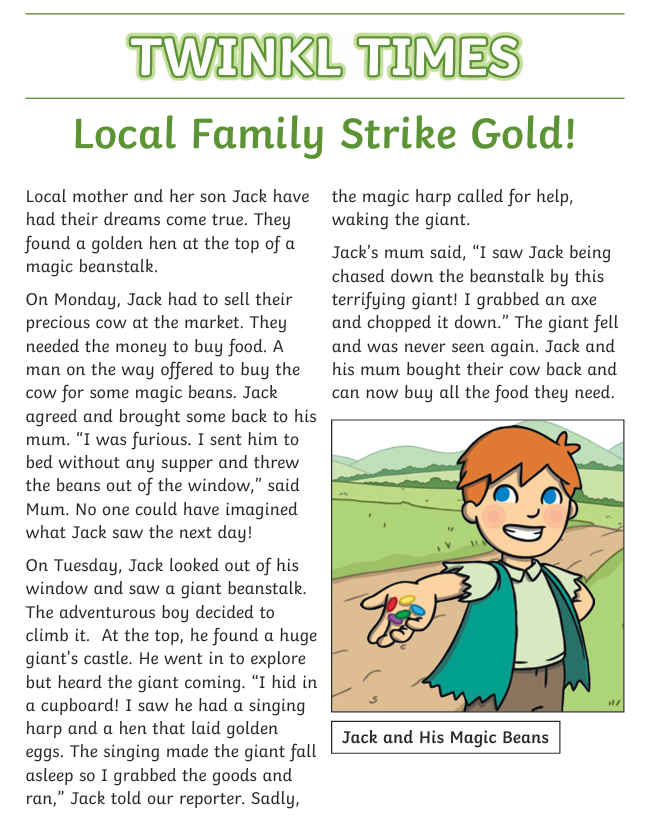
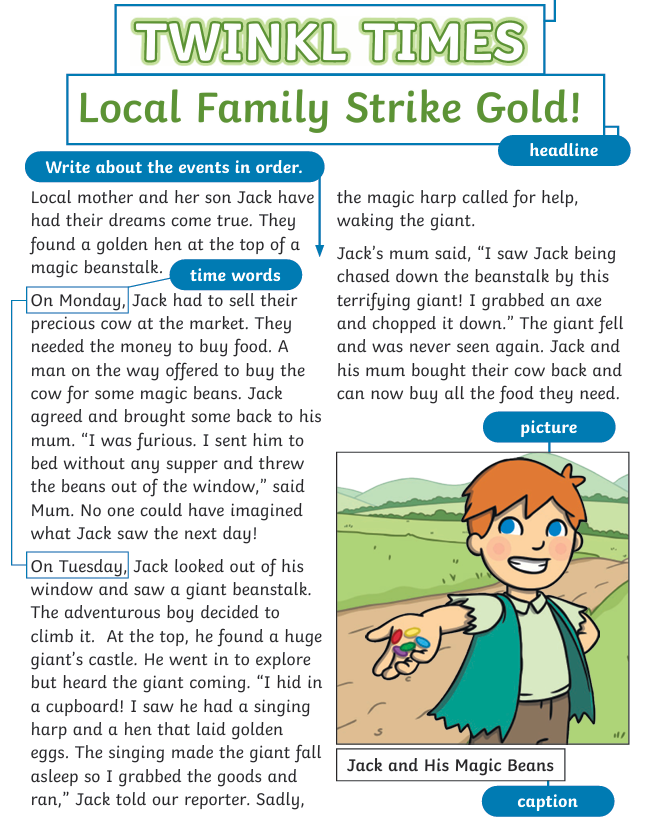
Label the article with the following headings:
Headline
Picture
Introduction
Time words

24.06.26
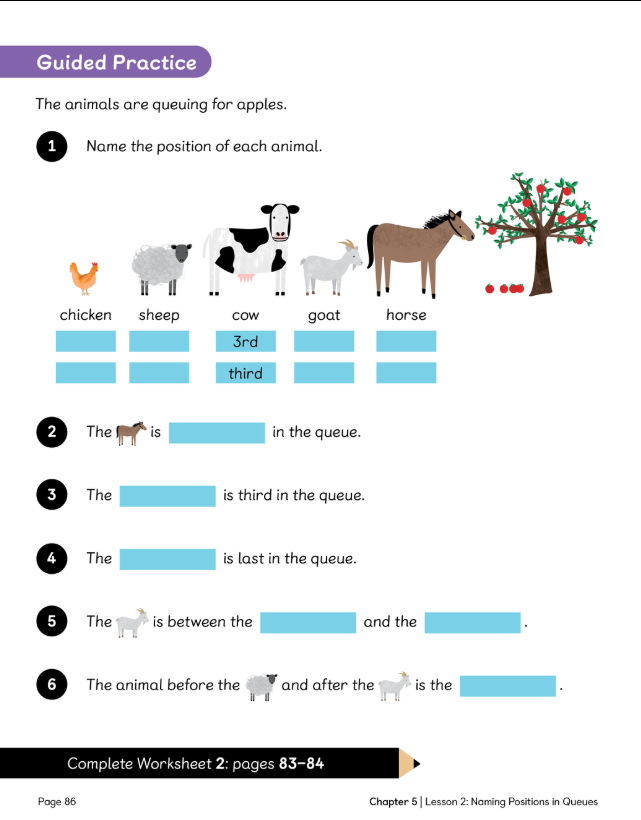
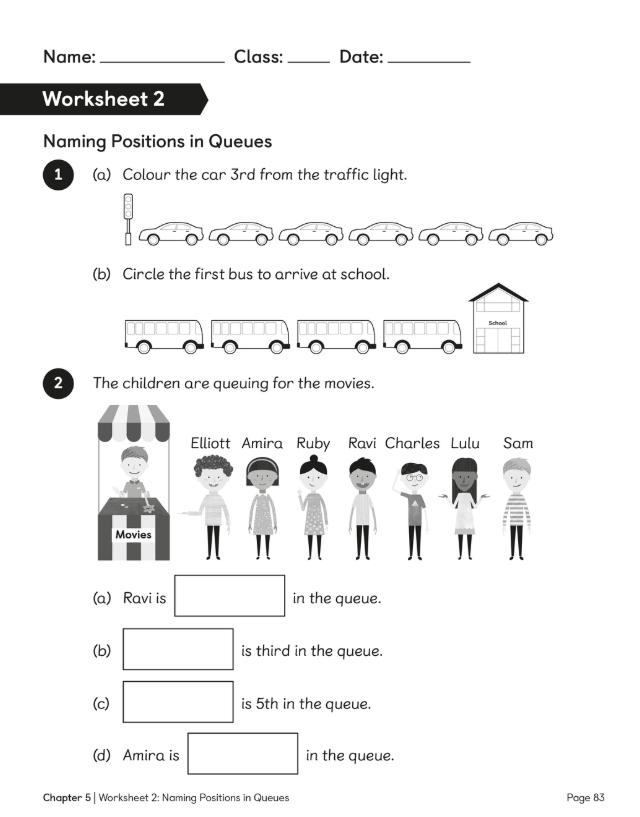
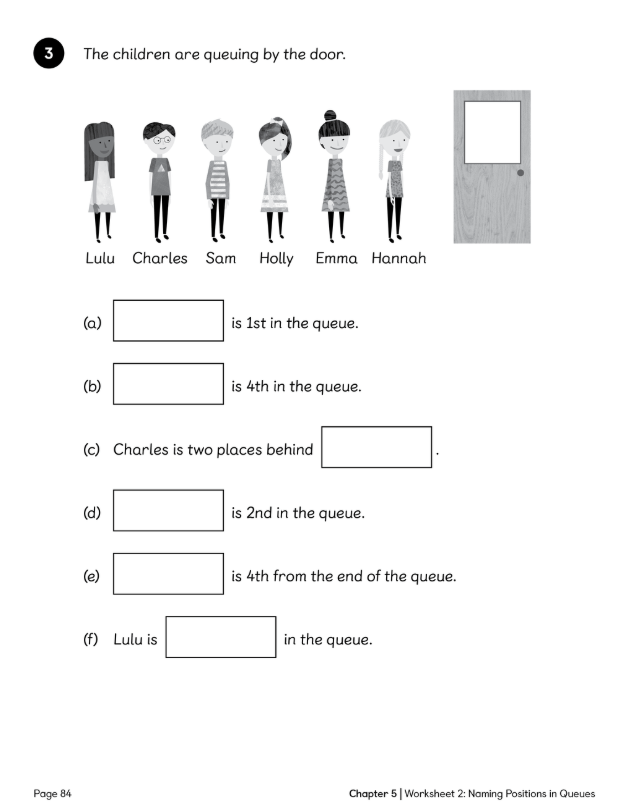
Let's shared read these word problems. When we have read each one, I will ask you to show me what operation we need to use to calculate the answer. Then I will ask you to show me the strategy you will use to calculate the answer.
Finally, you will complete the calculations in your workbook. Stop when you get to the end of question 34.
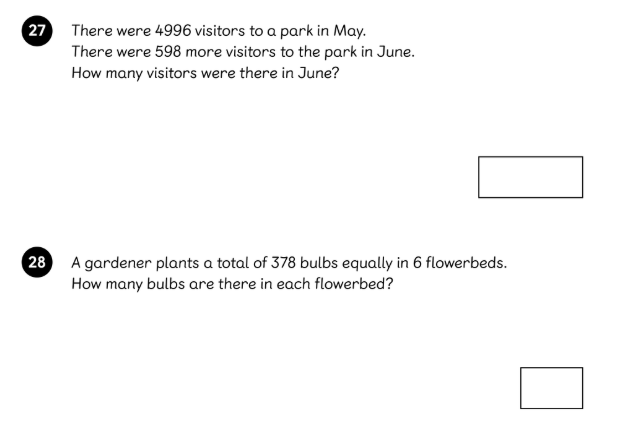
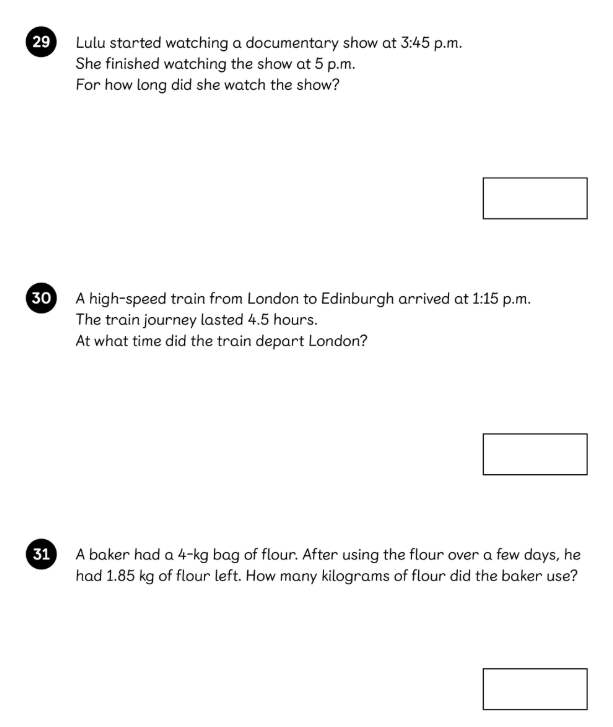
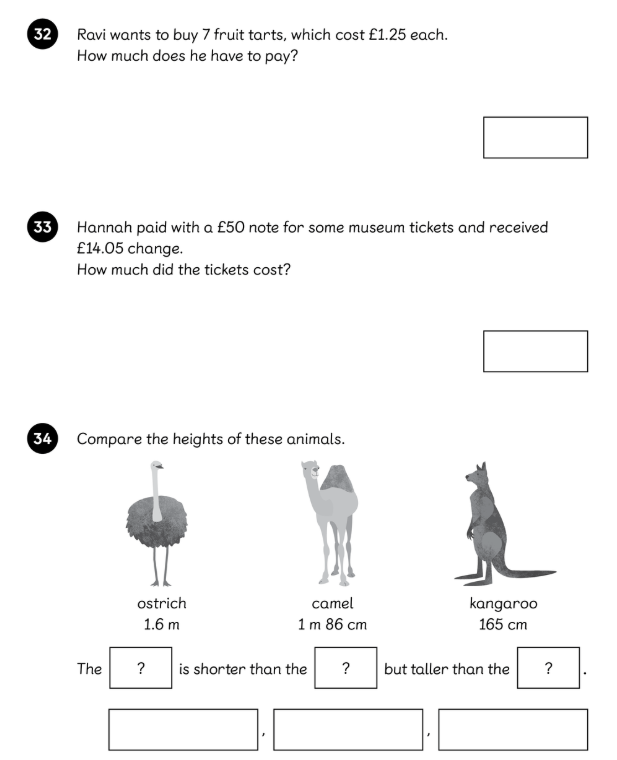
Adapted

Wednesday 24th June 2026
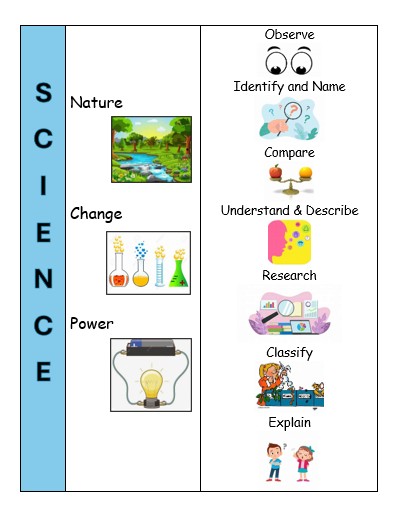
LC: To explain why some sounds louder than others.
Discuss the following question below with your talk partner.
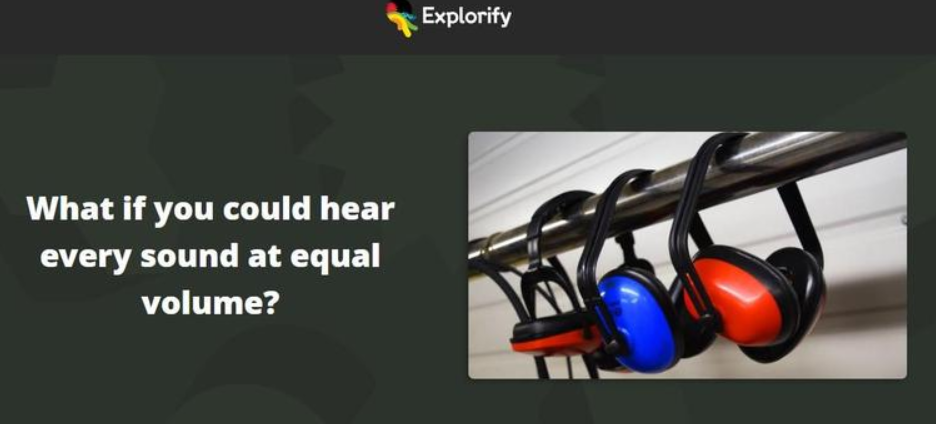
Some things you might want to think about:
Which sounds are the loudest and which are the quietest?
Why are some sounds louder than others?
How would it affect our daily life?
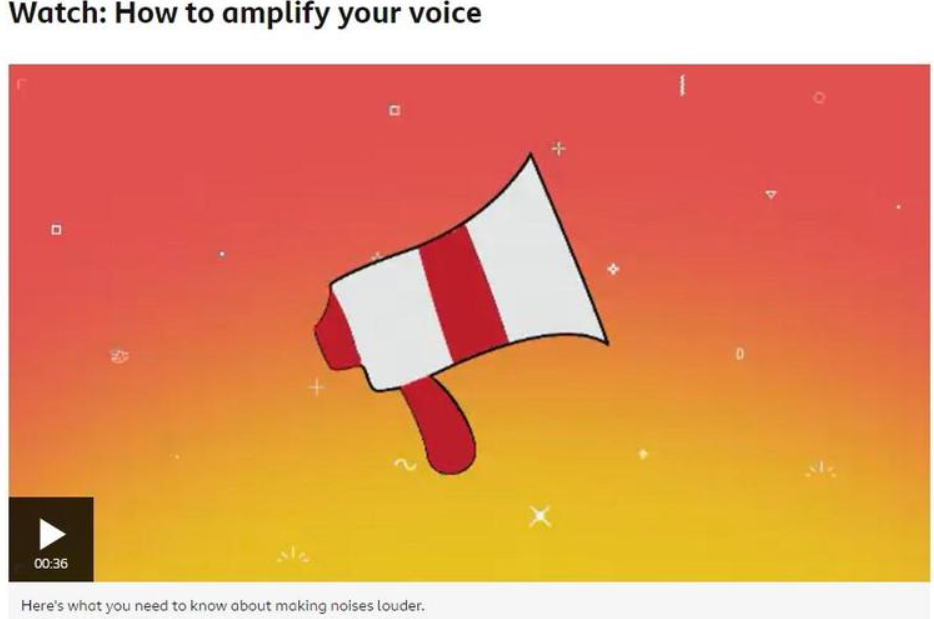
What could you do to muffle sound to make it quieter or amplify it to make it louder?
Why?
Loud noises are carried by sound waves that have a higher amplitude (height between peak and trough) than quiet noises. The volume of sound decreases as you move further away from its source, because as sound waves travel away from their source the same amount of energy is spread over a greater area, so the intensity and loudness of the sound decreases.
Loudness is measured on the decibel scale. The quietest sound human ears can detect provides the starting point on the decibel scale of 0 dB. A whisper is about 30 dB, and the loudest a sustained sound can possibly be on Earth’s surface is 194 dB. One of the loudest ever sounds recorded was the eruption of volcano Krakatoa in 1883. It created a sound wave which registered 180 dB and was so loud it was heard 3000 miles away. Extremely loud rock music can reach an intensity of 120–140 dB, which is loud enough to cause temporary or permanent damage to hearing. Humans can scream quite loudly too; the world record registering 129 dB.
If we lived in a world where every sound was loud, we would need to adopt ear protection. There are some people who routinely need to do this as their working environment is so loud. If you work outside at an airport, you need ear defenders as noise from a jet can reach a volume of 140 dB. Equally, if we lived in a world where every sound was quiet, we would need to adopt ways of amplifying sound. Hearing sound at different volumes is an essential part of our existence. Communication involves speaking at different volumes reflecting what we are saying. Our lifestyles depend on different volumes of sound for different activities, such as sleep or listening to music in a concert hall. We normally experience everyday sound anywhere on a scale from 0 dB to 85 dB.
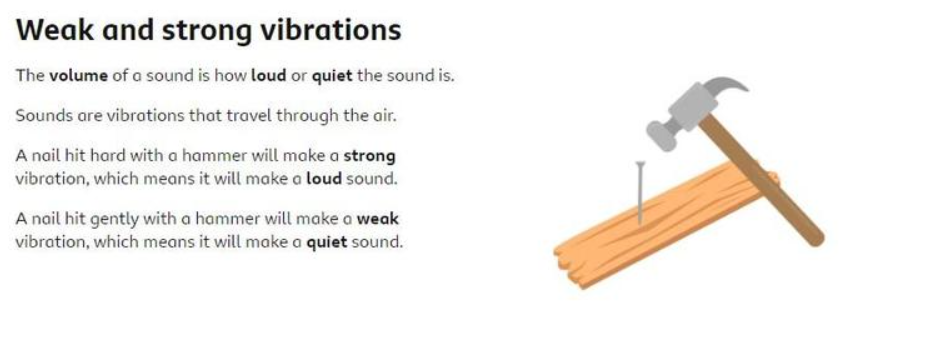
What affects the volume of a sound?
The louder the sound, the bigger the vibration. The size of the vibration is called the amplitude. Quieter sounds have a smaller amplitude, and louder sounds have a bigger amplitude.
- Volume is proportional to the amplitude of the soundwave.
- Amplitude is the height of the wave, measured from the peak to the trough.
Recap:
Some sounds are louder because they make bigger vibrations. Bigger vibrations create sound waves with a larger amplitude, which makes the sound louder. Quieter sounds have smaller vibrations and a smaller amplitude.
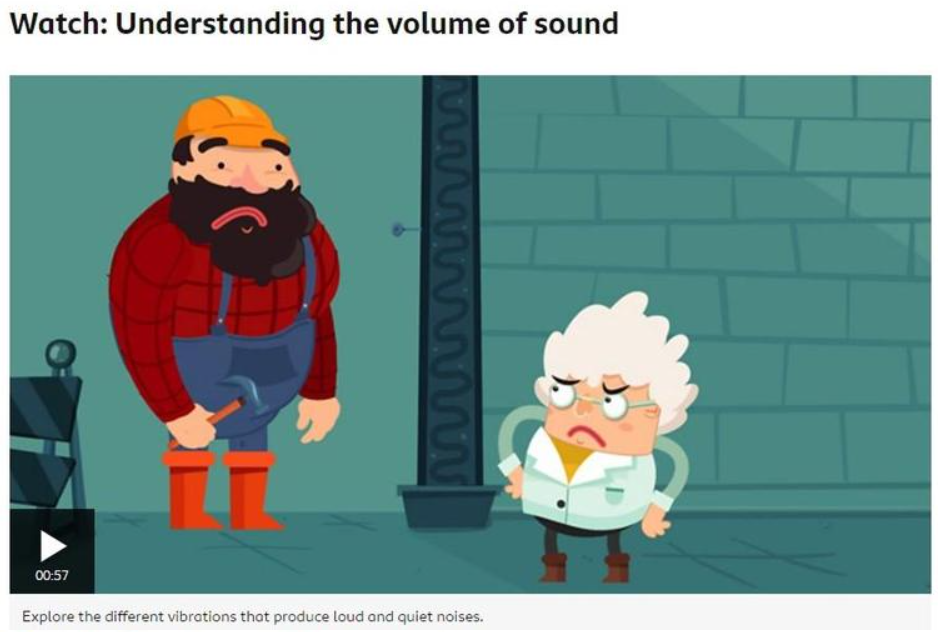
Task: In your own words explain why some sounds are louder than other.
Challenge
Discuss in talk partners:
- How could you make a sound quieter?
- How could you make a sound louder?
Adapted:
Go on a listening walk. Listen out for loud and quite sounds and make a list of the different sounds you hear.
| Loud Sounds | Quiet sounds |
|
|
Review
How are apostrophes being used in these sentences?
The women's children were playing together on the park.
Mr Smith put the children's trays under their tables.
Politicians ask for other people's opinions before making decisions.
The barber had a busy afternoon cutting all the men's hair.
The mice's nests were hidden in the grass.
Why is the apostrophe before the 's' rather than after, although the nouns are plural?
Learning
Focus: Use apostrophes to spell words for plural possession including where the plural is irregular.
Remember, some irregular plurals stay the same as the singular for example.
Listen, then join in with me:
one sheep – many sheep – a flock of sheep
one fish – many fish – a shoal of fish
one deer – many deer – a herd of deer
Here are some more:
one reindeer (a herd of reindeer)
one moose (a herd of moose)
one buffalo (a herd of buffalo)
one tuna (a school of tuna)
one trout (a hover of trout)
one salmon (a run of salmon)
one shrimp (a troupe of shrimp)
These sentences include apostrophes to show plural possession where the plural is the same as the singular. Read them with me.
The reindeer's exercise routine involved a complete tour of the island.
The fish's movement in the water caught the children's interest.
The sheep's wool was important for making warm clothes in winter.
What do you notice about the position of the apostrophe in these examples?
Irregular plurals that stay the same in singular and plural take the apostrophe in the same place - it is positioned before the s.
Practise
Super Sentence Spellers
Laughing With, Not Laughing At
UNCRC Link: Article 2 – Every child has the right to be treated fairly and equally.
Key Message
Laughter should make people feel happy, not hurt.
Discuss:
- What is the difference between laughing with someone and laughing at someone?
- How can we tell if a joke has gone too far?
Activity
Present scenarios:
- A friend tells a funny story about themselves.
- Someone trips and everybody laughs.
Ask:
- Which laughter is kind?
- Which could hurt feelings?
RE Quote
"Do to others as you would have them do to you."
— Luke 6:31