



Wednesday 17th June 2026

Wednesday 17th June 2026
Infer characters’ thoughts and feelings from their actions and justify with evidence from the text.
What is inference?
When we read stories, watch films or TV shows, look at pictures or play video games, we use lots of different skills to work out what is happening.
One of these skills is called inference.
Inferring is a bit like being a detective. You have to use the clues to work out hidden information.
Imagine the main character in a story skips into a room, smiling brightly and waving to their friends. You could infer that the character is happy.
The text hasn’t told you the character is happy, but you can work it out from the clues given.
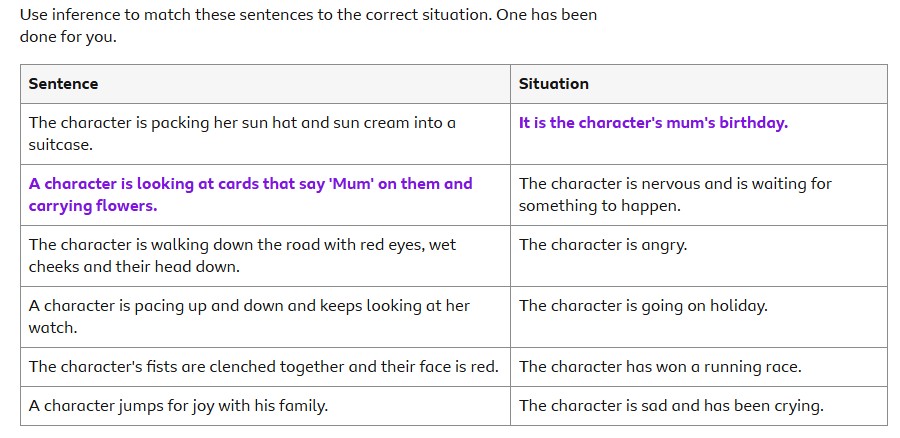
Now let's practise our inference skills.
Stig of the Dump.
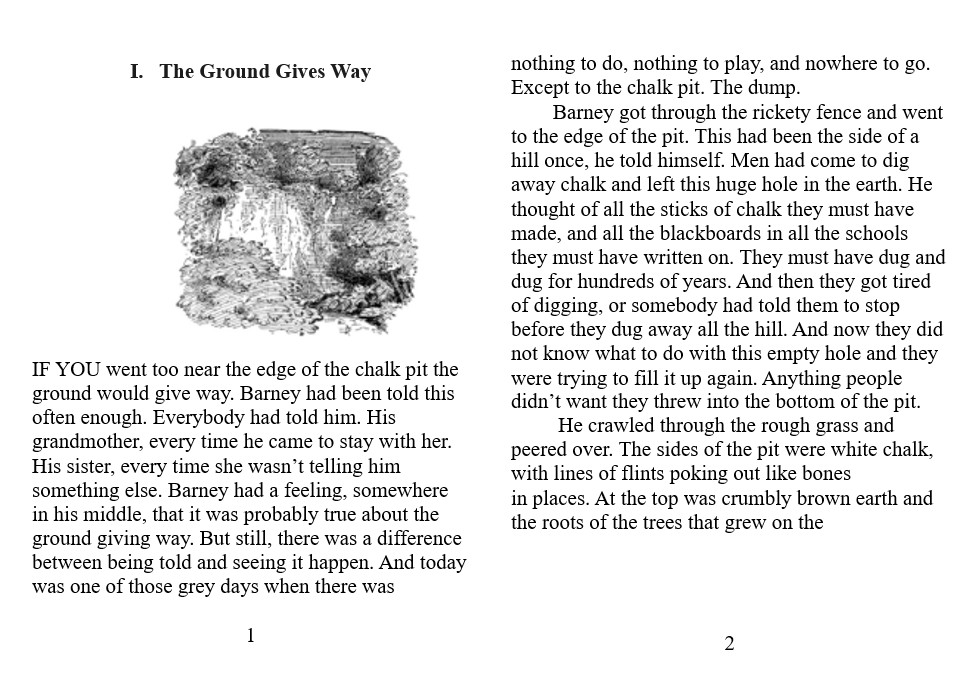
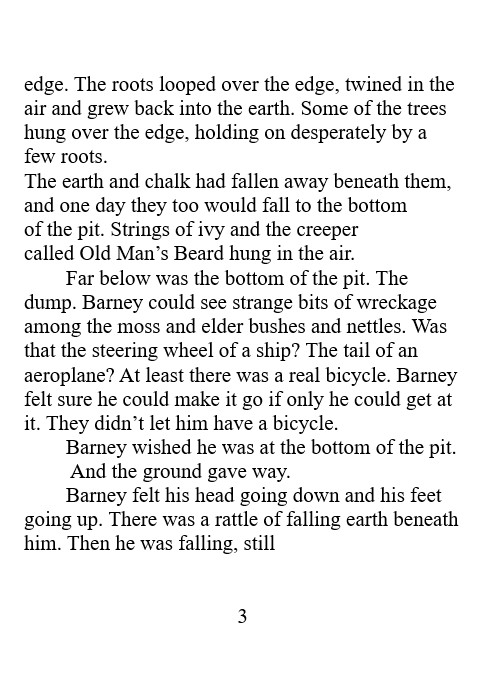
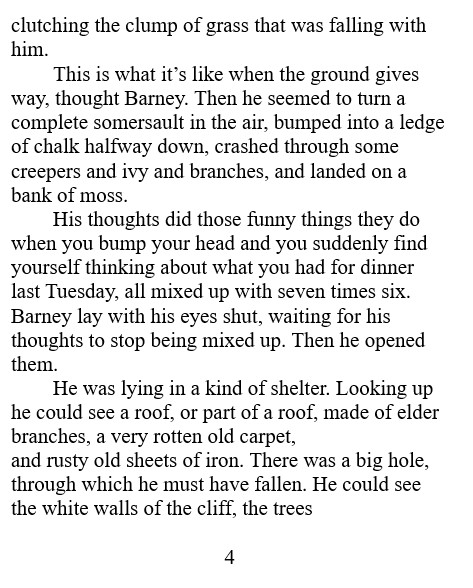
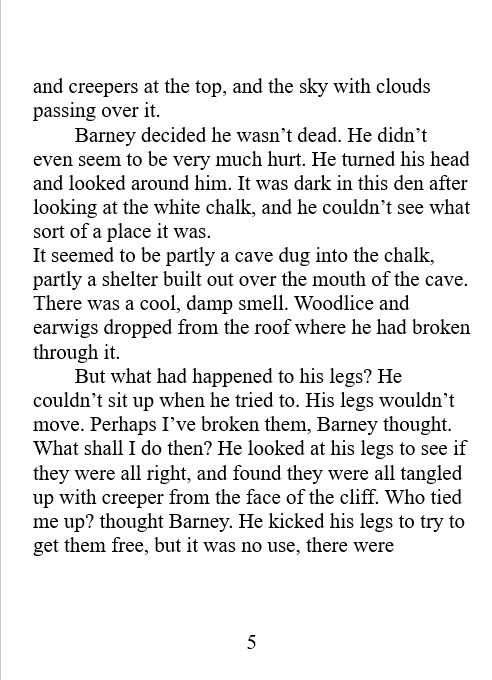
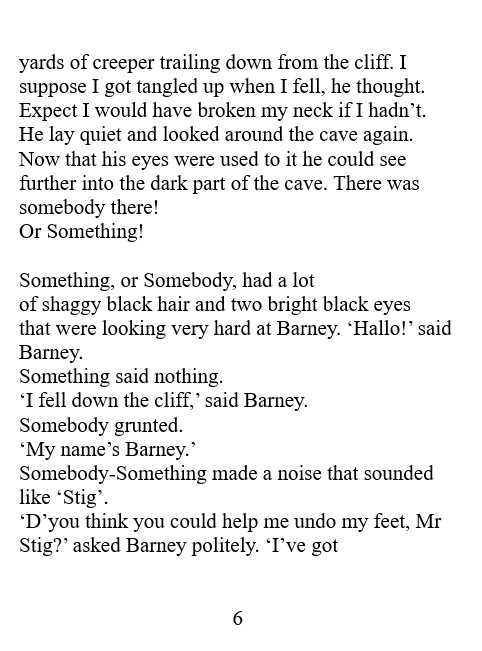
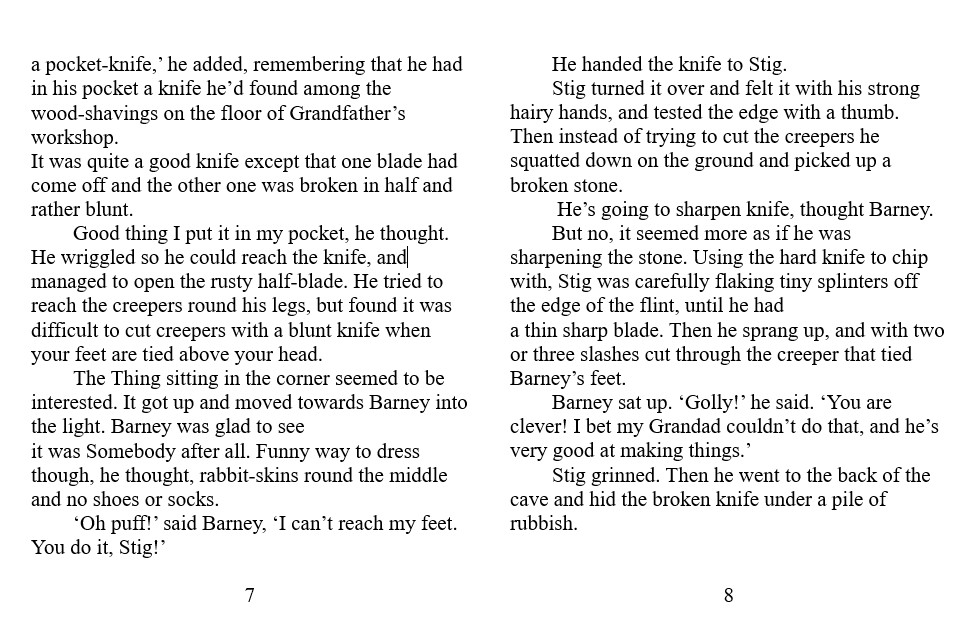
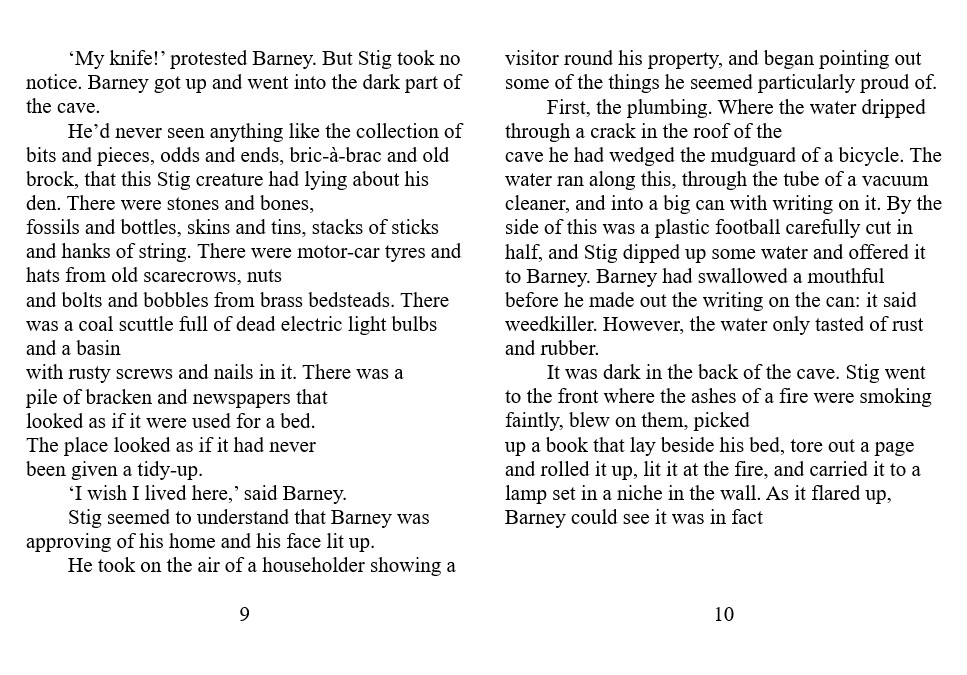
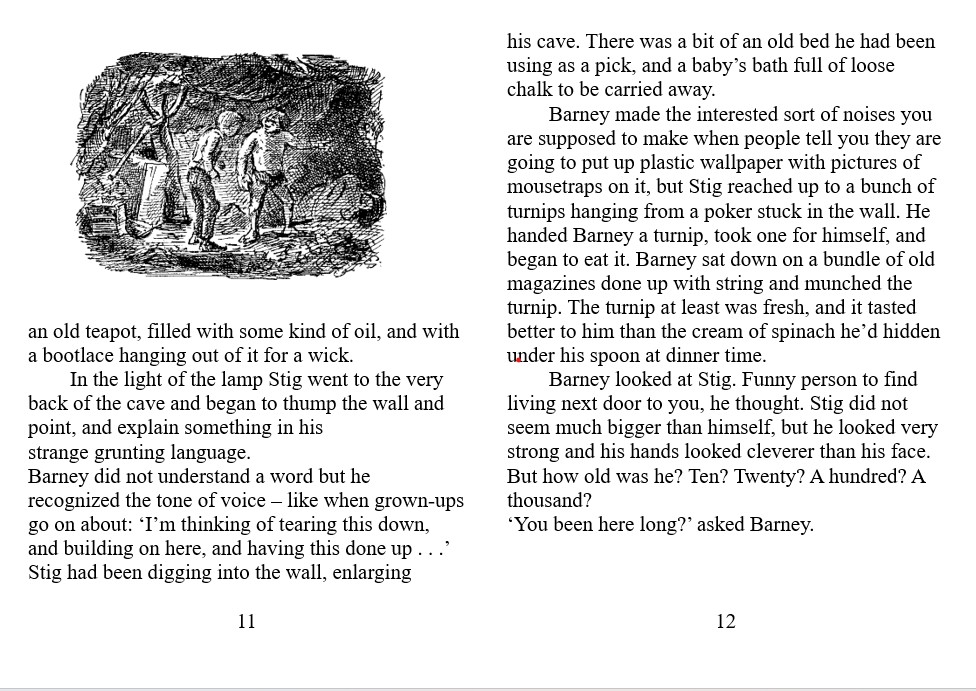
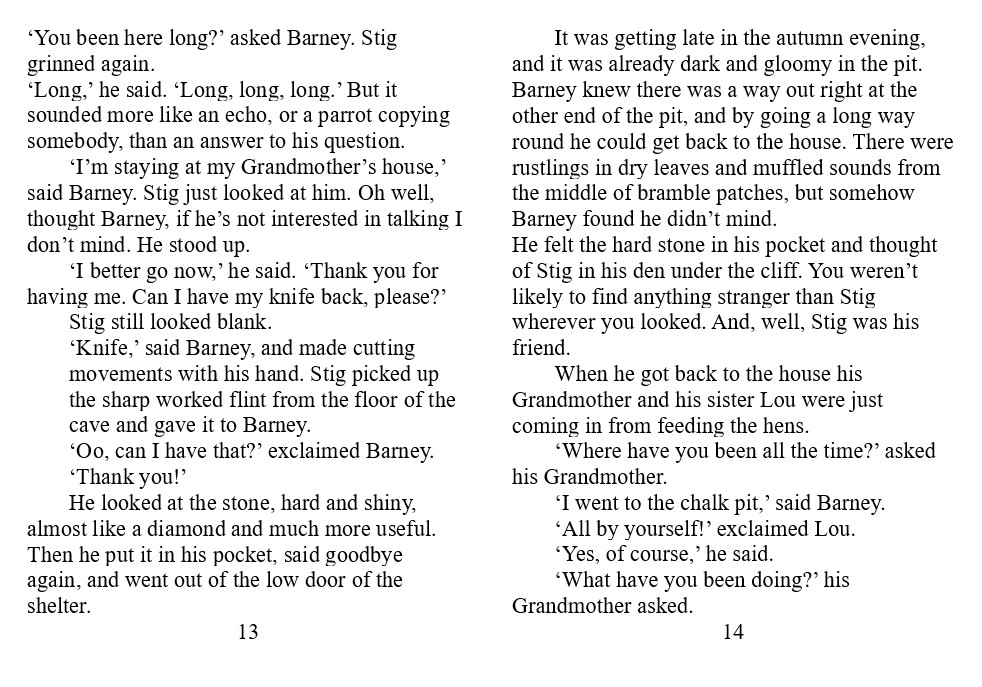
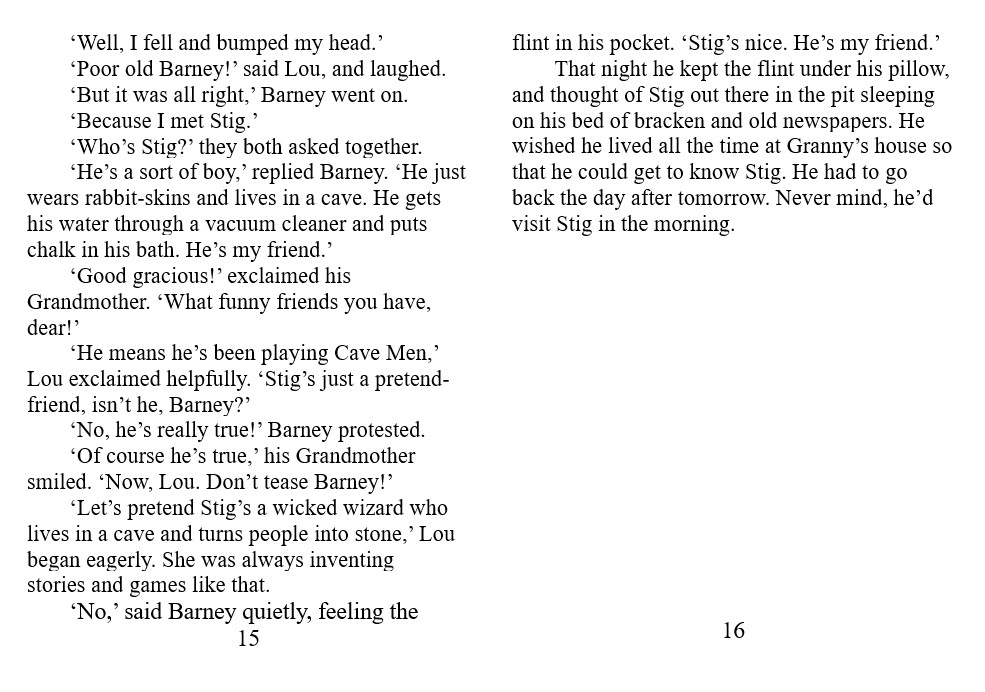
p3 - Why did Barney wish he was at the bottom of the pit?
Barney wished he was at the bottom of the pit because ________________________________________________ .
I know this because____________________________________________________________________________ .
p5 - Why did Barney think someone had tied him up?
p8 - Why did Barney think Stig was going to sharpen the stone?
p10 - Why did the water taste of dust and rubber?
p14 - Why didn't Barney mind the strange noises he heard on the way home?
p16 - What made Barney say that Stig was nice?
Adapted 1
Follow the text while your teacher reads the first part of the story Stig of the Dump.
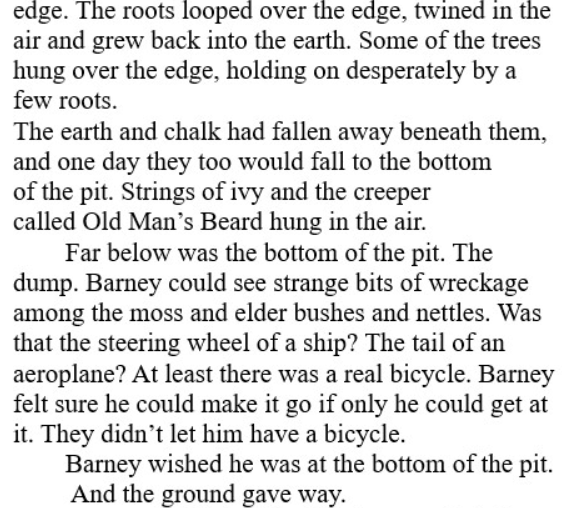
Can you find the answers to these questions?
Who told Barney not to go too near to the edge of the pit?
Why did Barney go to the pit that day?
What kind of pit was it?
What did people throw into the pit?
What was poking out of the chalk?
What plants could Barney see at the bottom of the pit?
What else did he think he could see?
Adapted 2

Wednesday 17th June 2026
LC: To analyse and evaluate texts- headings.
Grammar:
Examples
- When the moon was shining brightly, Macavity crept through the streets.
- When the police arrived, Macavity had already disappeared.
- When the crime was discovered, everyone blamed the Mystery Cat.
- When the household was asleep, Macavity sneaked into the kitchen.
- When the detectives searched for clues, they found no trace of him.
- When the jewels went missing, Macavity was nowhere to be seen.
- When the guard looked away, the clever cat escaped.
- When dawn broke, Macavity had vanished once again.
- When the newspapers reported the theft, people began talking about Macavity.
- When another crime occurred, suspicion immediately fell on the Mystery Cat.
Challenge
Can you add the comma after the fronted adverbial in these sentences?
- When the museum closed Macavity slipped inside.
- When the alarm sounded the cat had already escaped.
- When the police questioned witnesses nobody could describe him.
Teacher model:
Alliteration
(Repeating the same starting sound)
- Mysterious Macavity Makes Museum Mischief!
- Clever Cat Commits Costly Crime!
- Feline Fugitive Flees Again!
- Sneaky Suspect Steals Silver!
Pun / Play on Words
(Funny wordplay linked to cats)
- Purr-fect Crime Leaves Police Puzzled!
- Claw and Order Breaks Down Again!
- Cat-astrophe at the Jewellery Store!
- The Cat Burglar Strikes Again!
- You've Got to Be Kitten Me! Macavity Escapes!
Rhyme
(Words that sound the same at the end)
- Crime Time! Macavity Strikes Again!
- Cat in a Hat? No, Cat Who's at That!
- Theft in the Night Gives Police a Fright!
- Sneak and Peek: Macavity Escapes!
Summary Headline
(A simple newspaper-style headline)
- Mystery Cat Wanted for Series of Crimes
- Macavity Suspected in Latest Robbery
- Police Still Searching for Elusive Feline
- Master Criminal Cat Evades Capture Again
Number and Statistics
(Using numbers to grab attention)
- 10 Crimes in 10 Days: Is Macavity Responsible?
- £5,000 Worth of Jewels Missing!
- 3 Museums Robbed in One Week!
- 100 Witnesses, 0 Sightings of Macavity!
- 1 Cat, 20 Crimes, No Arrests!
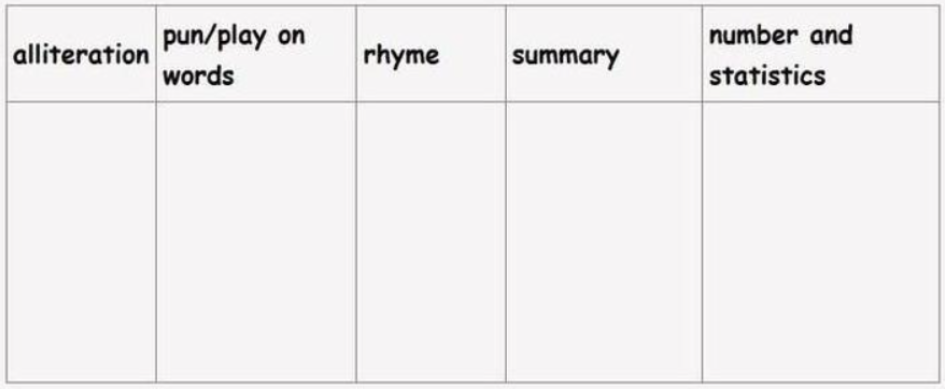
Task: in your groups read the headlines and sort them in the table below, remember to pay close attention to the language used.
Independent task:
Write some headings for Macavity using the different types of headings we have been looking at.
Adapted:
Write a News Paper headline for Macavity using a summary headline.
A good headline usually:
- Uses only a few words.
- Tells the main idea.
- Grabs the reader's attention.
Summary Headlines about Macavity
- Cat Takes the Jewels
- Macavity Runs Away
- Police Look for Cat
- Mystery Cat Escapes
- Cat Steals Food
- Macavity Is Gone
- Cat Causes Trouble
- Police Cannot Find Cat
- Cat Takes the Prize
- Macavity Strikes Again
Newspaper Headlines Examples:
- Bad Cat Escapes!
- Cat on the Run!
- Where Is Macavity?
- Cat Steals Again!
- Mystery Cat Missing!
17.06.26
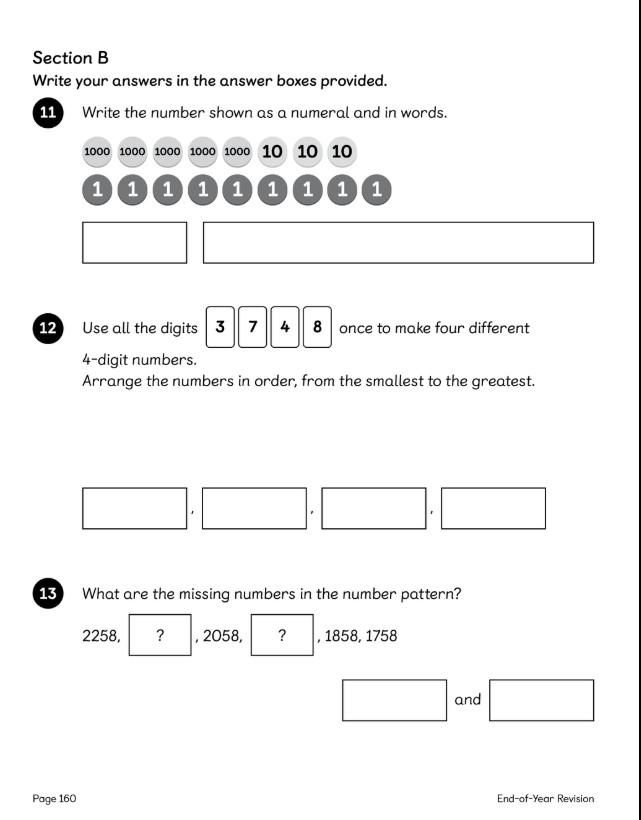
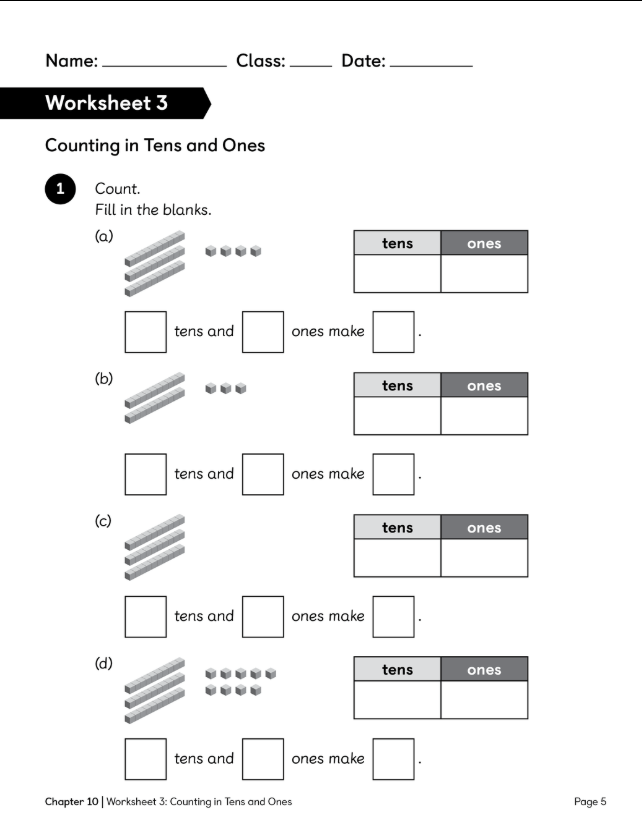
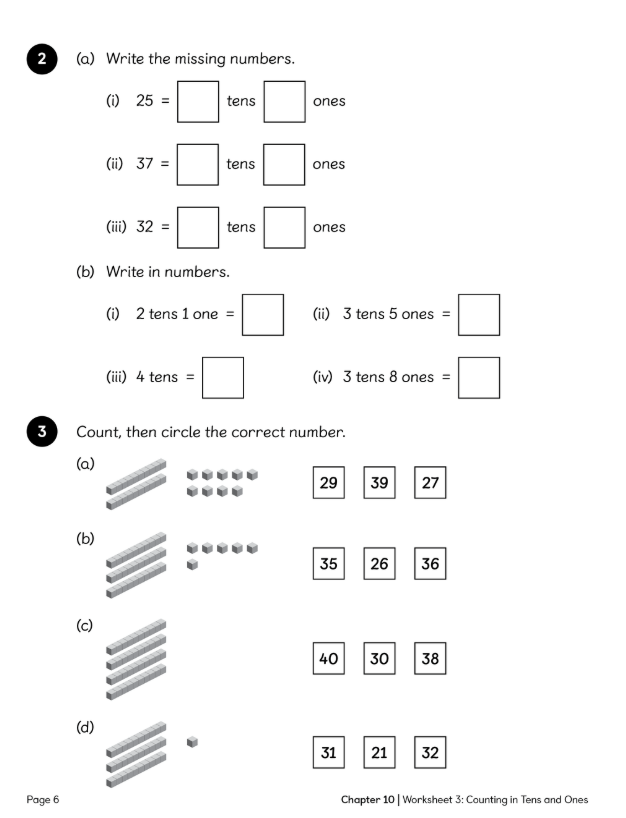
End of year revision
Key concepts to revise
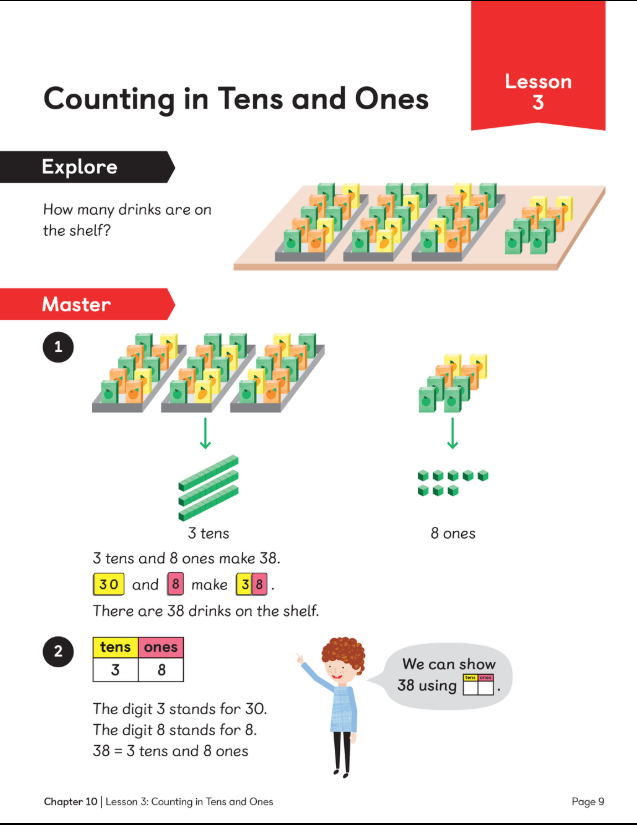
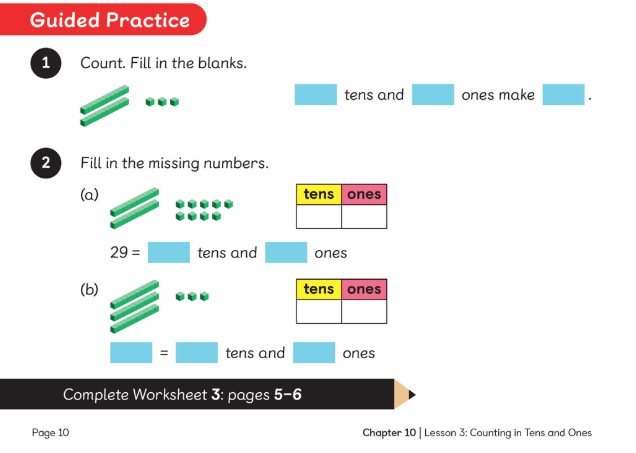
Place value
0 as a place holder
ordering 4 digit numbers
Working out number patterns
Adapted

Review
Learning
Focus: Use apostrophes to spell words for singular and plural possession.
How can we write 'the notebook belonging to Mr Cooper' in just three words:
1 2 3
Mr Cooper's notebook
We can put this phrase into a sentence:
Mr Cooper's notebook held important information.
What about 'the bicycle belonging to Ali'?
___________________________________________
Can we put this into a sentence?
________________________________________________________ .
What about ' the glasses belonging to Anas'?
Anas’ glasses
Anas’ glasses are broken.
How is this different? Why do you think it is different?
In all of the examples above, there is only one person. In the first two examples, the position of the apostrophe is before the s.
Although there is only one Anas, Anas ends in s. Where the noun ends in an s, the apostrophe is positioned after the s to show possession (e.g. St Francis’ Primary School)
Now read the following sentences with me.
The teams' scores were tied. Therefore, the match went into extra time.
The trees' branches created a natural tunnel over the path.
The parents' meeting was set at a particular time.
These examples show plural possession; there is more than one team, more than one tree and more than one parent.
What do you notice about the position of the apostrophe in these examples?
When the apostrophe is used to show plural possession, it is positioned after the s.
Being a Friend
Friendship isn't just about having friends—it's about being one.
UNCRC Links
- Article 12 – Children have the right to express their views and be listened to.
- Article 13 – Children have the right to share ideas and feelings.
- Article 15 – Children have the right to friendship and joining groups.
Starter Question
Ask:
"Which is harder: finding a good friend or being a good friend?"
Short Story
Tell a simple story:
A new child arrives at school and sits alone at lunch. Everyone notices, but one child walks over and says:
"Would you like to sit with me?"
That small act changes the new child's whole day.
Discussion Questions
- Have you ever been the new person?
- What small things can make someone feel welcome?
- How do we show kindness every day?
Challenge
This week:
- Sit with someone new.
- Help someone who looks lonely.
- Say something encouraging.
Closing Thought
"Friendship grows when kindness is shared."