

Friday 19th June 2026
Friday 19th June 2026
Infer characters' thoughts and feelings.
Recap – what has happened in the story so far? Who are the main characters? What is the setting? What are the main events?
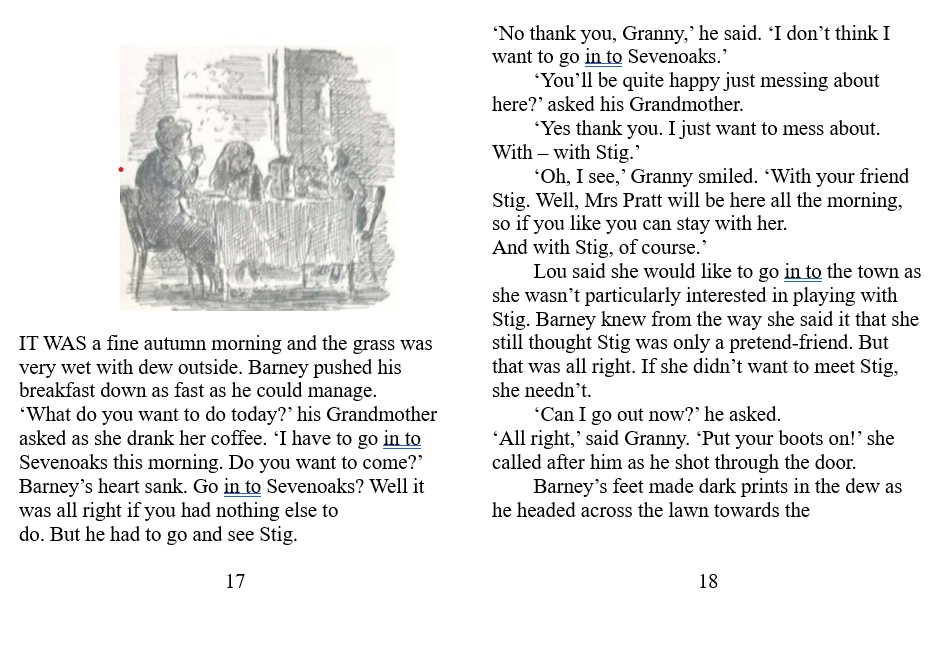
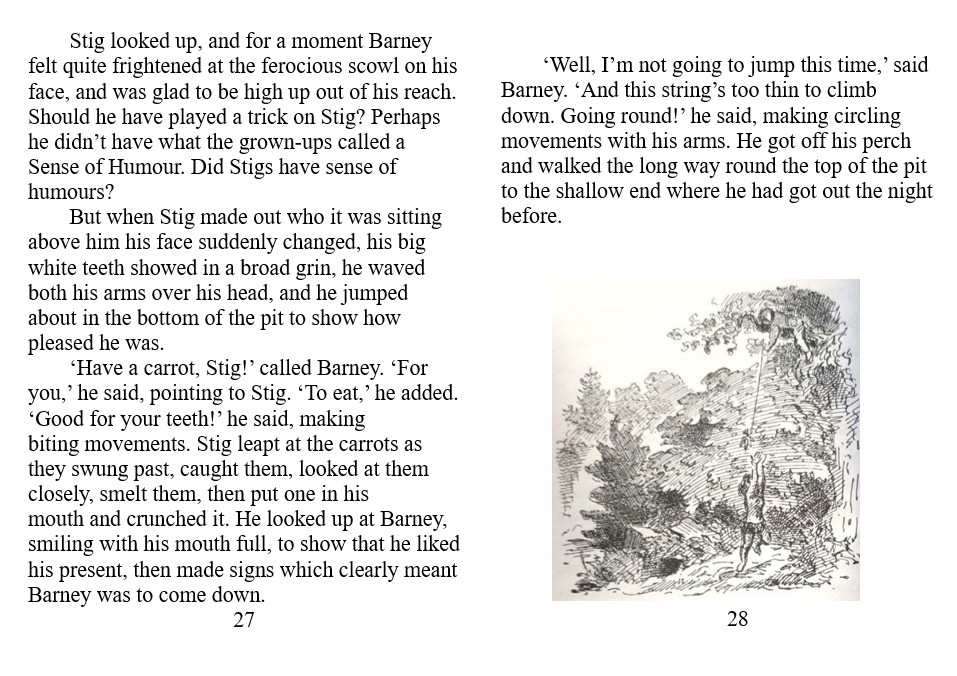
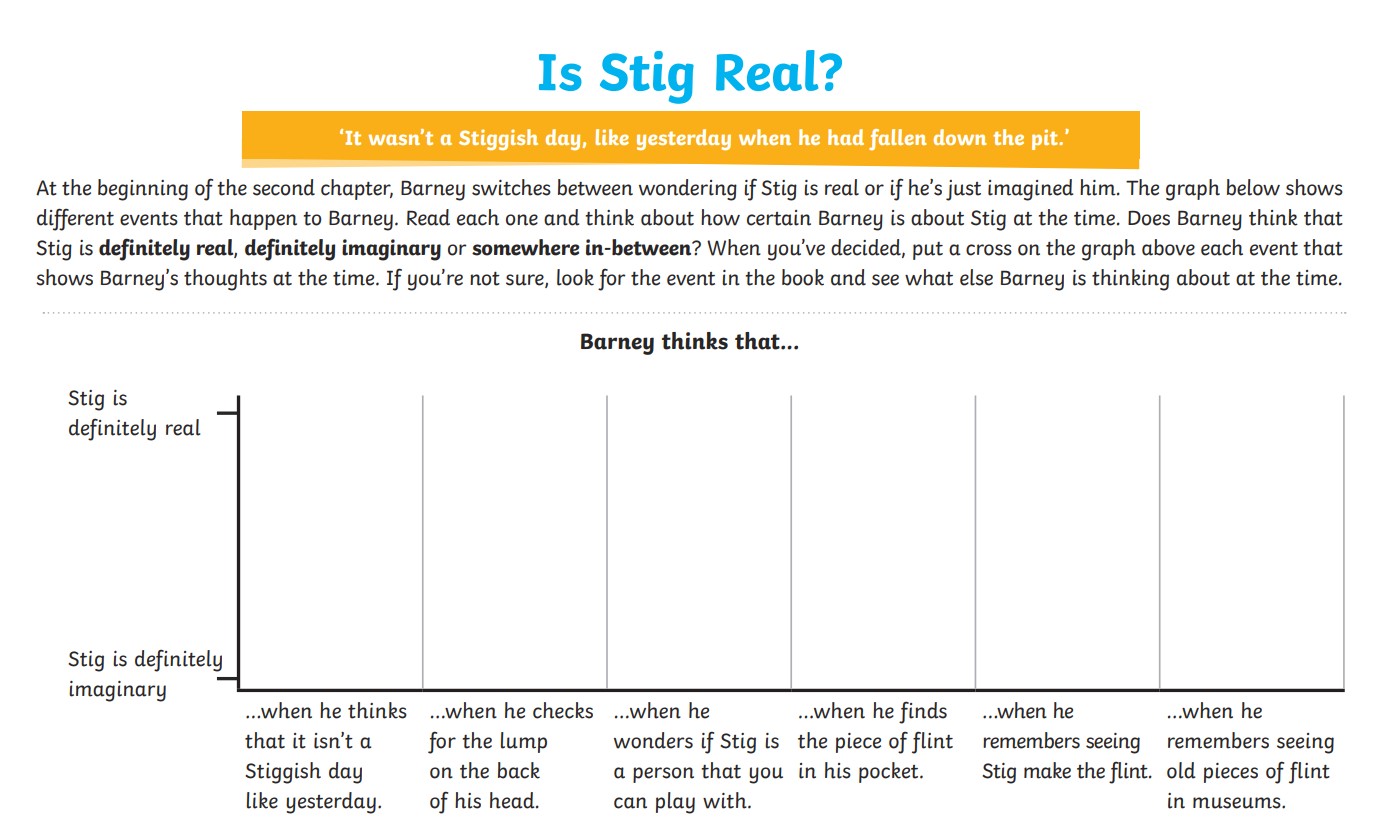
Today we are going to read the first part of chapter 2. As we are reading, focus on what Barney thinks about his encounter with Stig at different points in the story.
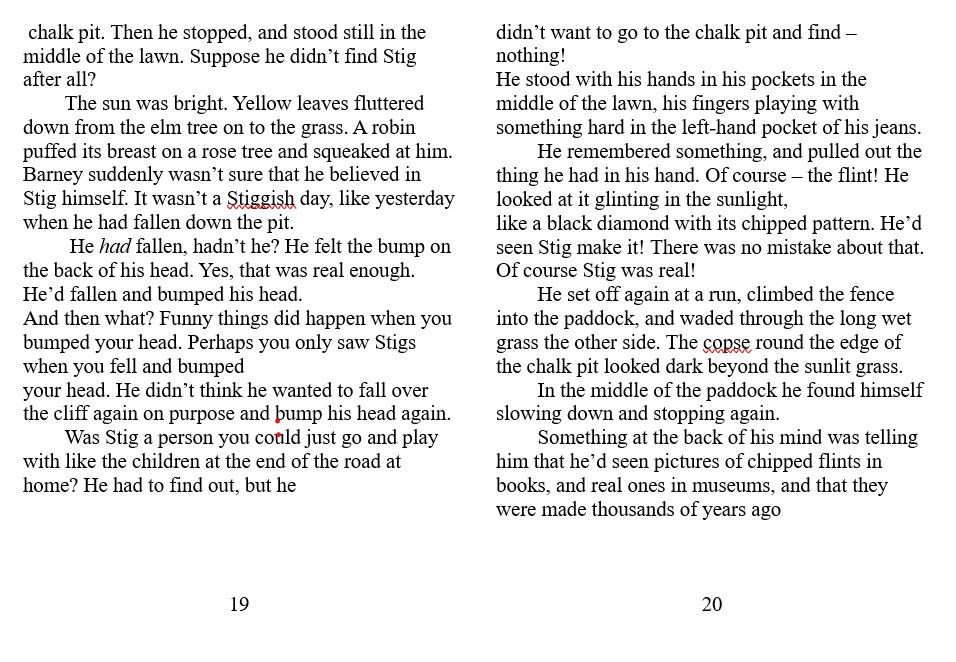
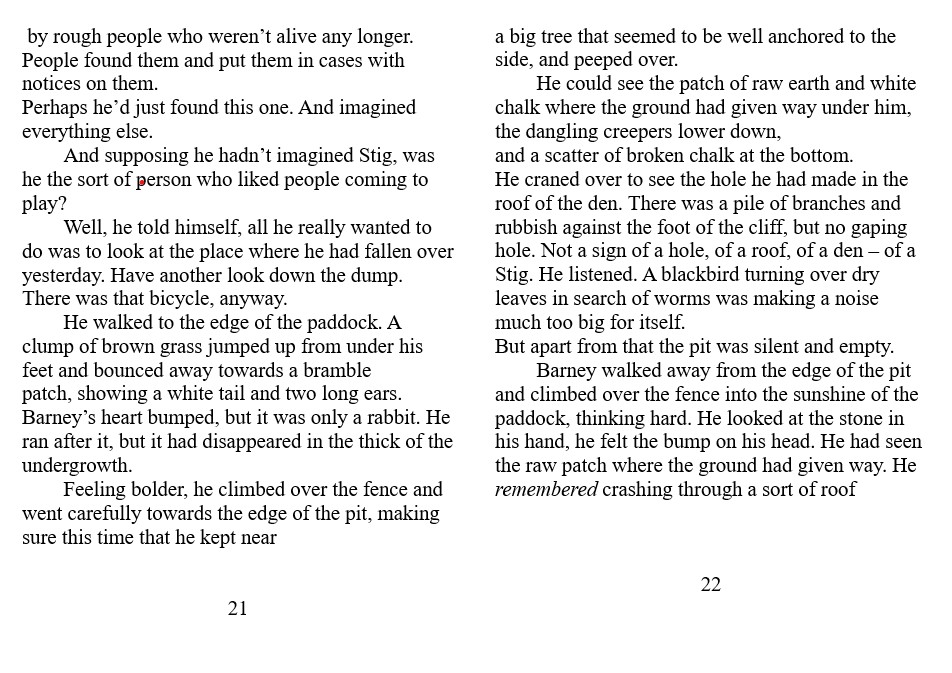
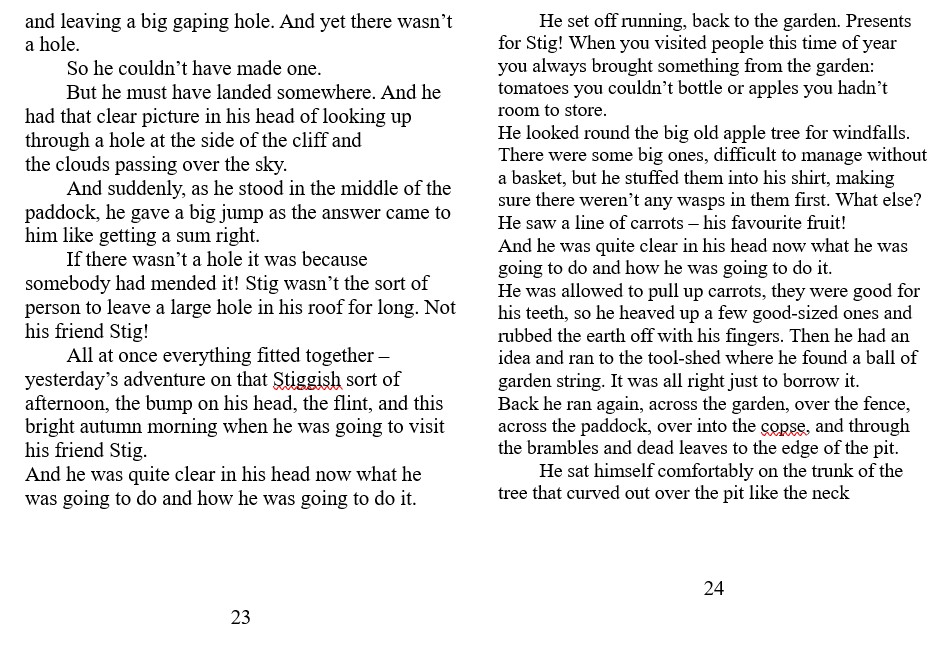
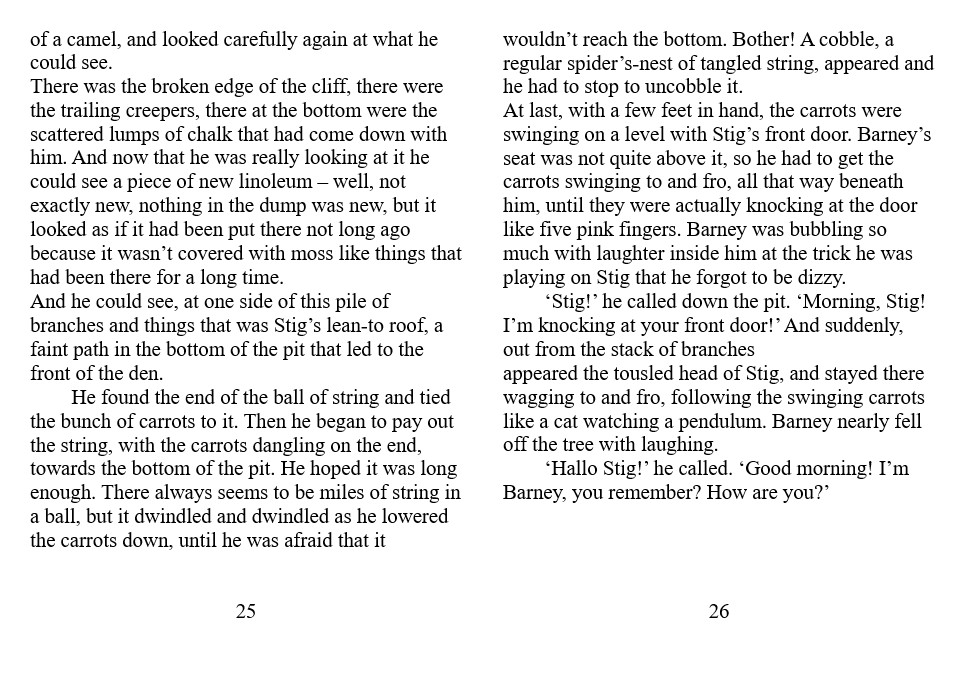
Adapted 1
LC: Use clues in the text to make inferences and predictions.
Can you remember what inference is?
Can you remember what making a prediction is?
We need to use the clues the author puts in the text to help us understand the story.
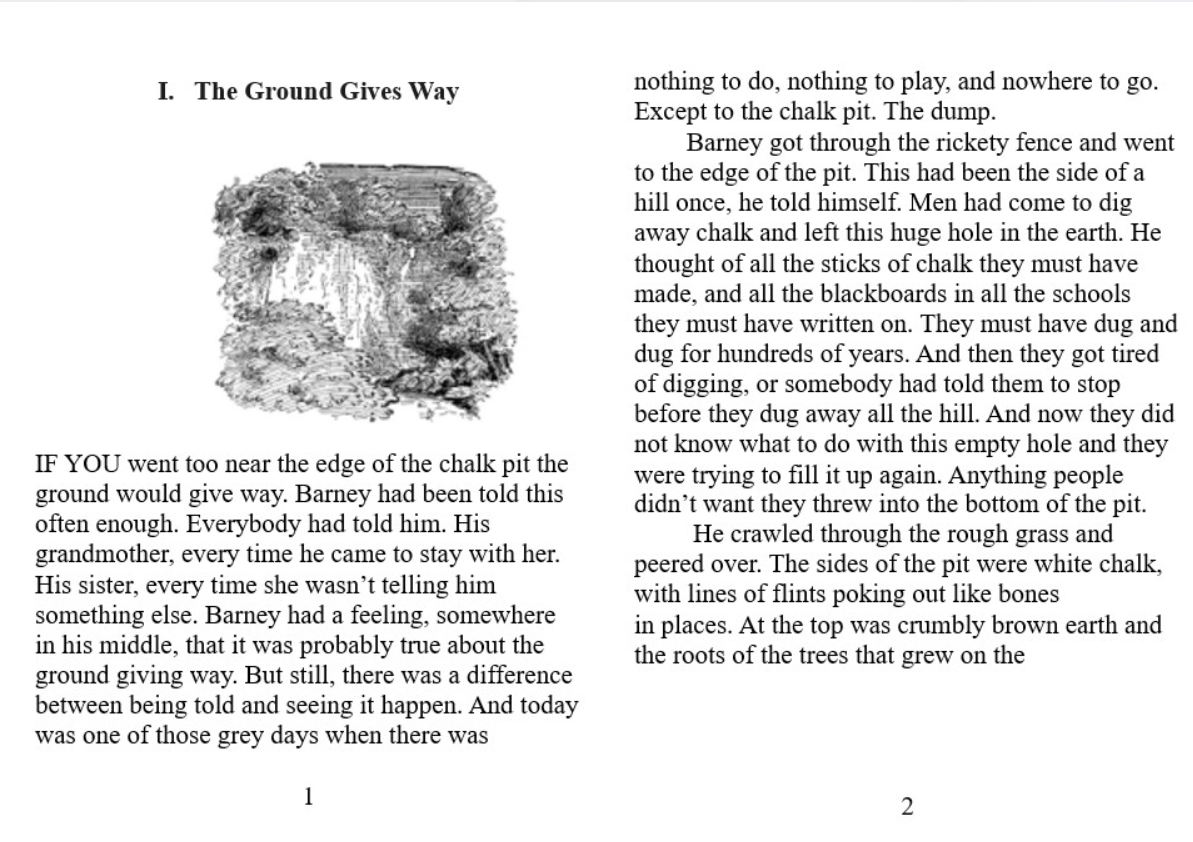
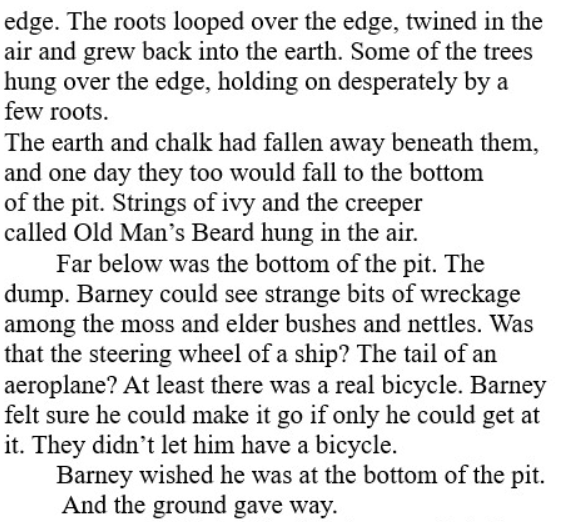
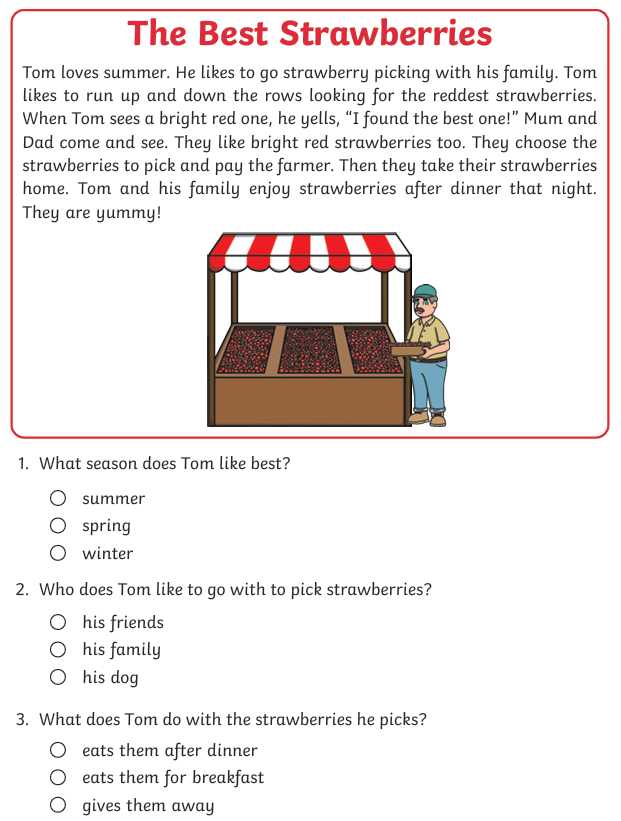
Shared read this text with your teacher:
Now use the clues in the text to help you answer these questions:
Inference
Do you think Barney believed what his grandmother and his sister told him about the pit? How do you know?
Why did Barney go to the pit that day? How do you know?
What did people use the chalk for? How do you know?
Why did Barney wish he was at the bottom of the pit? How do you know?
Prediction
What do you think will happen next? What makes you think that?
Adapted 2

Friday 19th June 2026
LC: To use drama in role (news reporter and victim) to write an independent victim report.
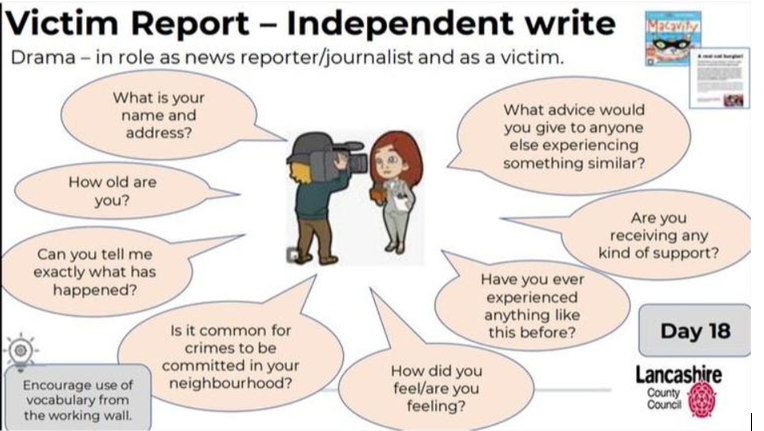
Discuss what kind of questions might a journalist ask a victim of a crime.
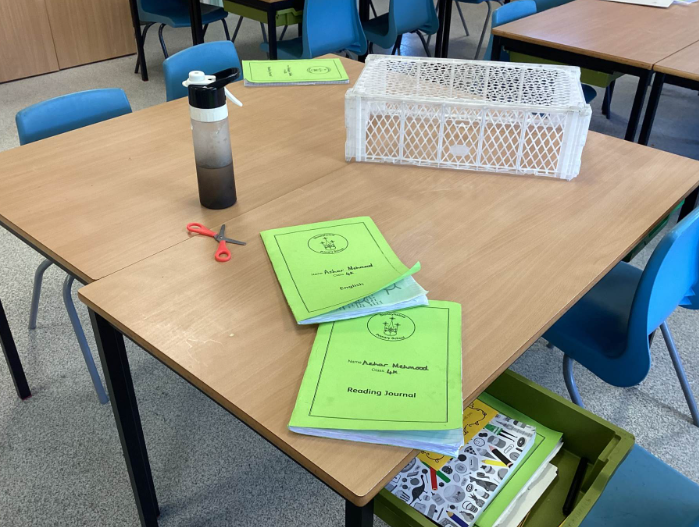
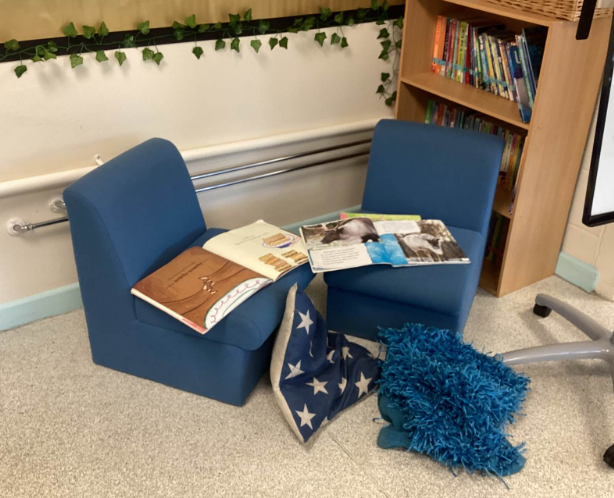
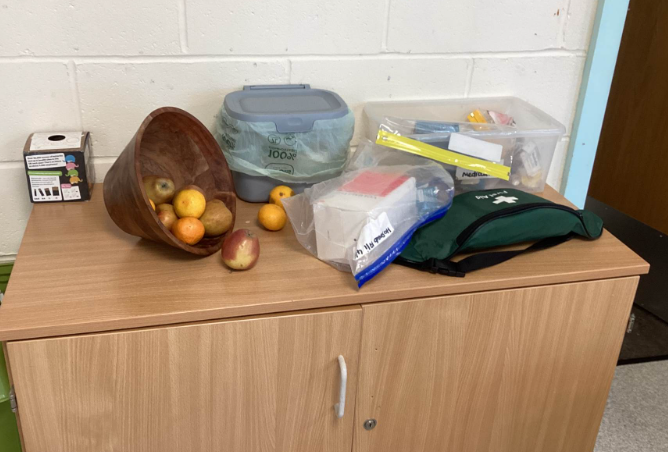
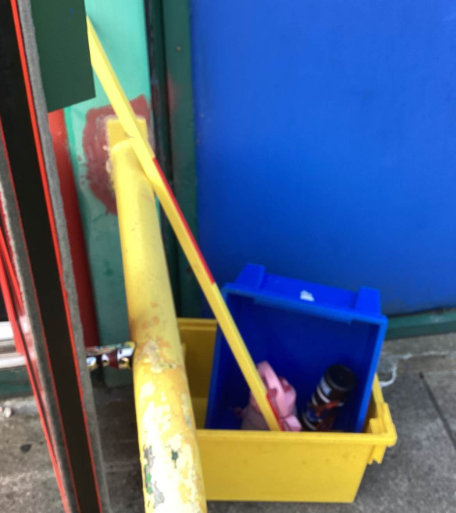
Drama: You are going to work in pairs and take on the role of a journalist and a victim to the crimes committed on Monday by Macavity.
Victim report
The victim report gives victims an opportunity to explain how the crime has affected them, physically, emotionally, psychologically, financially or in any other way.
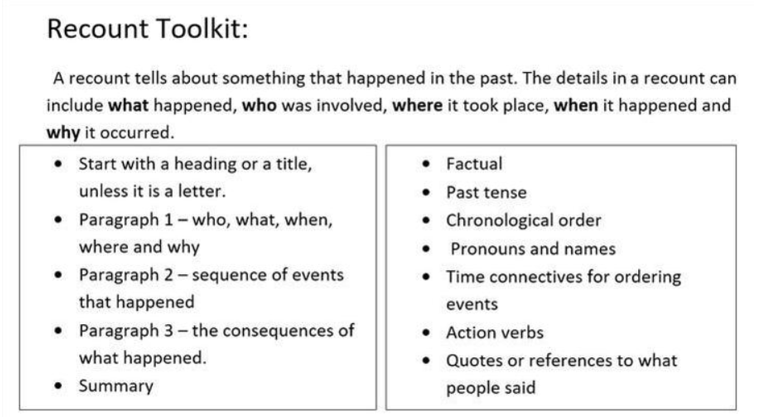
Task: Write a victim report for the journalist using the questions asked in your drama practice to help structure your report.
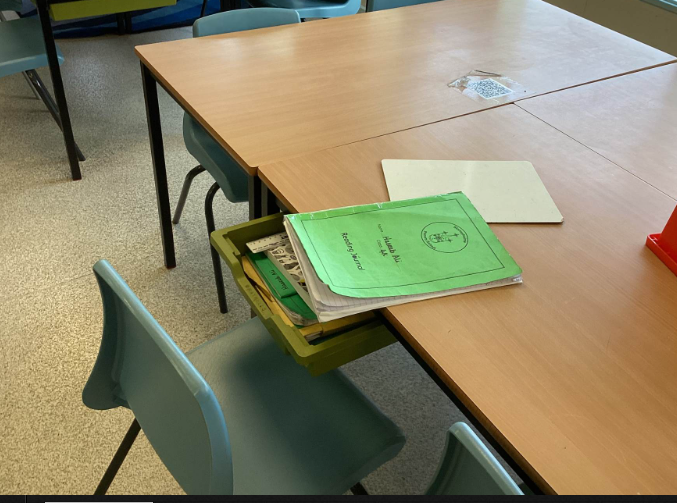
Last year on Monday the year 4 classroom was broken into by an unknown assailant.
You will be interviewing me (class teacher) and you will then be a writing a victim report on what happened.
Victim report
The victim report gives victims an opportunity to explain how the crime has affected them, physically, emotionally, psychologically, financially or in any other way.
19.06.26
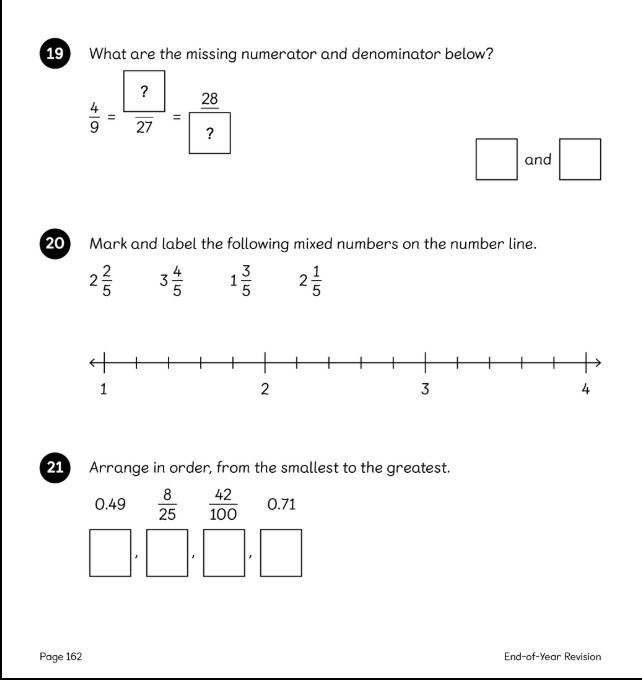
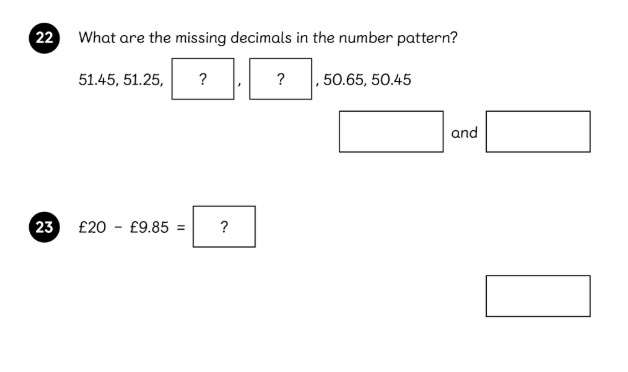
End of year revision
Key concepts to revise
Fractions
Numerator
Denominator
Equivalent fraction
Mixed number
Decimal
Converting fractions to decimals and vice-versa
Adapted
Friday 19th June 2026
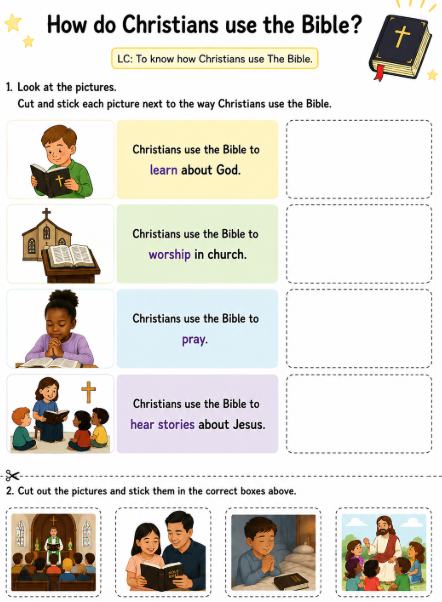
LC:To know how Christians use The Bible.
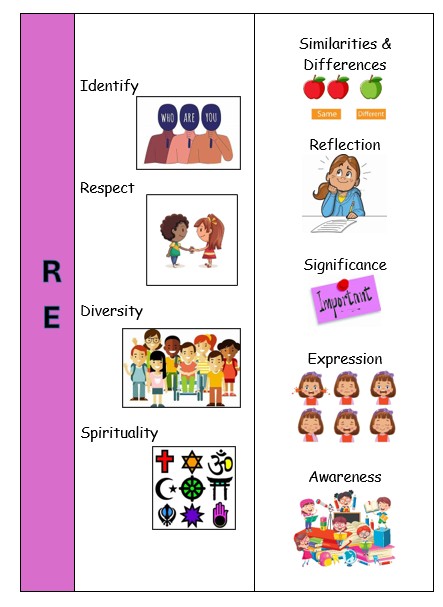
The Bible has many different uses for Christians. It can be seen as a guidebook for life where Christians can turn to for advice, guidance and reassurance.
Absolute Law
As the Bible is classed as the Word of God, some of the teachings within it are classed as absolute law. An absolute law is one that must be followed at all times, such as the Ten Commandments. Many Christians believe these are laws set down by God, so they must be obeyed.
Christianity teaches that some laws in the Bible are unchanging and apply in all situations. Many Christians believe they are expected to abide by these laws, and that people will be judged on this when they die
Some Christians today are known as Liberal Christians. This means they have a less literal interpretation of the Bible, and might not follow all laws in an absolute way. Many, however, still do.
An example of an absolute law found in the Bible is "You shall not murder". Some Christians believe that this law should be kept in all circumstances.
Guidance
The Bible is used by Christians to give them guidance about how they can live their lives in the way God would want them to. There is guidance in the Bible on many areas of life and Christians will turn to this advice when they are faced with a dilemma.
Worship
Another main use of the Bible is for it to be read during worship services and ceremonies. Passages from the Bible are read and discussed during regular worship services where the priest will read a certain passage of the Bible, this passage will often have some meaning, for example if there has been a disaster in the world the priest may choose to read a passage about a Christian's duty to help and pray for others.
Ceremonies
The Bible is important during rites of passage and ceremonies. In each ceremony there will be readings from the Bible. The scripture passages chosen will link the ceremonies to the life and teaching of Christ, for example:
- the story of Jesus’ baptism will be read during a christening ceremony, where the priest, vicar or minister may choose a passage about the importance of entering into the Christian faith and what it means to be a Christian
- during a marriage ceremony, passages about love and honouring your husband or wife are often read, eg Love is patient, love is kind. It does not boast, it is not proud... - 1 Corinthians 13:4
- passages from the Bible are read in funeral services to provide comfort to the loved ones of the deceased, eg So do not fear for I am with you; do not be dismayed, for I am your God. I will strengthen you and help you; I will uphold you with my righteous right hand - Isaiah 41:10
The Bible also acknowledges that when promises are made in such ceremonies, they are also made with God.
Watch this video on how 3 different Christians read The bible and use it in their lives:The Holy Bible
Task: Re- read the information above and describe in your own words the different ways that the Bible is used by Christians. It must be your own words to show that you understand.
Christians use The Bible in their lives by .
Adapted: