



Tuesday 9th June 2026


 Tuesday 9th June 2026
LC: Identify and describe some key physical features of the North West of England.
Use the information below to find out some key facts about the physical features of this region.
north west physical features.pdf
Running down the centre of northern Britain are the Pennines. The Pennines are a continuous range of mountains and hills in Northern England, often referred to as the "backbone of England." They stretch from the Scottish Borders south to the River Trent.
Now lets find out a little more about two of the counties in this region.
Lancashire
Can you remember your learning about Lancashire when you were in Year 3? What do you already know?
Lakes and Mountains
- There are some lakes in Lancashire but they are not very large. The largest lakes are in the county next to us.
- Lancashire doesn't have any volcanoes.
- Lancashire doesn't have any mountains but it does have many hills. Pendle hill is the nearest to being a mountain but it is still too small. Lancashire is quite a hilly area.
Your content here
Challenge
Go onto Google Earth and see if you can find Lancashire. Look around to find the names of some of rivers.
What hills can you see?
What else can you find out?
The Lake District
/i/video/Anne_Reid/The_Lake_District.mp4
lake district national park physical features.pdf
Task
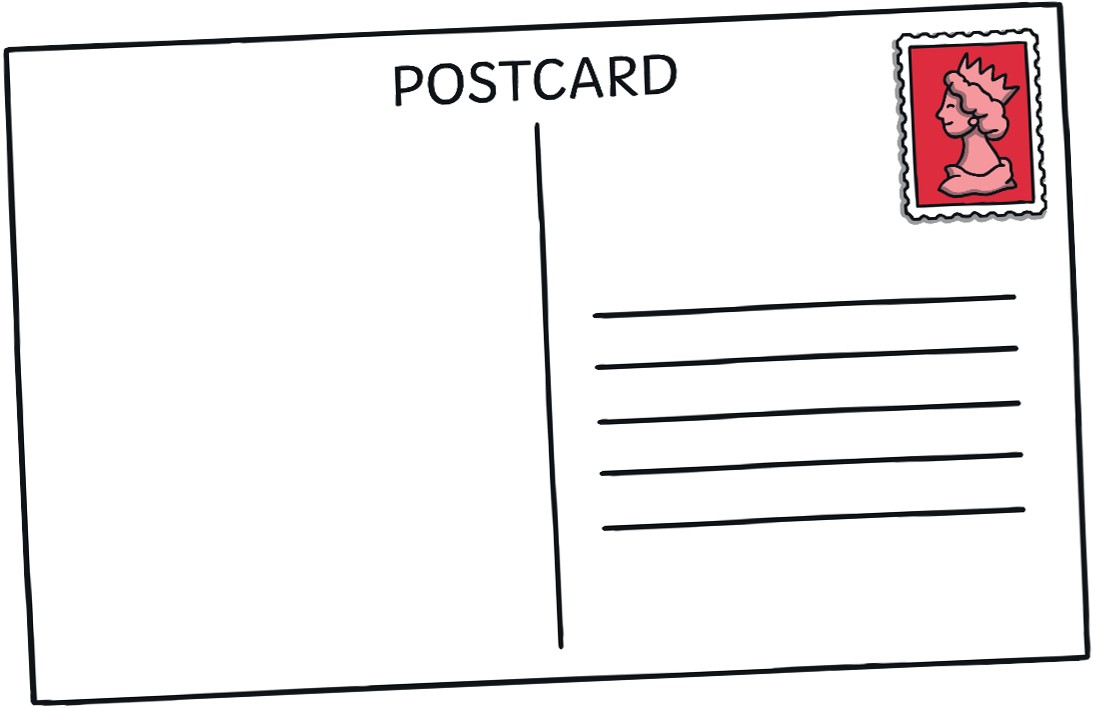
Create your own postcard by drawing a picture on the front and writing a description on the back of one part of the North West you have learned about.

Tuesday 9th June 2026
LC: To read and analyse a non-fiction transcript.
Task: Create a toolkit for a news report.
Teacher model:
neighbourhood cat burglar transcript 1 .pdf
Your turn: using the teacher model and toolkit we have created for the language used in news paper report transcripts analyse the language of the transcript below and test your toolkit.
News Report Transcript: Cat "Burglar" on Feline Stealing Frenzy
Reporter: This San Mateo neighbourhood has been burglarised more than six hundred times!
Small boy: He always steals stuff.
Reporter: Neighbours say that all the thefts were by one perpetrator. His name is Dusty. By day, a house cat, by night, a cunning thief. Dusty’s owners, Jean Chu and Jim Coleman say he leaves at night and usually returns with an item or two.
Jean Chu: Towels, gloves, shoes, socks, a little toy – children’s toys.
Reporter: He even took a pair of shoes, one at a time. It seems Dusty has a favourite target. I wonder what else he likes to steal?
Small boy: He took my Mum’s swimming clothes.
Reporter: He’s a sucker for bathing suits drying outside. A film crew even caught him in the act using night vision, but that didn’t stop his nightly capers. Dusty’s record is eleven items in one night. Neighbours don’t call the police.
Neighbour: No, we haven’t because we know where to go.
Reporter: They just walk over to Dusty’s place to see what the cat dragged in.
Noel Wagner News Associated Press
Language toolkit:
Exclamation sentence
apostrophes for contraction
noun phrases
subject specific language
complex sentence
questions
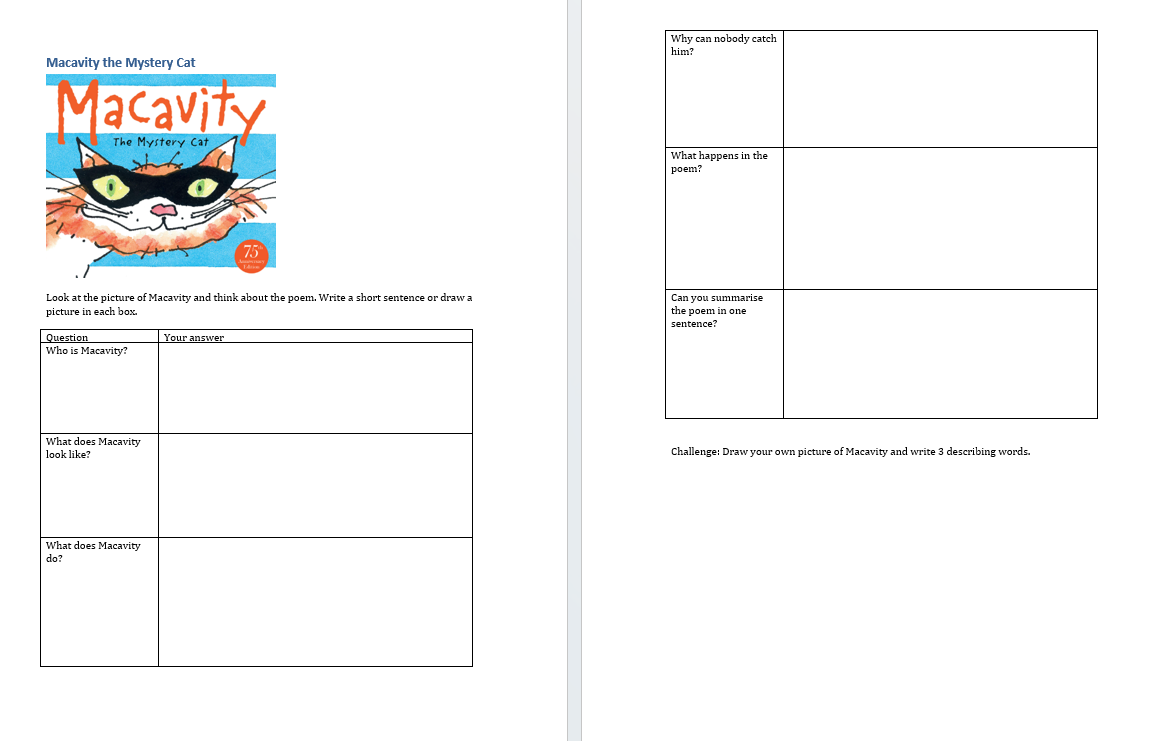
Adapted:


09.06.26
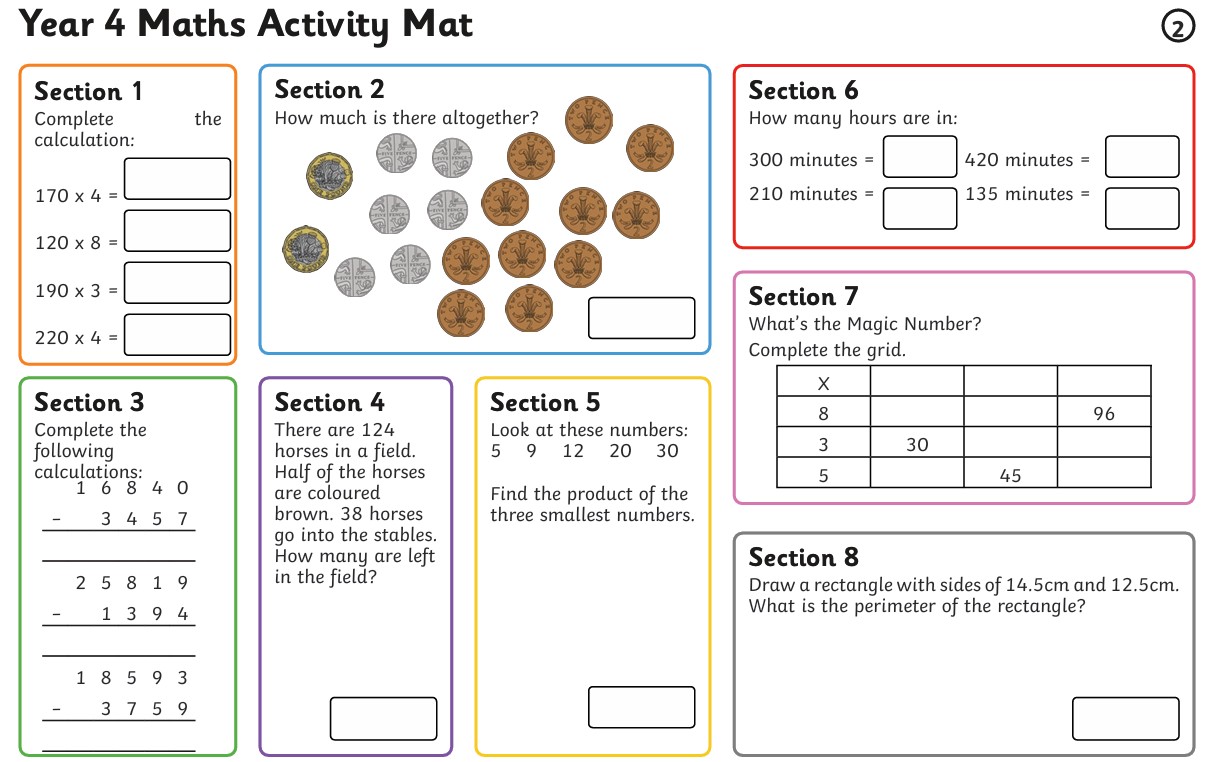
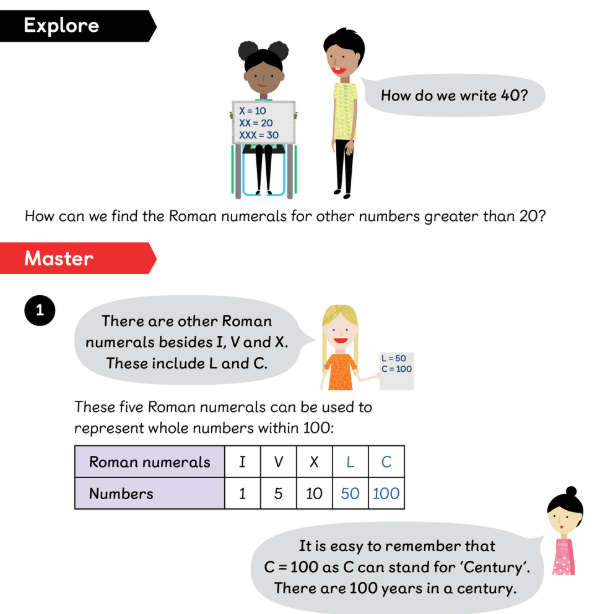
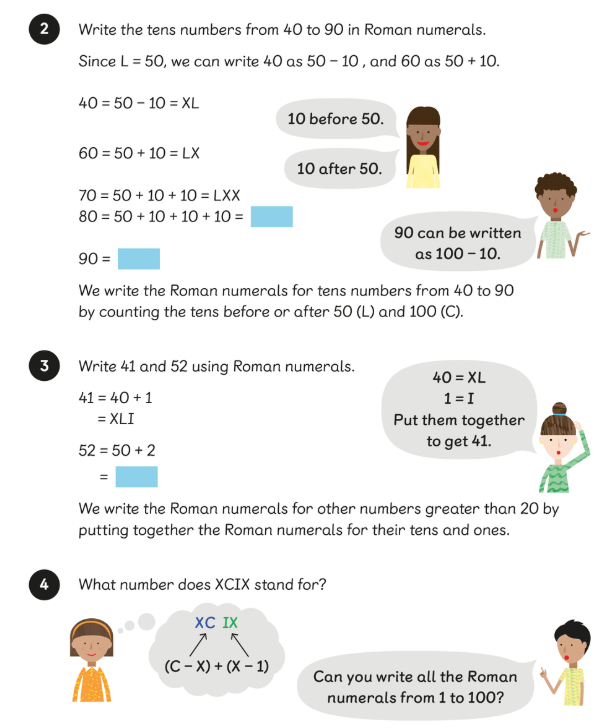
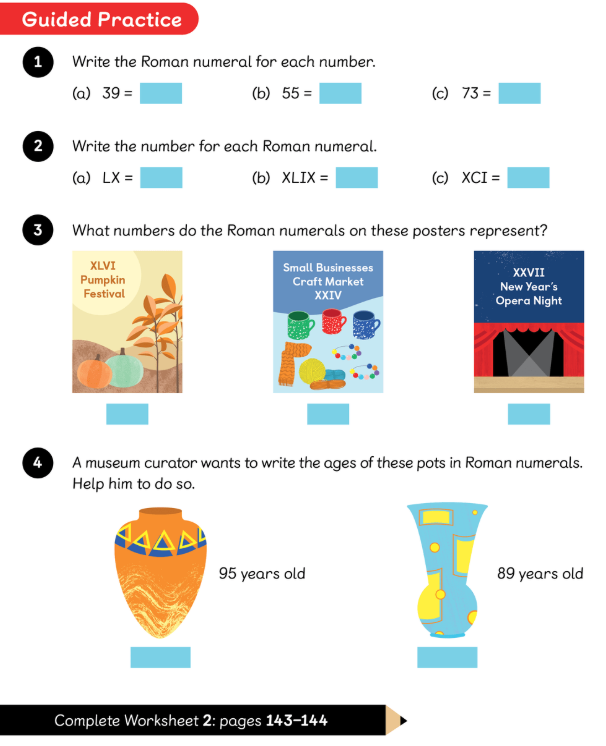
LC: To be able to read and write Roman numerals to 100.
Adapted

Tuesday 9th June 2025
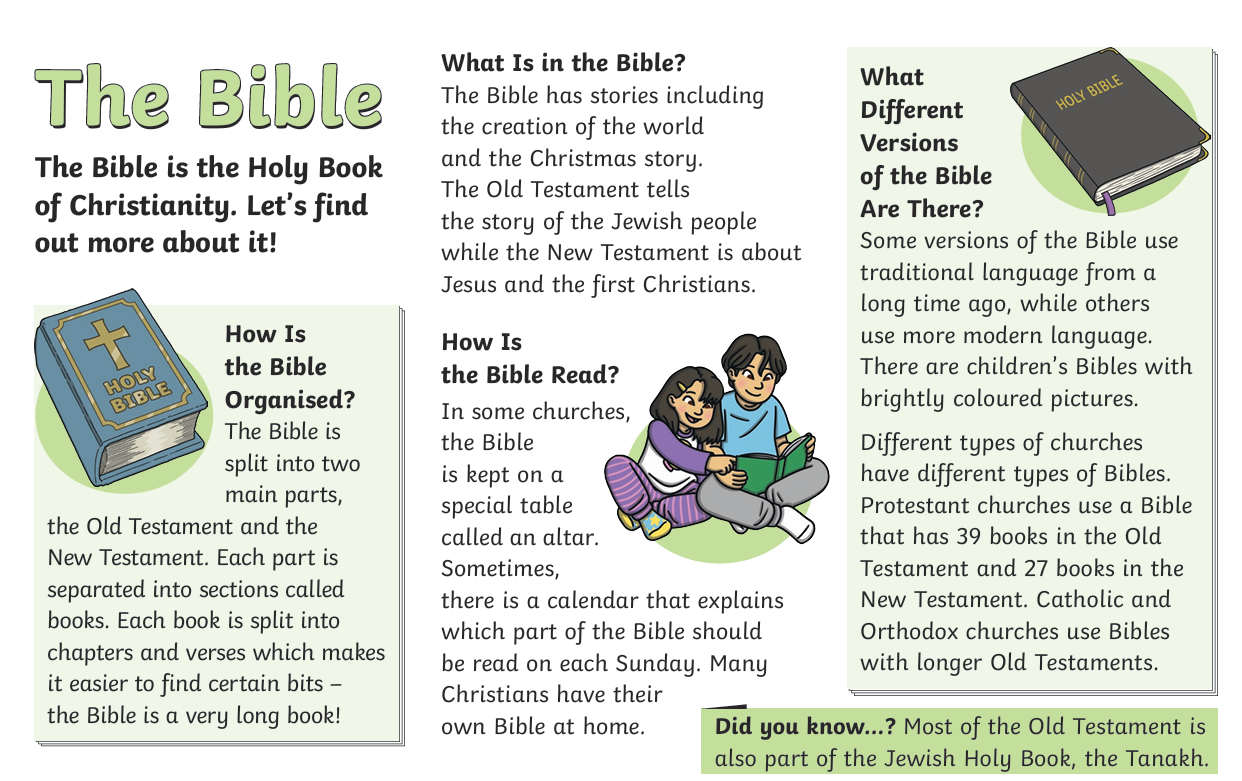
LC: Identify the different genres found in the Bible.
When we go to the library, we can choose from a large selection of books. These books contain different genres of writing.
With your group, , write down as many different genres of writing as you can.
Why do you think people write in these different ways?
What is the purpose of these genres?
Whose sacred text is this?
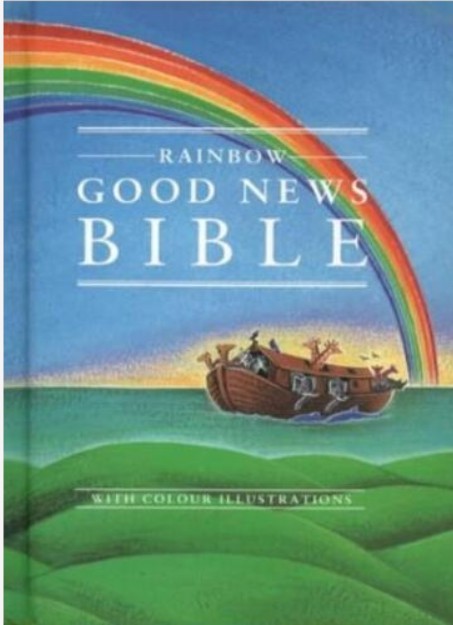 What do you already know about the Bible?
Unlike many other sacred texts, there are different versions of the Bible. People have rewritten it to make it easier to understand.
The Bible was put together over a long period of time and is really a collection of books, written by different authors at different times. It is like a library of books all put together.
The next image shows the contents page of a Bible.
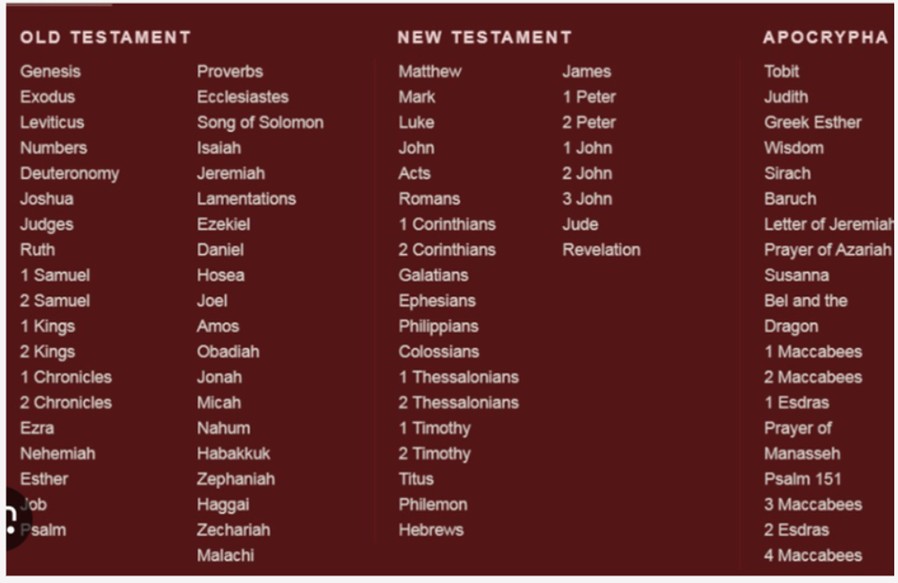 We know that the Bible contains stories - we have read and explored some of them. But is it just a book of stories?
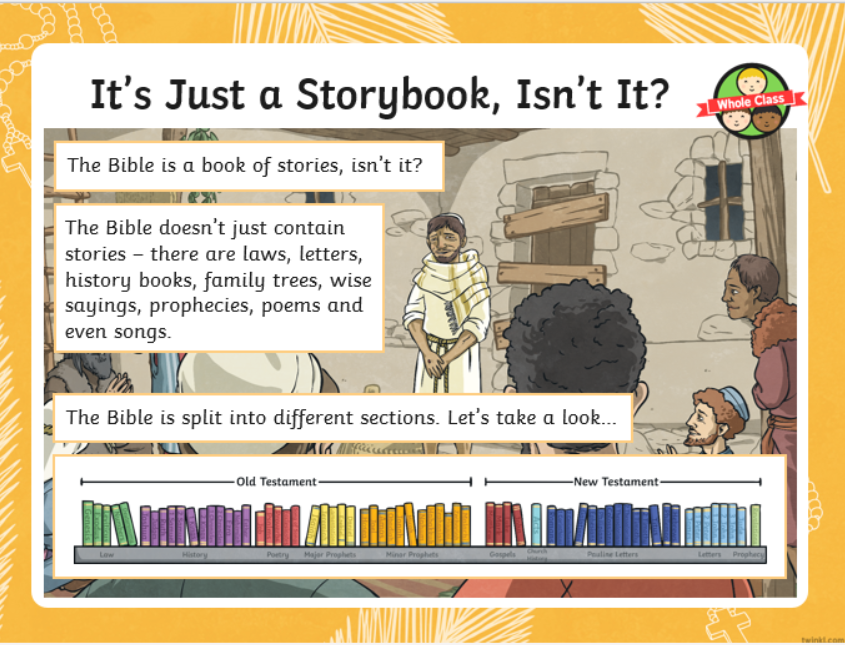
Look at a piece of text from the Bible. Do you remember it? What genre of writing is it?
There was once a man travelling from Jerusalem to Jericho, and on a lonely stretch of road some robbers attacked him. They stripped him, beat him up and left him half dead.
What about this one?
Love is patient, love is kind. It does not envy, it does not boast, it is not proud. It is not rude, it is not self-seeking, it is not easily angered, it keeps no record of wrongs. Love does not delight in evil but rejoices with the truth. It always protects, always trusts, always hopes, always perseveres. Love never fails...
And now these three remain: faith, hope and love. But the greatest of these is love.
Is it a story, a law, a psalm (poem or song) or a letter?
Now let's see if you can identify the genre of some more extracts from the Bible. For each one, write what type of text you think it is and why.
Choose from:
Psalm (song or poetry)
History
Narrative (Story)
A prophecy
A law
Parable ( Story with a message)
Proverbs (wisdom)
Letter
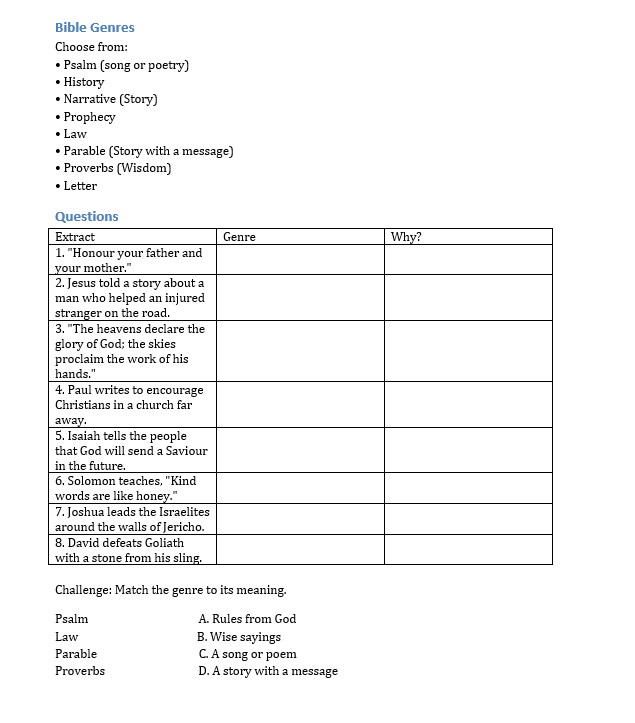
Adapted:
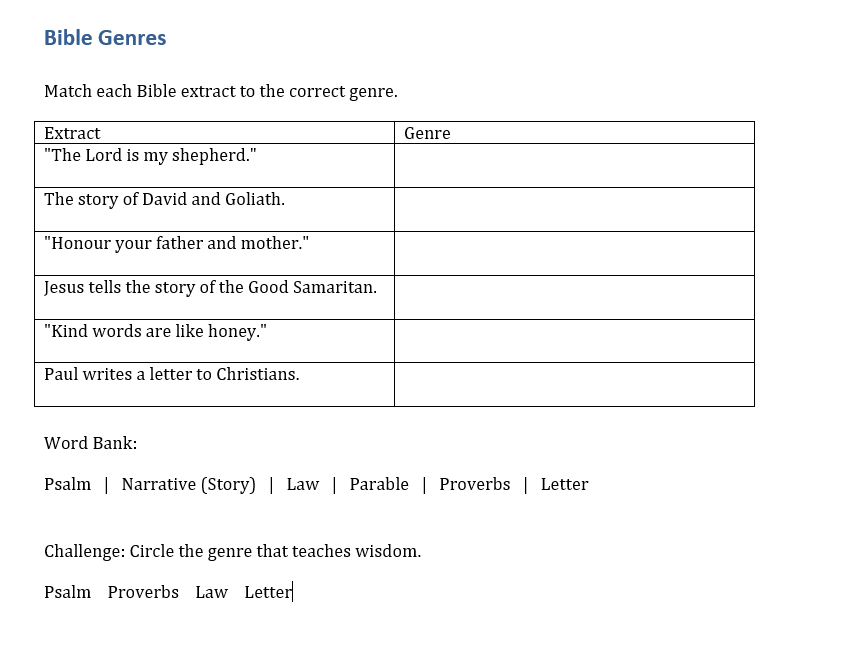
Adapted Group 2:
Eco activities:
Create a graph/chart to show the favourite animals of children in
class.