



Thursday 7th May 2026

Thursday 7th May 2026
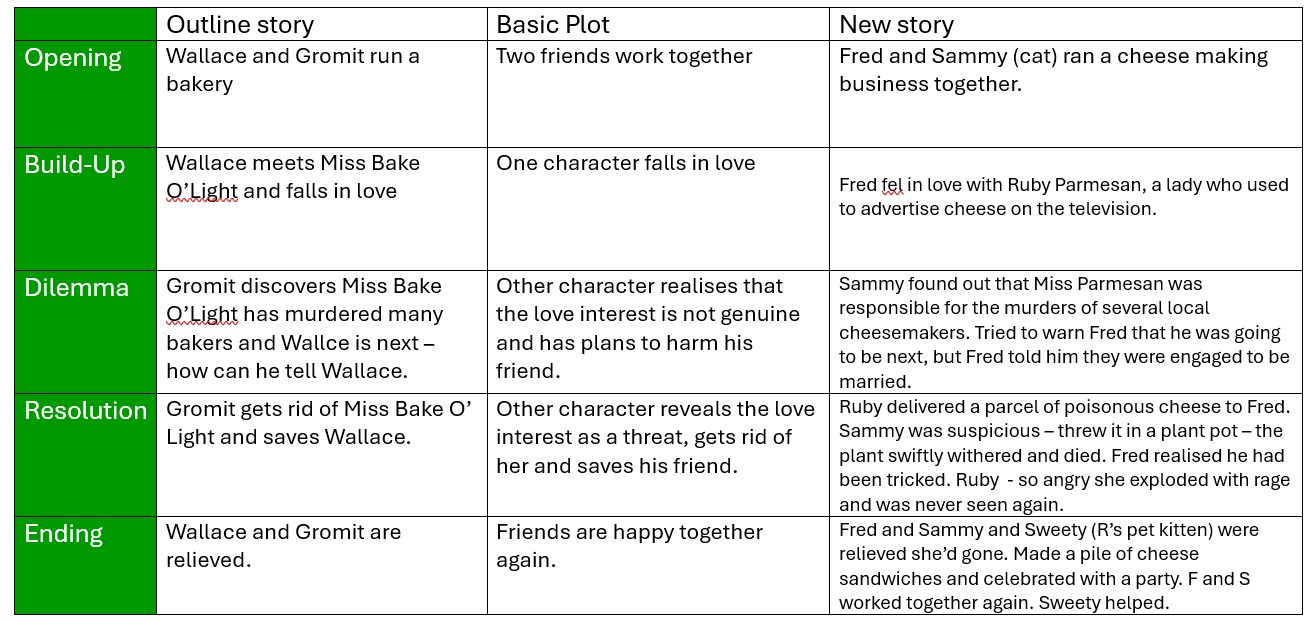
LC: Use a plan to write a story with a dilemma.
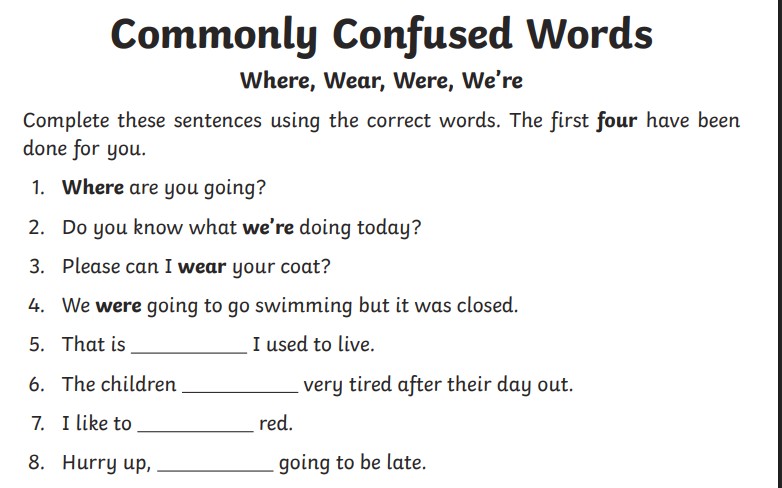
Remember what to include to make your writing effective.
Remember to be the first reader of your writing. Keep going back and rereading to check for sense, the correct use of punctuation etc.
07.05.26
LC: To be able to identify lines of symmetry in 2D shapes.
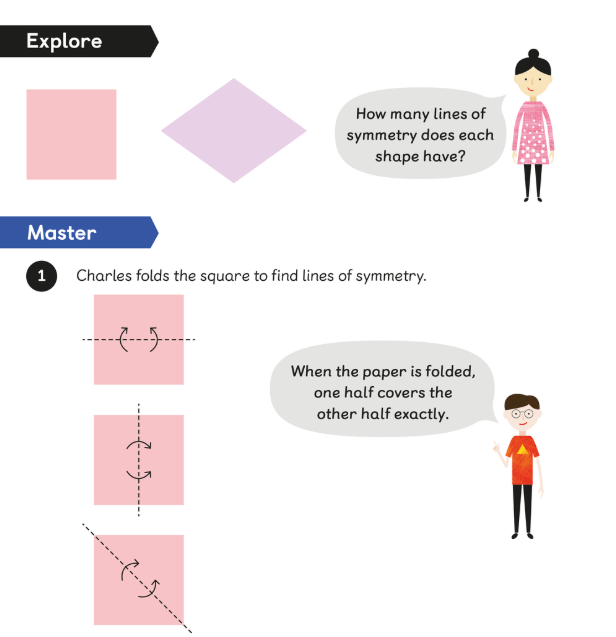
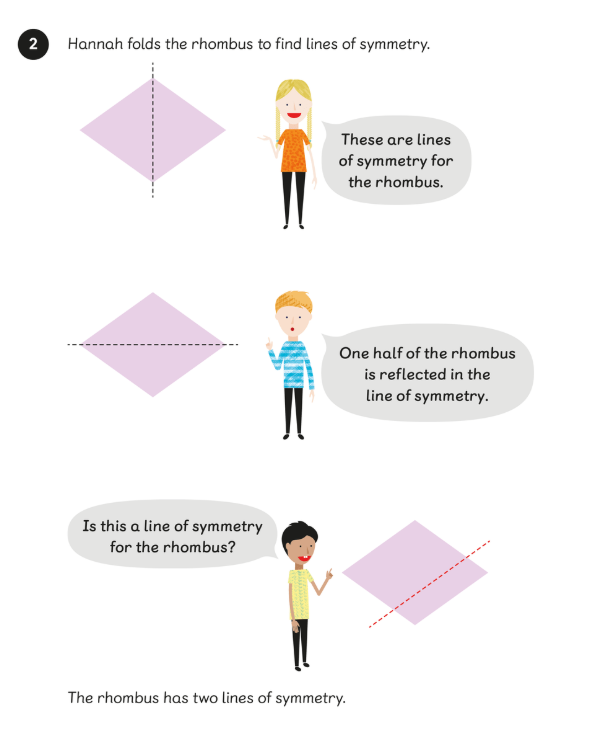
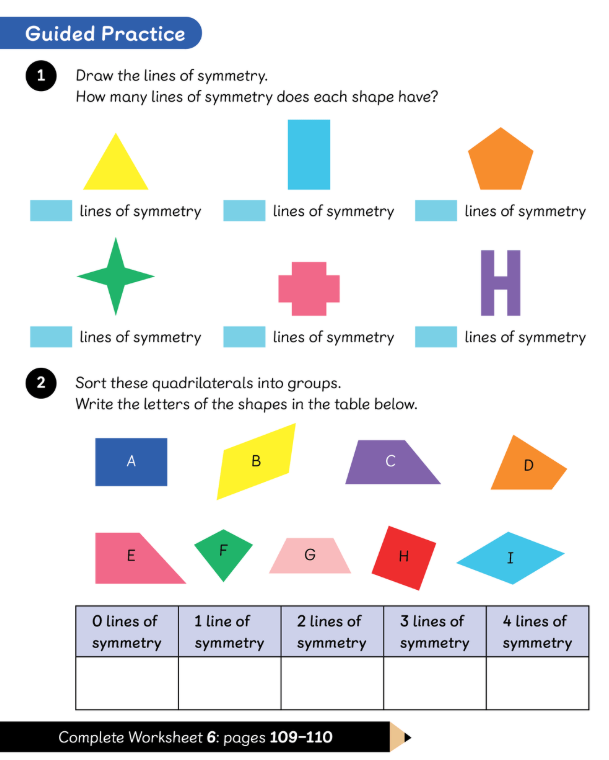
Adapted Group 2
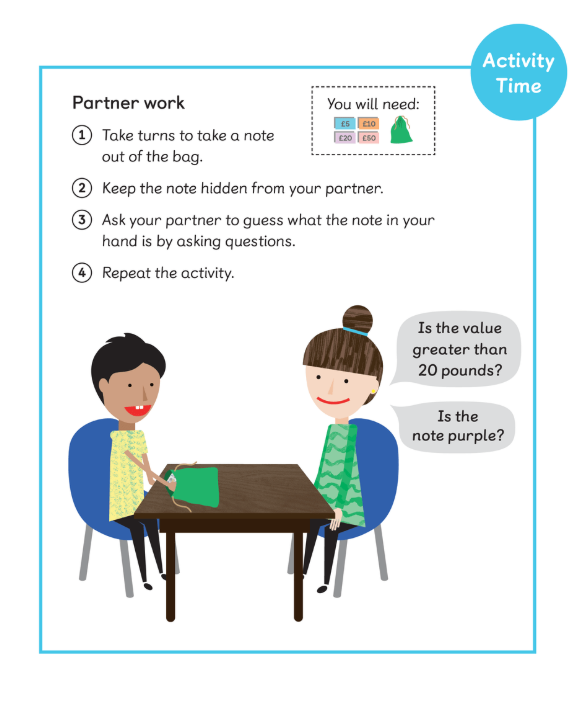
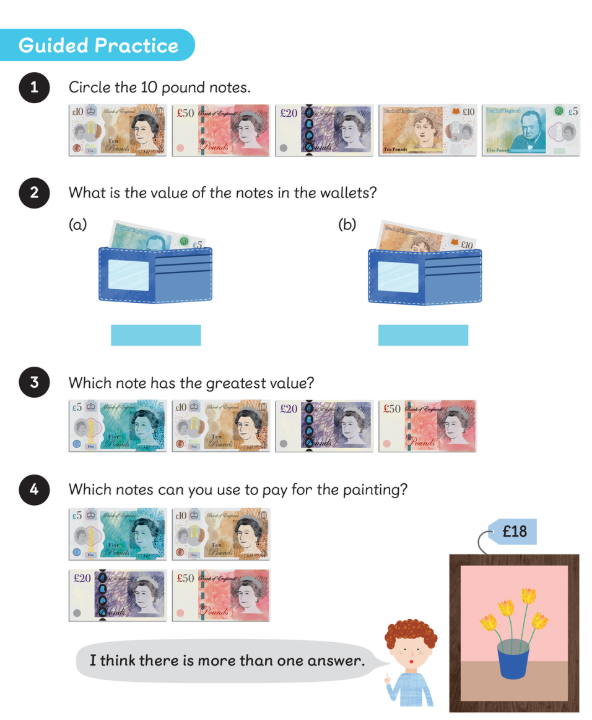
LC: To recognise money-notes.
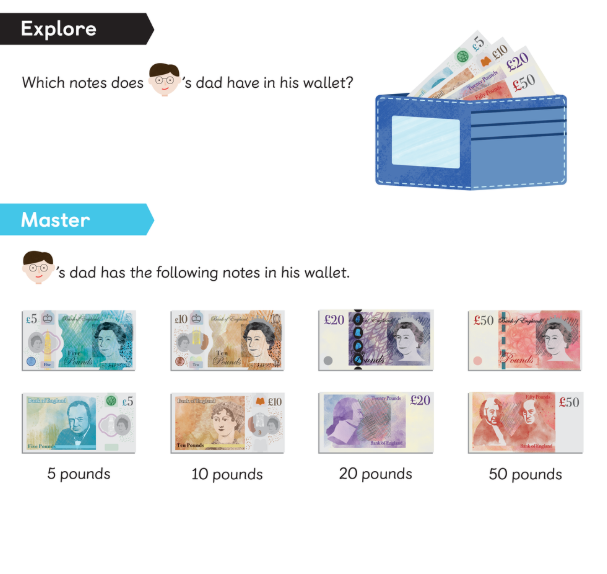
Review
Take Your Pick
Write the correct spelling in each pair of words.
|
league |
leeg |
|
plague |
plage |
|
tong |
tongue |
|
dialogue |
dialoge |
|
vague |
vaig |
|
intrigue |
intreeg |
|
catalog |
catalogue |
|
fateeg |
fatigue |
Learning
Focus: The /k/ sound spelt -que, e.g. antique.
Read these words with me:
antique
technique
boutique
mosque
plaque
opaque
oblique
physique
Can you identify the common sound in each word?
How is the /k/ sound spelt?
These words are French in origin, just like those with the gue spelling (see Session 1). Like gue, que typically is at the end of a word.
The most common grapheme for the /k/ sound is c (cat, act, music).
Other graphemes include:
- - ck (back, pocket)
- - ch (school)
Practise
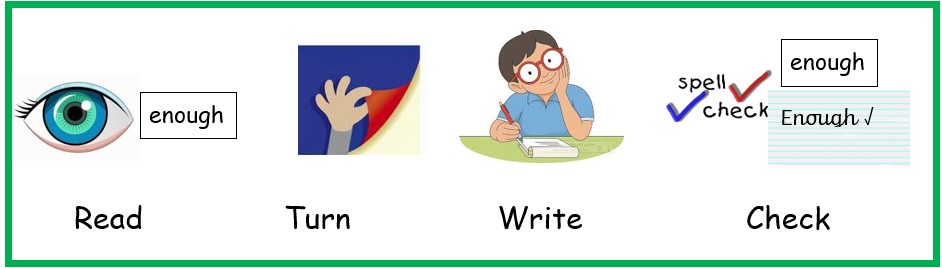
Practise spelling these words:
antique
unique
technique
boutique
mosque
conquer
oblique
physique
Apply two or three words in a sentence, orally and in writing.
Looking Inward First
“What helps people improve—criticism or support?”
Message:
Jesus isn’t saying we should ignore problems. Instead, he teaches that we should first take responsibility for our own behaviour.
When we work on ourselves, we are better able to help others—not by judging, but by supporting.
Key takeaway:
Self-awareness helps us become better friends, classmates, and people.
Reflection:
Think quietly:
- What is one thing I could improve about myself?
- How can I help someone today without judging them?
Take a deep breath and set a small goal for today.