


Friday 8th May 2026

RIC
The queue snaked back and forth around the railings and then continued on for several metres. Cooper went to the end of the line and waited. It was a swelteringly hot day and the local pool was full to capacity. Kids were waiting until the lifeguards weren’t looking to run on the concrete or to do a forbidden dive bomb into the pool. The blues of the water and the shade sails were made brighter by the harsh white light from the hot sun, while the cloudless sky looked washed out. Teenagers in their bathers were playing with flying discs or kicking a football on the grass. The centre smelt of chlorine, wet concrete and sausages with onions cooked on barbeques. Cooper stood there taking it all in as the line crept slowly forward. He glanced back to the other side of the complex to where he had been sitting under the tree but he couldn’t see his friends. Perhaps they had gone back into the pool. Little by little, he moved forward.
R: Where is cooper waiting?
I: What tells you Cooper is a good friend?
C: What words describe the weather on that day?
Friday 8th May 2026
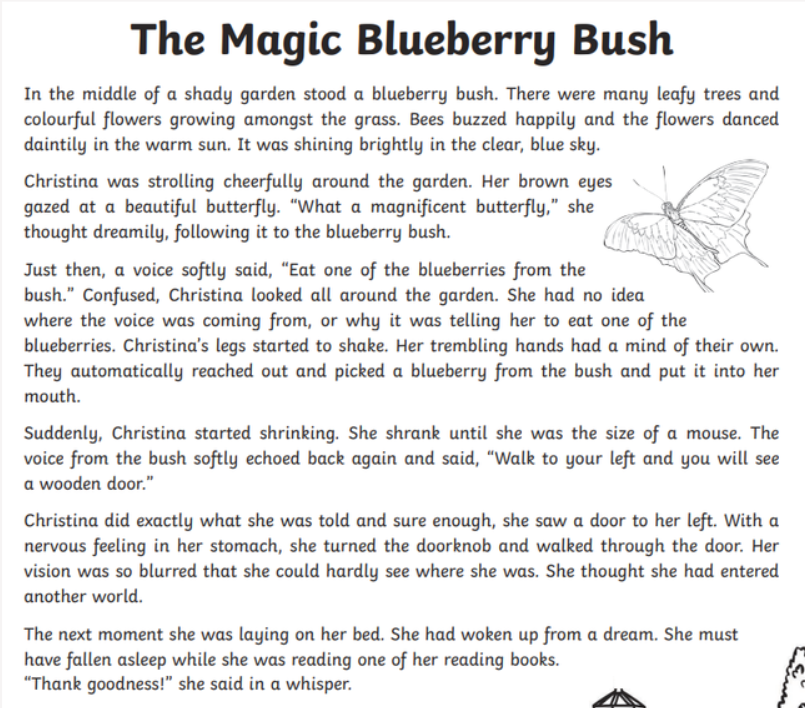
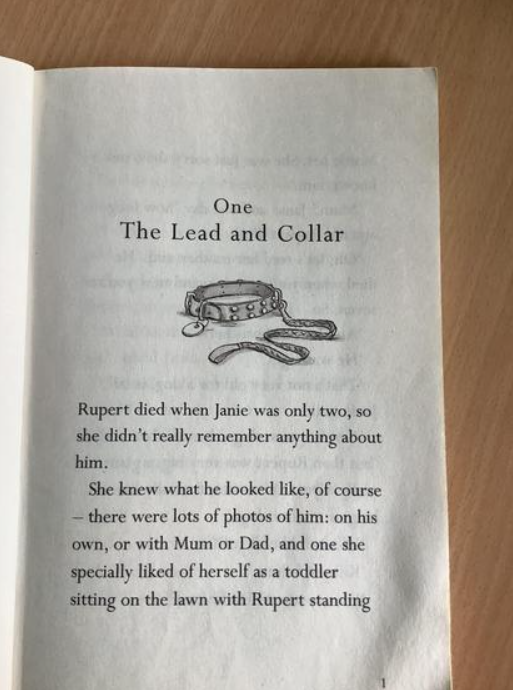
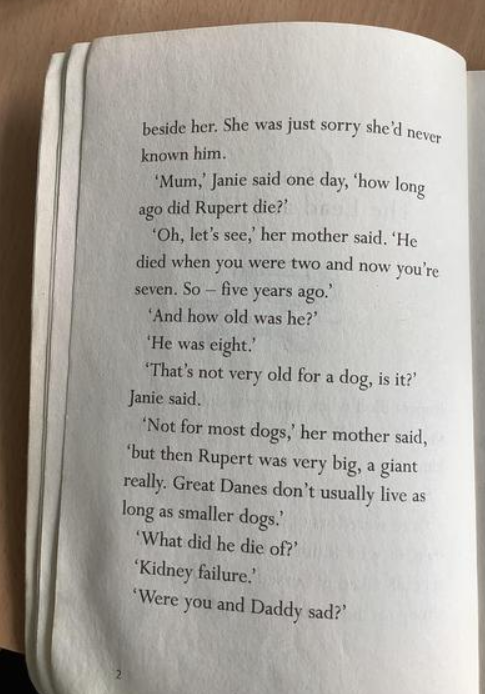
LC: To identify the main ideas drawn from more than one paragraph and summarise these.
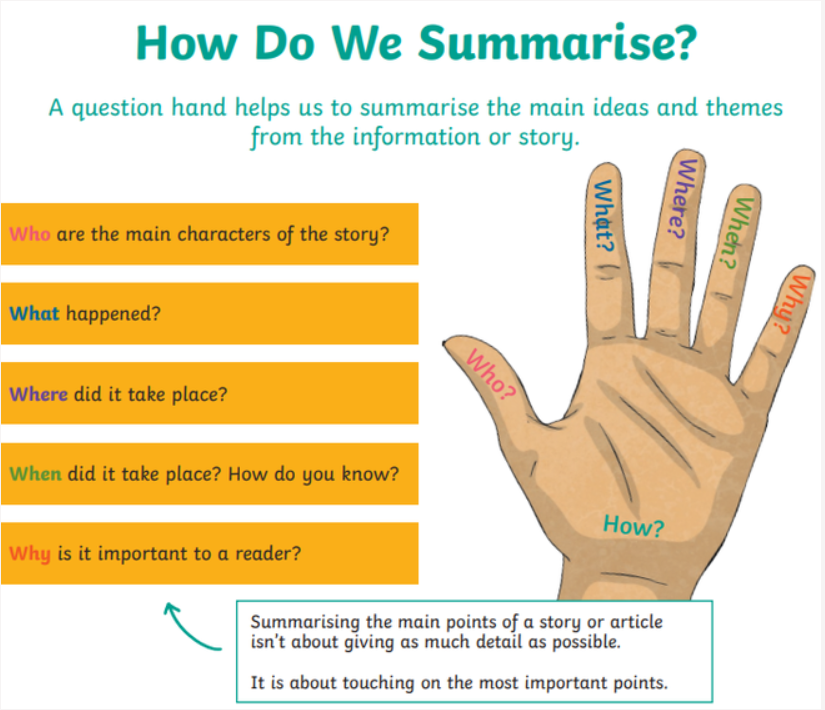
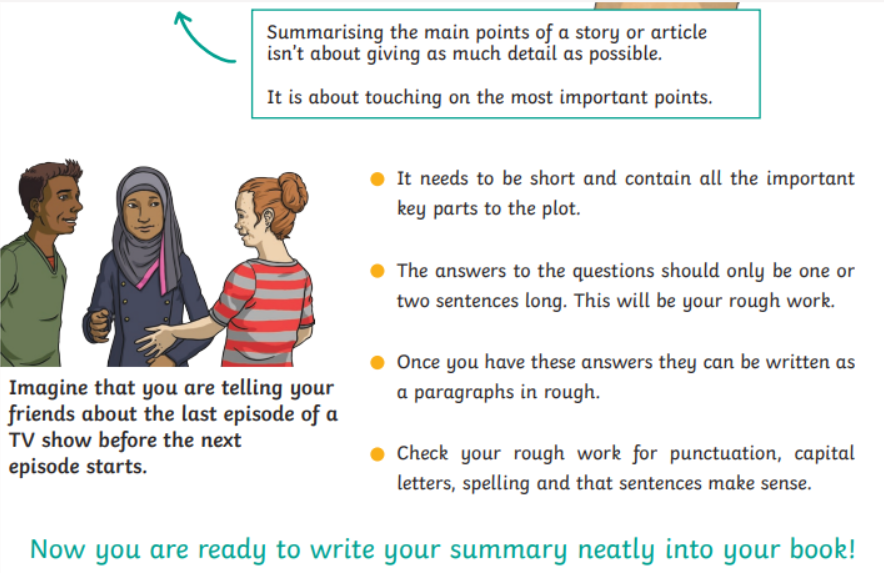
Teacher model: using the prompts on the hand summarise the paragraphs in 6 sentences.
Who:
What:
When:
Where:
Why:
How:
Your turn: using the prompts on the hand summarise the paragraphs in 6 sentences. Remember you must include all of the important information.
Who:
What:
When:
Where:
Why:
How:
Adapted Group 2
Friday 8th May 2026
LC: Use a plan to write a story with a dilemma.
Re-visit your plan to remind yourself of the ideas you had and how the plot of your story is going to develop.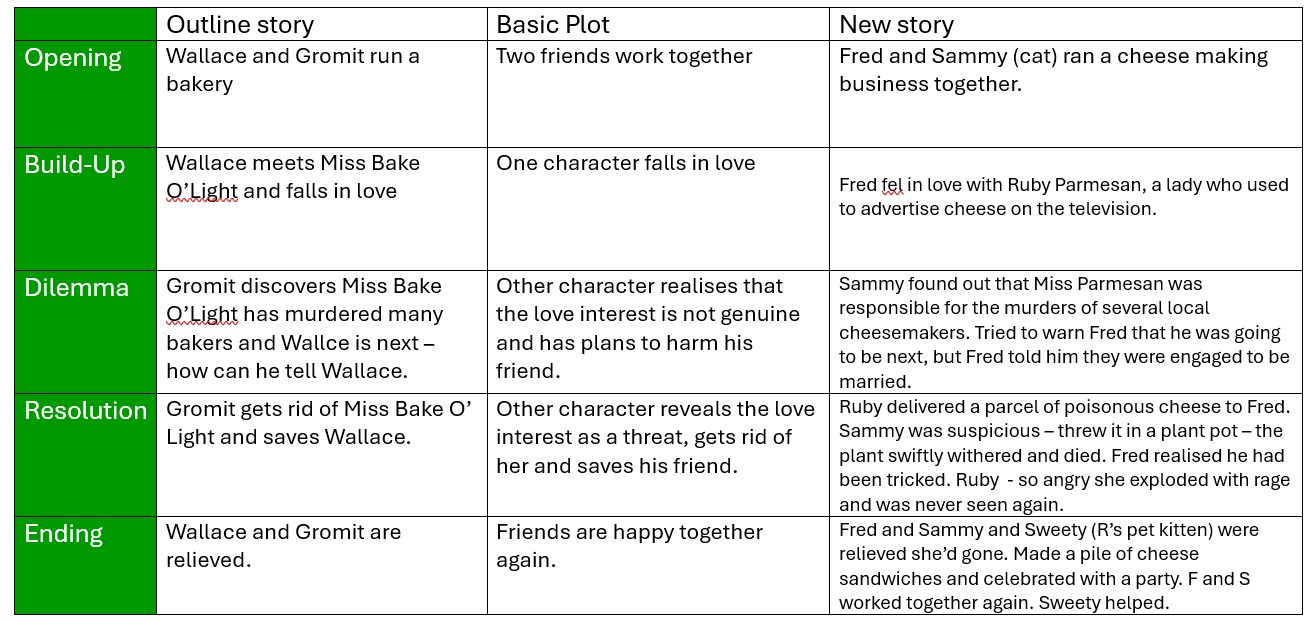
Reread what you have written so far so that you can smoothly move onto the next part.
Remember what to include to make your writing effective.
Remember to be the first reader of your writing. Keep going back and rereading to check for sense, the correct use of punctuation etc.
08.05.26
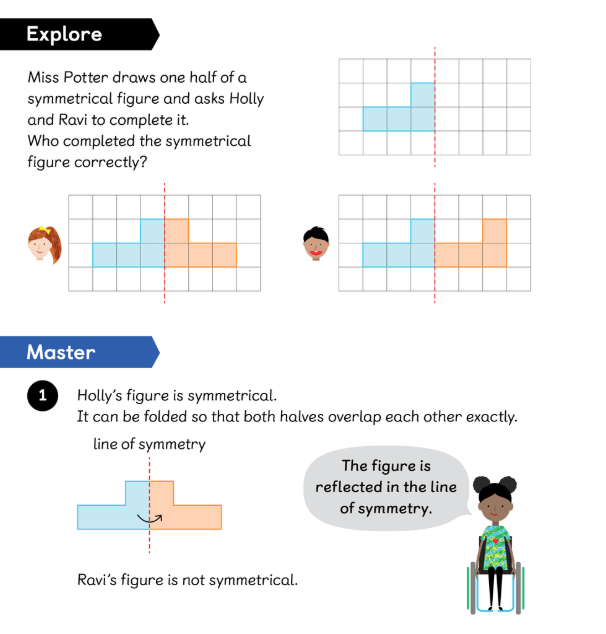
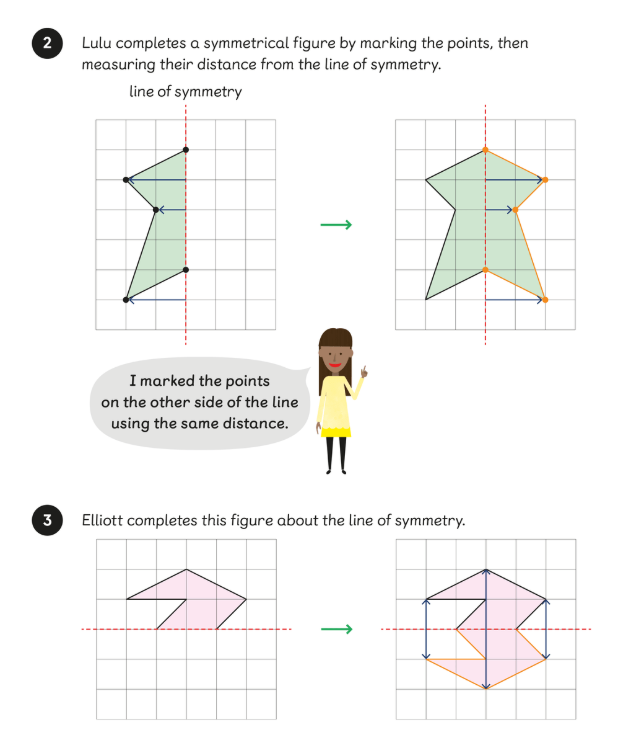
LC: To be able to complete a simple symmetric figure that relates to a specific line of symmetry.
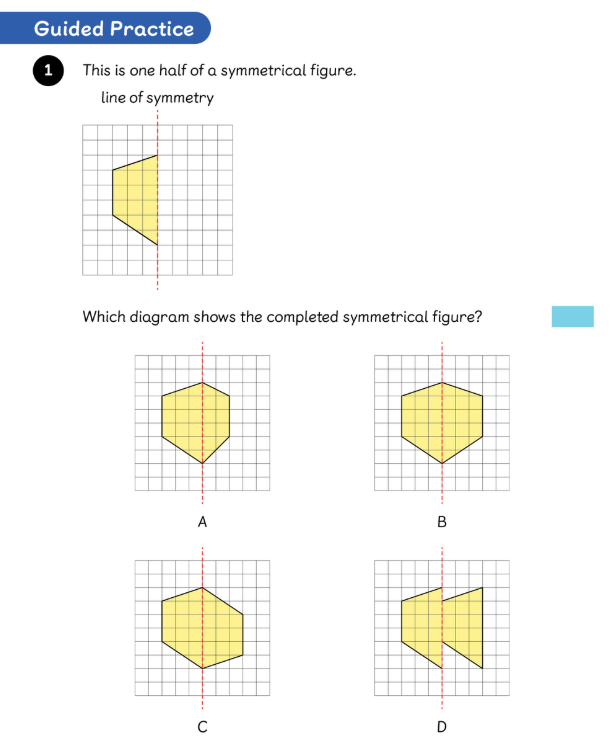
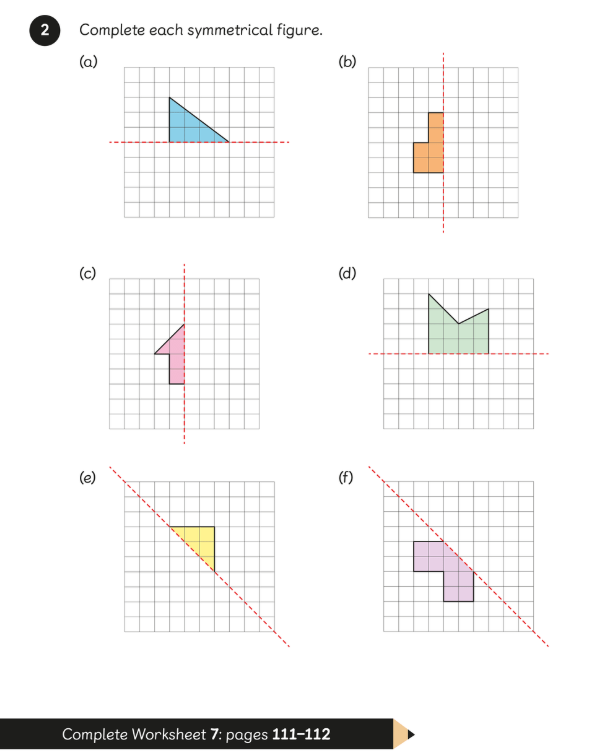
Adapted Group 2:
LC: Recognising money- notes
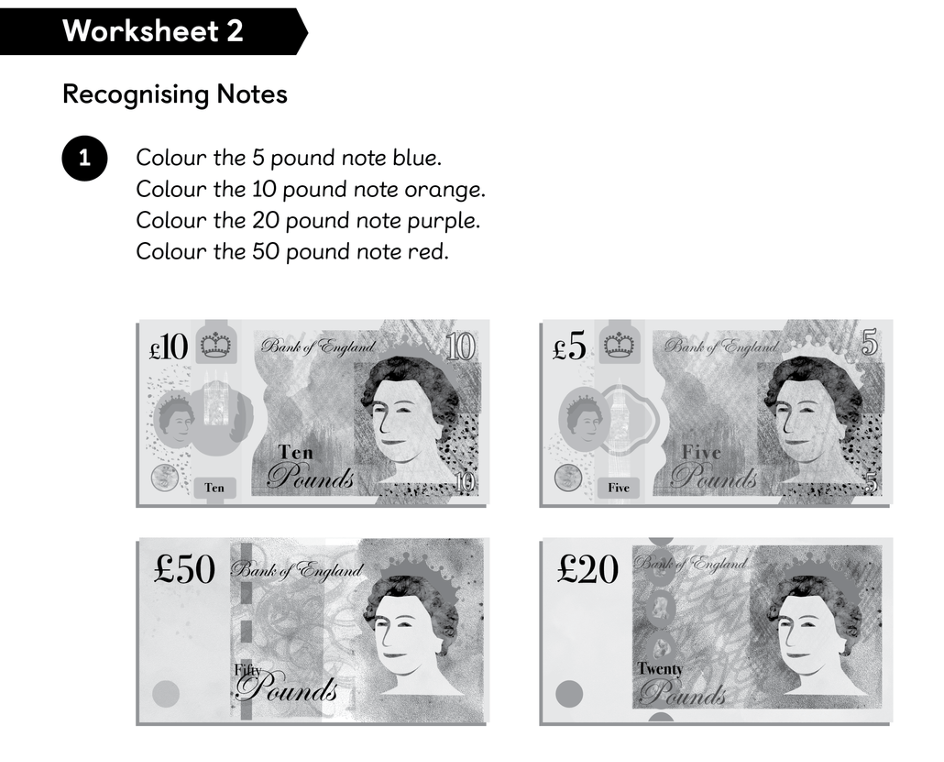
Review
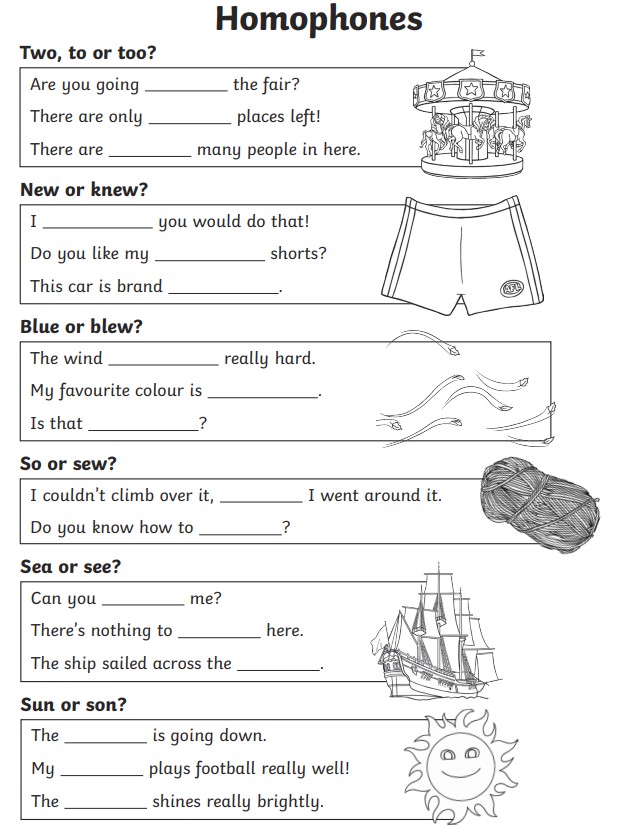
Use the Sticky Word Strategy Colourful Words to practise spelling these words:
unique boutique conquer physique
tongue vague dialogue intrigue
Learning
Focus: The /g/ sound spelt -gue and the /k/ sound spelt -que, e.g. tongue, antique.
Can you remember words in which the spellings of the sounds /g/ is -gue?
Can you remember words in which the spellings of the sound /k/ is - que?
Sentence Doctor
Can we correct these sentences together?
Wen it opend the new busyness put a shinee plack on the wall.
Wos it possibel for the playgg to wipe out a hole town?
Practise and Apply
Sentence Doctor
Now have a go at correcting the wrong spellings in these sentences.
The bootike in the senter of town sent me a cloths catalog.
I wos so buzy talkin that I bit my tong by akxident.
The mosk stud on the oposit side of the rivver.
The runners phiseek showd that he traned reglarlee.

Friday 8th May 2026
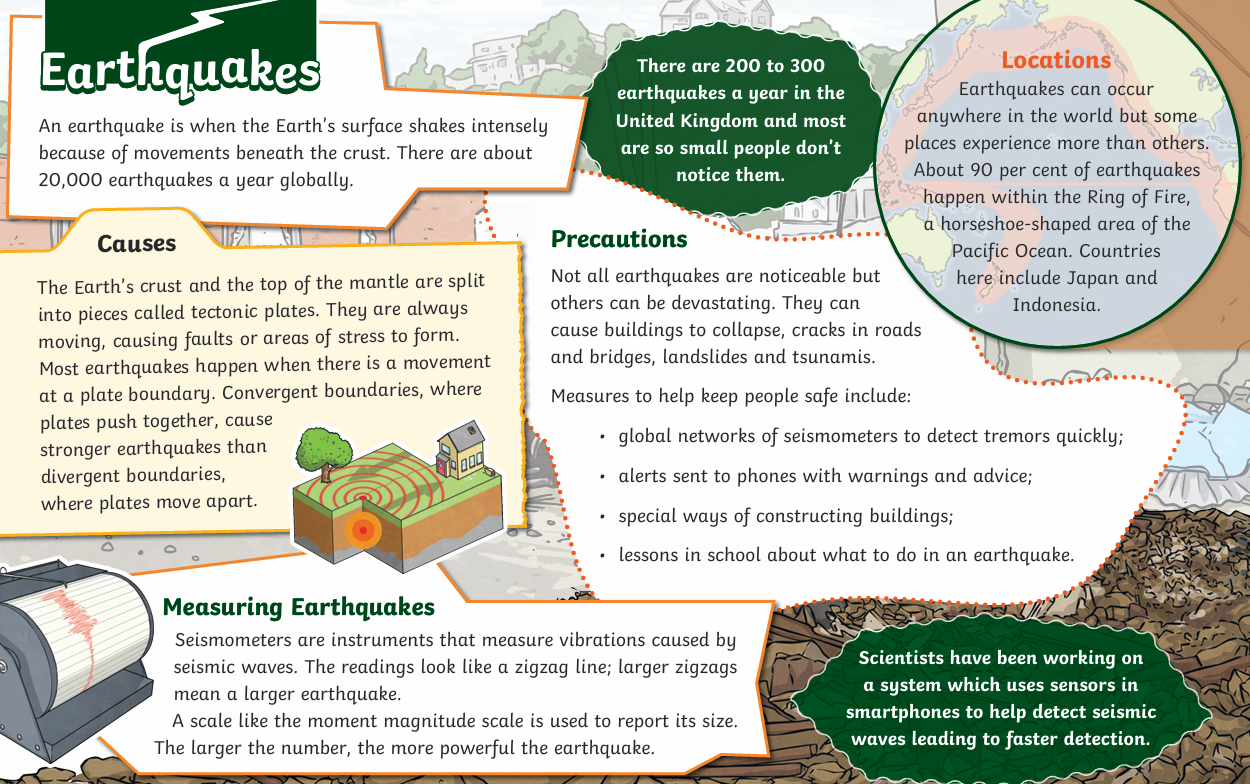
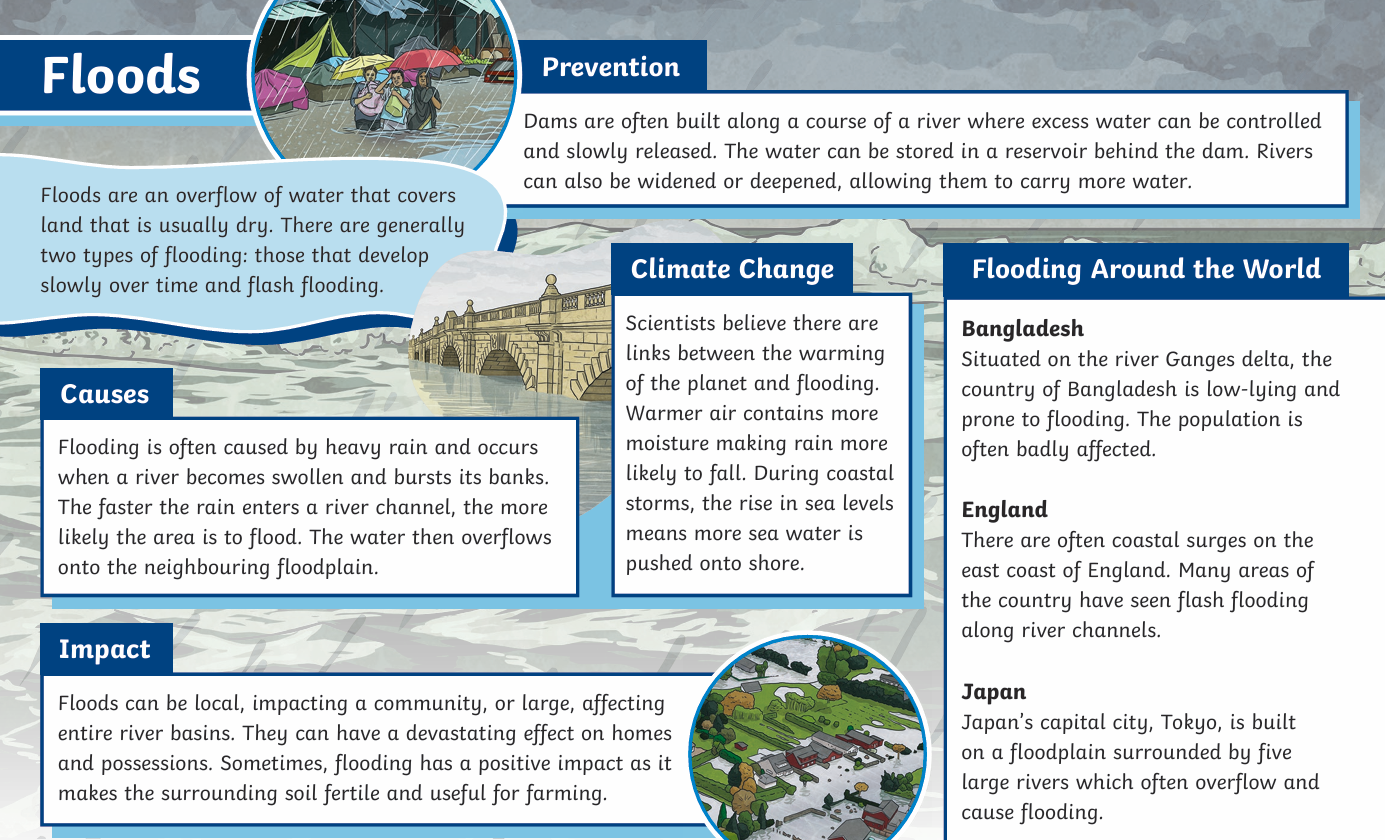
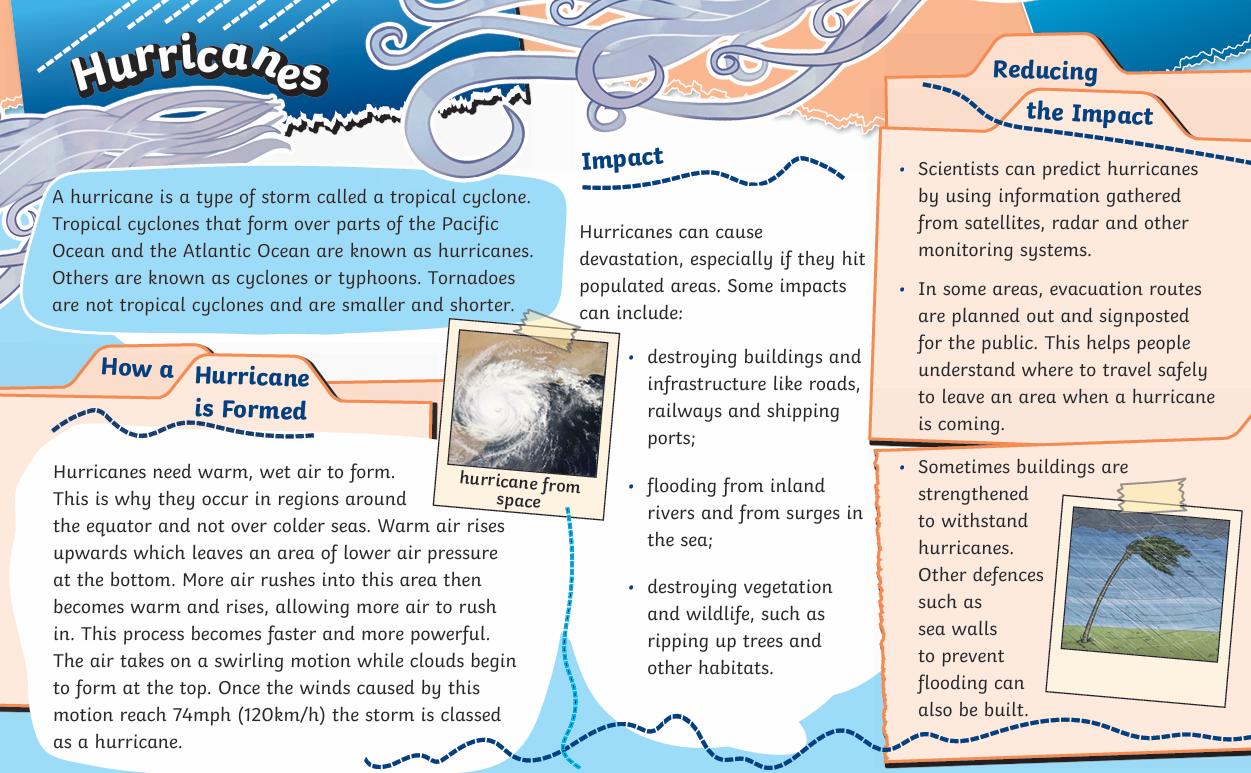
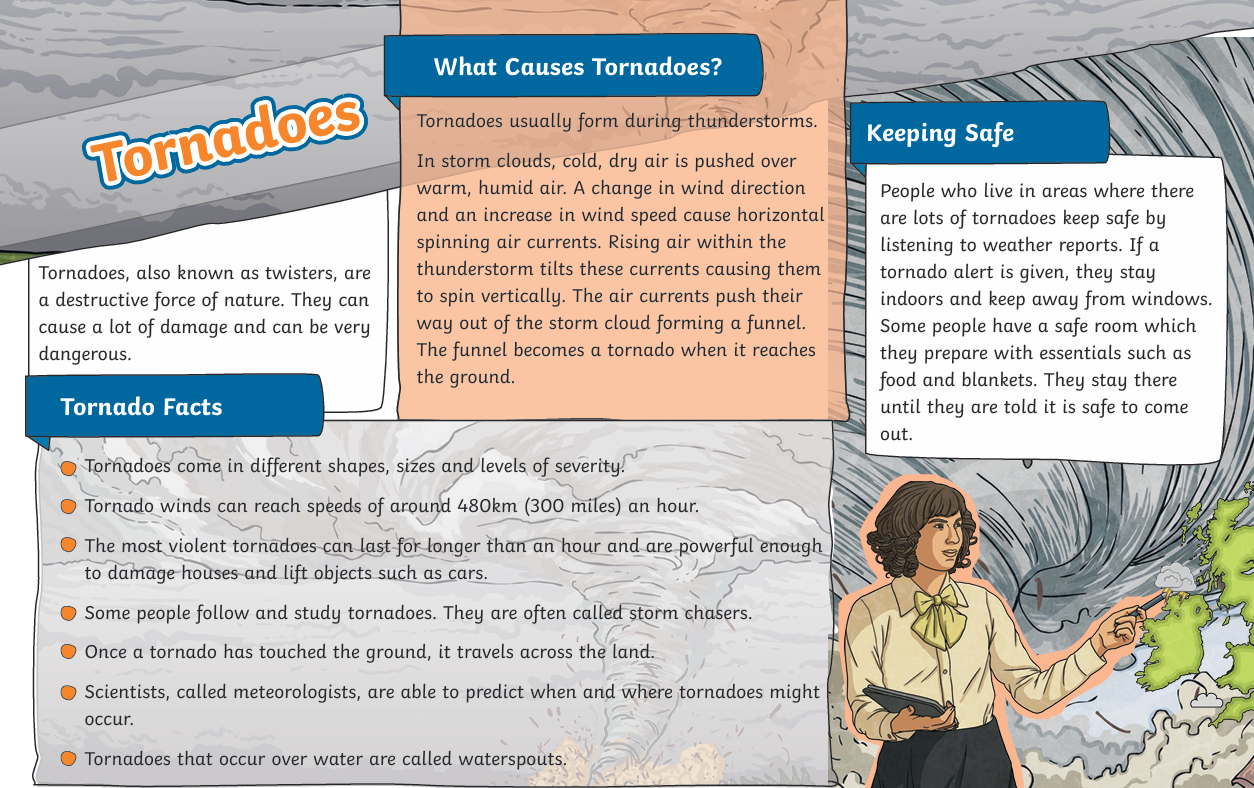
LC: To know how natural disasters affect living things.
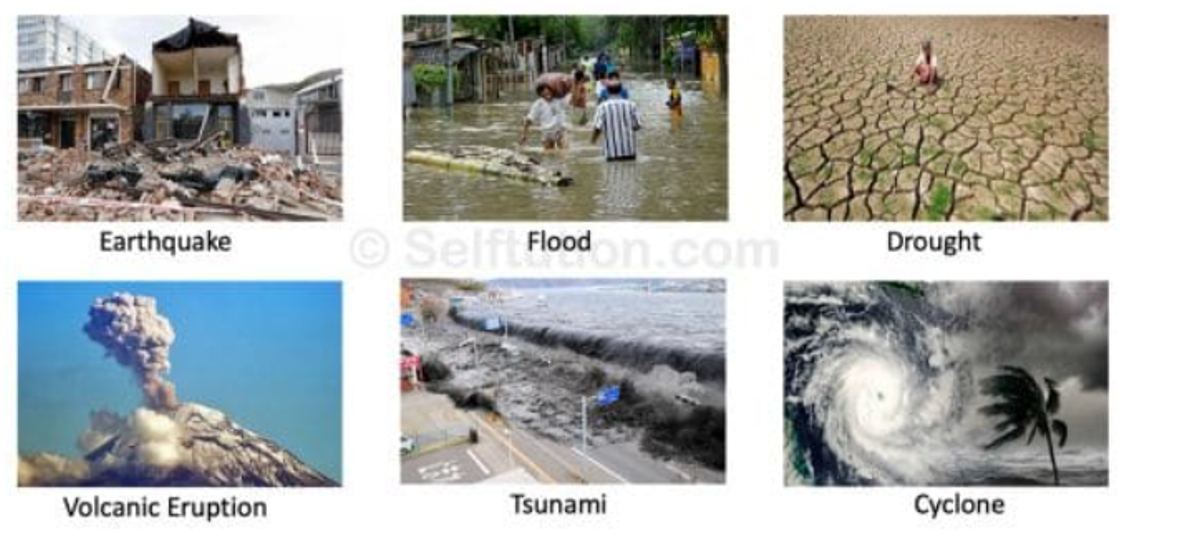
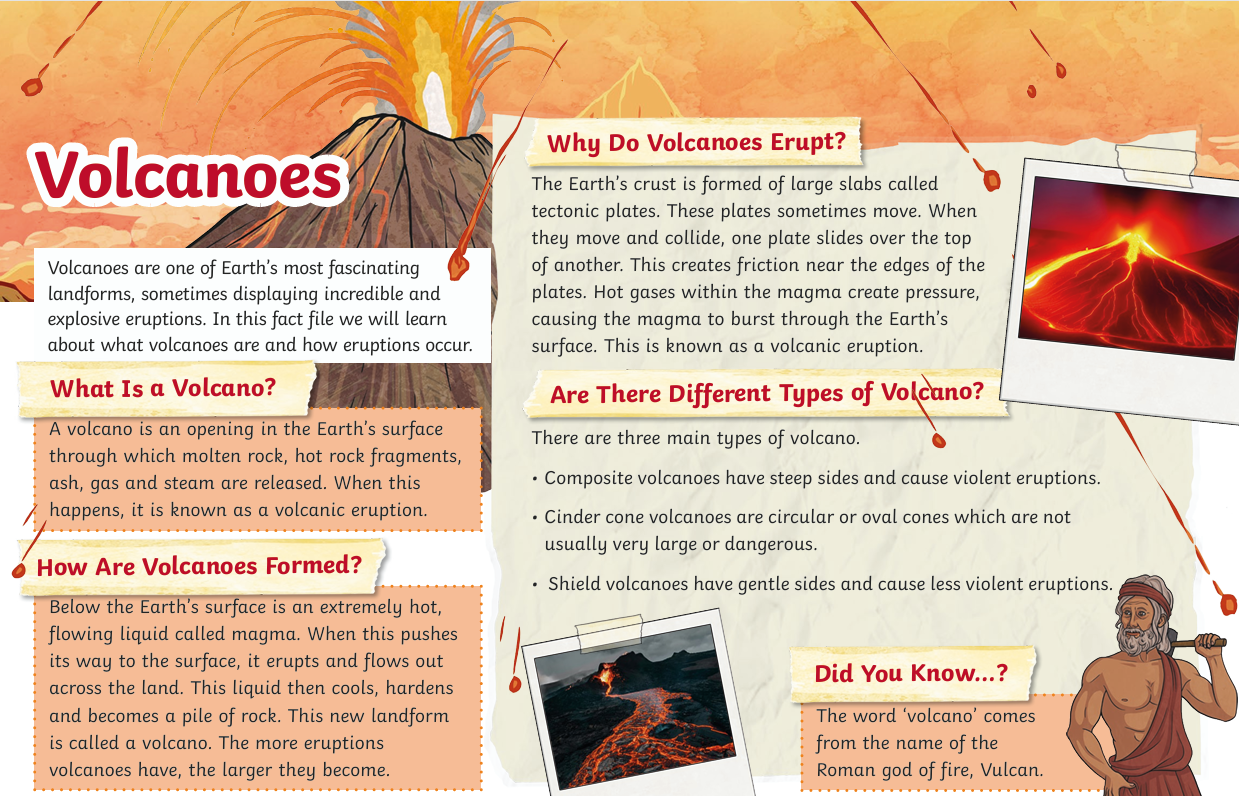
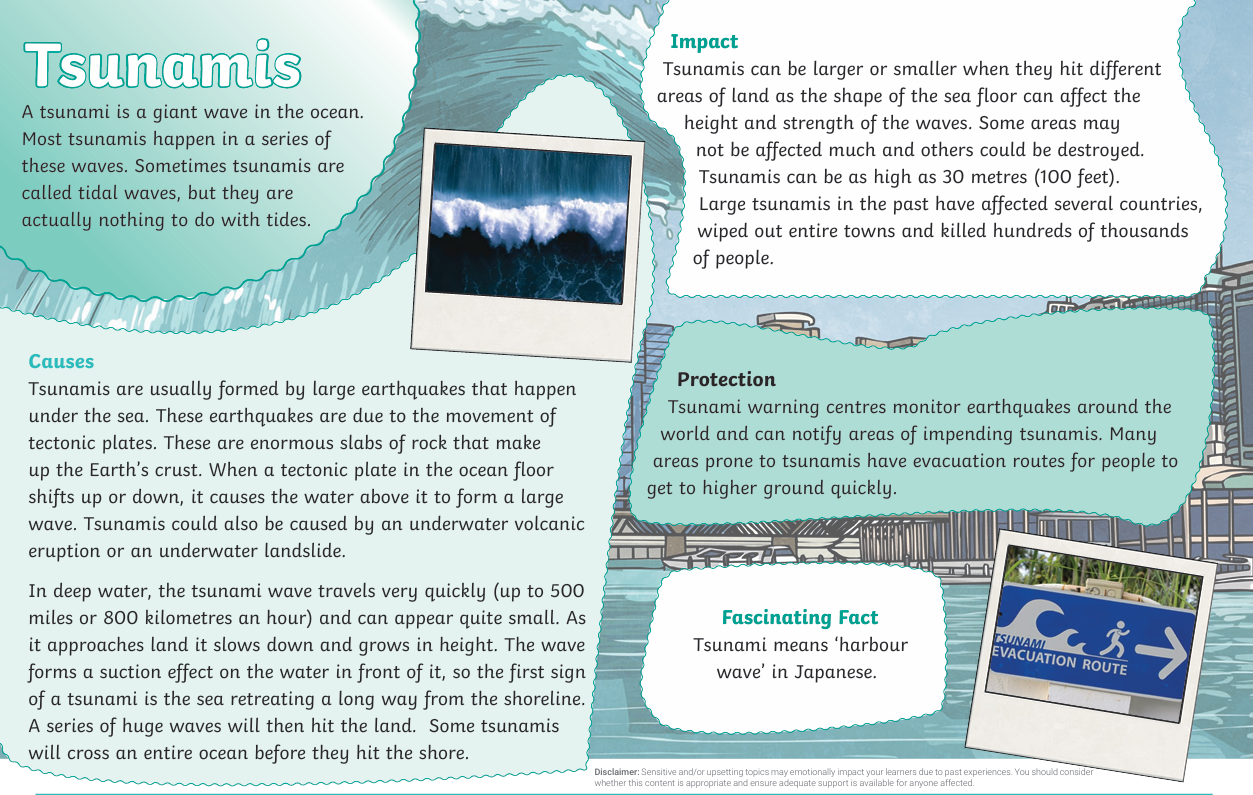
- What do you notice?
- What might happen to people or animals in these pictures?
- Which disaster do you think is most dangerous? Why?
Natural disasters are powerful events in nature that can change land and affect all living things.
Examples:
Floods: Homes can be destroyed
Animals may lose habitats
Crops can be ruined
Earthquakes: Buildings collapse
People may get injured
Animals may become displaced
Volcanoes: Ash can cover plants and stop them growing
Air can become unsafe to breathe
Animals may need to escape
Wildfires: Forests are destroyed
Animals lose their homes
Smoke affects humans and animals
Animals living in the wild are particularly vulnerable during natural disasters. Earthquakes, hurricanes, volcanic eruptions, tsunamis, and forest fires can have devastating consequences. Let’s explore how these events impact animals.
-
Earthquakes and Tsunamis:
- Earthquakes strike without warning and can shake both land and seabed. Animals may be displaced, swept away by high winds or rushing floodwaters, or trapped with no escape.
- Small animals can drown more easily, have their burrows flooded by heavy rains, or be crushed or burned.
- Displaced animals crowded together risk major outbreaks of disease and parasite infestations.
- Malnutrition and starvation due to limited food supplies become significant risks.
- Exposure to sun, cold, or wind without adequate shelter can also harm animals.
- Tsunamis can directly kill marine animals or affect water temperature and the amount of salt in the water, impacting their health
-
Hurricanes:
- Animals can be battered by strong winds, heavy rain, and flooding.
- Coastal habitats are particularly vulnerable, with marine animals facing the brunt of storm surges and high waves.
- Disruption of ecosystems and loss of food sources occur during and after hurricanes1.
-
Volcanic Eruptions and Fires:
- Animals may die from being drowned or buried alive by dirt, ash, lava, or snow.
- Burrows collapse or burn, crushing animals inside.
- Debris and temperature changes in water affect marine animals.
- Poisoning from contaminated food and water is a risk.
- Exposure to extreme heat or cold can harm animals1
- Landslides and Avalanches:
- Animals can be buried alive or crushed by falling debris.
- Displacement disrupts their habitats and food sources2.
-
Unusual Natural Events:
- Even mild events by human standards can be catastrophic for animals.
- Survival depends on species adaptations, life stage, breeding season, migratory behavior, and habitat.
- Animals with sharp senses or means of escape have better chances.
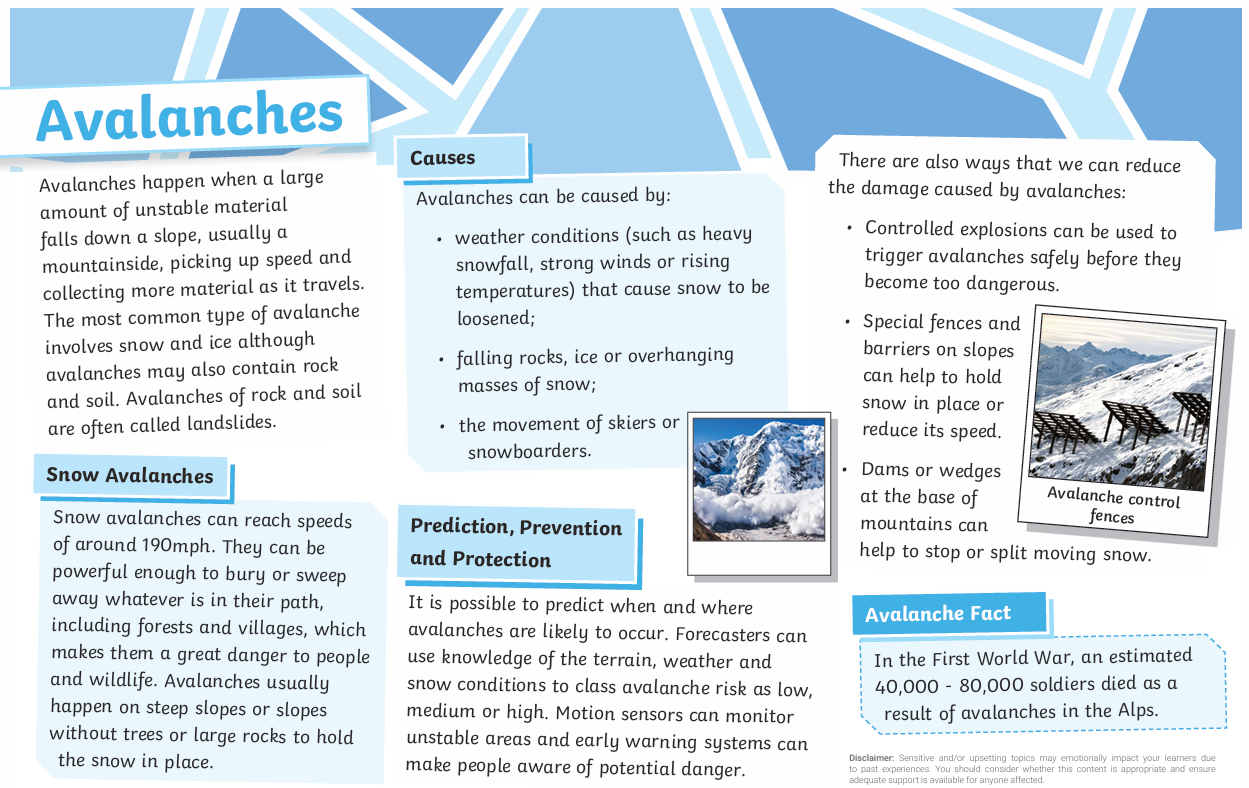
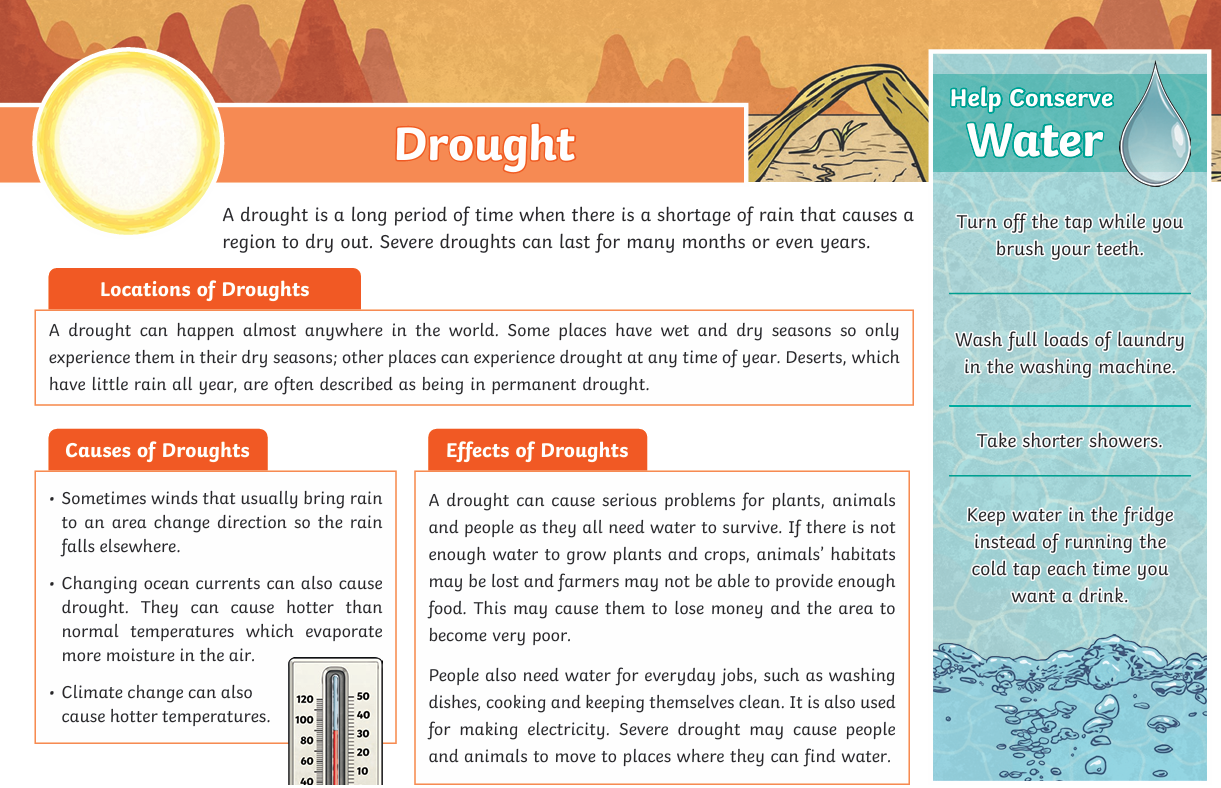
I would like you to make a poster to explain what you have learned. Set it out in a similar way to the image below. Don't copy it because the example is not about living things.
| Name of disaster | Picture of disaster. | The effect on living things. |

Adapted:
Choose one natural disaster and draw a picture of it and write one sentence on how this can affect living things.

Friday 8th May 2026
LC: To plan and design a textile scene from the Bayeux tapestry.
During our History lessons, we found out about the Bayeux Tapestry and learned that this is a piece of textile art work that tells a story.
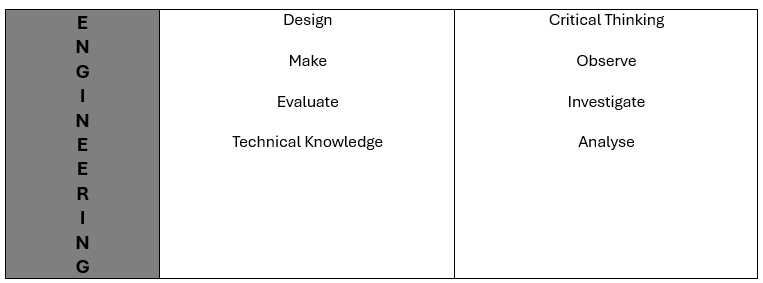
We are going to be teaching others about what we have learned about the Battle of Hastings through our own textile work. We will be engineers.
Below is an example of what we will be making.

First you will need to choose the image that you want to make and then you will need to think of how you can simplify the parts so you can produce them in textile.
Have a look at the images below to help you decide which part of the story you want to make.


In engineering, you first have to plan what you are going to make. You need to know why you are making it and who for. What is the purpose? You have to decide what materials you will use and what skills will be needed.
When you draw your image, remember not to make to over detailed or it will be too hard to make in textiles.
sir david at 100 early years picture news resource england 4th may.pdf