



Wednesday 11th February

RIC
Wednesday 11th February 2026
LC: To explain the meaning of key vocabulary within the context of the text.
My turn
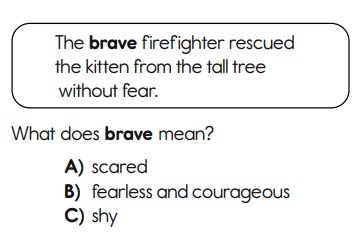
brave =
Your turn:
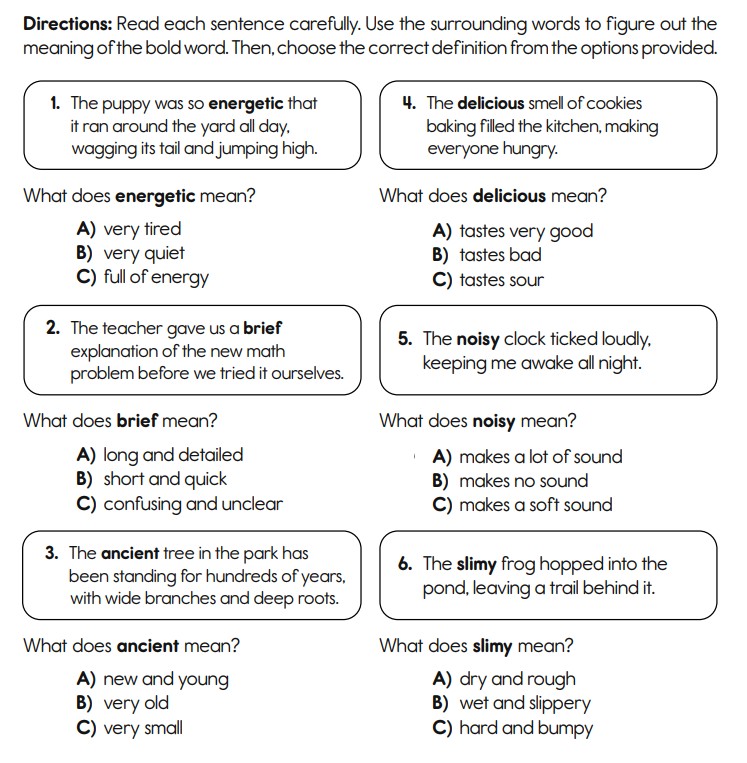
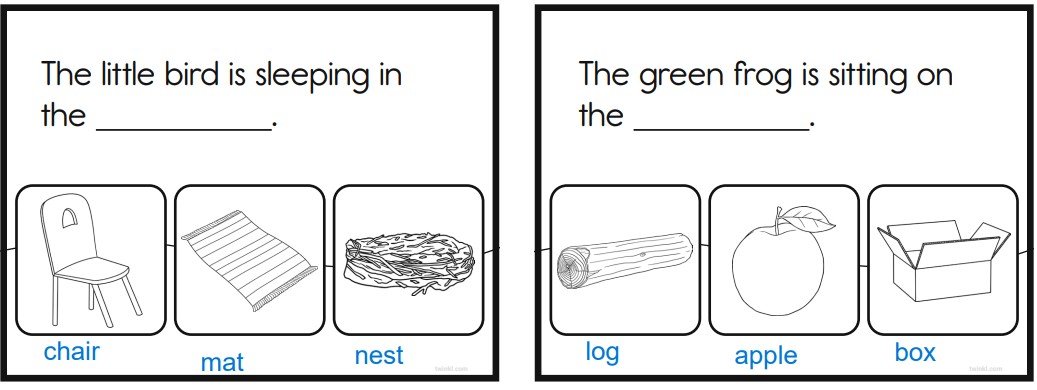
Adapted a
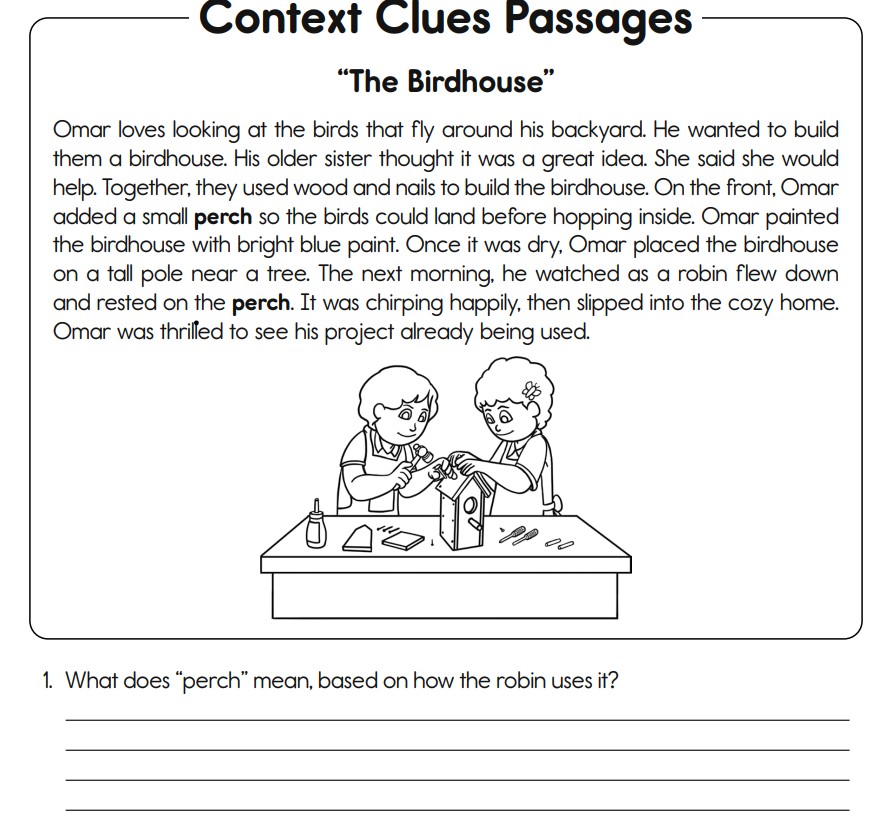
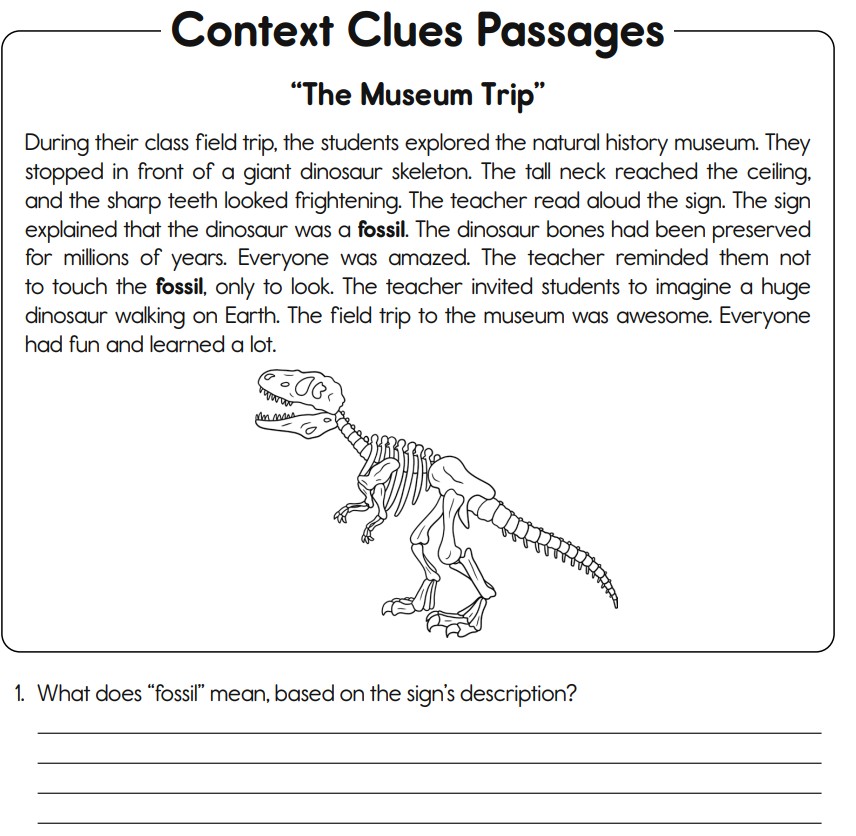
Adapted b
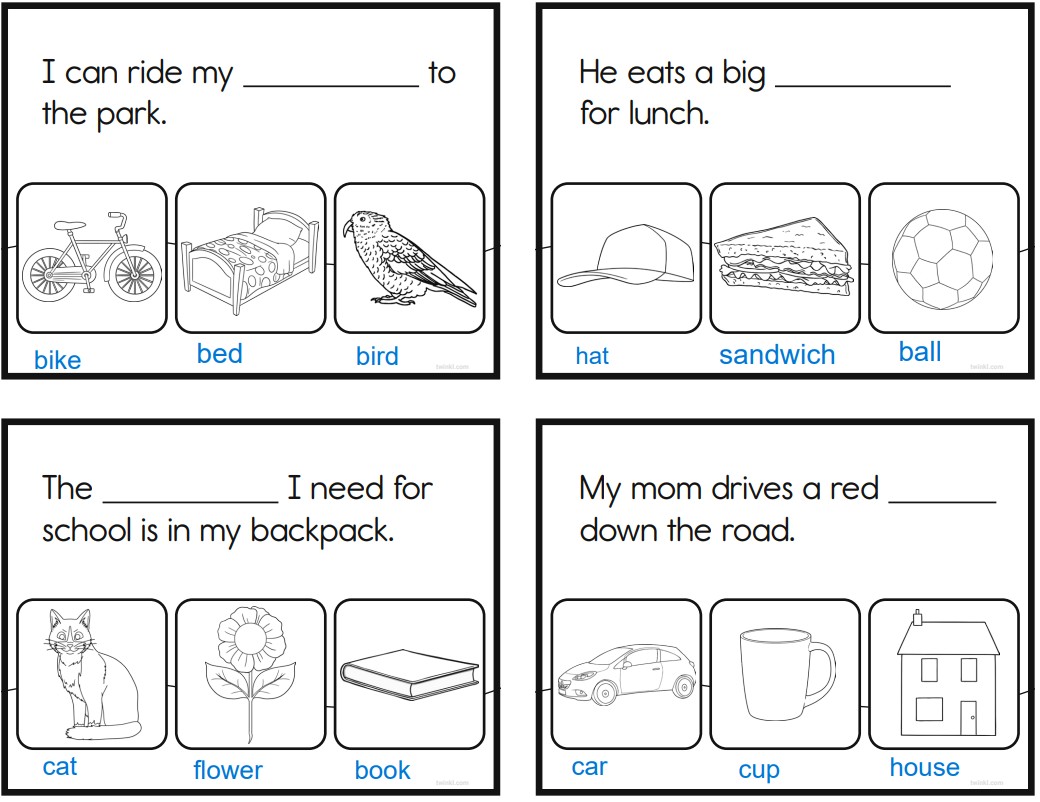
Wednesday 11th February 2026
LC: To anaylse and discuss a theme in a narrative.
Grammar
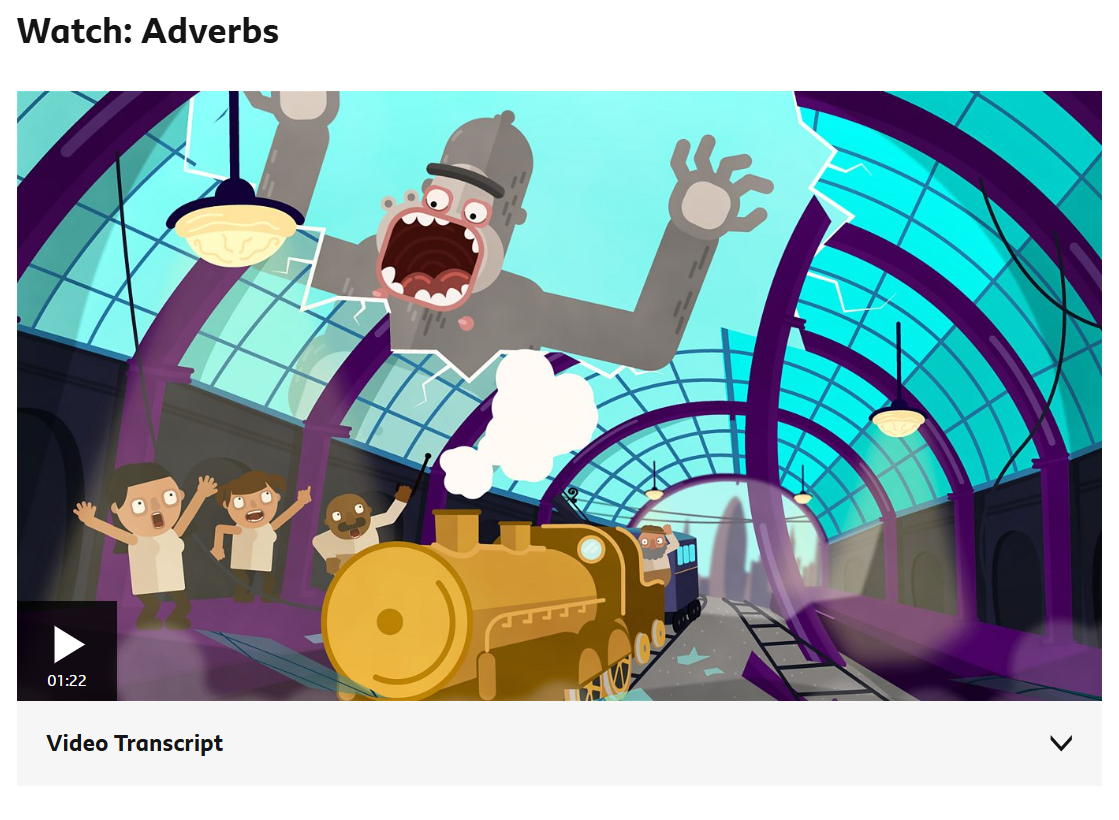
Identify, Collect and Classify: Adverbs
Highlight the adverbs, where are they in the sentence?
Collect sentences which use adverb for the learning wall.
Cautiously, April approached the magnificent beast.
what themes can we see in the story?
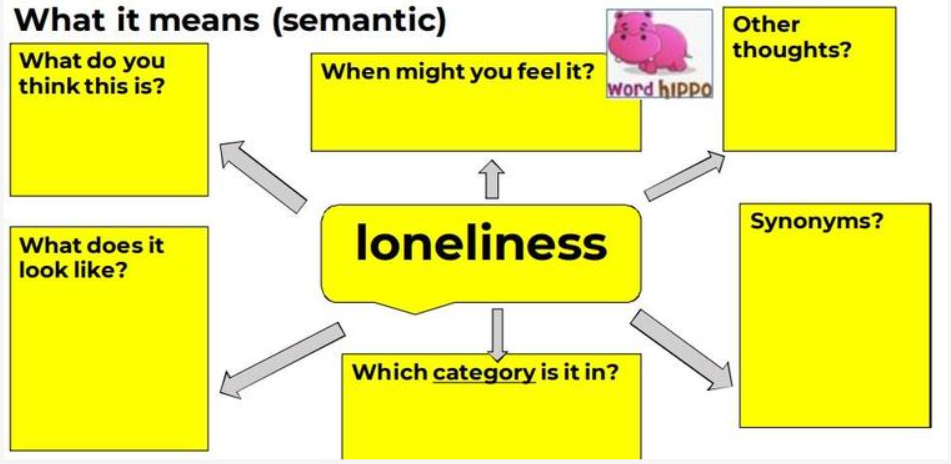
We will now be completing a semantic map about the theme of loneliness.
What themes can we infer from the setting? We will be using the description of the setting in our books as well as the picture below.
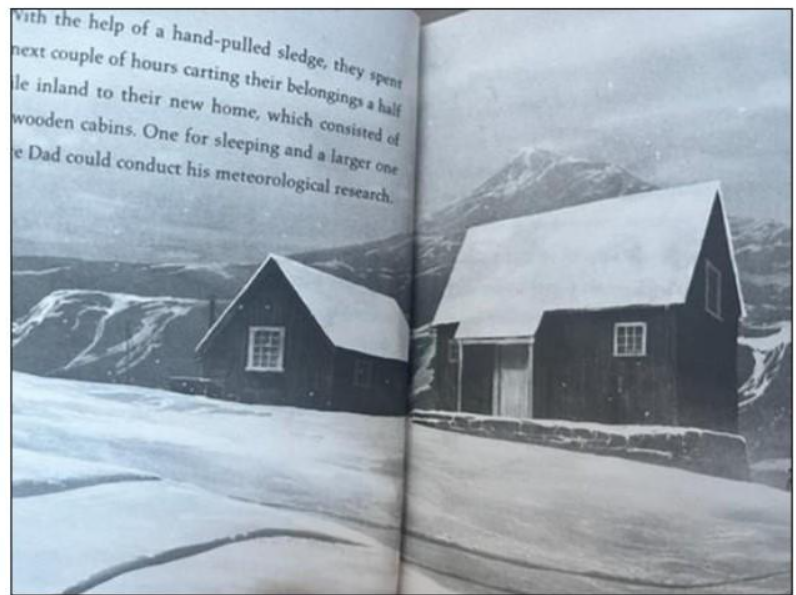
What themes can we infer from the character of April? We will be finding extracts that support this from the text.

Independent task: In your books write about how the theme of loneliness is felt by April. You must use your text to help you.
Adapted:
LC: To orally rehearse a sentence and then write it.
Using Colourful Semantics discuss the theme of loneliness.
April is lonely because her mum died. page:
April is lonely because her dad is always at work. Page:
April is lonely because she has no friends at school. Page
Your turn: April is lonely because...
10.02.26
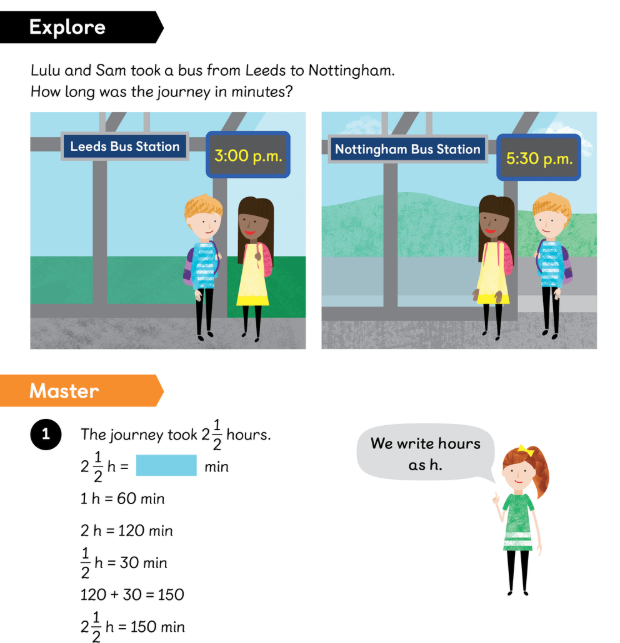
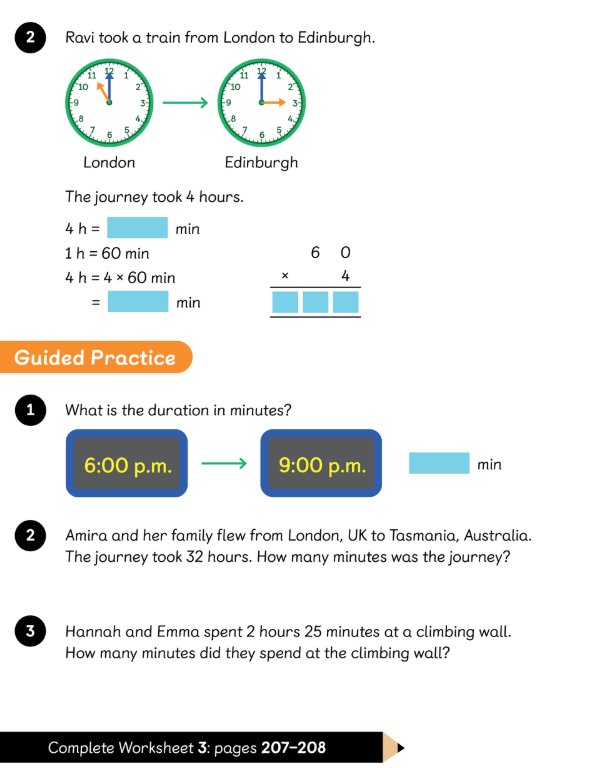
LC: To be able to convert time in hours to minutes.
Adapted:
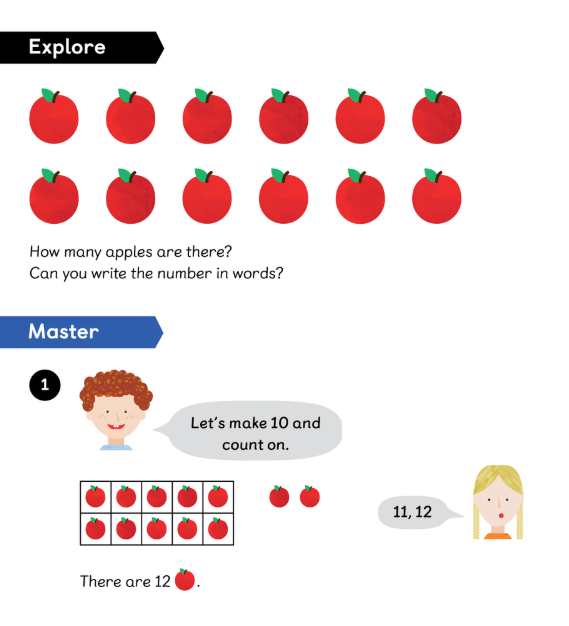
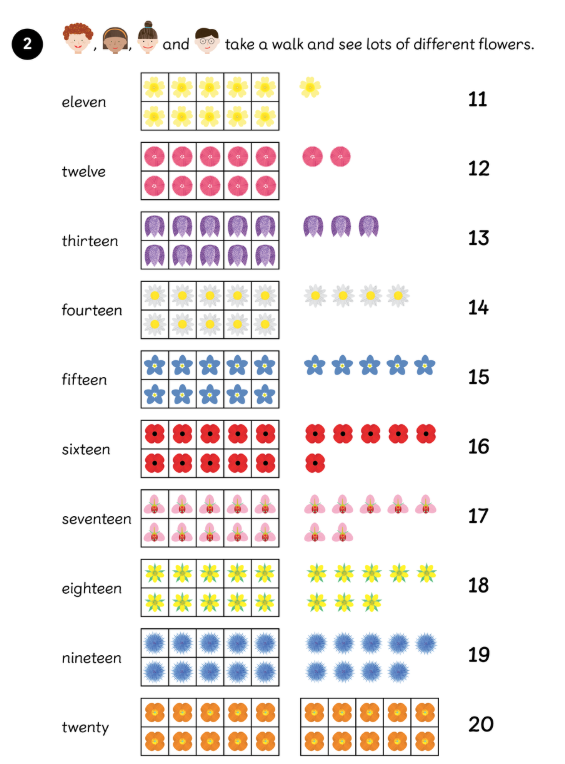
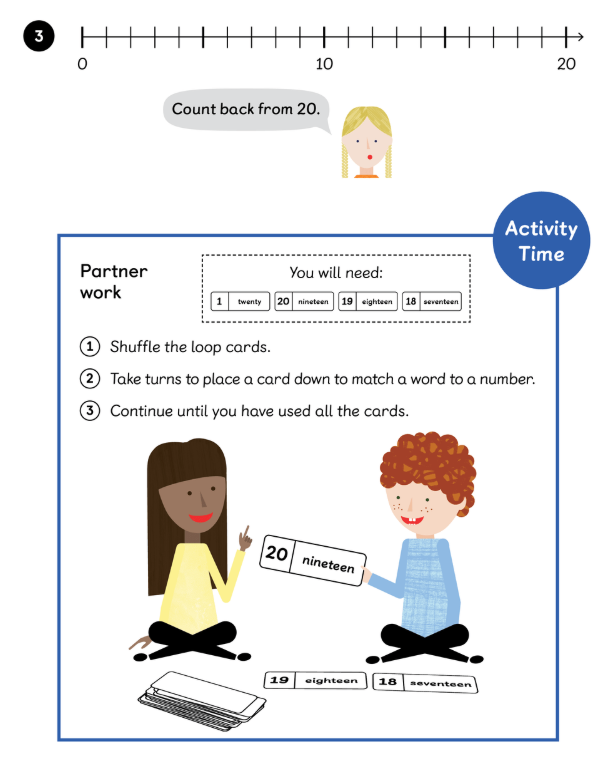
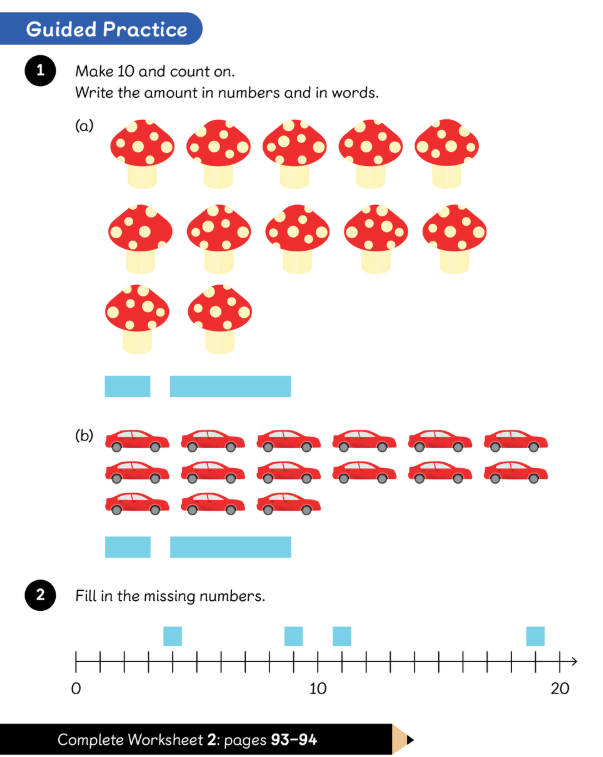
LC: Writing to 20.
Review
Alphabet Scramble
Write these words in your journal in alphabetical order:
possession favourite though
important particular imagine
disappear remember island
peculiar
Learning
Focus: Use the first two letters of a word to find synonyms in a thesaurus.
What is a thesaurus? How is it similar to a dictionary? How is it different from a dictionary?
Instead of providing a definition of a word, a thesaurus provides alternative words with a similar or the same meaning. These words are called synonyms.
Words in a thesaurus are also organised alphabetically.
Watch me look up the word weak in the thesaurus. Where should I start looking?
Look at this page.
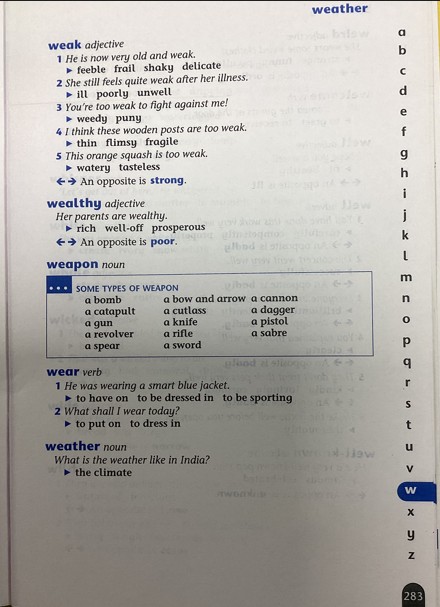
What is the headword?
Are any parts in bold or highlighted print?
Are we told the word class?
Is there a sentence to help determine the meaning?
What are the synonyms?
Are there any example sentences using synonyms?
Are there any illustrations?
Are we given antonyms as well as the synonyms?
Here are some synonyms for the word weak in new sentences:
The vase was very fragile so we handled it with special care.
Although the old man was frail, he enjoyed his exercise class.
The butterfly’s wings were extremely delicate.
After running around the playground, Leo felt exhausted and needed a rest.
How does the choice of synonym in each case match the context of the sentence?
Practise and Apply
Now you do the same with the word strong:
- look up the word in the thesaurus
- list the synonyms
Create sentences using the three of the synonyms for strong, orally first and then in writing.
primary assembly slides 7 11 childrens mental health week 2026.pdf