



Tuesday 10th February


Tuesday 10th February 2026
LC- To understand the significance of The Battle of Hastings.
What were the Anglo-Saxon Kingdoms?
In the beginning, Anglo-Saxon Britain wasn't ruled by one person and the Anglo-Saxons were not united. They arrived as many different tribes and each took over different parts of Britain. These were the five most important kingdoms:
|
Anglo-Saxon kingdom |
Area in Britain |
Settlers were called |
|
Kent |
Kent |
Jutes |
|
Wessex |
South West England |
West Saxons |
|
East Anglia |
Norfolk and Suffolk |
East Angles |
|
Mercia |
Midlands |
Mercians |
|
Northumbria |
North of the River Humber |
Northumbrians |
How were these kingdoms ruled?
- Each group of Anglo-Saxon settlers had a leader or war-chief.
- A strong and successful leader became 'cyning', the Anglo-Saxon word for 'king'.
- Each king ruled a kingdom and led a small army.
- The Anglo-Saxon kings were from ruling families who passed their power on to their children.
- From time to time, the strongest king would claim to be 'bretwalda', which meant ruler of all Britain.
Who was the first ruler of the whole of England?
Alfred the Great (c. 871–899): Established Wessex as the dominant kingdom and used the title "King of the Angles and Saxons," but didn't rule all of England.
Edward the Elder (899–924): Alfred's son, who conquered the Danelaw (Viking-held areas).
Æthelstan (924–939): Edward's son, who completed the unification, becoming the first king to rule all of England and using the title "King of the English," making him the first true King of England.
How did it end?
The Anglo-Saxon period in England ended in 1066 AD following a very famous battle called The Battle of Hastings.
Why did this battle happen?
/i/video/Anne_Reid/Year_of_3_Kings.mp4

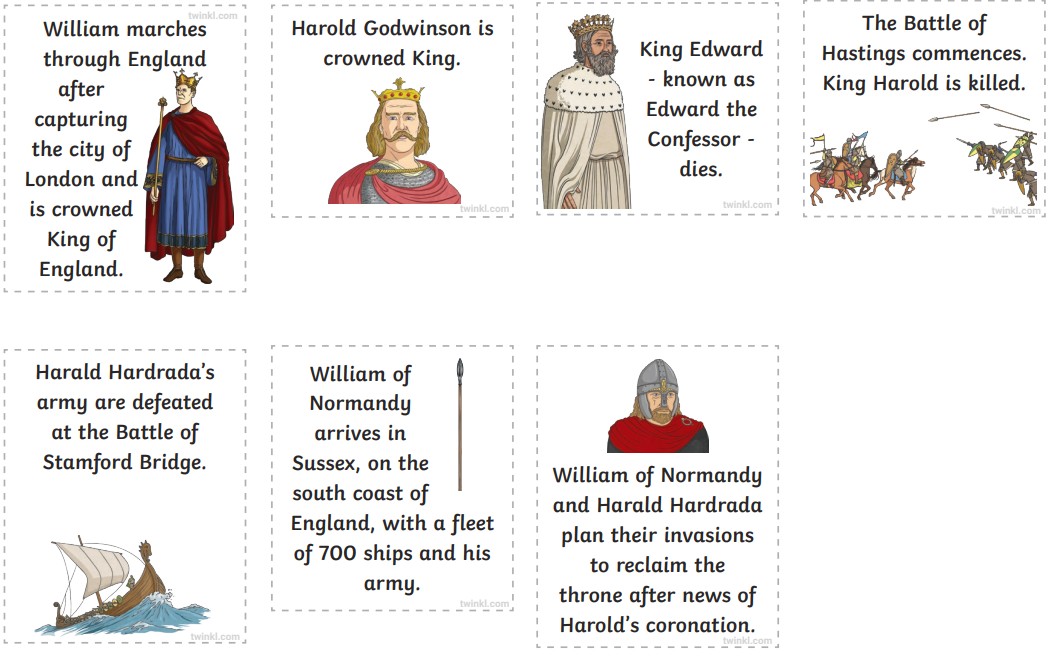
Adapted:
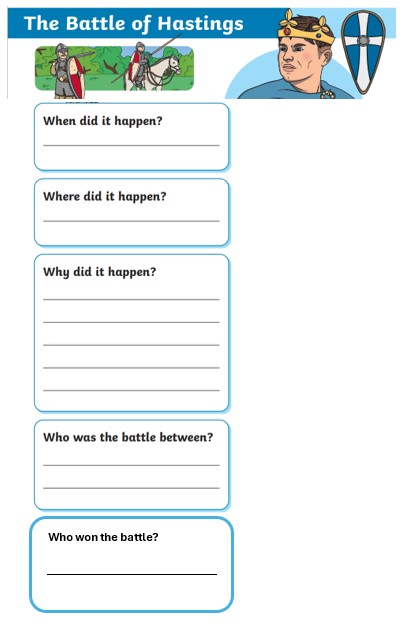
The story of the battle is famously told in pictures an something called the Bayeaux Tapestry.
/i/video/Anne_Reid/The_Bayeaux_Tapestry_animation.mp4

Tuesday 10th February 2026
LC: To draw inferences around a character’s feelings and justify using point and evidence.
Task: Create an emotions graph for April up to chapter 6.

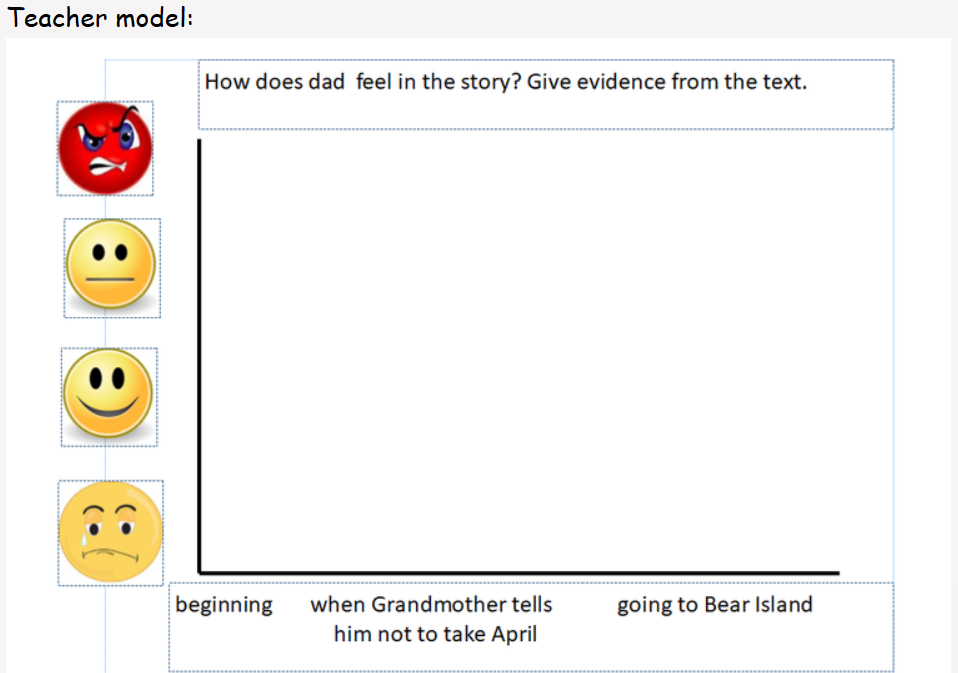
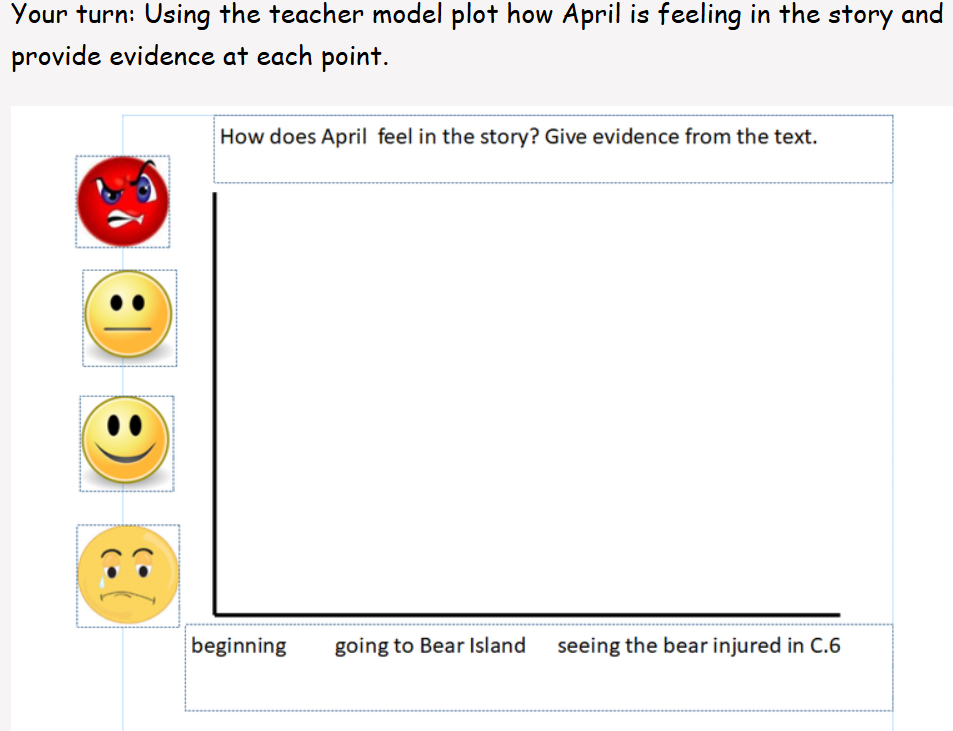
In full sentences, using point and evidence from the text answer the question below.
What evidence is there that April was nervous when she was travelling to Bear island?
Adapted:
LC: Use capital letters for the name's of people.
LC: Infer character's feeling and make a simple point.
Plot how April feels on the emotions graph with an x after discussing each part of the story.
Then write one sentence for each part paying attention to using a capital letter for April's name and Bear Island.
Example: April is sad because her mum died.
10.02.26
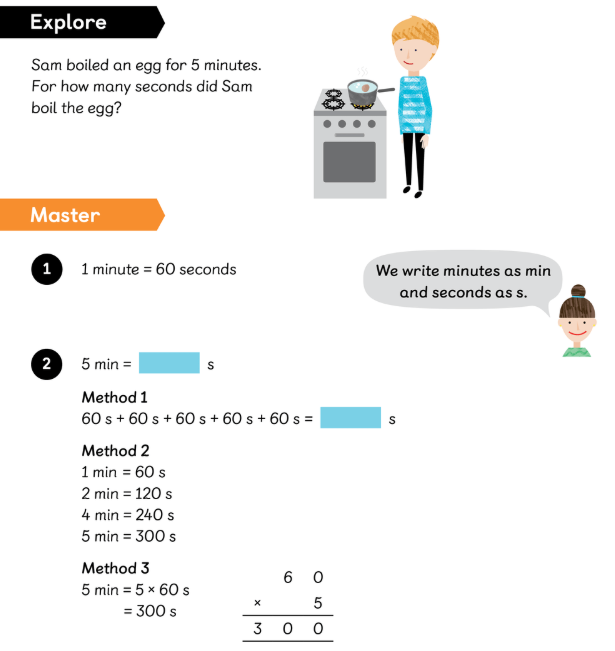
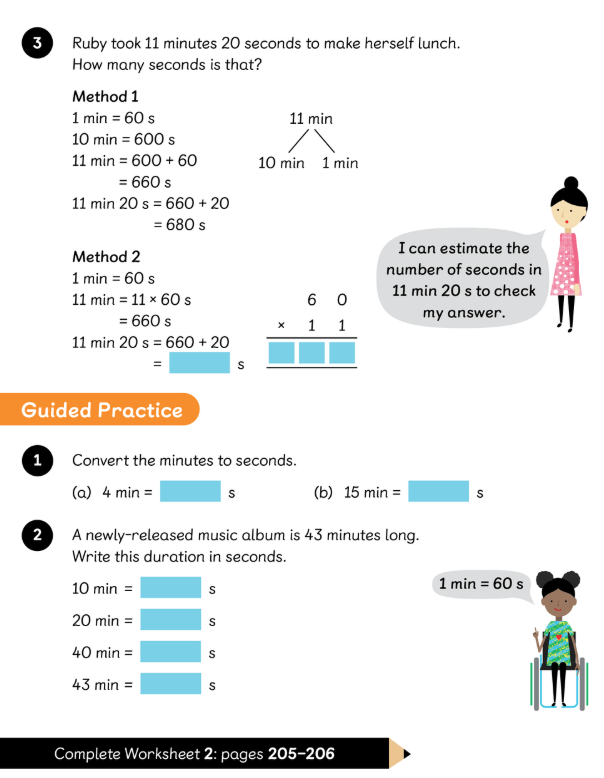
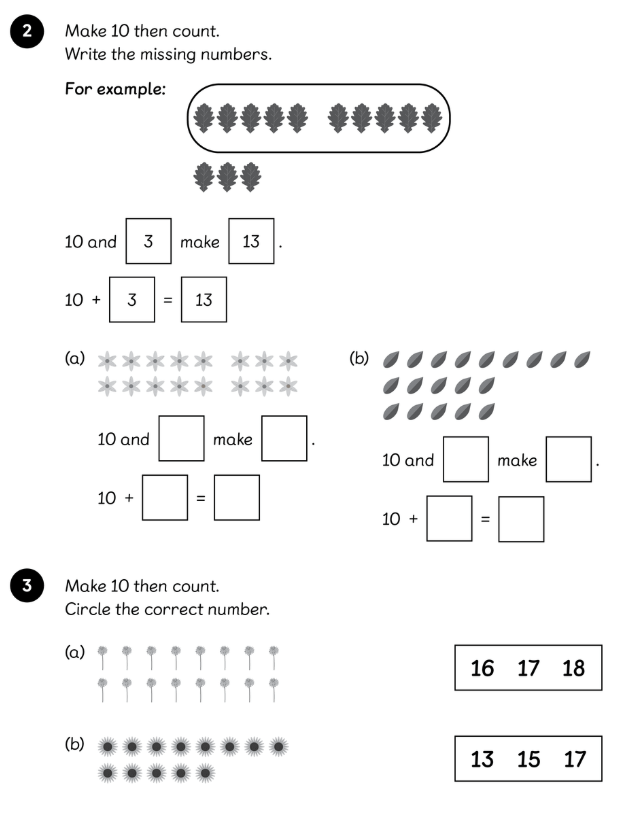
LC: To convert time in minutes to seconds.
Adapted
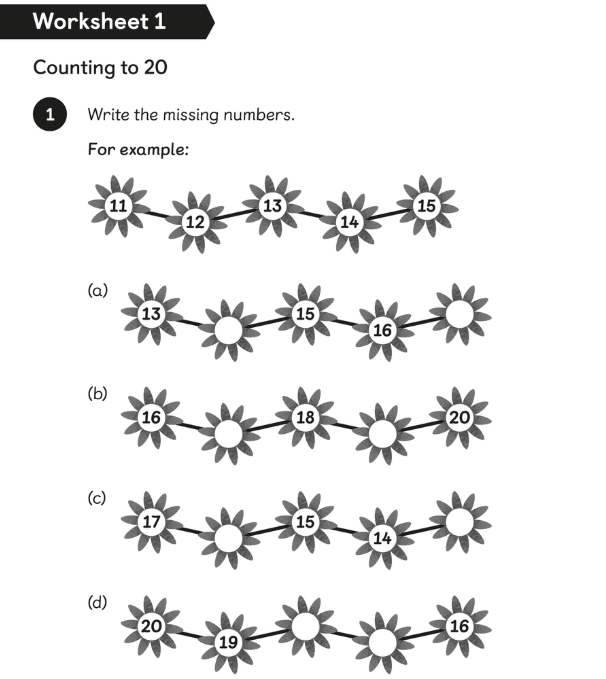
LC: Counting to 20-counting on.
Tuesday 10th February 2026
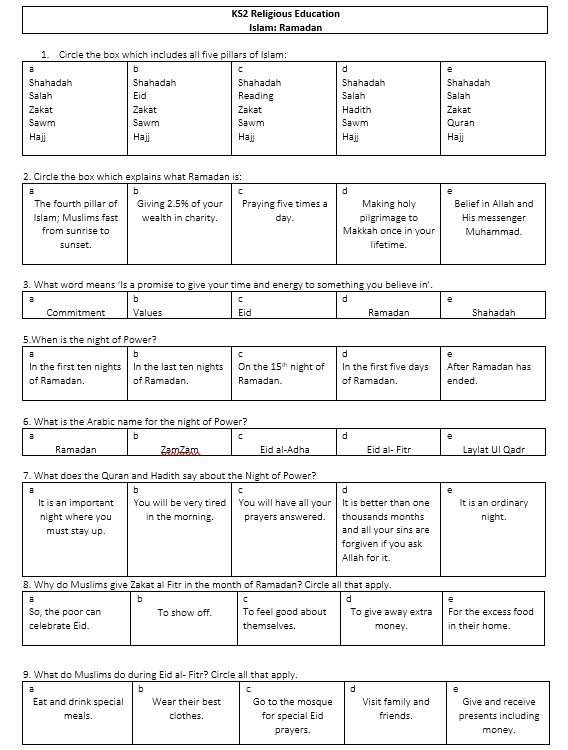
End of Unit Assessment.
-
Feeling out of place: Beegu is literally an outsider. He looks different, speaks differently, and doesn’t understand the rules of Earth—mirroring how many children (and adults) feel when they don’t fit in.
-
Acceptance vs. rejection: Adults dismiss Beegu as “not important,” while children instinctively include him. This highlights how belonging often comes from empathy rather than authority.
-
Being seen: The story reinforces that everyone—no matter how small or strange they seem—deserves to be noticed and valued.
-
Loneliness and anxiety: Beegu’s confusion, fear, and sadness reflect common emotional experiences tied to isolation and separation.
-
Emotional validation: Readers see Beegu’s feelings taken seriously, which helps normalize emotions like fear, sadness, and longing.
-
Hope and reassurance: The reunion with Beegu’s family offers comfort and shows that difficult emotional states can be temporary.
-
Encouraging empathy: By inviting readers to feel what Beegu feels, the book builds emotional literacy and compassion—key protective factors for mental well-being.
Beegu is treated badly because he looks and sounds different. Adults ignore or reject him, showing what happens when this right is not respected. The children who play with Beegu model fairness and inclusion, showing how everyone deserves equal respect.
Beegu tries to communicate but adults don’t listen or take him seriously. This reflects how children can feel unheard. The story reinforces the importance of listening, even when someone communicates differently.
Beegu experiences danger and rough treatment when alone. This highlights the responsibility adults have to protect vulnerable individuals and ensure environments are safe.
Beegu struggles because he has lost his family and sense of identity. His reunion shows how important family, culture, and connection are to well-being and belonging.
Children naturally include Beegu in play. This moment shows how play supports friendship, emotional well-being, and inclusion.