



Thursday



Punctuation Warmup
LC: Use inverted commas and other punctuation to indicate direct speech.Improve
Can we correct any punctuation mistakes in this story?
One warm, sunny day Jessica and Lilly went to the zoo. When they arrived, they visited the monkeys. I like the zoo said Jessica. Lilly looked up and saw a monkey had stolen her lunchbox. do we have any money to buy more food asked Jessica? Lilly replied no now we don't have anything for lunch Lilly replied. don't worry girls, a voice called from behind them. It was the zookeeper, who was holding their lunchbox, with a big smile on his face
Thursday 15th October 2026
LC: Identify speech and dialogue is presented in texts.
When we read texts, how do we know when a character is speaking?
When one character says something, we call this speech. Can you remember how we punctuate speech?
When two or more characters have a conversation, we call this dialogue.
Let's explore the dialogue in our story. Who speaks? Use different colours to highlight the speech of each character.
Angus and Elspeth lived with their father near to the shores of Loch Ness. The loch held many secrets but the children had never seen the famous monster. Maybe today was the day... “If you two youngsters are going to out play, make sure you are back in an hour for your lunch,” said Mr McToot. Angus and Elspeth scampered down to the loch as quickly as they could. “I’ll beat you!” boasted Elspeth. When they reached the edge of the loch, they couldn’t believe their eyes! The water was rippling and the circles began to turn into waves. Suddenly, from beneath the waves, a vast black curved shape shot out violently. It rose majestically about one metre up then plunged back down into the water. What was it? Some kind of monster!
Its thick, green scaly neck had dragon like spikes running from one end to the other and it waved like an elephants trunk . At the top of its head were two jet black shining eyes and at the front were wide, flaring nostrils.
Although it appeared threatening at first, the monster grinned and winked when it spotted the two children. The monster introduced himself, “I am Silly Ness and I desperately need your help.” Angus and Elspeth gasped and blinked in amazement. At last, they not only seen, but now met, the Loch Ness Monster! “How can we help?” asked Angus. “I have trapped my big toe in the rocks because I’ve been practising somersaults,” Silly Ness replied, with a pained expression on his face. “Don’t panic! We can help – we love a challenge!” grinned Elspeth. The two children grabbed a rope from a nearby sailing boat and tied it around their new friend’s waist. With a heave and a pull, the children succeeded and Silly Ness flew into the air before crashing and splashing into the loch. “Hooray!” they all cheered. Nearby, a man was munching his sandwiches and trying to catch some fish. As Silly Ness crashed into the water, he screamed and yelled out, “the Loch Ness Monster! I’ve just seen the Loch Ness Monster!” Elspeth and Angus chuckled all the way home. Their father listened avidly to the children and for the first time in years, he had a twinkle in his eye – he knew there were many more adventures to come with the Family Ness.
What do we need to remember when we write dialogue?
LC: To subtract using mental strategies.



Thursday 15th October 2026
LC: To explain the significance of the lasting impact of the Roman Empire on Britain.

- Many of the names of the towns and cities across England and Wales indicate Roman origins. Colchester, Manchester and Winchester all include 'chester' - which comes from the Latin word castrum, meaning 'fortress'. Places names in Wales that begin 'Caer' or 'Car' are also named after Roman forts.
- Many of the roads in England follow the route of ancient Romans roads. And many of the words we speak also have their origins in the Latin spoken by the Romans.
- Roman concrete benefitted from the addition of seawater and their structures often included arches, a form of support that is much stronger than flat beams.
- Roman culture has influenced artists and writers across the centuries, including William Shakespeare who write several 'Roman plays' - including Julius Caesar and Anthony and Cleopatra.
- The months of the year are named after Roman words - including 'June' from the goddess Juno, 'July' from Julius (Caesar) and 'August' from Augustus (Caesar).
- Ancient Rome has also influenced the legal system of many countries - including Britain - and many countries model their government on Ancient Rome, choosing to be republics with elected senators serving in a senate.
Task
Using what you have learned, create a fact file about the lasting impact of the Roman Empire on Britain.

Extra challenge:
Work in groups of three and decide your roles:
interviewer interviewee film crew.
Film an interview of someone asking another about the impact of the Roman Empire on Britain. Plan the questions together before you begin.
Air drop your interview to your teacher.
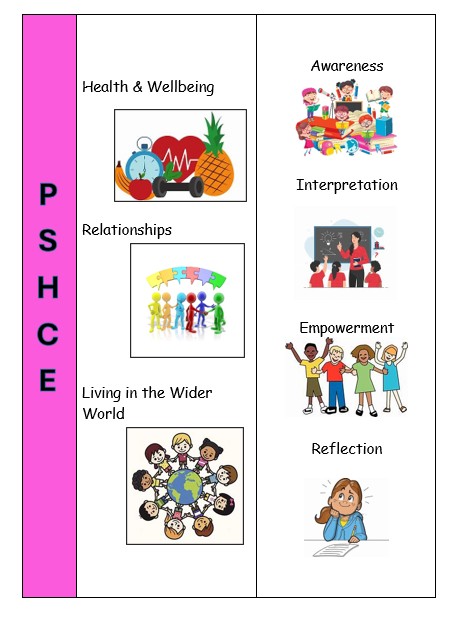
LC: To understand what privacy and personal boundaries are and how to stay safe online.
What is safe to share and what must we keep private?
- Favourite football team
- First name
- Home address
- School name
- Password
- Favourite food
- Photograph of yourself
- Phone number
- Full name
- Your feelings
- Username
- Location
Just because someone ask for information online or over the phone or in person doesn't mean we have to give it.
What is a personal boundary?
YOU CAN SAY NO!
Challange
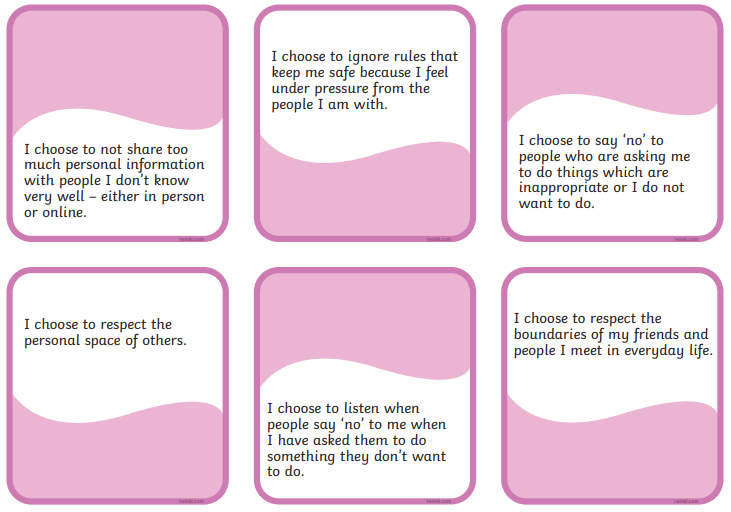
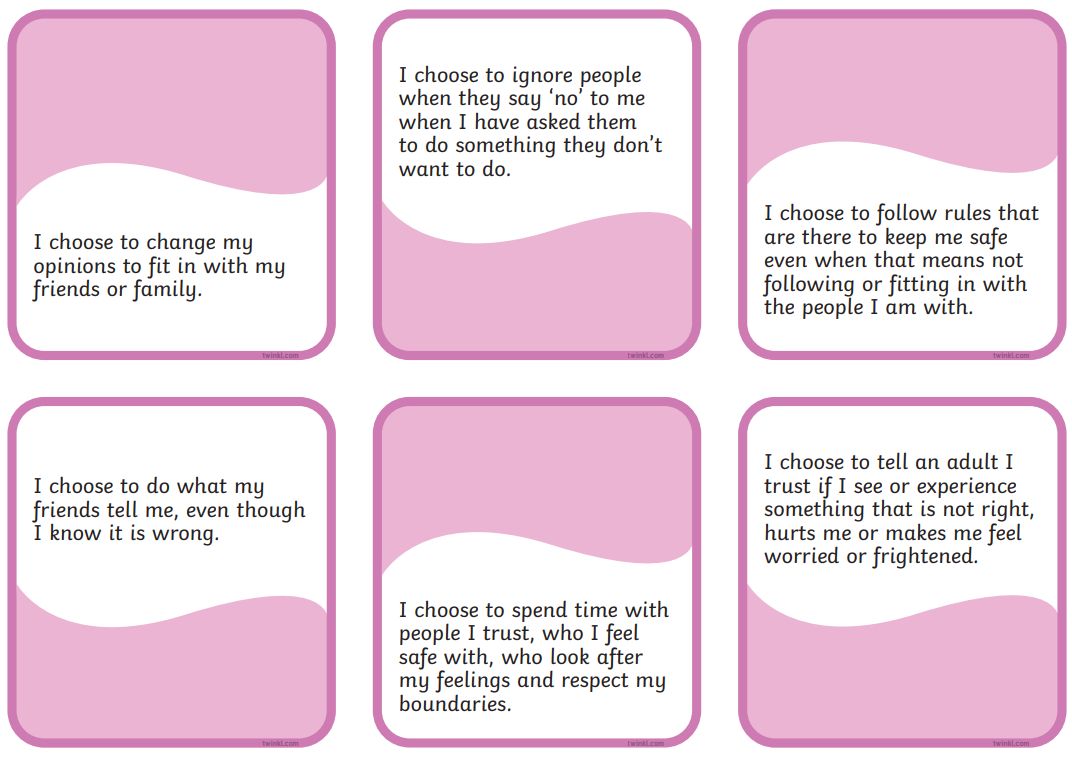
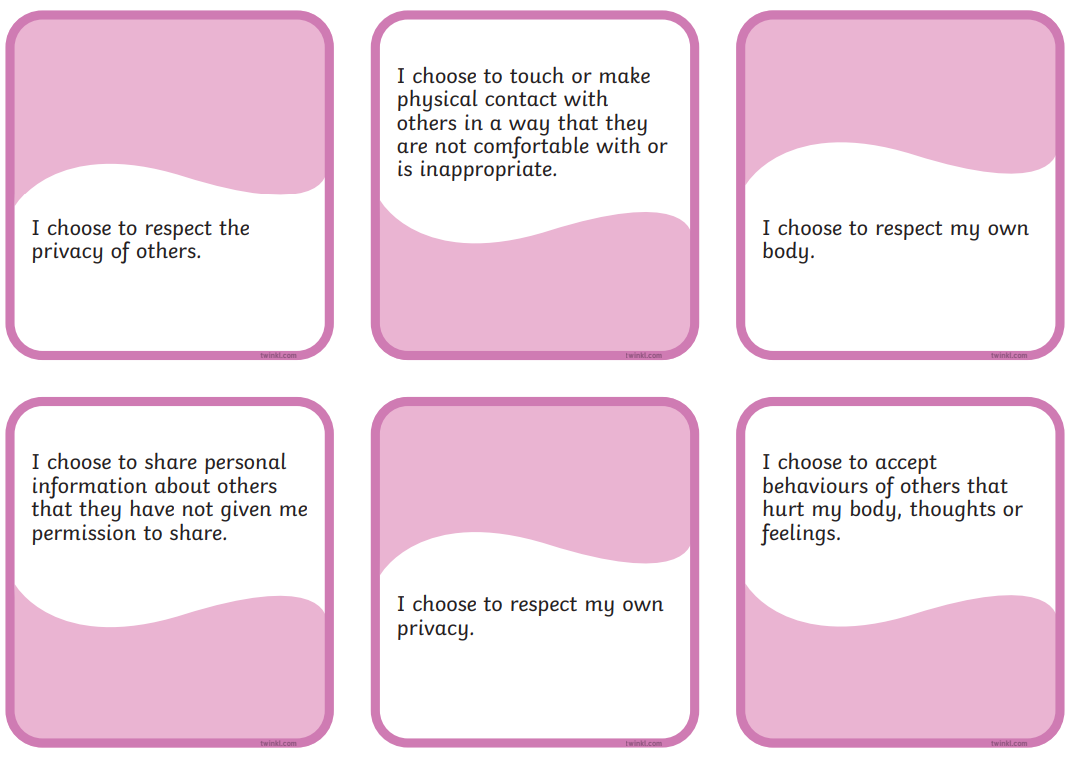
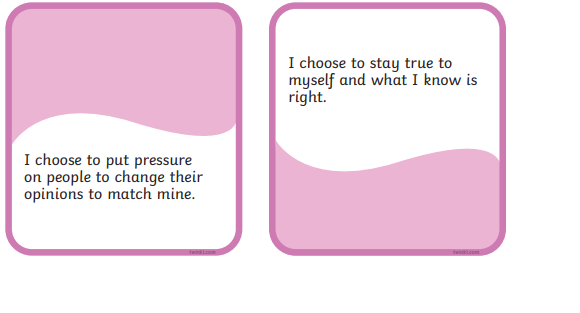
Read the statements on each card. These show choices we can all make. Sort the cards into choices that lead to healthy boundaries in relationships being put in place and those that lead to unhealthy boundaries in relationships being put in place.
Thursday 15th October 2026
Know the rules for adding the suffix 'ous' to words.
Review
Let's play Root Plus Suffix Equals.
Learning
The suffix -ous a 'full of'.
Adding the suffix -ous turns a noun into an adjective.
For example, if a food is described as poisonous, it means it is full of poison. If an area is described as mountainous, it means it is full of mountains.
My Turn, Your Turn:
poison poisonous mountain mountainous
In these examples, the -ous suffix is added with no change to the root words.
If the root word ends in e, the e is dropped before the -ous suffix is added:
nerve nervous
My Turn, Your Turn:
fame famous
continue continuous
The words below are an exception to this rule:
courage courageous
outrage outrageous
Even though the root word ends in e, the e is not dropped. The suffix is added with no change.
This is because the final e of the root word must be kept so that the soft sound of g is to be kept. There are not many examples of these words.
If the root word ends in y, t he -y is changed to an -i before the -ous suffix is added:
fury furious
My Turn, Your Turn:
glory glorious
victory victorious
Now, copycat read these words with me:
obvious
curious
hideous
Although these words have no obvious root, they all end in the suffix -ous, with an 'ee' sound immediately before it.
If there is an 'ee' sound before the -ous suffix, it is usually spelt as i, but a few words have e.
My Turn, Your Turn:
obvious
curious
serious
Practise
Add the suffix 'ous' to as many of these words as you can.
poison mountain danger hazard
adventure fame nerve study
fury mystery envy luxury