


Monday

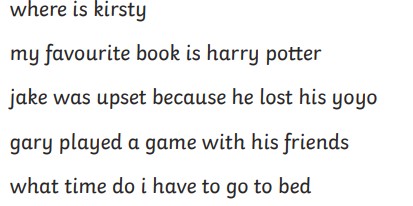
Add the correct punctuation to each sentence.
Grammar Warmup
Subject verb agreement.
Can we identify the subject and verb in each of these sentences?
The children play on the yard at break time.
Safia plays on her own.
At lunchtime, we go to the hall to eat.
At home time, Irfan goes home with his mum.
They love playing football.
He was being kind to his little brother.
We were happy because the sun was shining.
Monday 21st September 2026
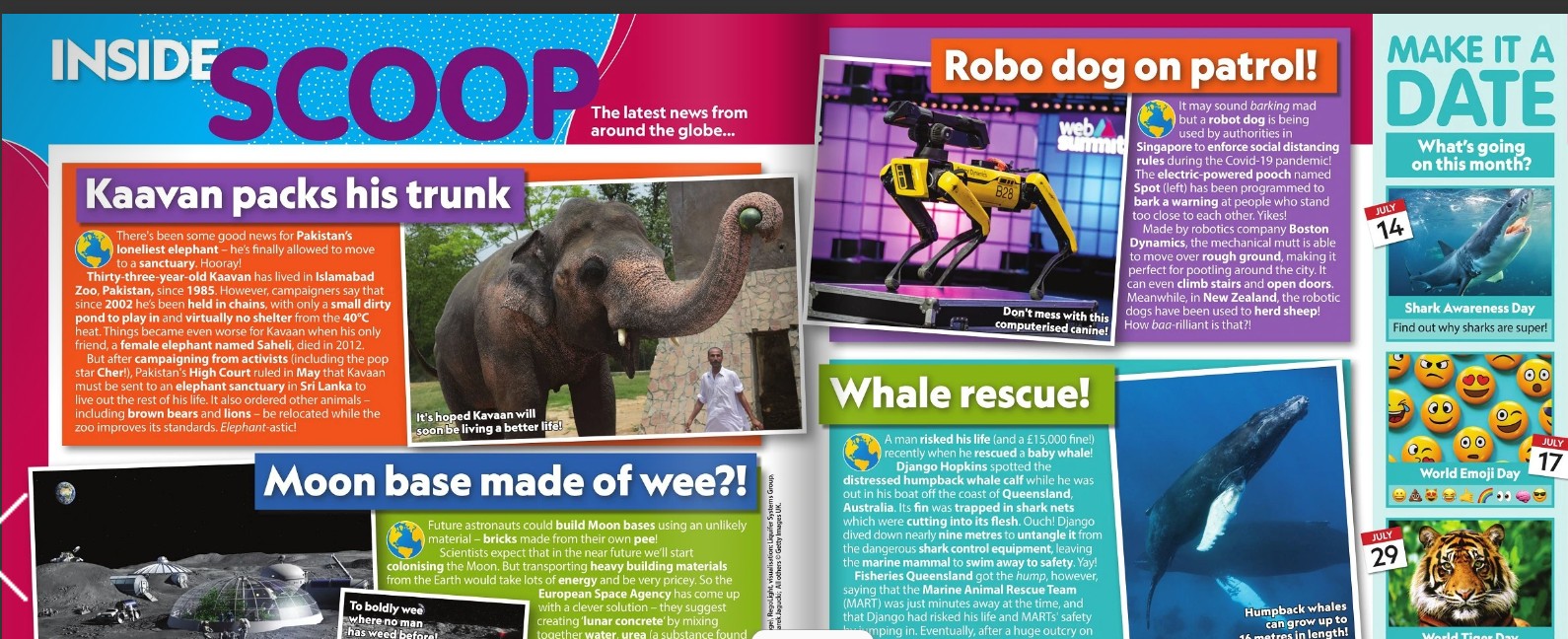
LC: To be able to write a magazine article based on a model.
We are going to begin writing our magazine article using our plan and toolkit.
In this session we will focus on paragraphs one, two and three.
Remember some of the features of an article:
We will remember to punctuate our sentences correctly.
We will use complex sentences in our writing.
We will rehearse each sentence before writing it.
We will use our Learning Wall to help us.
21.09.26
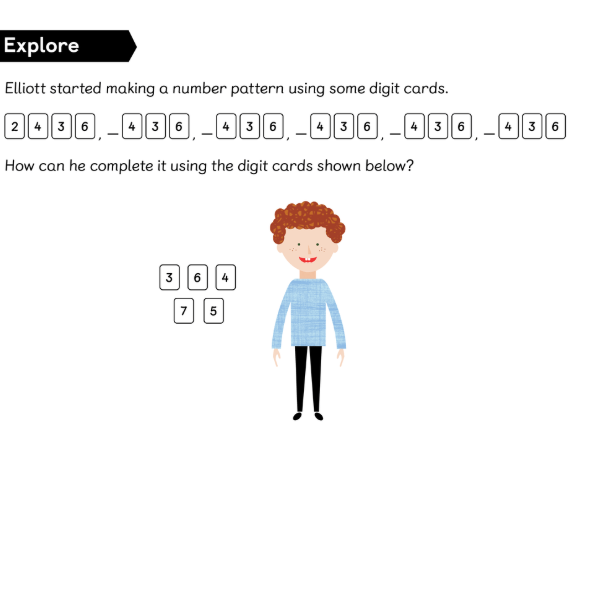
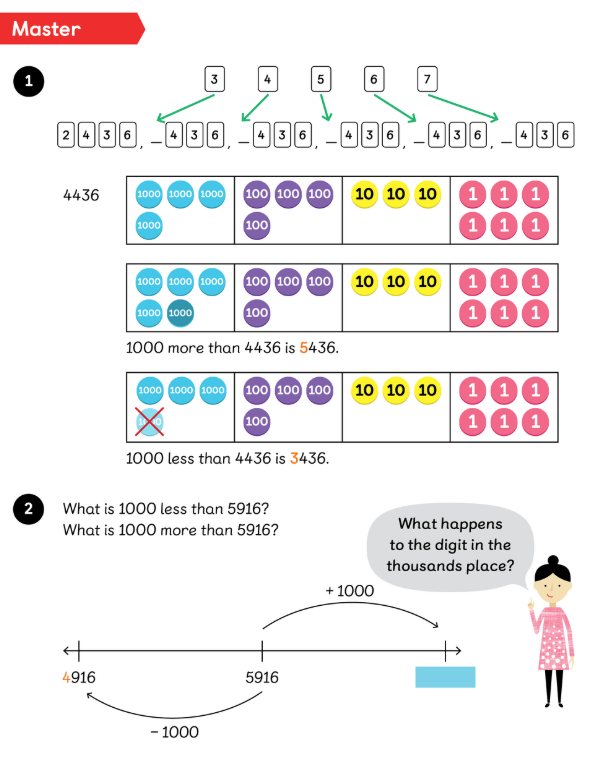
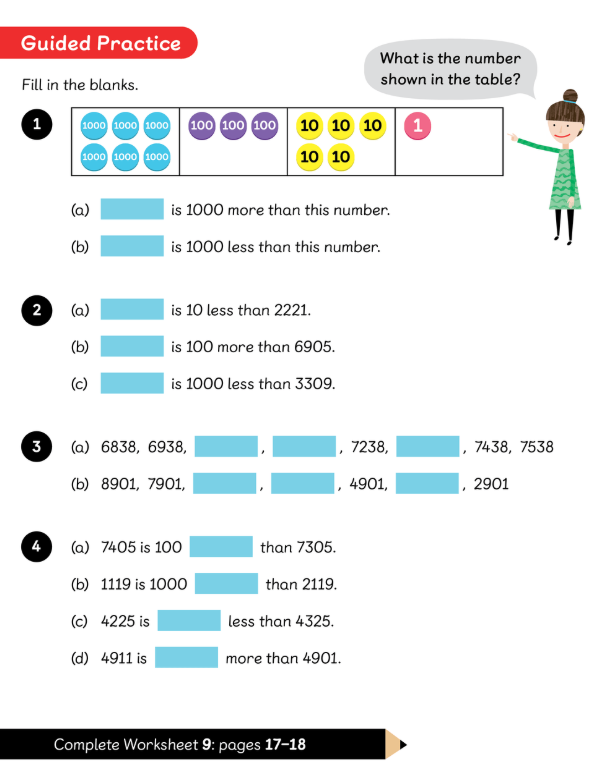
LC: To be able to make number patterns (4-digit numbers)
Monday 21st September
LC: To find similarities between Rama and the God Vishnu.
Who is Vishnu?
Vishnu is the second god in the Hindu triumvirate (Trimurti).
The triumvirate consists of three gods who are responsible for the creation, upkeep and destruction of the world.
The other two gods are Brahma and Shiva.
Brahma is the creator of the universe and Shiva is the destroyer.
Vishnu is the preserver and protector of the universe.
His role is to return to the earth in troubled times and restore the balance of good and evil.
So far, he has been incarnated ( into human form) nine times, but Hindus believe that he will be reincarnated one last time close to the end of this world.

What does Vishnu look like?
Vishnu is represented with a human body, often with blue coloured skin and with four arms. His hands always carry four objects in them, representing the things he is responsible for. The objects symbolise many more meanings than are presented here:
- The conch: the sound this produces 'Om', represents the primeval sound of creation
- The chakra, or discus: symbolises the mind
- The lotus flower: an example of glorious existence and liberation
- The mace: represents mental and physical strength
Vishnu has come to Earth in the form of Rama, who killed King Ravana, who abducted his wife Sita.
The six qualities or traits of Vishnu are :
- Jnana (knowledge): Vishnu has complete knowledge of everything in existence. His knowledge is not limited by space or time. He is always aware of everything in the past, present, and future.
- Bala (strength): Vishnu possesses unparalleled strength. He can lift mountains just by thinking of it.
- Aiśvarya (command): He has full command over his entire creation. Everything happens according to his will.
- Vīrya (valor/bravery): Vishnu is Vīra, a hero of unmatched valor. No one can defeat him.
- Śakti (ability): Vishnu is Sarva-śaktimān. He is fully capable of doing everything that others can do. At the same time, he can also do what others cannot.
- Tējas (independence):Vishnu is independent of everything other than him. He does not need the assistance of someone other than himself to do anything.
Task: Now that you know the six qualities of Vishnu, think back to the story of Rama and Sita and write down how Vishnu's qualities can be seen in the character and actions of Rama.
- Jnana (knowledge): Rama shows jnana in the story by
- Bala (strength): Rama shows bala in the story when
- Aiśvarya (command): Rama shows aisvarya when
- Vīrya (valor/bravery):Rama shows virya by
- Śakti (ability): Rama shows sakti
- Tējas (independence): Rama shows tejas
