

Thursday 7th May
Main
Thursday 7th May 2026
LC: Create and develop characters for narrative.
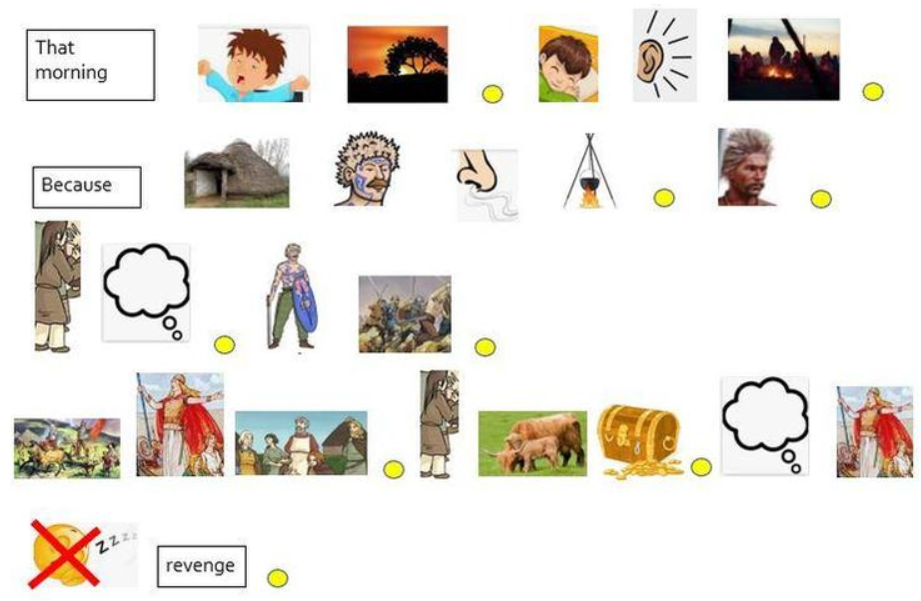
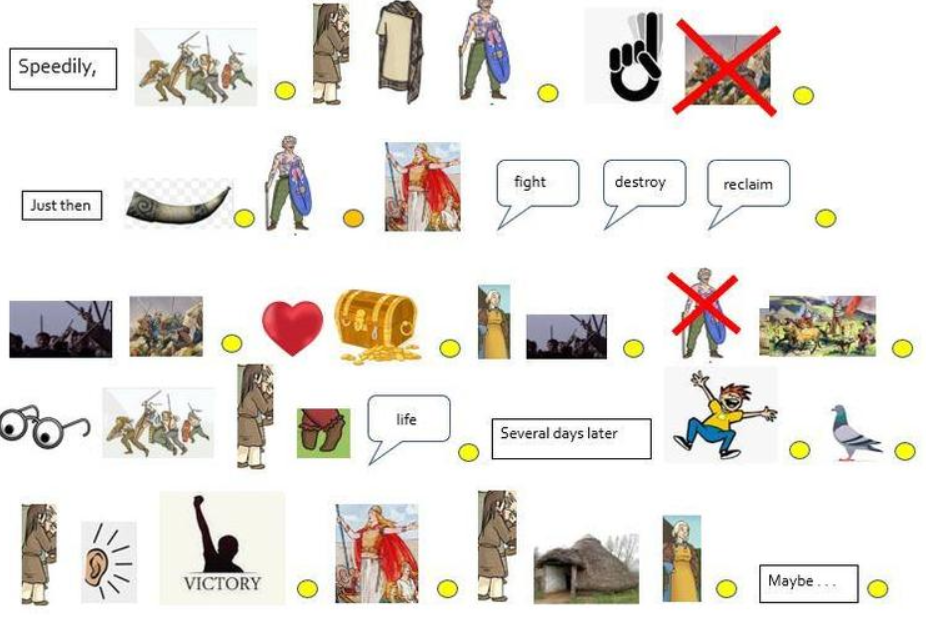
We are going to be writing our own narrative!
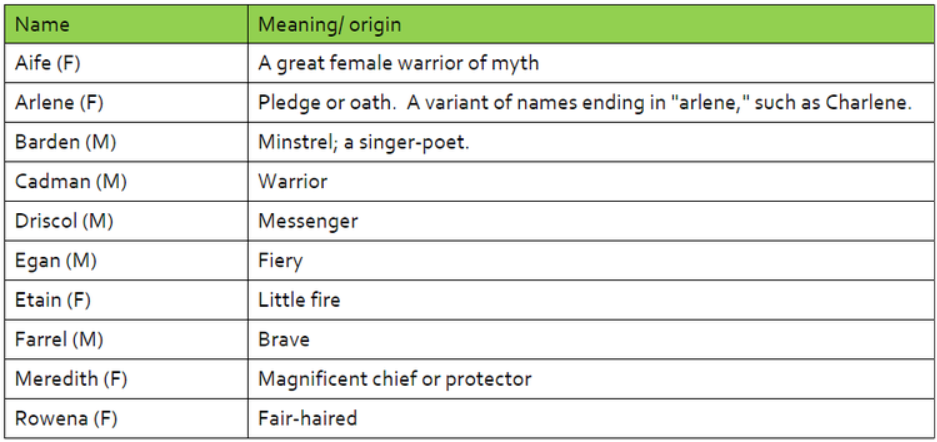
The character Barden will be changed. Today we will look at and choose a name for our Celtic child.
Below are some Celtic names and there meanings. Have a look at the names and the meanings. Write the name on your whiteboard once selected.
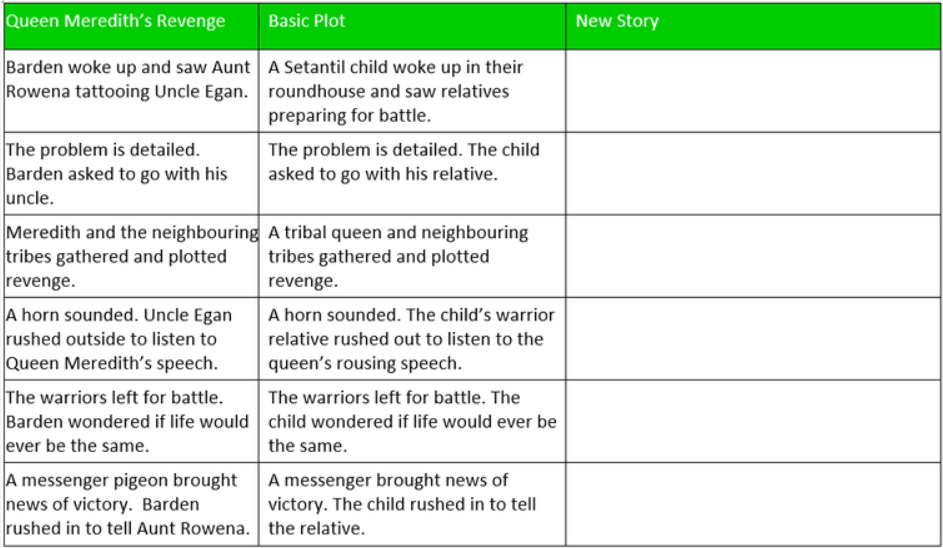
Let's add the name to our 'new story' column on our plan.
Activity
You are now going to write a short character description about your new character.
What do we need to include in our character description?
Where can we look for some interesting vocabulary?
First, I will model writing a character description of a character.
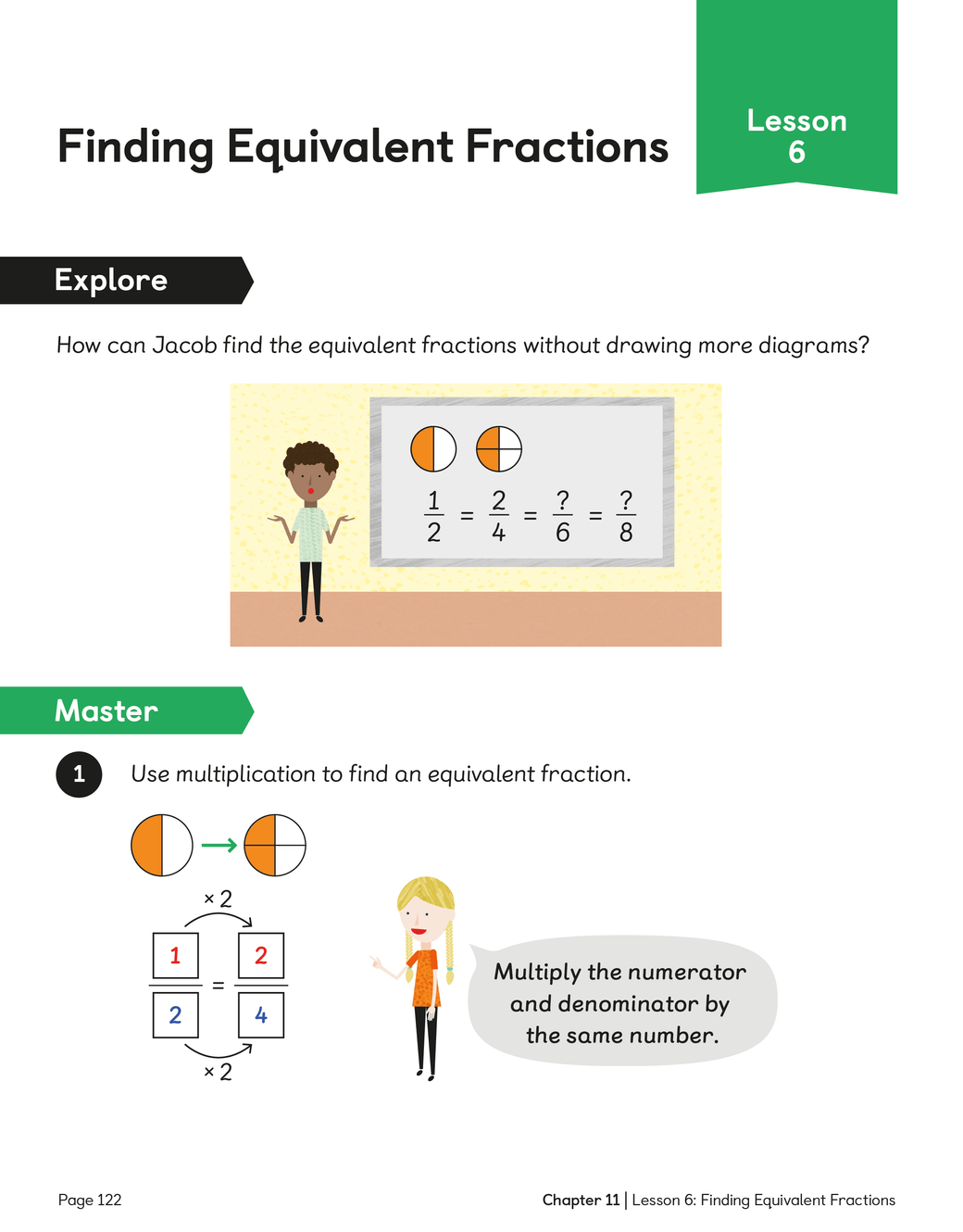
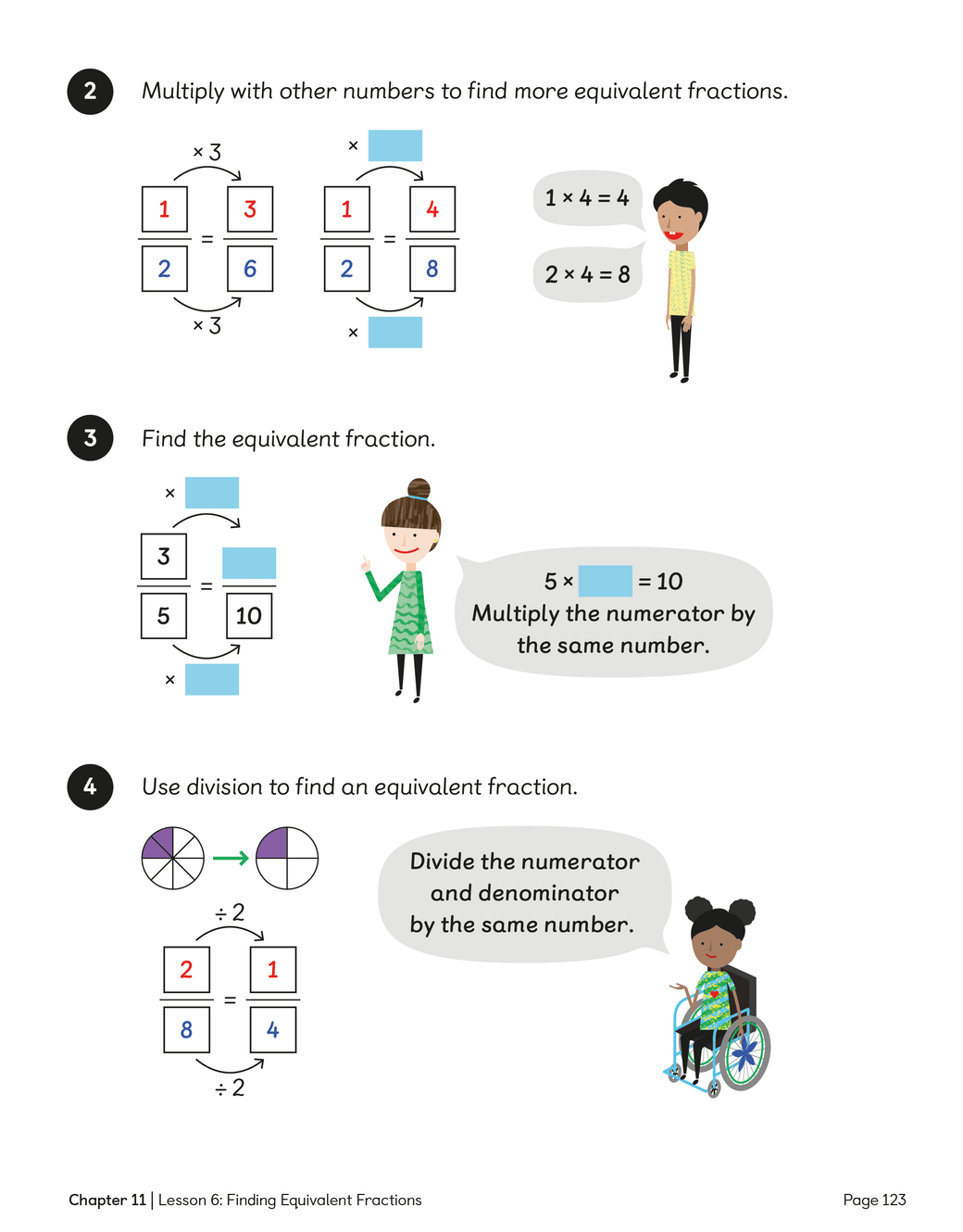
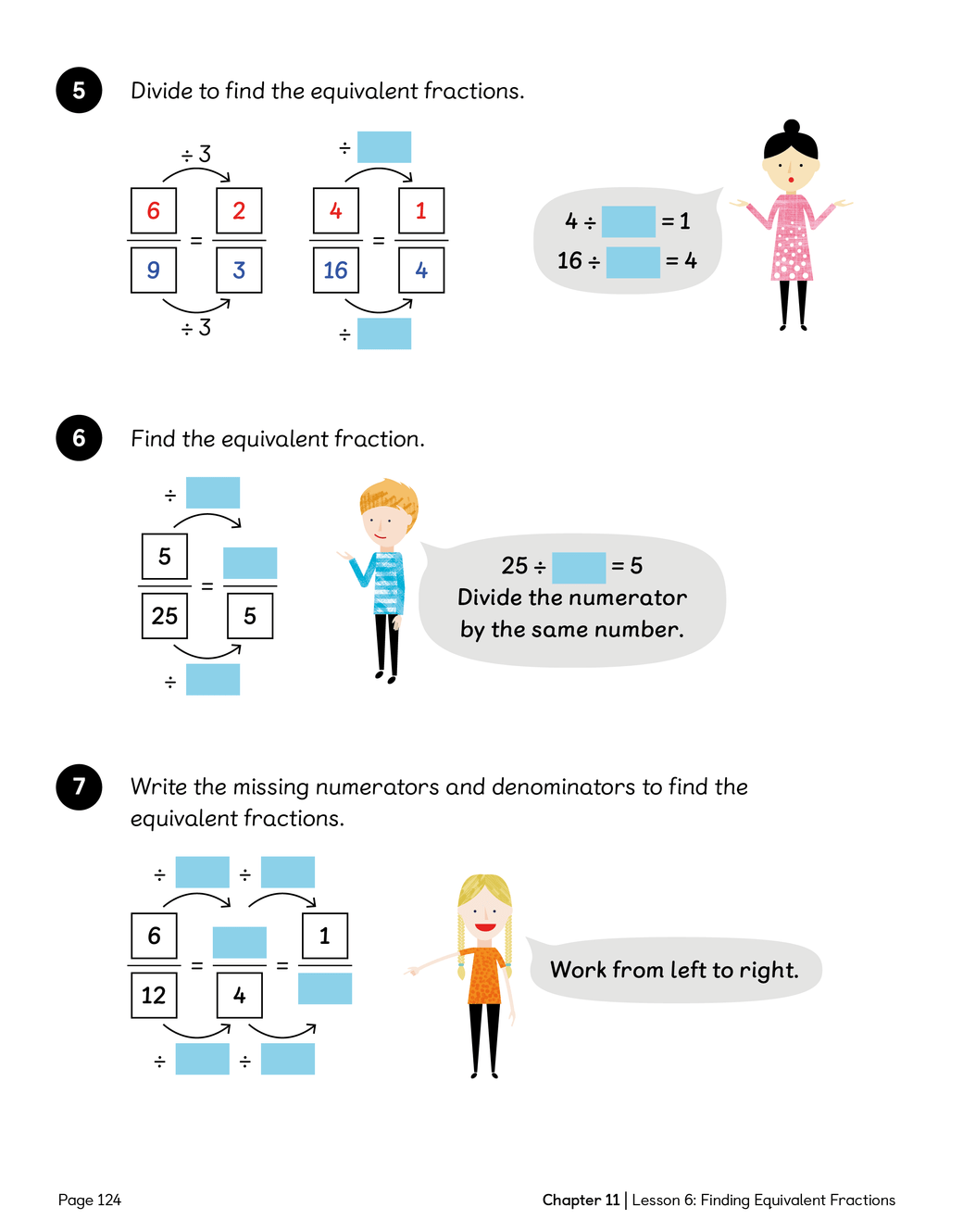
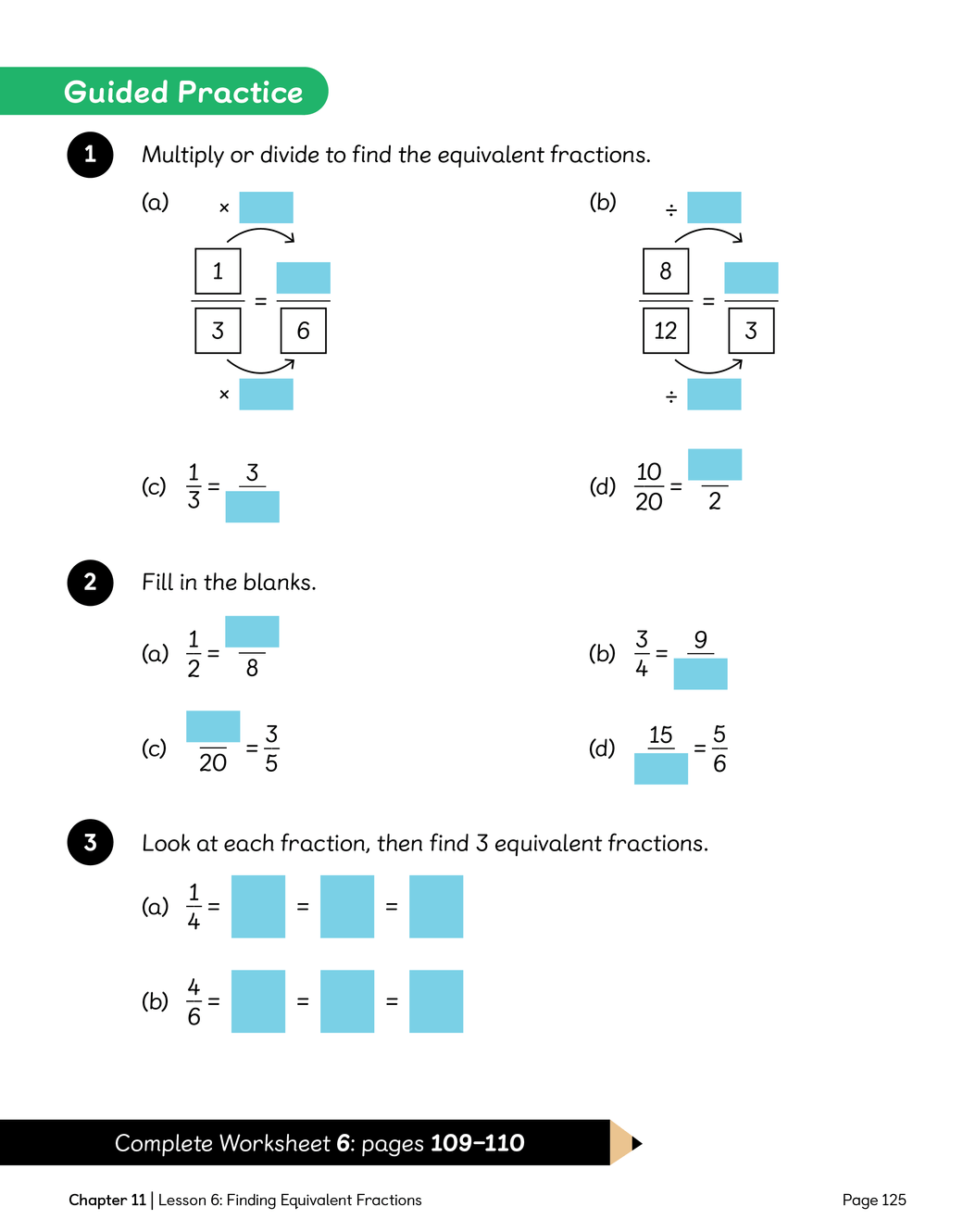
To be able to find equivalent fractions.
RIC
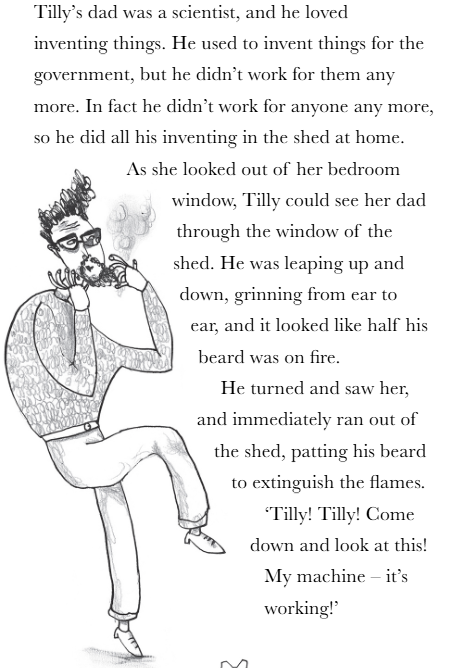
R - What did Tilly's dad do as he ran out of the shed?
I - How might Tilly's dad be feeling in the shed? Can you find evidence from the text?
C - Find the complex sentences and identify the conjunctions.
Main
Thursday 7th May 2026
LC: To identify the main ideas drawn from more than one paragraph.
What is the main idea of a paragraph?
1. Read Each Paragraph
-
Read slowly and carefully.
-
Ask: "What is this paragraph telling me?"
2. Look for Repeated Ideas
-
Are there words, topics, or facts that are the same?
3. Think: What Do These Paragraphs Have in Common?
-
Ask: "What is the big idea in both?"
4. Say the Main Idea in One Sentence
-
Use your own words.
-
Keep it short and clear.
Example 1
Paragraph 1:
Eating fruit and vegetables helps you stay healthy. They give your body vitamins and energy.
Paragraph 2:
Drinking water and eating less sugar is good for your body. It helps your brain and keeps you strong.
🟩 Main Idea from Both Paragraphs:
Healthy eating and drinking help your body stay strong and work well.
Example 2
Paragraph 1:
Ella looked everywhere for her cat, Whiskers. She searched under the bed, behind the couch, and even in the garden, but he was nowhere to be found.
Paragraph 2:
She asked her neighbours if they had seen him. Finally, she heard a soft meow from inside the shed. Whiskers had been sleeping on an old blanket the whole time!
What is the main idea of both paragraphs?
Activity
Paragraph 1:
Lila wanted to play outside, but it was raining hard. She looked out the window and sighed.
Paragraph 2:
Then she had an idea. She grabbed her paints and started making a rainbow picture. Soon, she forgot all about the rain.
What is the main idea from both paragraphs?
The main idea is...
Paragraph 1:
Max held his ice cream cone carefully as he walked down the street. It was a hot day, and the ice cream was already starting to melt.
Paragraph 2:
Suddenly, a scoop of chocolate ice cream slid off the cone and landed on the ground. Max sighed, but then his mum bought him another one.
What is the main idea from both paragraphs?
The main idea is...
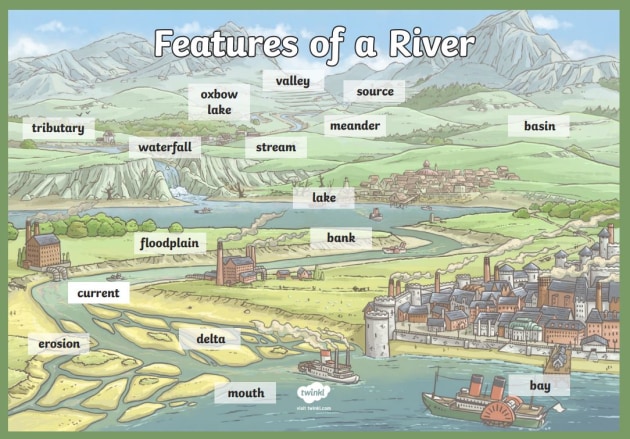
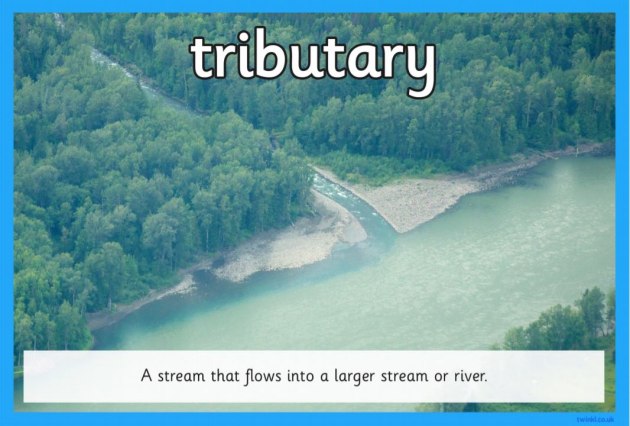
LC: To understand that rivers join together before they reach the mouth of the river. Smaller rivers and streams are called tributaries.
Can you sketch and label a tributary?
/i/video/Year_3/Geography/Tributory_/My_Movie_28.mov
What is a Tributary?
A tributary is a type of small stream that connects a water source to a much larger body of water, like a lake or river. It carries vital minerals, nutrients and chemicals that different species of vegetation and animals in the water and on the banks need to survive. They also manage watersheds in its path, carrying the contents of surrounding drainage basins, such as rain and snow. Most rivers form from a nearby tributary that’s gathered more water and expanded in size on its path.
What does a tributary do?
Tributaries are mainly responsible for transporting water from the initial source to the larger mainstream body of water, there are other vital aspects to a tributary’s role.
One especially important part of tributaries is the habitats they provide for a variety of species. These include plants, semi-aquatic and non-aquatic mammals, fish and a variety of birds. The fast pace, cold streams often found in tributaries provide the ideal living environment for many of these animals and freshwater plants. The water from the tributary also helps the soil on the banks to grow.
Tributaries are also very important when it comes to the surrounding watersheds. They carry the runoff from these drainage basins and carry them all the way to the mainstream body of water. This excess water is really important for the river cycle as it makes sure that large bodies of water stay full and impacts the erosion of the banks.
Where can you find a tributary?
You’ll find a tributary partway between a primary water source, such as a spring up in the mountains, and a mainstream such as a river or a reservoir. Tributaries transport water downhill between these different bodies of water, so they’re often found on high ground levels.
Often, multiple tributaries join together from different places before meeting reaching the confluence, where they make contact with the mainstream body of water. These are also known as ‘forks’ and are referred to as either North, South, East or West. They can also be identified with the direction of the current they’re carrying in, which is bearing either to the left or right when looking downstream, known as either the ‘Left Bank’ or the ‘Right Bank’.
So, where tributaries are found is important when identifying which fork is which and exactly which mainstream body they’re going to connect to.