



Friday 9th January
LC: To recognise reasons for rules and laws.

What are rules?
Rules are a set of instructions to help individuals, and whole communities, live and work together harmoniously. You’re likely to find rules in schools, workplaces and in the home.
Talk Partners
Do you have rules at home? What are they?
What do you think will happen if you break a rule?
What would happen if you broke a school rule?
What are laws?
Much like rules, laws are a set of instructions put in place to keep people safe, maintain order in society, protect rights and property. The difference is that the consequences of breaking a law are much more severe.
Laws are created and enforced by the government and/or the police, and hold everyone to the same standard of accountability.
What could happen if you broke the law?
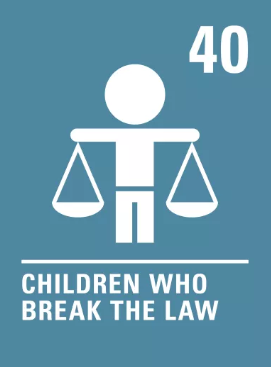
Breaking the law is classed as a criminal offence. Punishment can come in the form of fines, community service or even jail time.
Activity
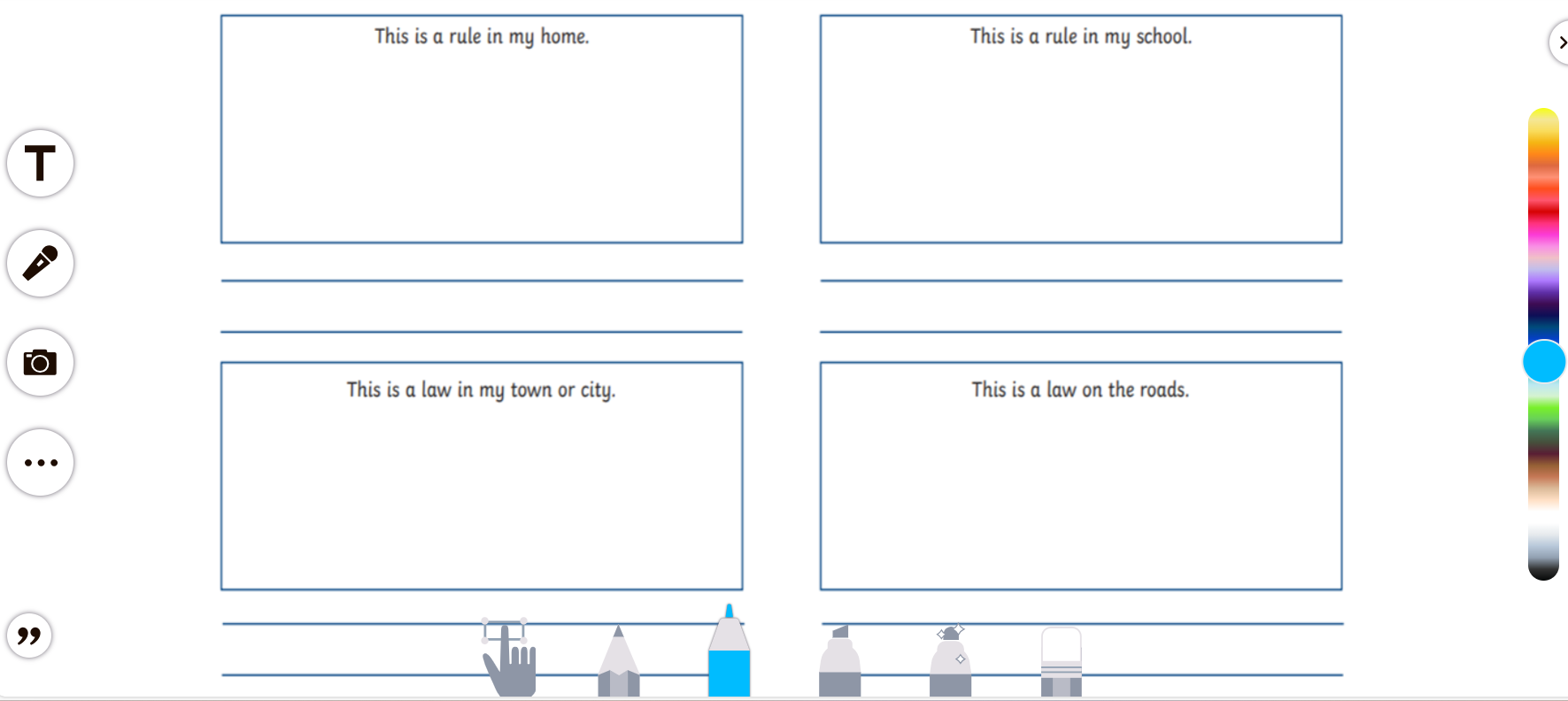
You are going to complete the below task on SeeSaw.
You can use your iPad to research laws in your town and laws on the roads.
Friday 9th January 2026
Grammar
LC: To use the present perfect forms of verbs.
/i/video/Itrat_Ali/3A_2025-2026/Spring_1/English/Present_Perfect_Verbs.mp4
Let's look at the sentences below and focus of the perfect forms of verbs; 'have' and 'has'.
When the seeds have germinated, their roots start to grow downwards.
Sand begins to melt when it has reached a very high temperature.
The eggs hatch when the chicks have developed fully.
When the air has heated up the balloon begins to rise.
Liquid chocolate becomes solid when it has cooled.
When the hen has laid her eggs, she sits on them to keep them warm.
Main
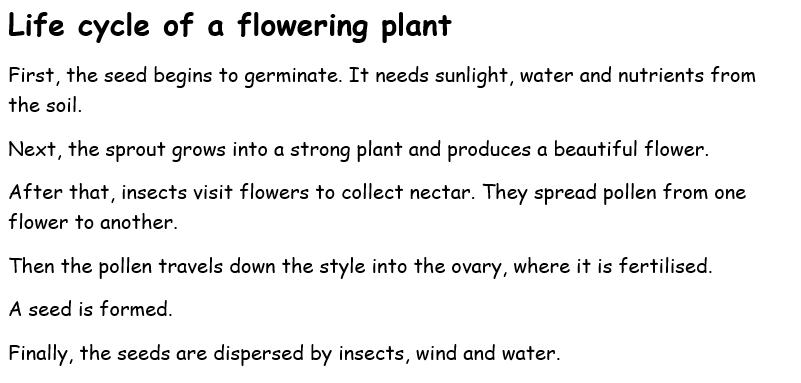
LC: To orally rehearse the life cycle of a flowering plant.
Today we are going to learn the life cycle of a flowering plant!
We learnt about the life cycle last year and looked at the text below.
Can you remember the actions we created?
Activity
In groups of two, you are going to learn the life cycle.
Can you perform it without looking at the text?
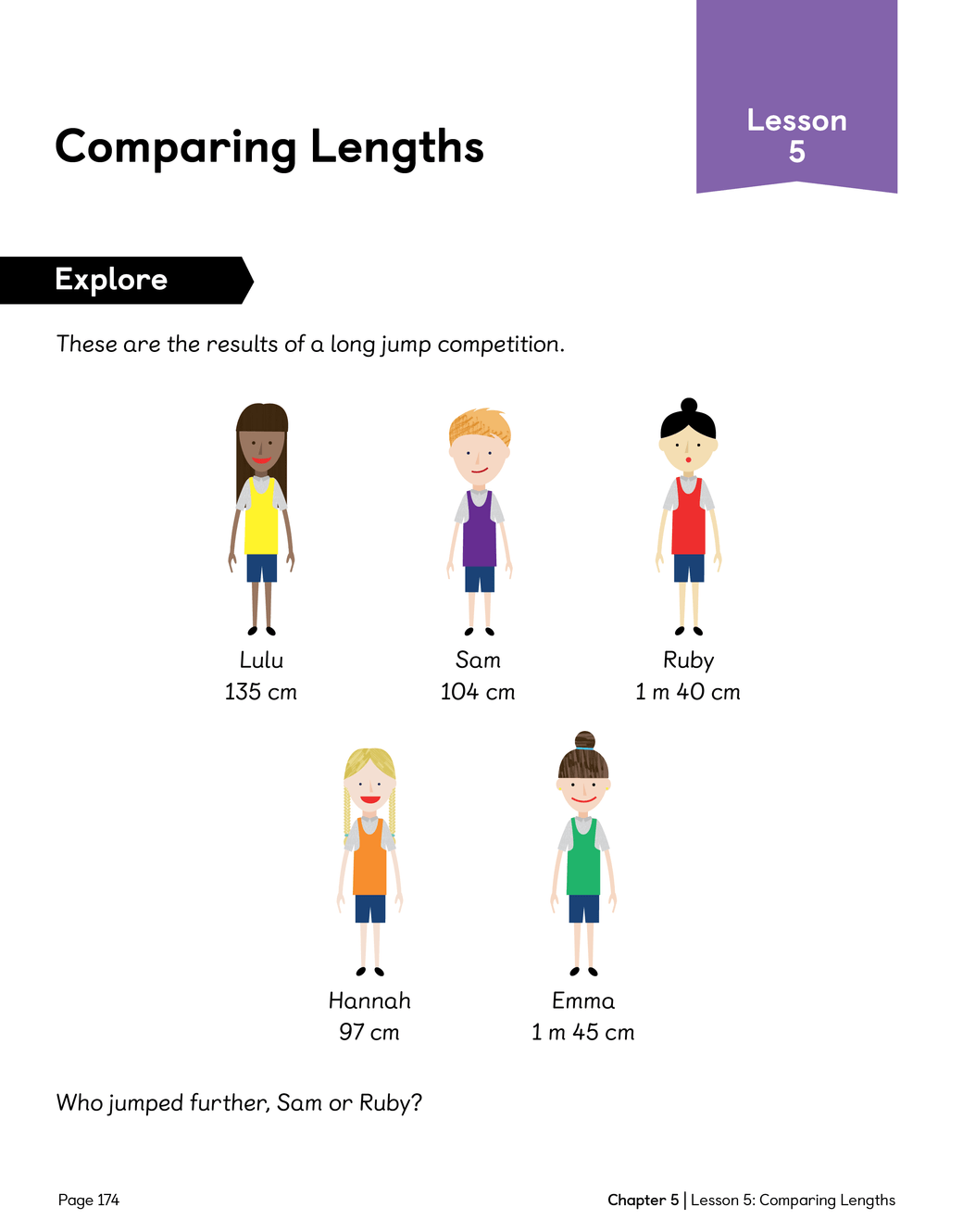
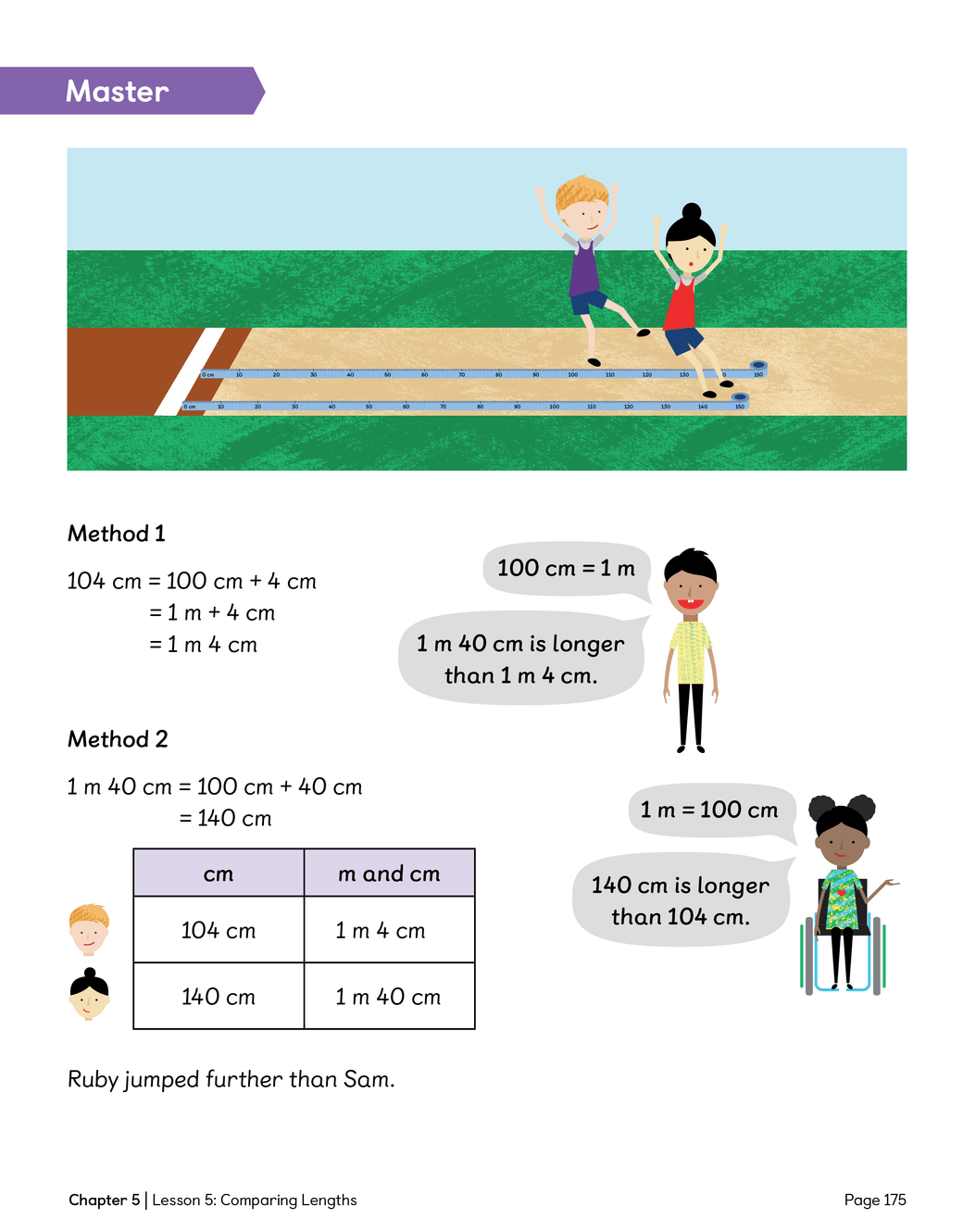
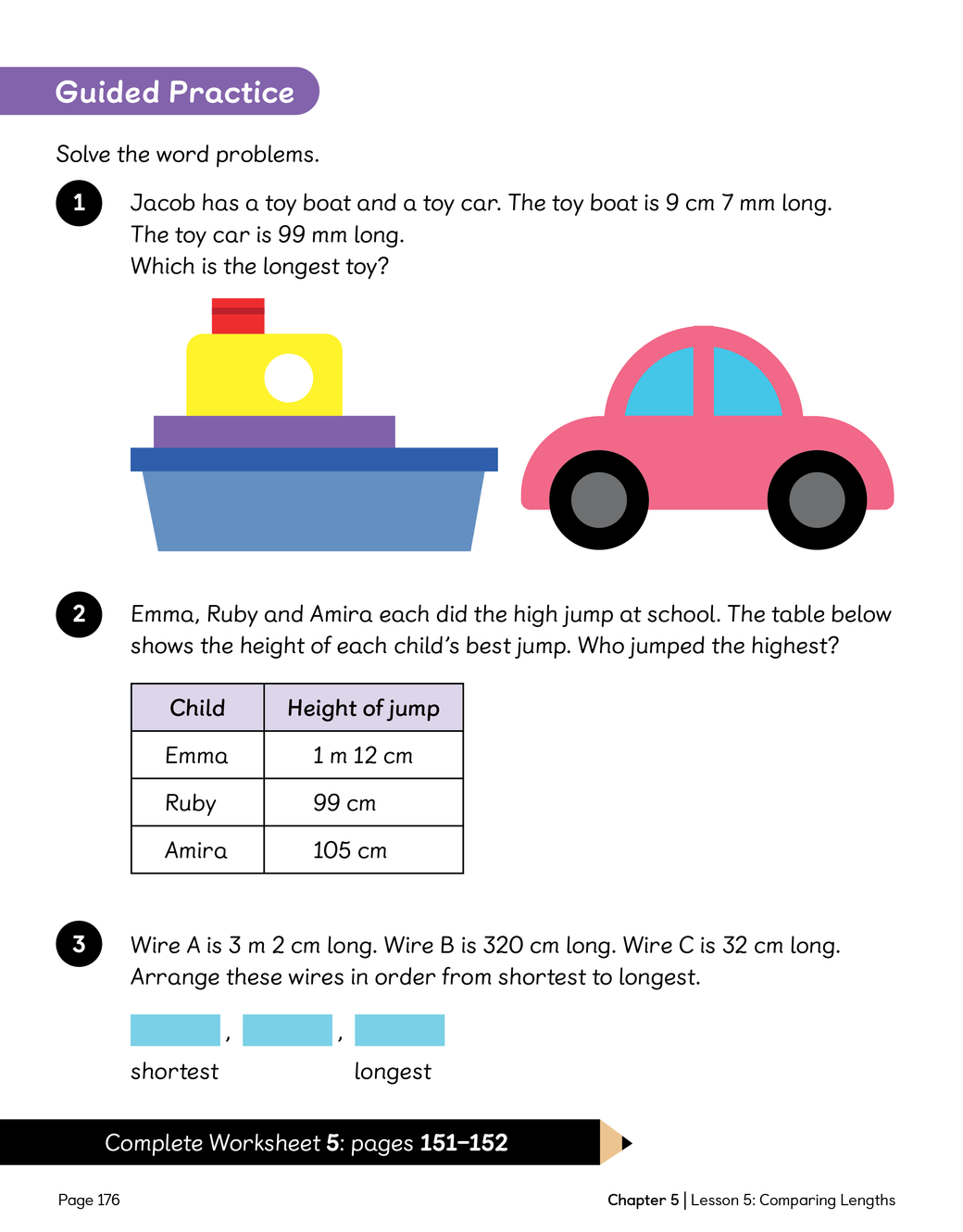
LC: To be able to compare lengths.

LC: To label the parts of a flowering plant.
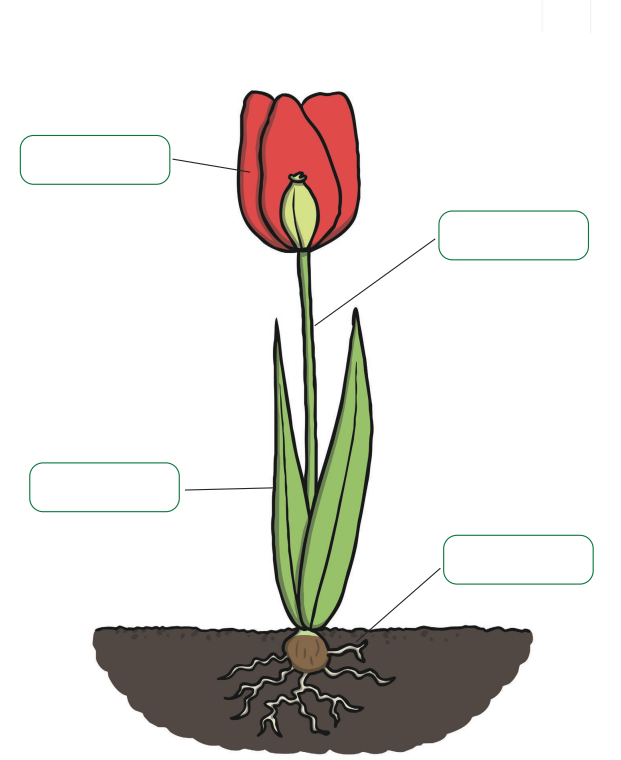
Can you label the parts of a plant?
Now research why a plant needs these parts.
Investigating
What does a plant need to survive?
Let's set up an experiment to test the investigation.