

Tuesday

Use subordination for time using when, before and after.
Can you identify the subordination for time and rearrange the following sentences:
-
I wash my hands when I get home.
-
We eat lunch when the bell rings.
-
I feel happy when I play outside.
Be able to explore new vocabulary using different strategies.
Today we are going to read the beginning of A Bear Called Paddington (page 15).
Whilst your teacher is reading, listen out for the following words and explore:
railway
platform
loudspeaker
Lost Property Office
porter
laden
blaring
Mrs Brown looked at her husband in amazement (page 8).
What does the word amazement mean in this sentence?
/i/video/Mr_Latif/PADDINGTON_-_Paddington_Meets_The_Brown_Family_-_Film_Clip.mp4
Talk partners
What is the setting?
Tell me two things you know about the character.
To be able to describe 3D shapes based on their properties, including the number of 'faces', 'vertices' and 'edges'.
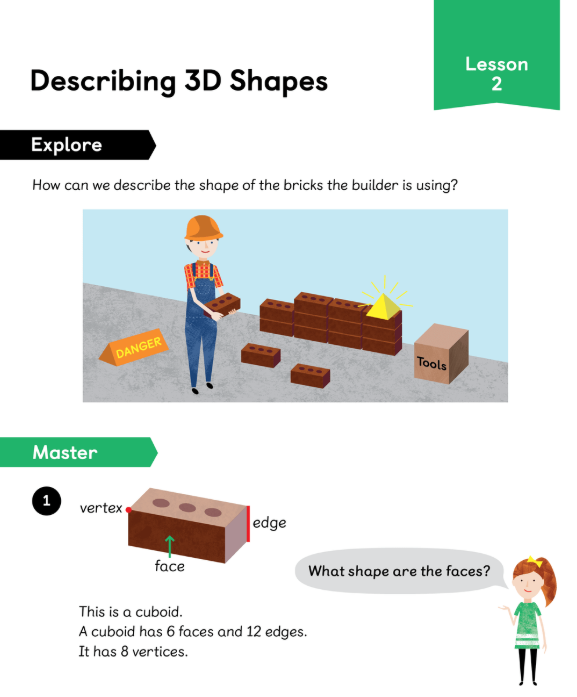
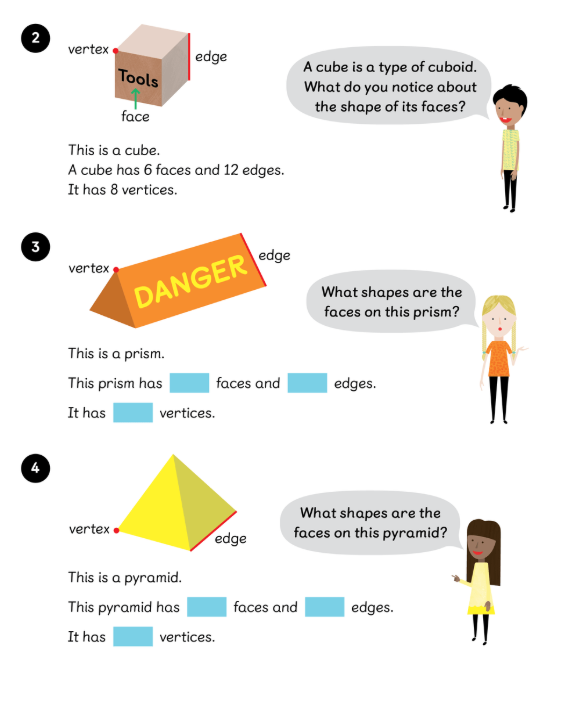
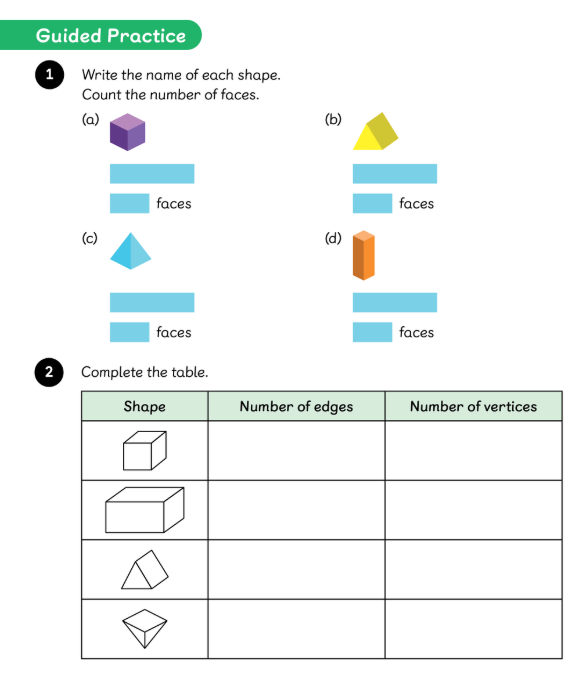
Turn to page 69 and 70.
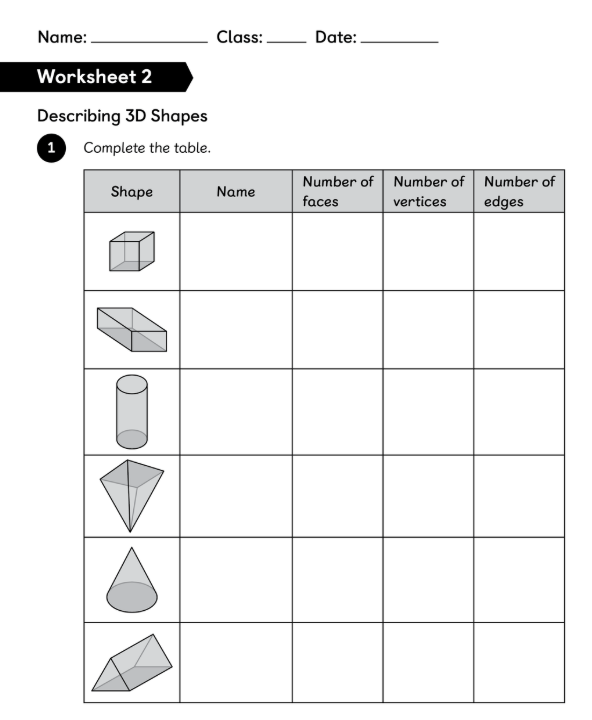
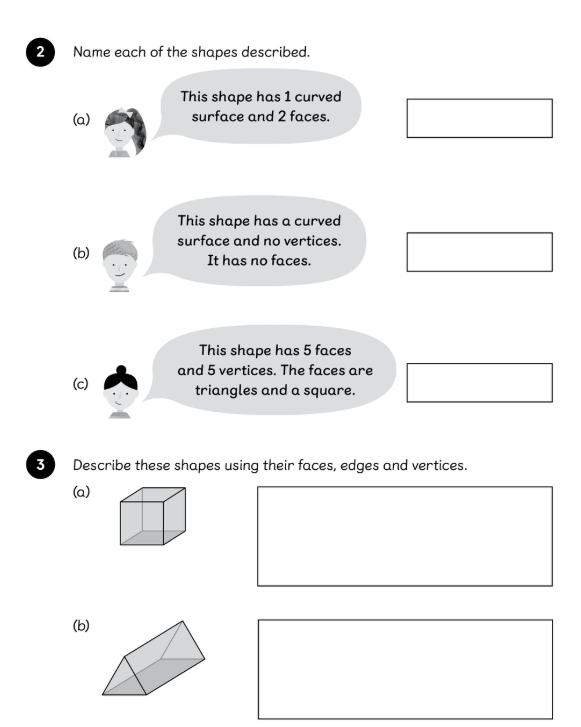

What changes occur to seeds when we plant them, how will we know?
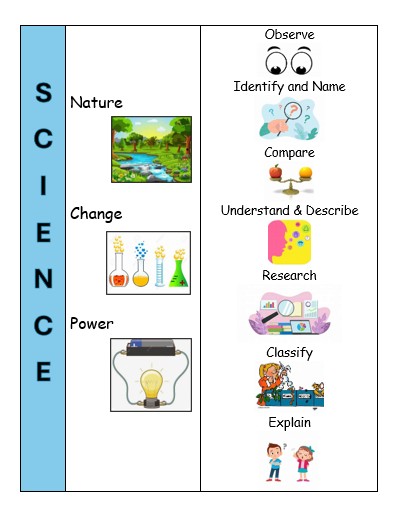
/i/J_Fernandes/Science/videoplayback__1_.mp4
What happens when you plant seeds?
- The seed absorbs water and starts to grow.
- A tiny root comes out first, going down into the soil.
- Then a shoot grows upward toward the light.
- Leaves appear, and the plant begins to make its own food .
What happens when you plant bulbs?
- Bulbs (like onions or tulips) already have a small plant inside them.
- When planted, they use stored food to start growing.
- Roots grow downward, and shoots grow upward.
- They often grow faster than seeds because they already have energy stored
How can we investigate what actually happens to a bulb or a seed when it starts to grow? How can we observe that?
You will need
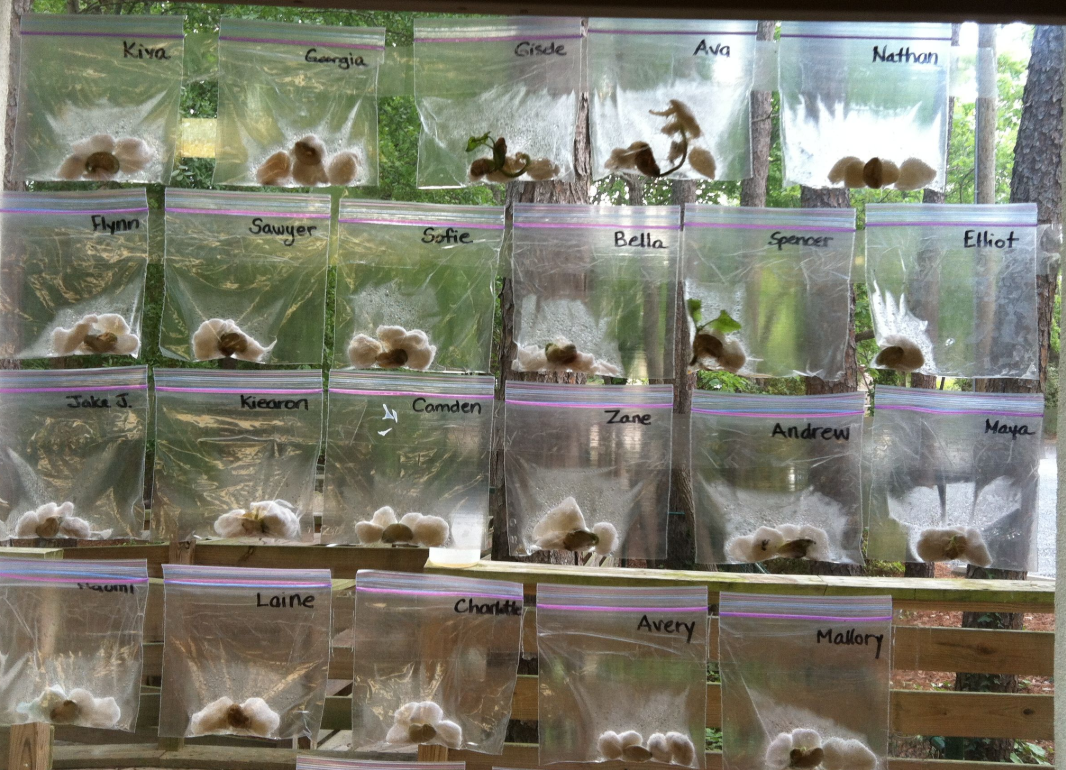
- a plastic bag
- a seed
- cotton wool
- water
Method
1. Wet your cotton wool.
2. Place the cotton wool in your bag.
3. Sit a seed on top of the cotton wool.
4. Seal your bag, write your name on and stick it to the window.