

Tuesday
To be able to solve multi-step word problems involving money with increasing complexity.
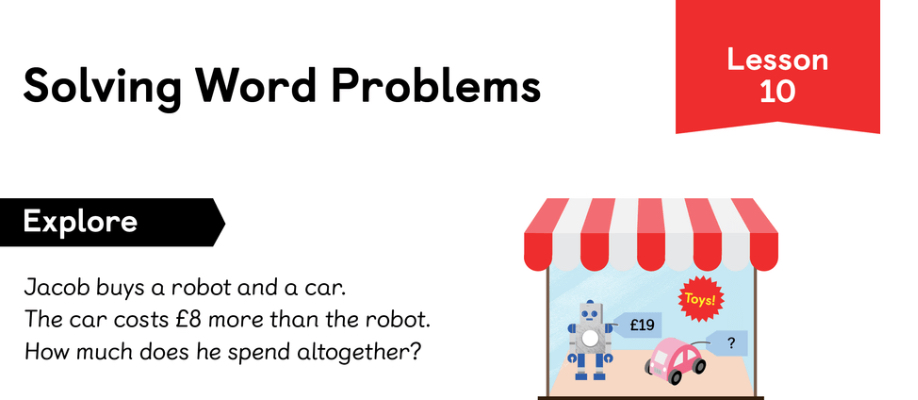
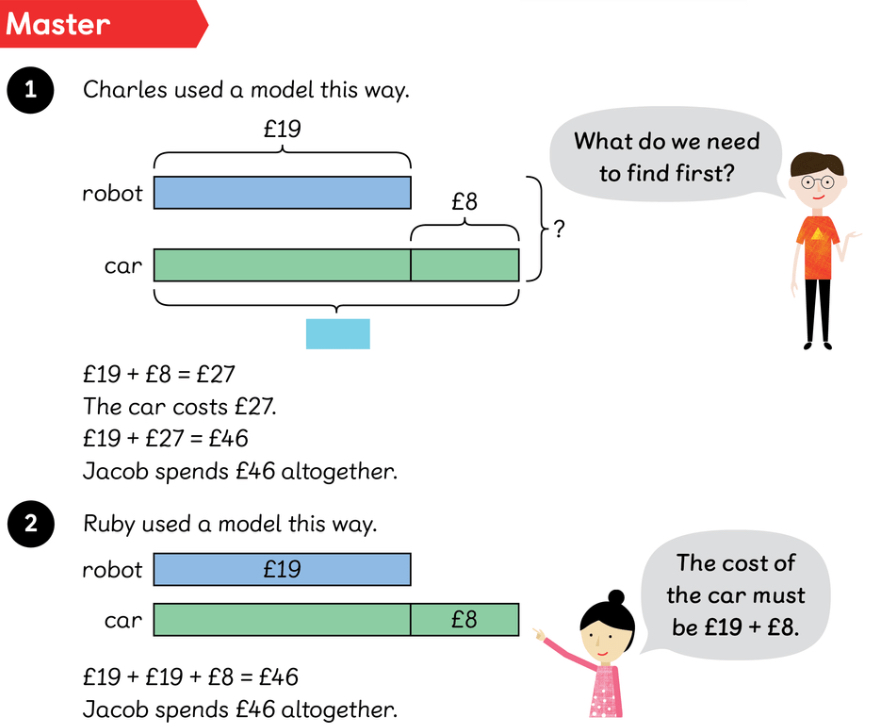
Let’s explore.
Let’s learn.
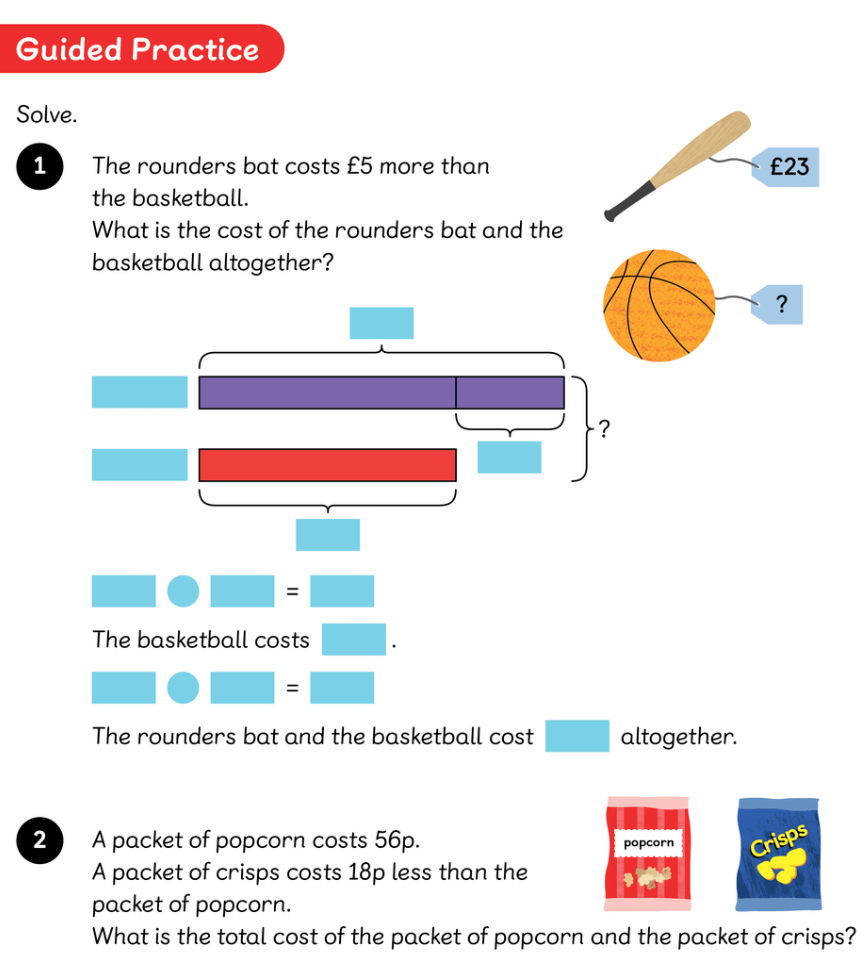
Let’s try the guided practice together.
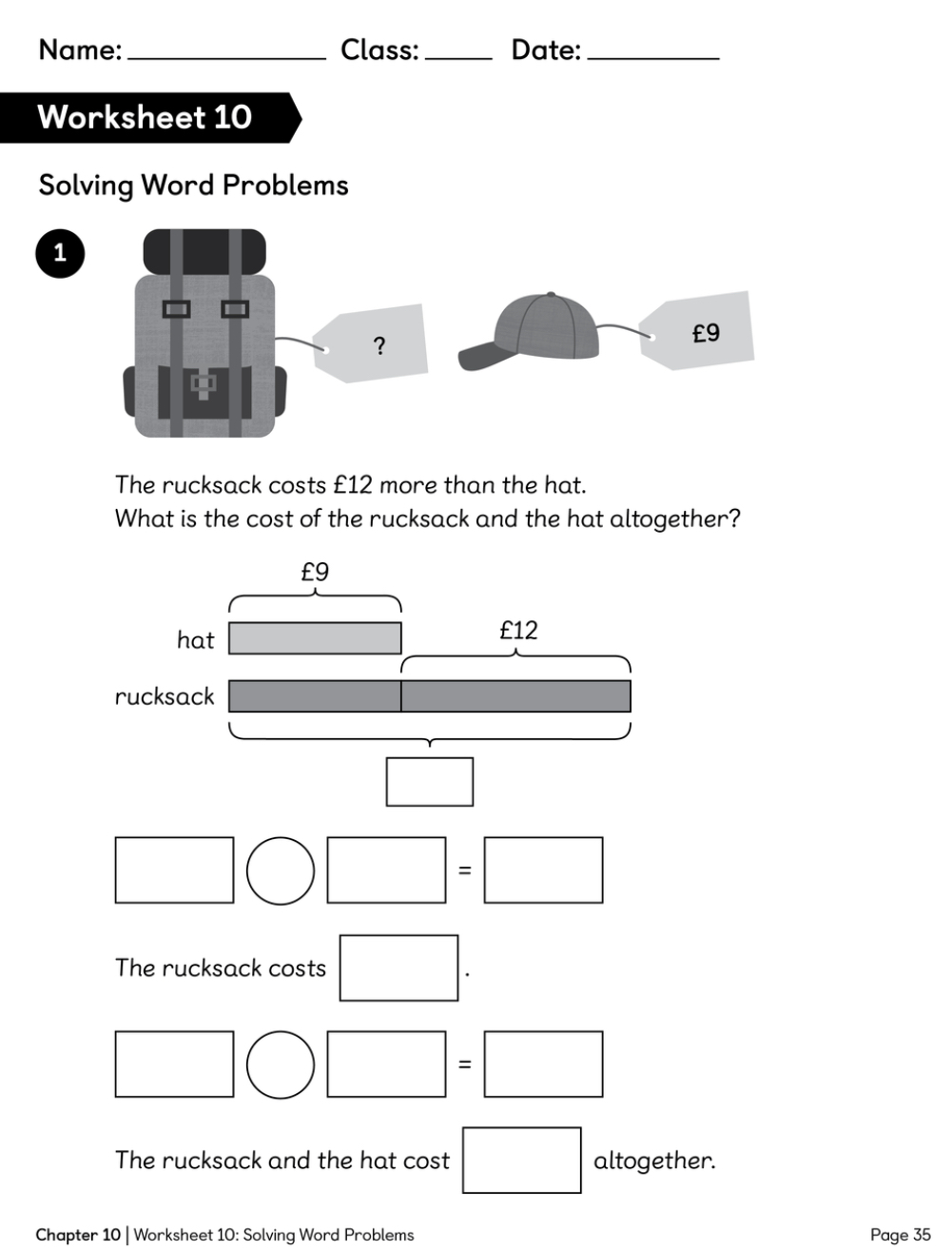
Turn to page 35 and 36.

You are going to plan and write your own chapter based on our book 'The Owl who was Afraid of the Dark'
Things to include in your story:
- past tense
- time adverbials
- coordinating conjunctions
- subordinating conjunctions
- adjectives
- question and exclamation marks
Things all writing should include in Year 2:
- finger spaces
- capital letters and full stops
- neat/joined handwriting
- phonics/spelling rules
To make sure we write to the best of our ability we must: sit comfortably, hold our pencil correctly and manage our distractions.
Keep looking back at the story map you have drawn and say the sentence you are writing out loud along with your actions.
Lastly-Don't forget the punctuation!
Can you identify and explain why a material is suitable or not suitable for a purpose?
What do you know about this scientist? Can you deduce anything from the photographs?
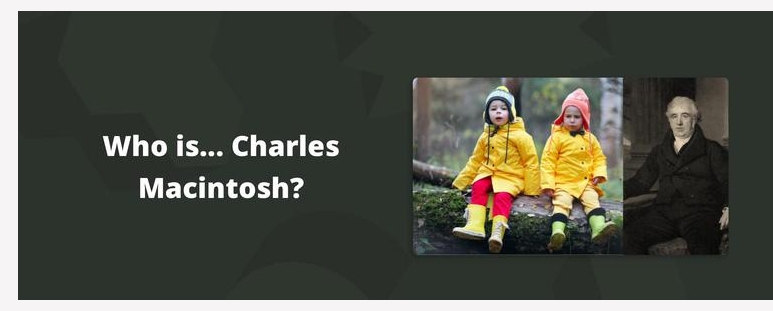
- Do you think he does his work now or did he live and work in the past?
- Is there anything in the photographs which gives you a clue about the type of science he was involved in?
- Charles Macintosh developed new fabrics. How do you think he helped people?
Charles Macintosh was born in Glasgow, in Scotland in 1766. He loved science. He experimented with different ways to make new materials.
Whilst Charles was investigating, he found that rubber could be dissolved and turned into a liquid. This made the rubber flexible and soft as well as waterproof. Charles wanted to make rubber spreadable so that he could paint it onto fabric. Charles realised that he had made a flexible waterproof fabric that could be used for clothes.
Charles started to use this fabric to make waterproof coats called Mackintoshes. You can still buy a Mackintosh or Mac today (as you can see in the photograph above) and many people still use these raincoats.
An object is something that you can touch.
A material is what the object is made from.
Let's recap the properties of materials that we looked at last week. Sort the objects on your table by their properties. What do you notice?
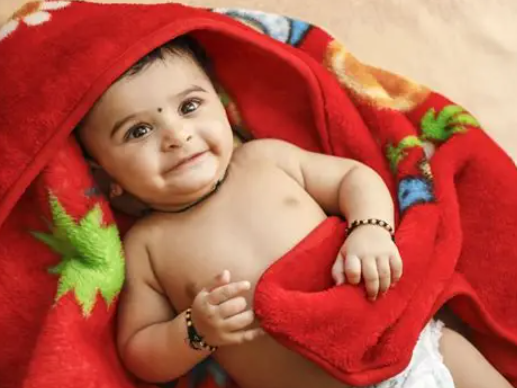
Which material would be suitable for a baby's blanket?
List two properties to explain why you have chosen this material.