



Tuesday
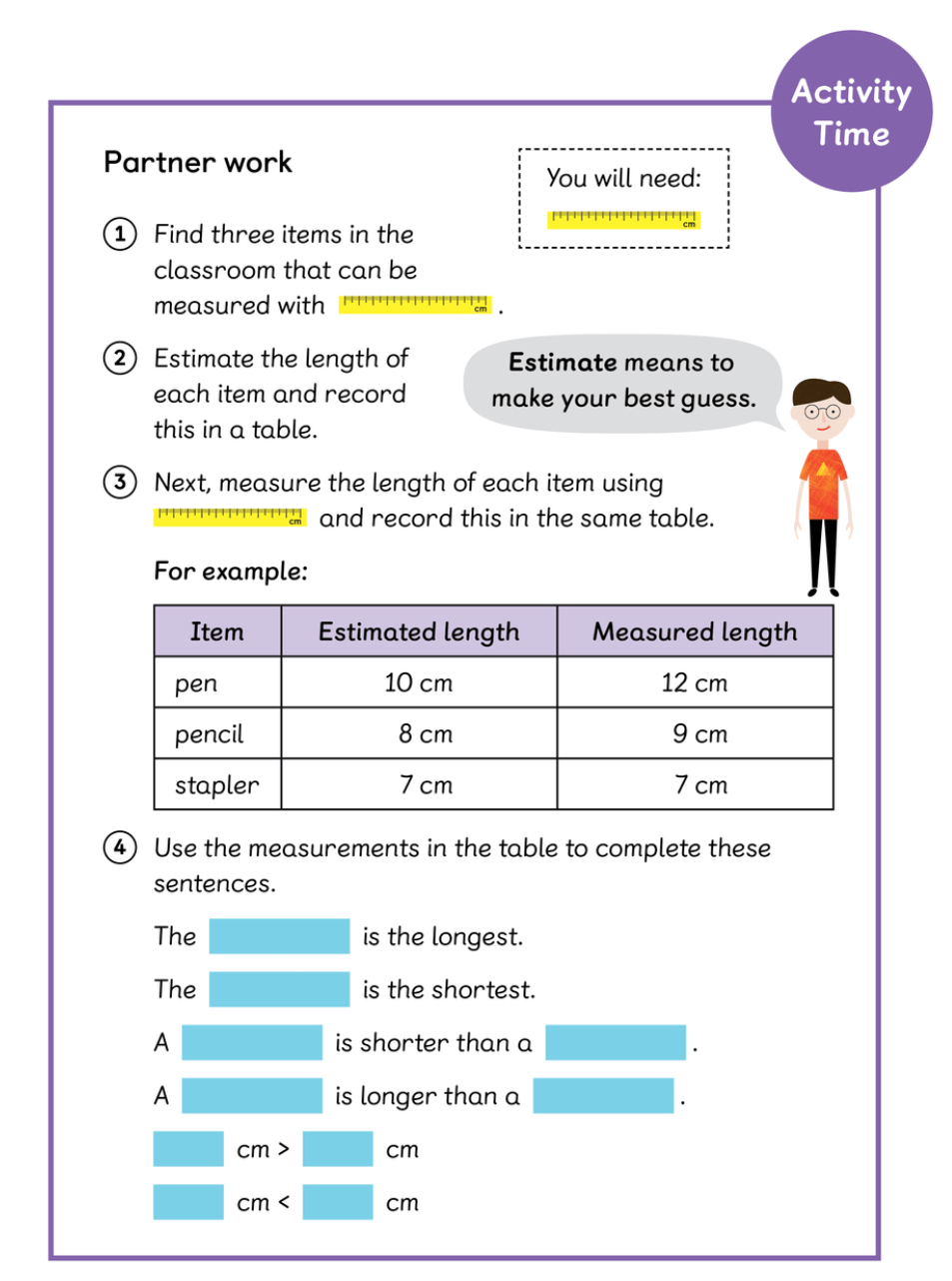
To be able to compare different lengths using centimetres as the unit of measurement.
Let’s learn
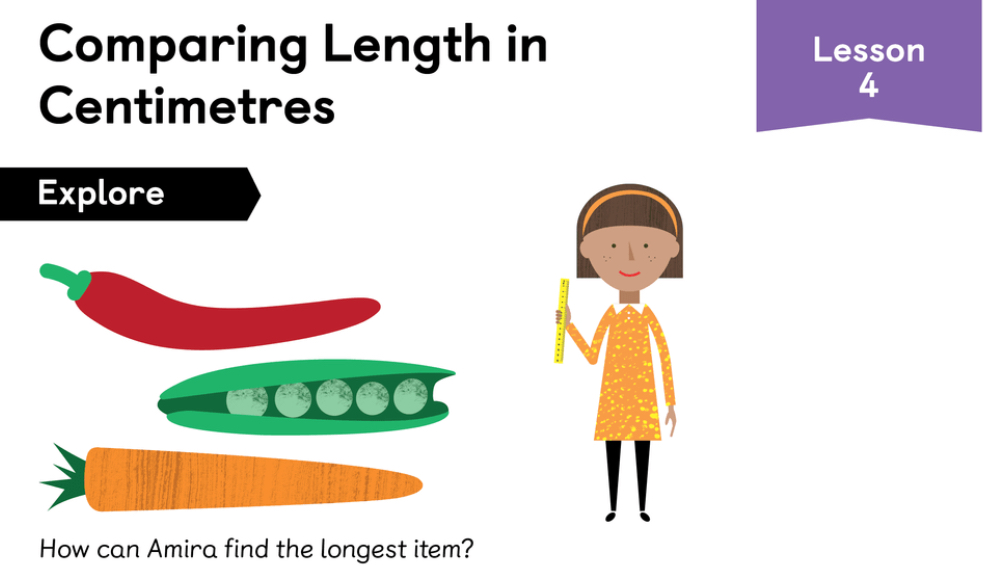
Let’s explore
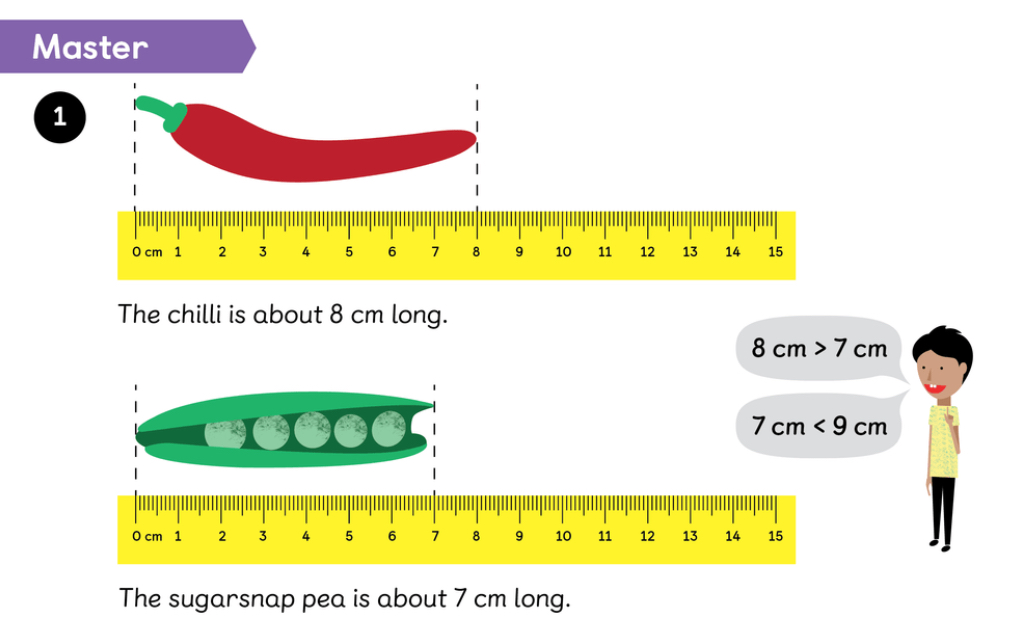
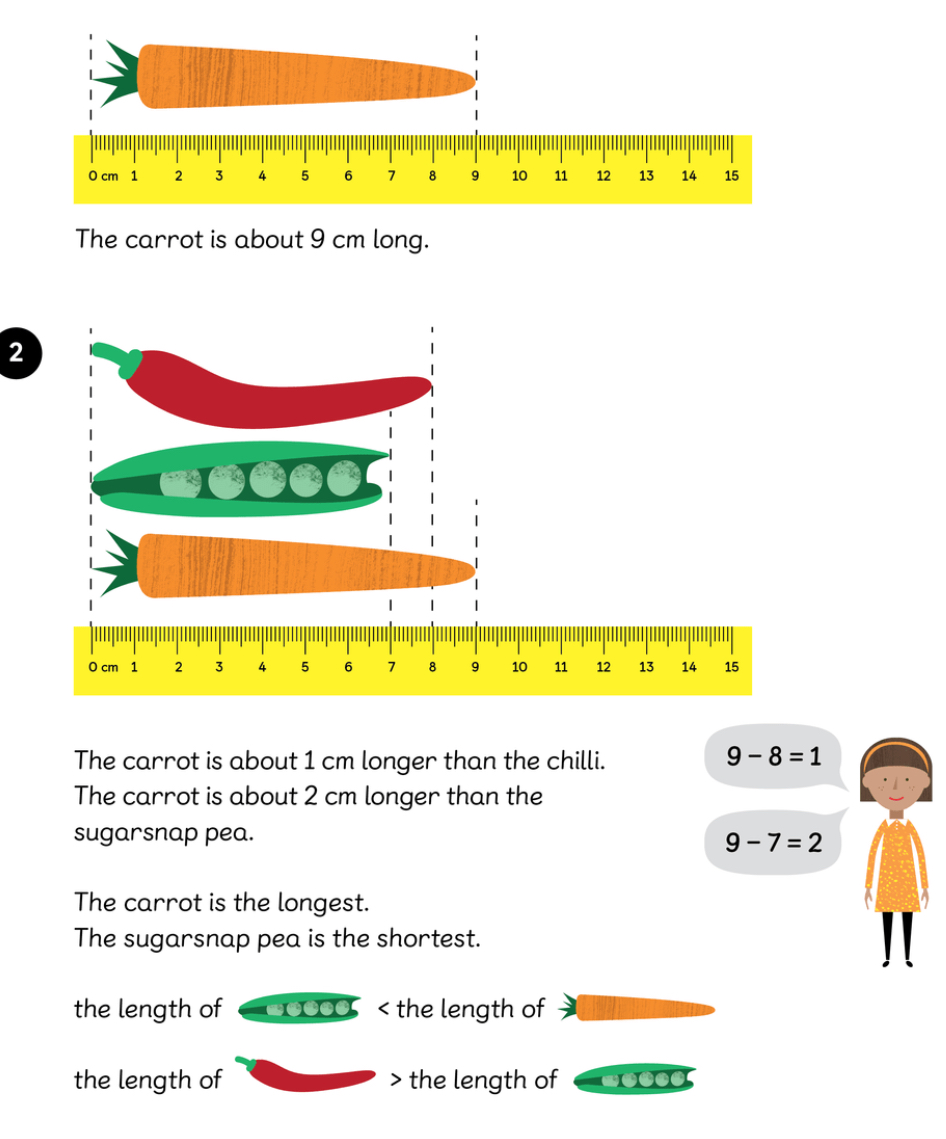
Activity time
Grammar warm up
Talk to your partner, choose because or if to explain a reason:-
Birds have feathers because
-
We wear coats because
-
I was happy because
-
Birds may fly away if
-
You will get wet if
-
We can play outside if
To use knowledge gathered previously to answer questions.
What are owls?
We know a lot about birds in general from our discussion yesterday, but what do we know about owls?
Let's watch:
/i/J_Fernandes/All_About_Owls_for_Kids__Backyard_Bird_Series_-_FreeSchool_360.mp4
Write three things that you have learnt about owls. Remember to write sentences that include a capital letter and full stop.

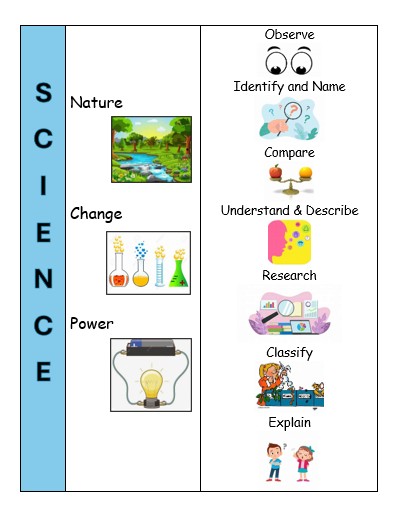
Can you investigate how living things are suited to their habitat, what the animals eat in a habitat and how the plants provide shelter for them?
Last half term we learned about habitats. Talk to your partner about what you remember.
A habitat is a place where an animal lives, providing it with water, food and shelter.
Many animals have special features or skills to help them survive in their habitat. They are adapted to live there.
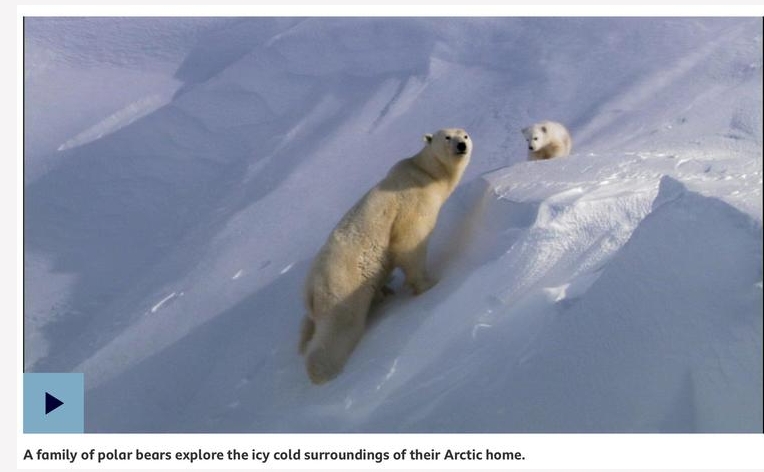
• Where is a polar bear’s den?
• In which habitat do polar bears live?
• How are they adapted to live in their habitat?
Work as a team.
• Jot down the habitats the animals live in and think about how each animal has adapted to their habitats.
Choose one of the animals that you have researched together, record in you Science book how they have adapted to their habitat.