



Thursday
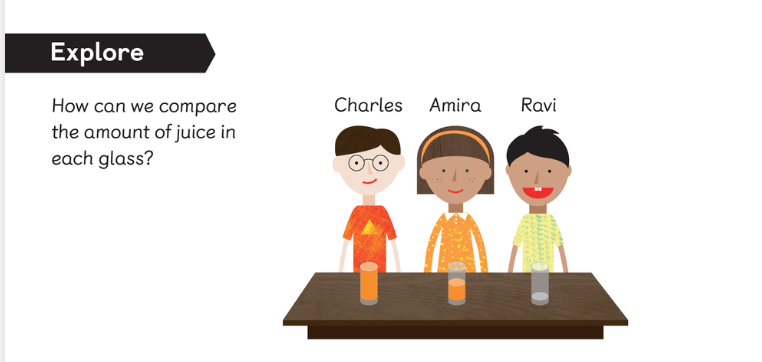
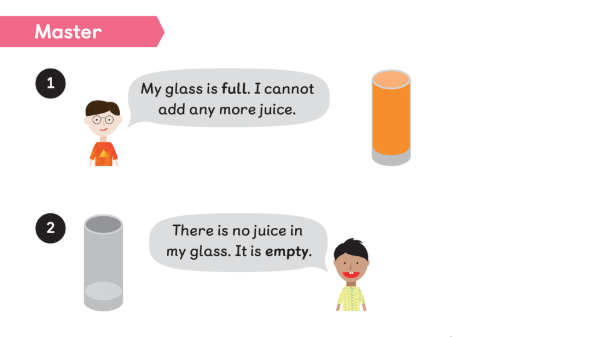
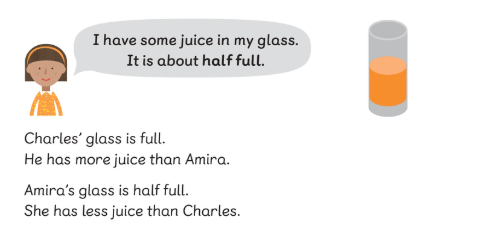
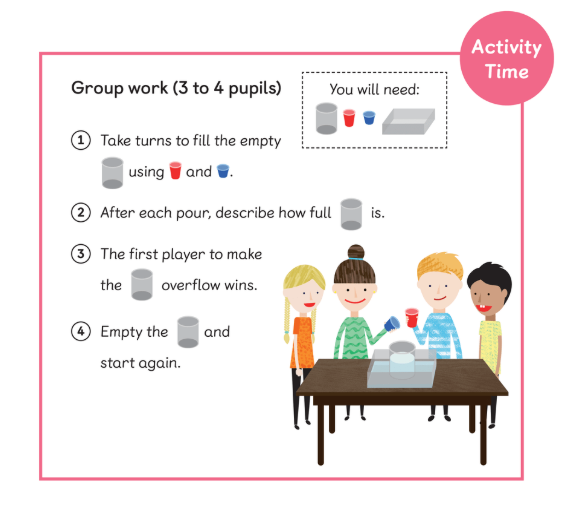
To be able to compare volume using the terms 'more than' and 'less than', 'full', ‘half full’ and 'empty.'
Compose and sequence their own sentences to write short non-fiction texts.
Today we are going to write our own instructions for how to trap a train.
Yesterday we discussed ideas for our own instructions on how to trap a train and we created our own instructions map.
Have a go at orally practising your instructions map and read to your talk partner.
Let's look at the one we created yesterday on our English working wall.
When you have practised your instructions map 3 times, you are now ready to write.
Remember:
Capital letters
Spaces
Full stops
using ‘and’
Neat handwriting
Can we identify toys from the past which continue to be played with in the present even though they may have changed over time?
As historians, we know that toys from the past were hand-made often made from wood or metal. They had a simple design and any movements were made by hand.
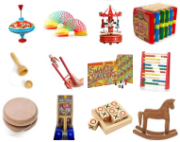
Let's look at how they were used
Play this game together - OLD AND NEW TOYS - Group sort
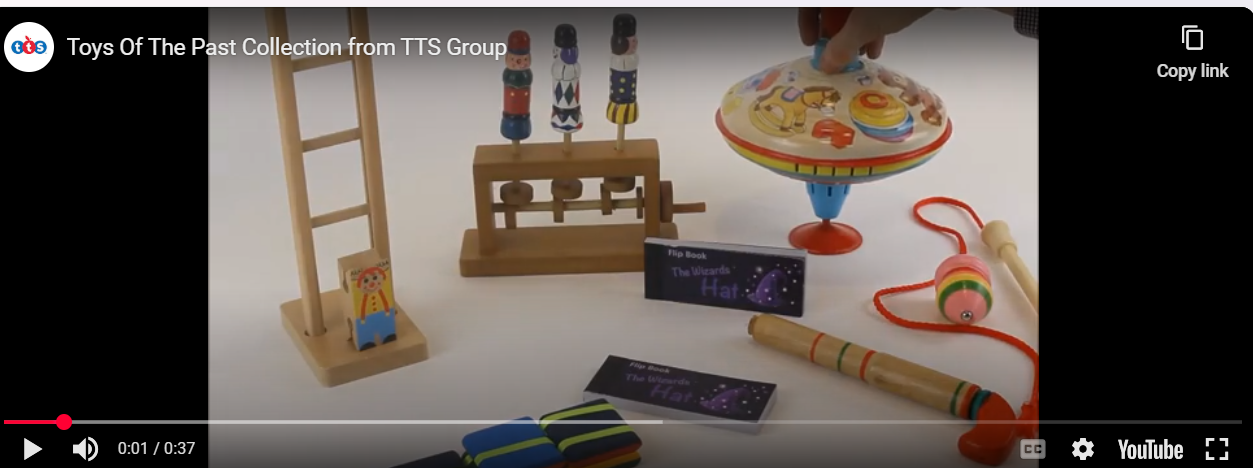
Watch - Toys of the past collection from TTS group
Puppets were a popular toy in the past and continue to be made today. They used the same skills we learned as engineers to create moving parts.
Now it's your turn to go outside and explore the different toys from the past. While you are exploring remember to look for what material it's made from, what year the toys are from and any special features you can spot!
On seesaw draw your favourite toy from the past you saw outside and write what material it's made from and then draw your favourite toy today and label any facts and materials1