



Tuesday
To be able to make addition stories using correct vocabulary.
Starter
"There are 2 birds sitting on a fence. 3 more birds join them. How many are there altogether?"

Lets create our own addition story using the puffins in the picture!
Talk partners
How many puffins can you see on the sand?
How many puffins can you see on the rocks?
How many puffins would there be altogether if the puffins on the rock joined the puffins on the sand?
What would it look like if you had to write it as a number sentence. Which numbers would you use and what symbols would be included?
Lets have a look at these next questions together!

Guided Practice
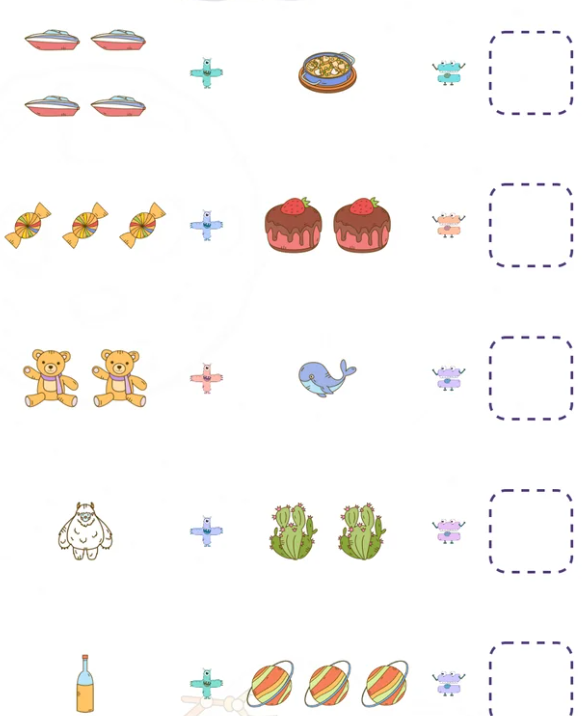
Children discuss with partners:
- What can you see?
- How many in each group?
- What addition story could we tell?
- What number sentence matches?
Share responses as a class.
Can you create a number sentence in our outdoor classroom using the maths area?
Create a Giant Number Sentence
Take children to the outdoor maths area.
Children work in pairs.
- Make two groups of objects.
- Count each group.
- Create an addition story.
- Build the matching number sentence using the large cards.
- Read their story aloud using mathematical vocabulary.
Example:
"There are 5 cones in the blue hoop. 2 more cones are added. There are 7 cones altogether."
Number sentence:
5 + 2 = 7
To be able to identify and use question marks.
Mrs Lavery is a little bit mixed up. Can you help her find which word would best fit each question?

________ do mice eat?
________ do mice sleep?
_______ do mice have long tails?
To be able to recall specific information from fiction and non-fiction texts/sources.
Let's use our knowledge from Science to label some of the body parts and teach them what we know about what make a mouse different from a human being.
Your teacher will read some interesting facts and it's your challenge to use this information to label the mouse correctly.

Mouse features:
- very large eyes, a long tail, very large ears, pointed snout
- brown- grey colour
- small feet
- almost hairless tail
- strong smelling- if they are in your house, you know they are there!
- they eat insects, leaves, berries, nuts and seeds

Click the picture below to find out some more information about mice.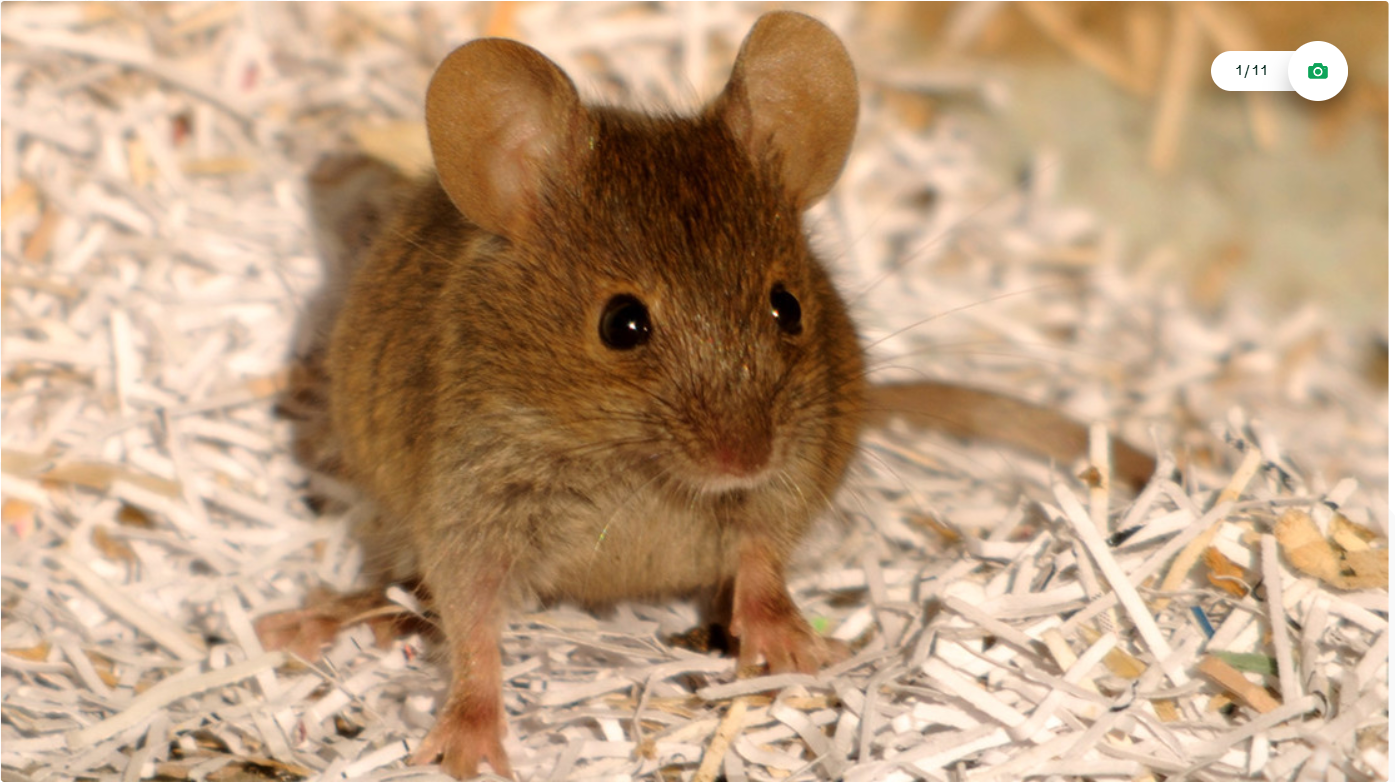
Now you are going to label the mouse features.