



Thursday
To use full stops to end simple sentences.
Today you are going to begin writing your new story. We are authors!
Practice your story one more time.

Can we make marks and lines when experimenting with different sized rollers?

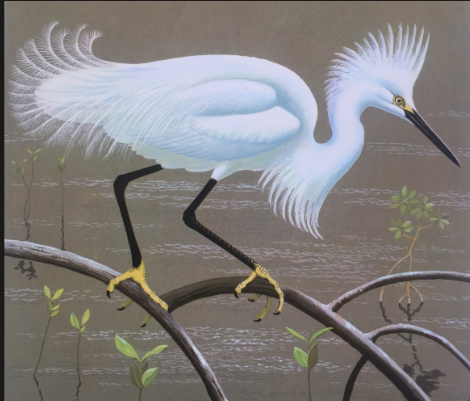
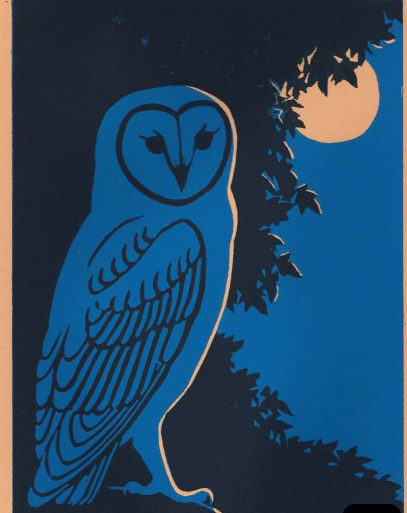
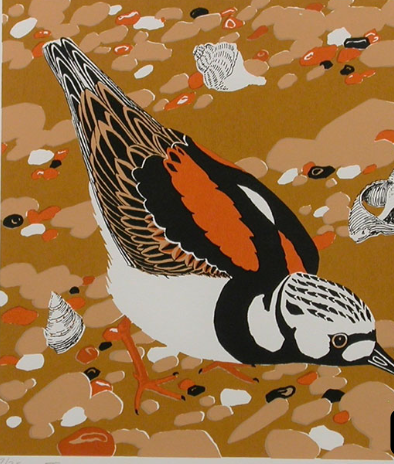
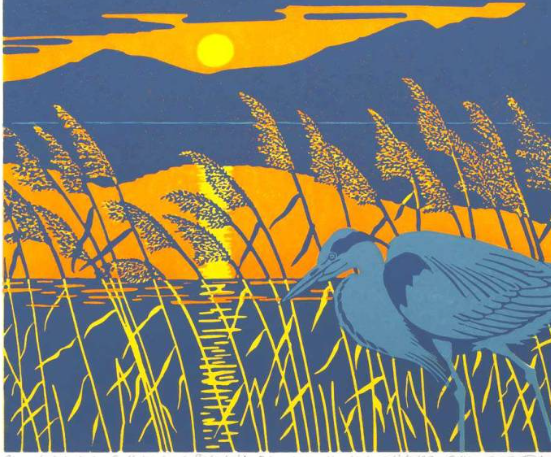
Starter – Look at Robert Gillmor
Show the children examples of Robert Gillmor's artwork.
Ask:
- What can you see?
- What different lines can you see?
- Can you see thick and thin lines?
- Can you see patterns and marks?
- What colours and textures can you spot?
Explain that Robert Gillmor uses lots of interesting lines, shapes, patterns and marks in his artwork.
Show the children different rollers:
🟦 Large Roller
◻️ Small Roller
🌟 Patterned Roller
🧽 Sponge Roller
Ask:
- Which roller will make the biggest mark?
- Which roller might make the smallest mark?
- What patterns can you see?
- Which roller would you like to try first?
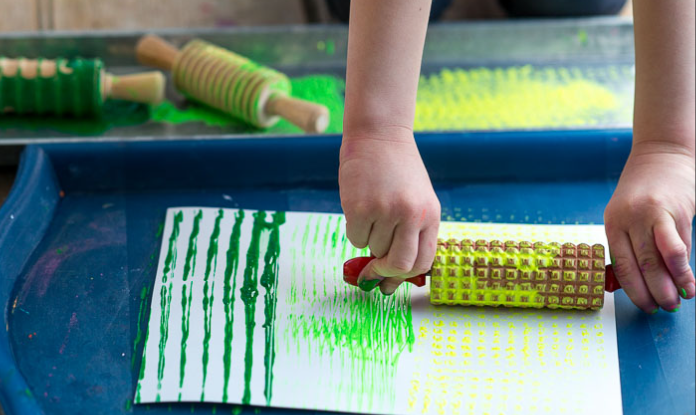
Teacher Model
Demonstrate using each roller to create different marks:
➡️ Straight line
〰️ Wavy line
⚡ Zig-zag line
🔵 Dotted pattern
🟩 Thick marks
➖ Thin marks
Main Activity (25 minutes)
Today we are going to experiment like artists. We are going to make a background using lots of different lines and marks. This will become the background for our bird artwork next lesson.
Create a Bird Habitat Inspired by Robert Gillmor 🐦
Children use rollers to create a large nature scene for birds.
Can you make:
🌱 Grass
☁️ Sky
🌳 Trees
💧 Water
🪶 Feather textures
🍂 Leaves
Encourage children to think about:
- Which roller works best?
- What texture does it make?
- Does it create thick or thin marks?
Main Activity – Create Our Backgrounds 🖌️
Give each child a piece of paper/card.
Children experiment with different sized rollers and paint to create an interesting background.
Encourage them to:
- Try different rollers
- Create different lines
- Make thick and thin marks
- Overlap their marks
- Experiment with how much paint they use
- Fill their whole page
To be able to complete number sentences and gain an understanding of inverse operations.
Number bonds warm-Up
Show children number bond pairs to 5.
Examples:
- 2+ 3 = 5
- 1 + 4 = 5
Then ask:
- If 2 + 3 = 5, what is 5 - 3?
- If 1 + 4 = 5, what is 5 - 1?
Discuss how the numbers stay the same but the operation changes.
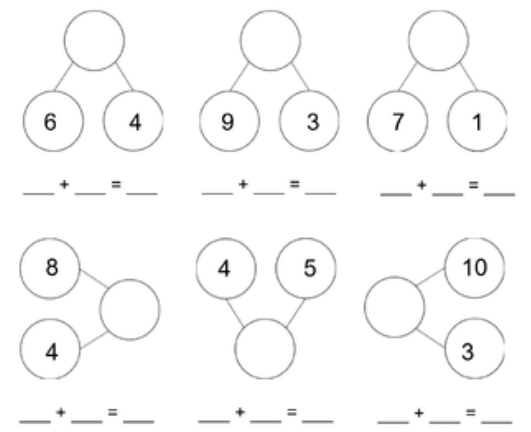
Lets have a look at this problem



Can we explain the weather changes that take place throughout a day?

Watch this to learn some exciting weather facts.

This week we are going to monitor the weather in the mornings and afternoons, and record on the chart below. 