



Wednesday
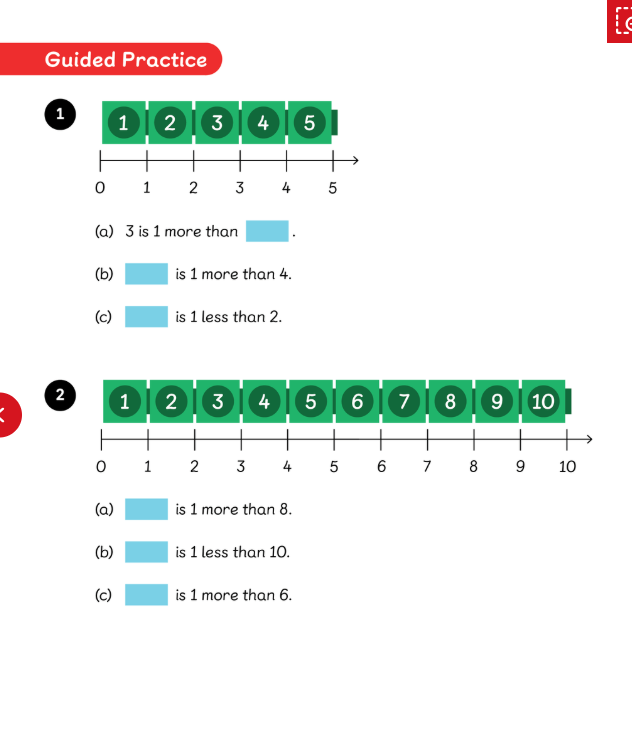
To be able to compare numbers using the terms '1 more than' and '1 less than'.
Grammar
I can use full stops at the end of a simple sentence.
One child takes a sentence card and reads it aloud whilst the other child listens carefully for the full stop. The listener gives a signal when they hear the reader stop.
“Harry was happy.” “I stopped because I reached the full stop.”
To introduce and discuss key vocabulary, linking meaning of new words to those already known.
Finish the story!
Read page 25 again.
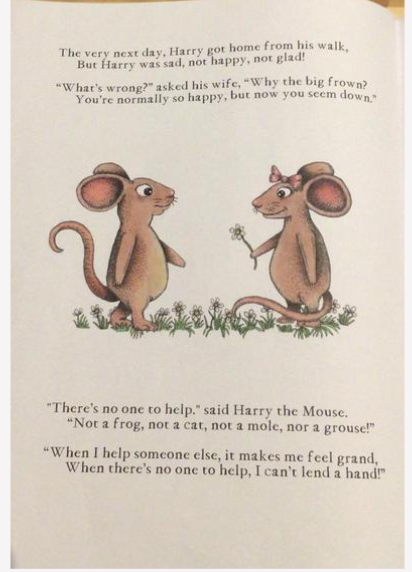
Discuss which vocabulary relates to Harry feeling sad.
Have a look at these words, which feeling do you think they represent?
| miserable | out of sorts |
| tearful | upset |
| glum | down in the dumps |
| unhappy | fed up |
| sad | gloomy |
Can you speak like Harry would in this part of the story? Can you use one of the words above?
'I am feeling ....because....'
Tell your partner your sentence before we share some with the class.
Write an example for the LW
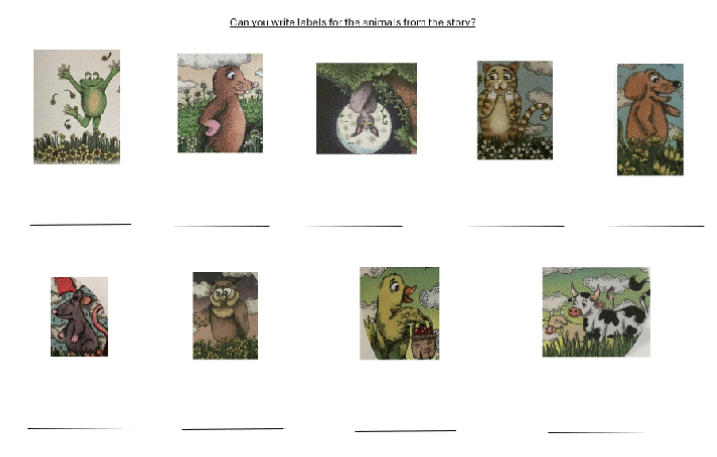
Discuss all the animals that appear in the story.
Can the you write labels for each animal?
When should you wash your hands?
Every child has the right to the best possible health.
Different leaders of countries around the world have made promises to help people to stay clean and healthy and have access to clean, safe drinking water.
Talk to your partner and ask them what are germs?
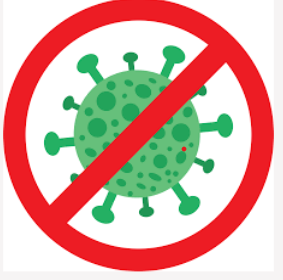
Germs are tiny, tiny living things (called micro-organisms) that can make us feel poorly.
They are so small we can’t see them. The only way we can see them is by looking at them under a microscope.

Germs can get into our bodies, but we don’t know about it until we may start to feel ill. That’s why we have to be really careful that we protect ourselves and others, so that we don’t spread germs.
They can spread through the air (when someone coughs, sneezes, or sings). They can land on surfaces – like your toys or door handles - and then spread to people who touch them.
Germs can also spread through bad food or dirty water.
If you cough or sneeze, use a tissue and wash your hands because you might have germs, and you don’t want to spread the germs or other people might become ill.
If you don’t wash your hands, that’s the reason why germs spread. And don’t pick your nose or this will spread germs.
Always wash your hands when you go to the toilet. And if you touch something that’s dirty, wash your hands.
How do germs spread?
Pick one child to add a small amount of lotion onto their hands, cover their hands in glitter! These are the pretend germs.
Now get that child to shake everyone’s hand.
What’s happened?
Get the first child to dip their hand in water, are the germs still there?
What do we need to get rid of germs?
Using your iPad, find this your activity on Seesaw. Can you draw how to keep safe from germs, or how germs spread?