4R's class teacher is Miss Reid. The Learning Support Assistants in Year 4 are Mrs Rushna Khatun, Mrs Shahena Khatun and Miss Charlotte Conlan. The children will be taught by other specialist staff for PE, Music, Computing and MFL (Spanish) and Art.
We have a really exciting year of learning planned for Year 4 to help children build on their knowledge, understanding and skills. All of the adults will be working together to support the children in achieving the very best possible outcomes.
We will be updating this page regularly with information and examples of children's learning, so please keep looking in to find out what's been happening or is going to happen.
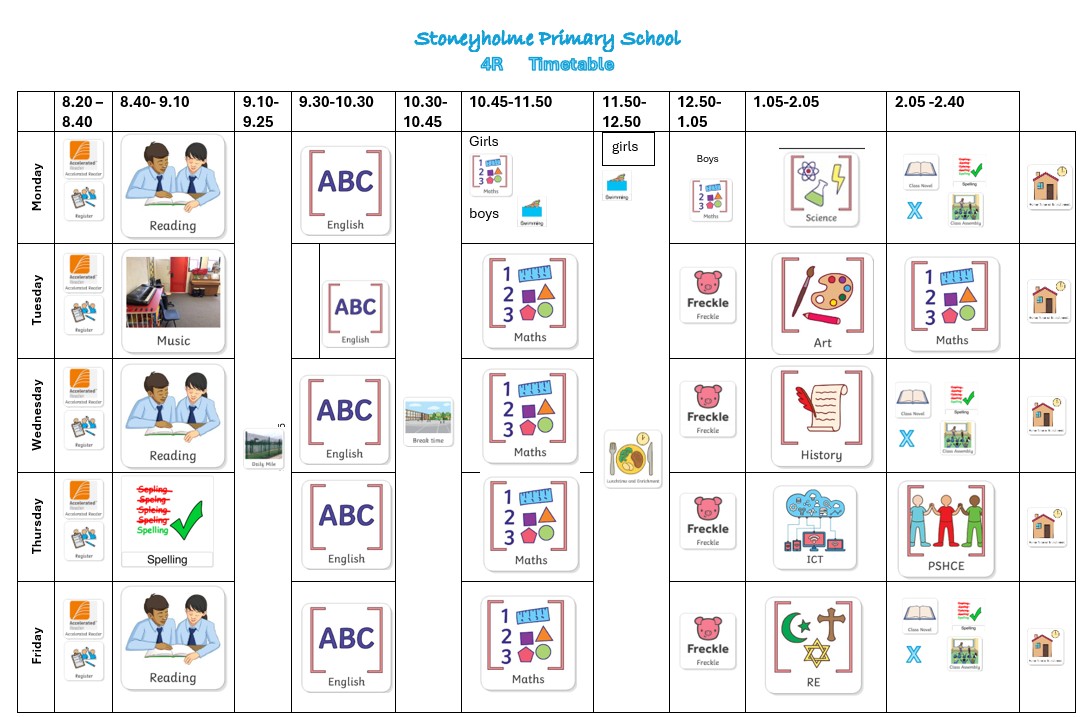
Timetable
Please note that during Spring 1, both boys and girls will be swimming on Mondays, so should wear their PE uniform and remember their swimming kit. Swimming is our PE lesson - the children will not need to wear their P|E uniform on any other day.
MTC- Multiplication Tables Check.
Click on the link below for information about the MTC. There is also a practice option for your to have a go under test conditions.
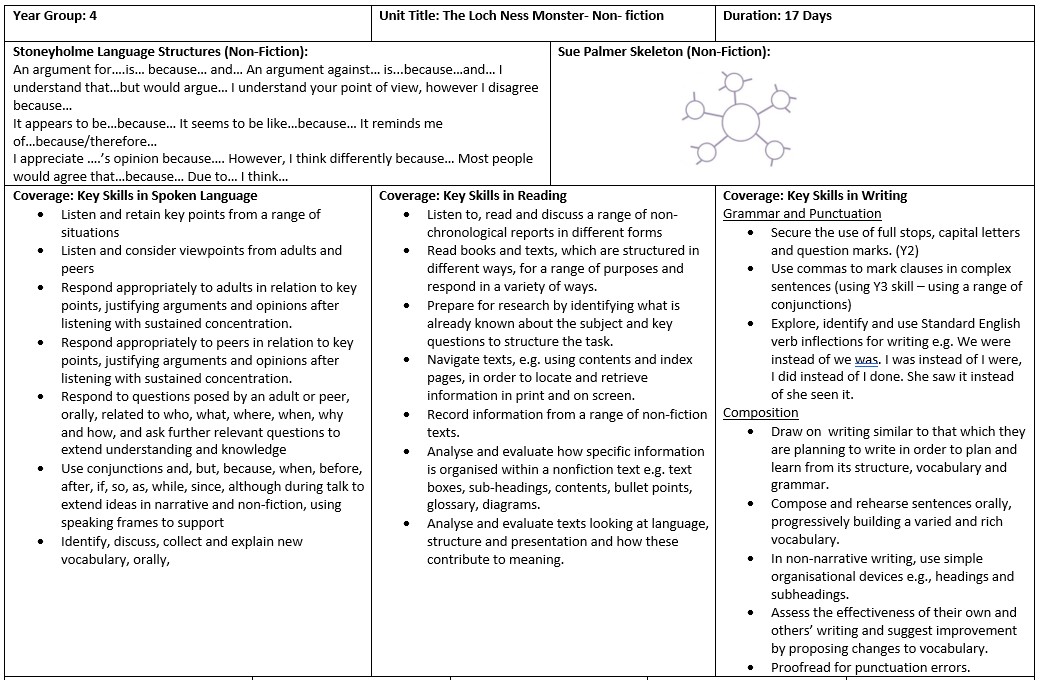
In our English lessons, we will be exploring a mystery -does a strange aquatic creature lurk underneath the surface of Loch Ness in Scotland? When we have examined all of the evidence presented in different ways - written, digital, video clips - we will use it to write an article for The Week Junior, a children's magazine, entitled 'Does the Loch Ness Monster exist?’'
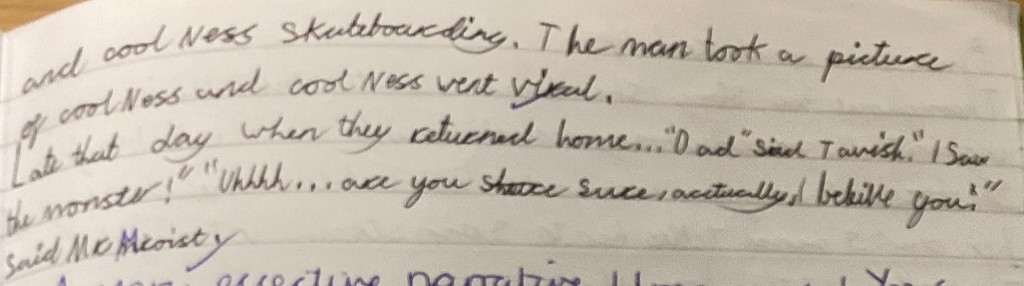
We will then read a story about two children meeting the Loch Ness Monster, and will compose our own narratives using the same features and structure.
An amazing narrative:
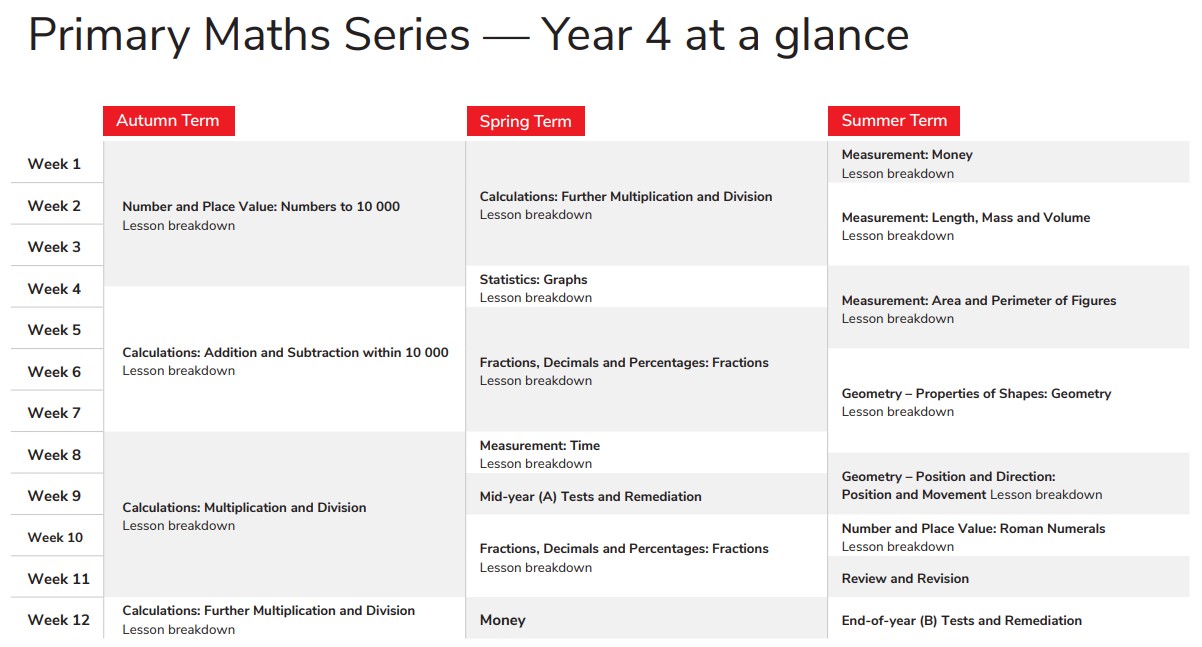
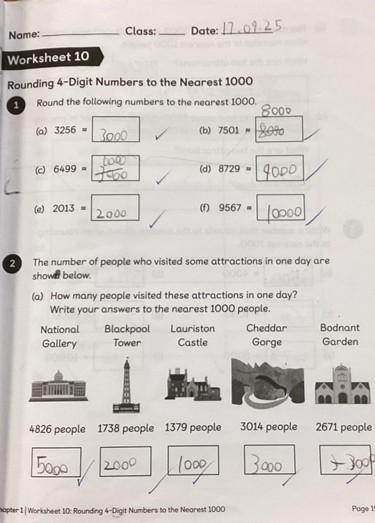
In maths, we will be focussing on number. We will be looking at numbers and their place value to 1 000 000. We will then compare numbers to 1 000 000 using our knowledge of place value in addition to bar model supports to assist us. We will complete the first unit by making number patterns and rounding numbers to the nearest 10, 1000, 10 000 and 100 000.
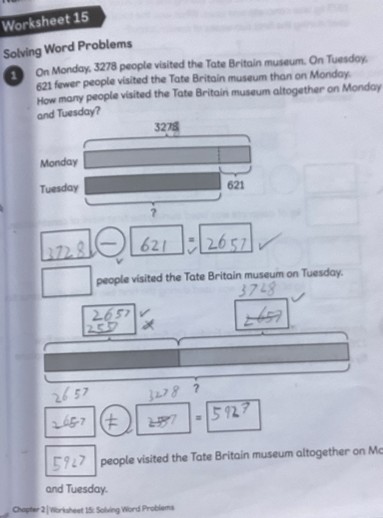
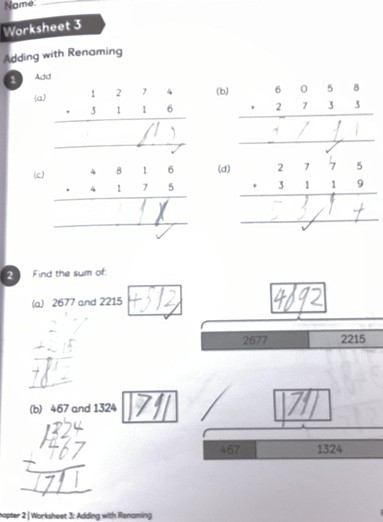
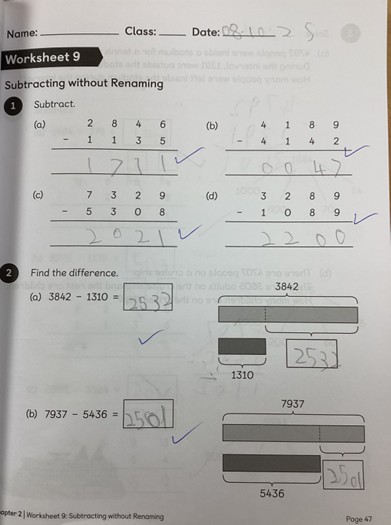
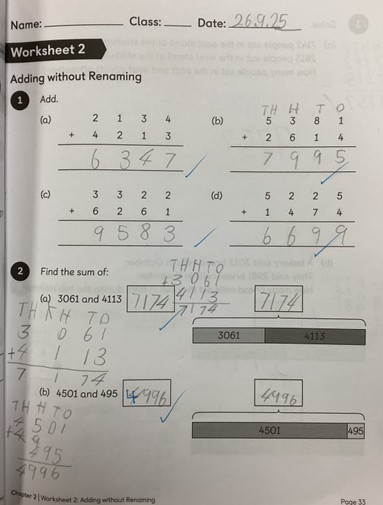
We will move on to calculations in addition and subtraction where renaming is required. Once we have mastered addition and subtraction, we will look at problem-solving questions and practice using bar models.
We will be learning to multiply and divide 3- and 4-digit numbers by single and double -digit numbers. We will begin this by finding and defining multiples and factors and common factors. We will begin to work with prime numbers and work with square and cube numbers before moving on to multiplying by 10, 100 and 1000.
4R Amazing Addition and Subtraction
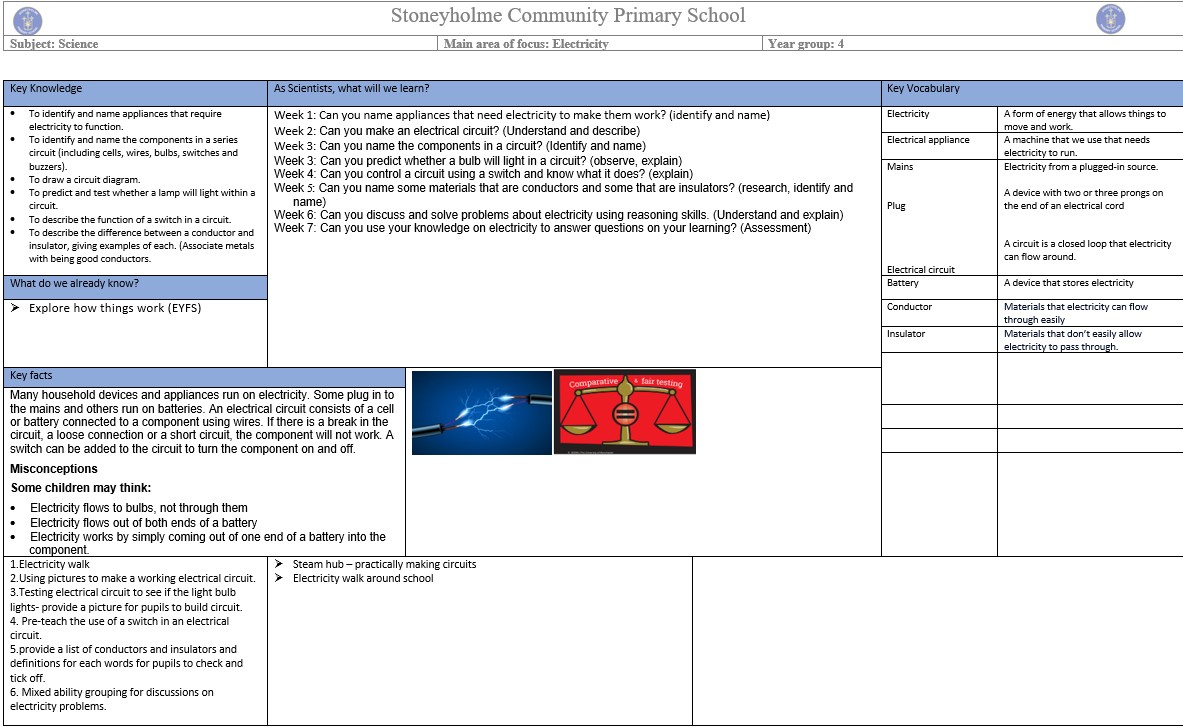
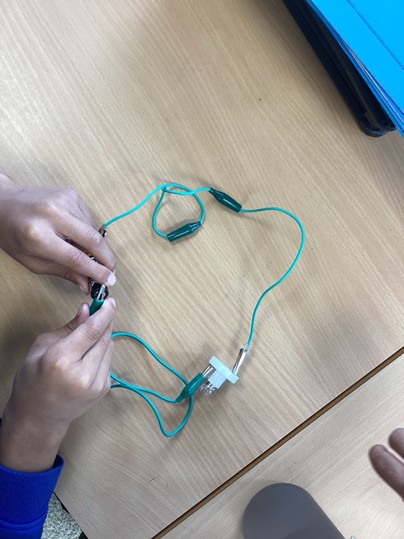
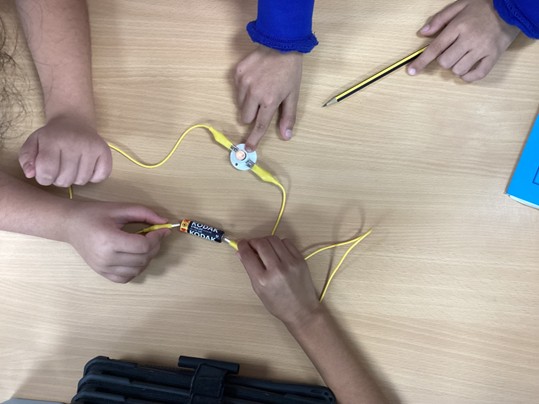
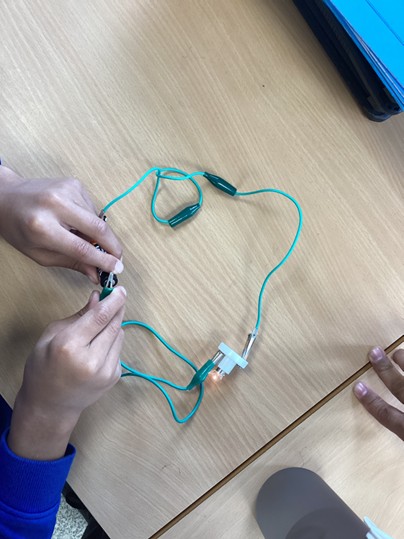
As scientists, we will be carrying out investigations to help us learn about electricity: which household appliances need electricity to make them work; how to make electricity travel from its source to these appliances and how to keep ourselves safe around electricity.
4R Science Autumn 1
/i/video/Anne_Reid/Science.mov
Our key question for the year is:
How should we live our lives?
Our focus question for this half-term's unit is :
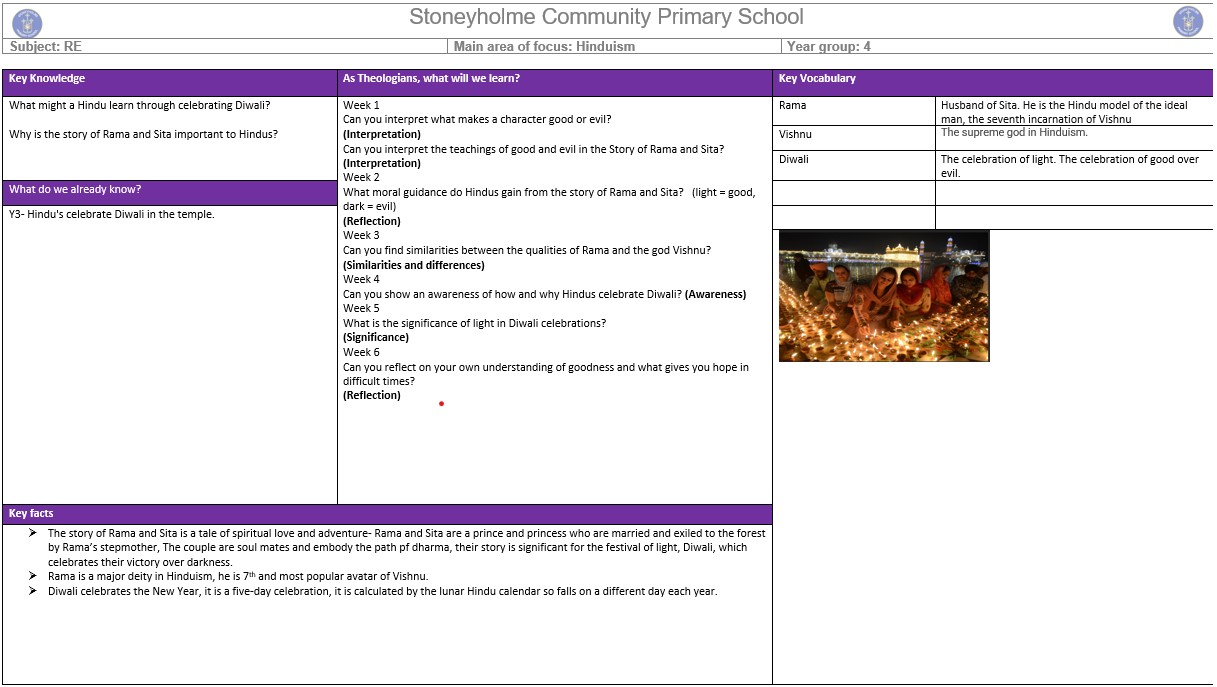
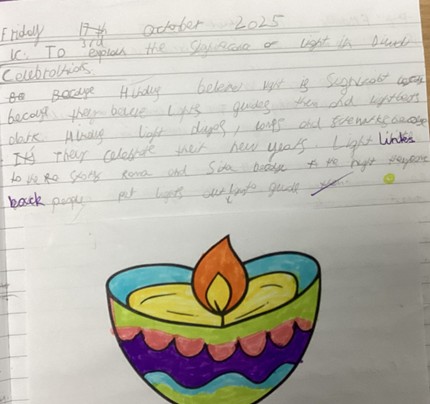
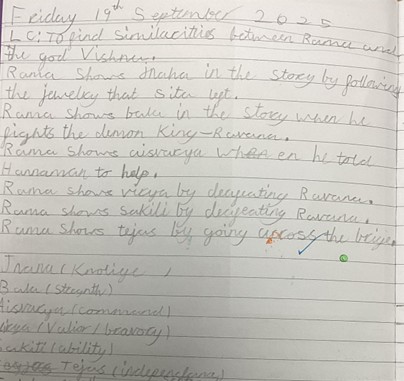
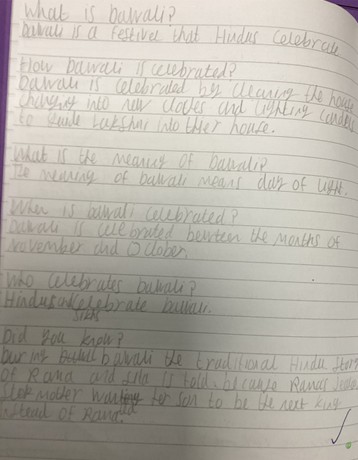
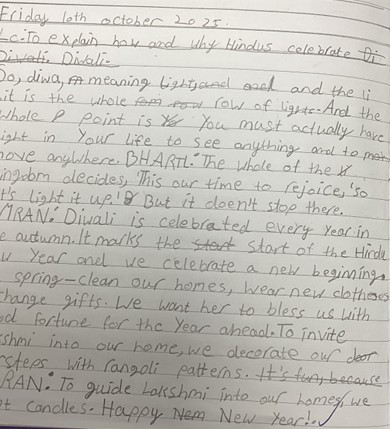
What might Hindus learn from celebrating Diwali?
We will be learning what the story of Rama and Sita teaches Hindus about good and evil and how celebrating the festival of Diwali demonstrates these beliefs.
/i/video/Anne_Reid/My_Movie_7-540p30.mov
4R RE
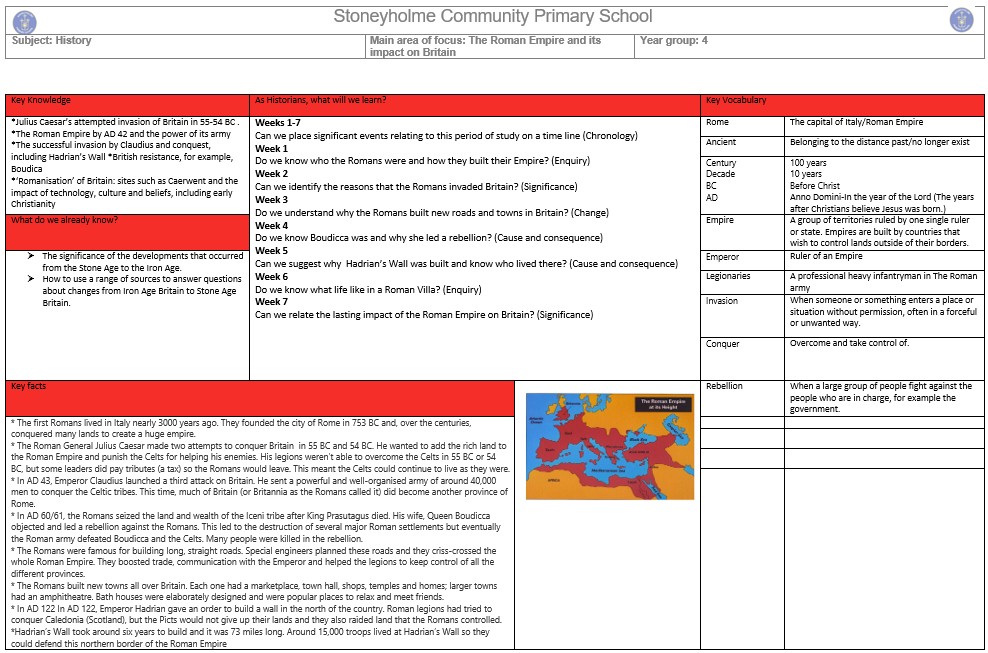
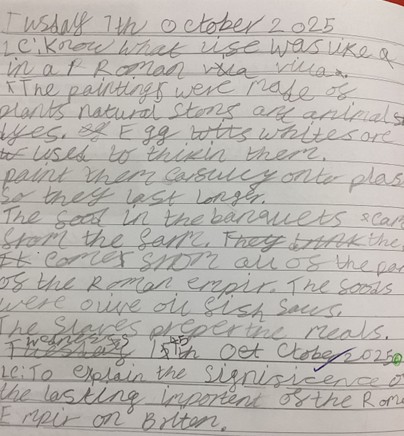
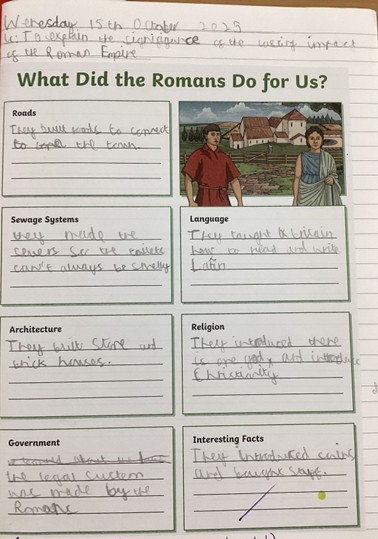
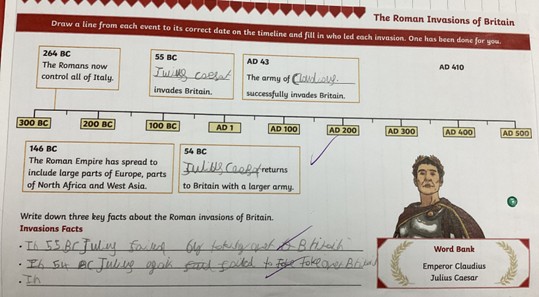
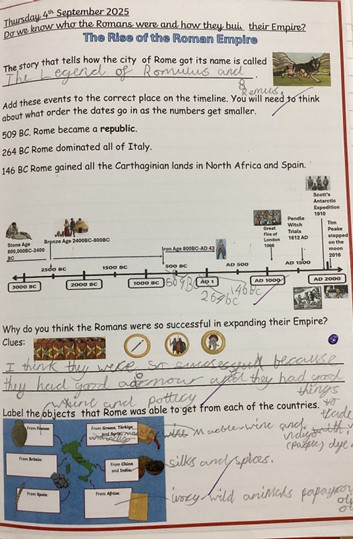
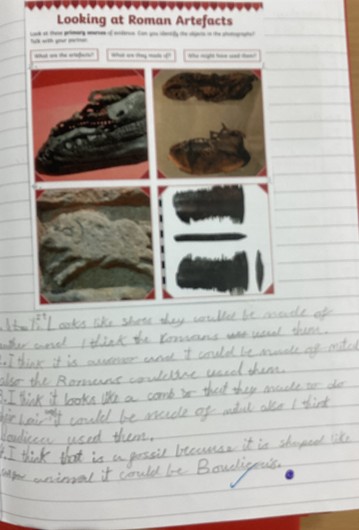
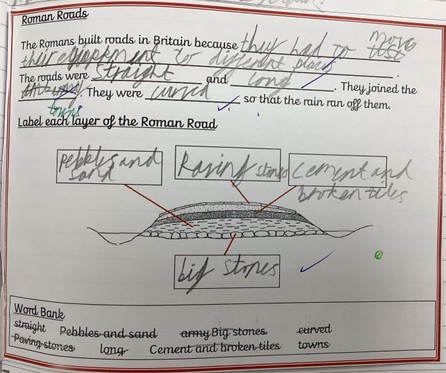
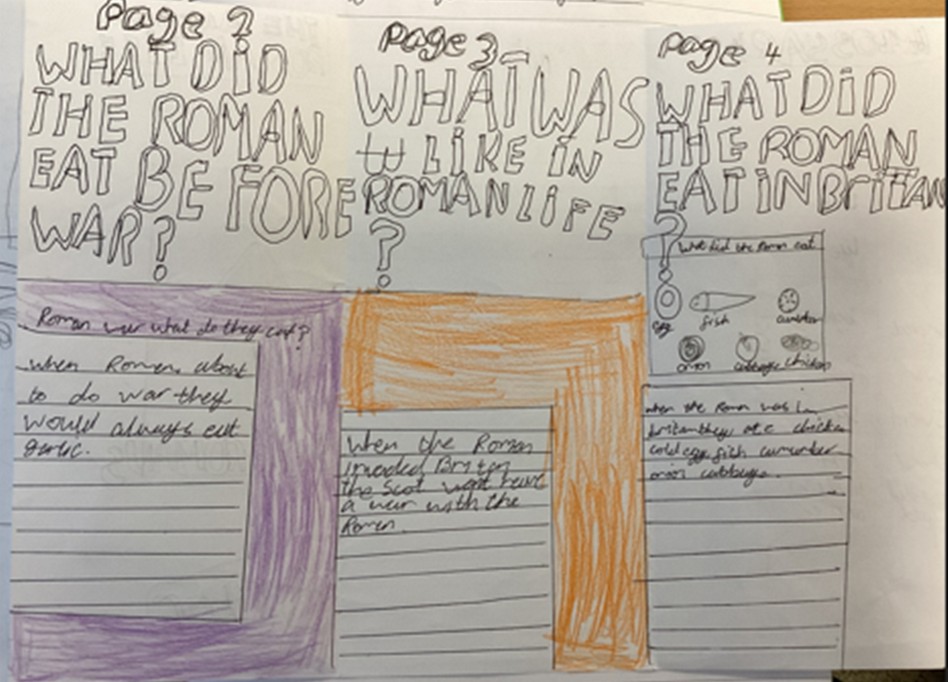
The main focus of our learning in History is the concept of invasion and settlement. We will learn how and why the Ancient Roman Empire expanded, then focus on the invasion of Britain, its impact and lasting legacy.
4R History Autumn 1
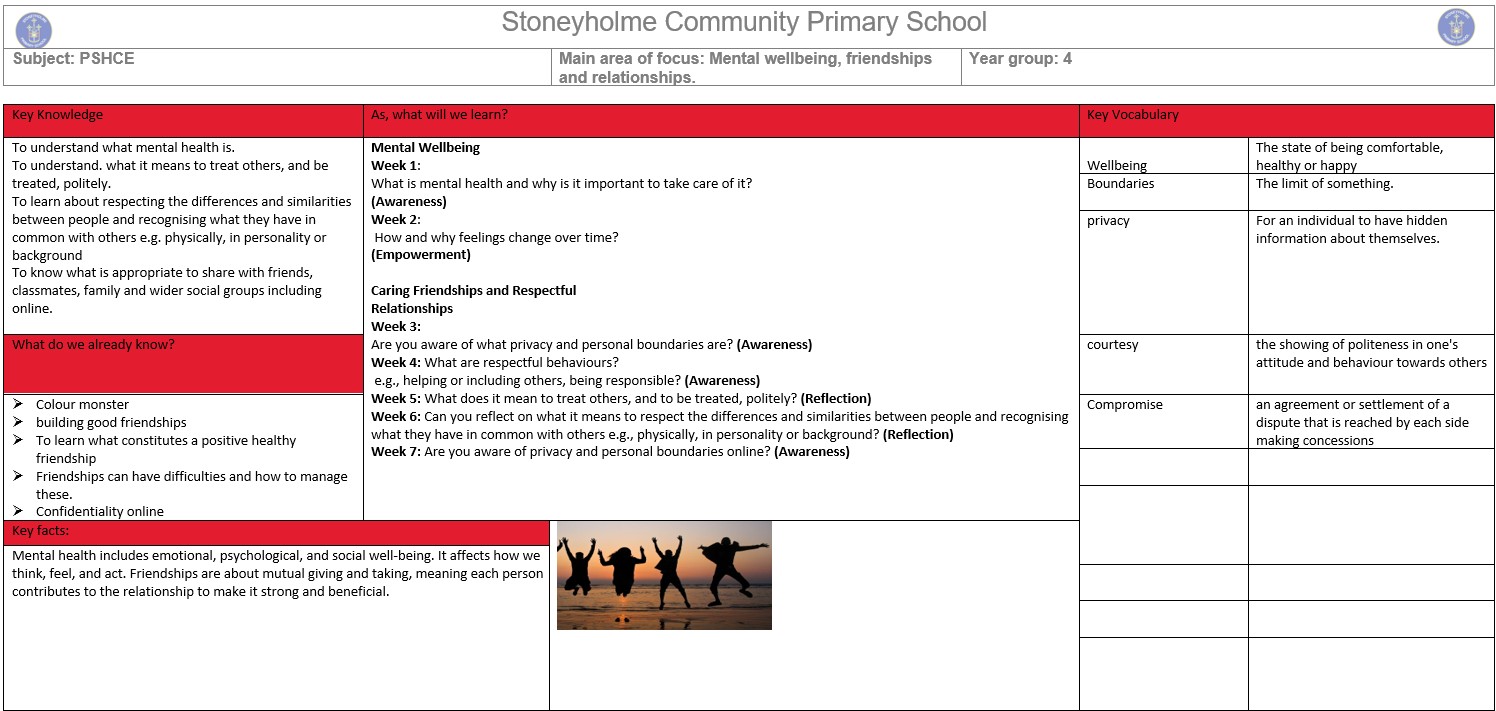
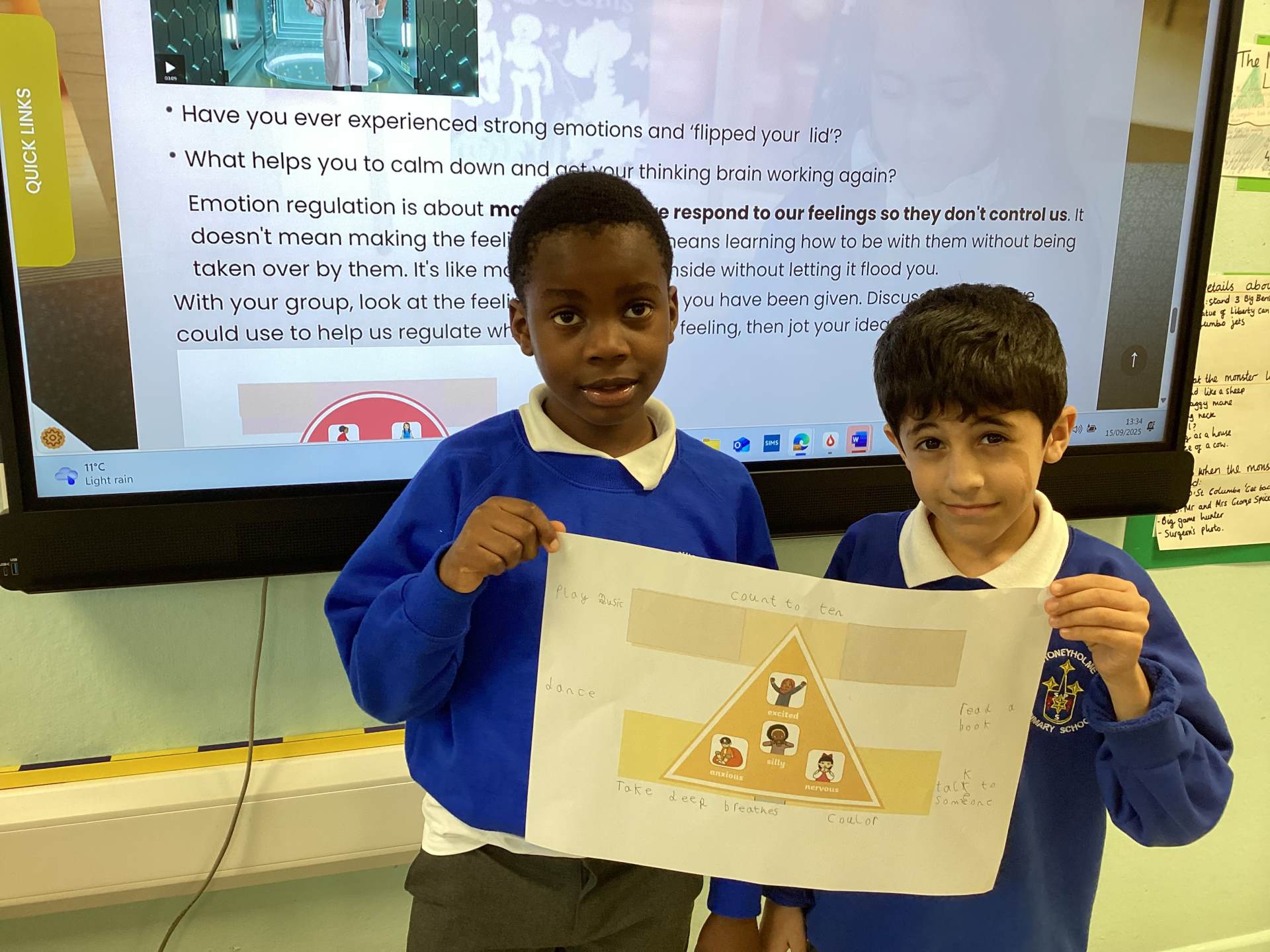
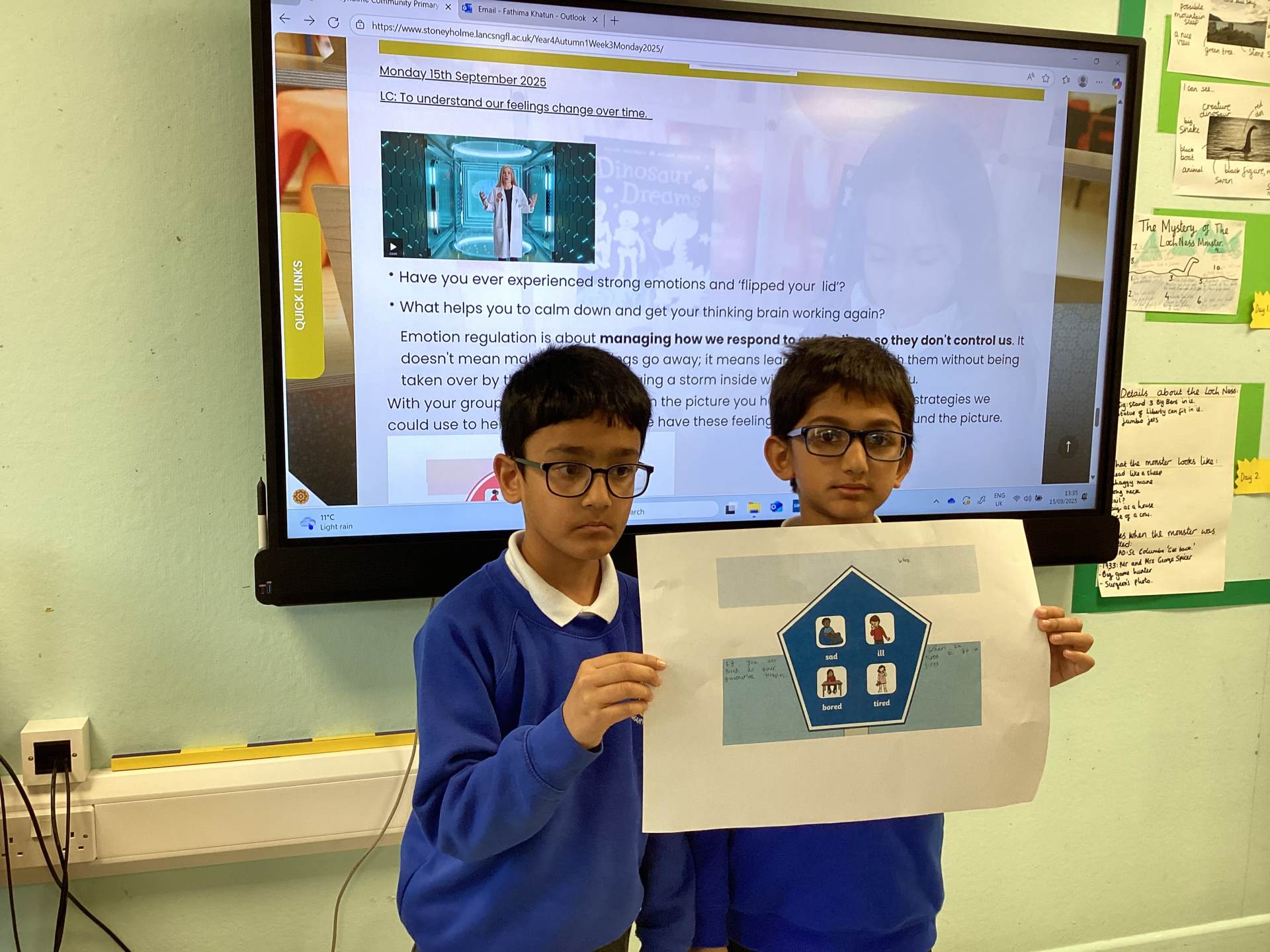
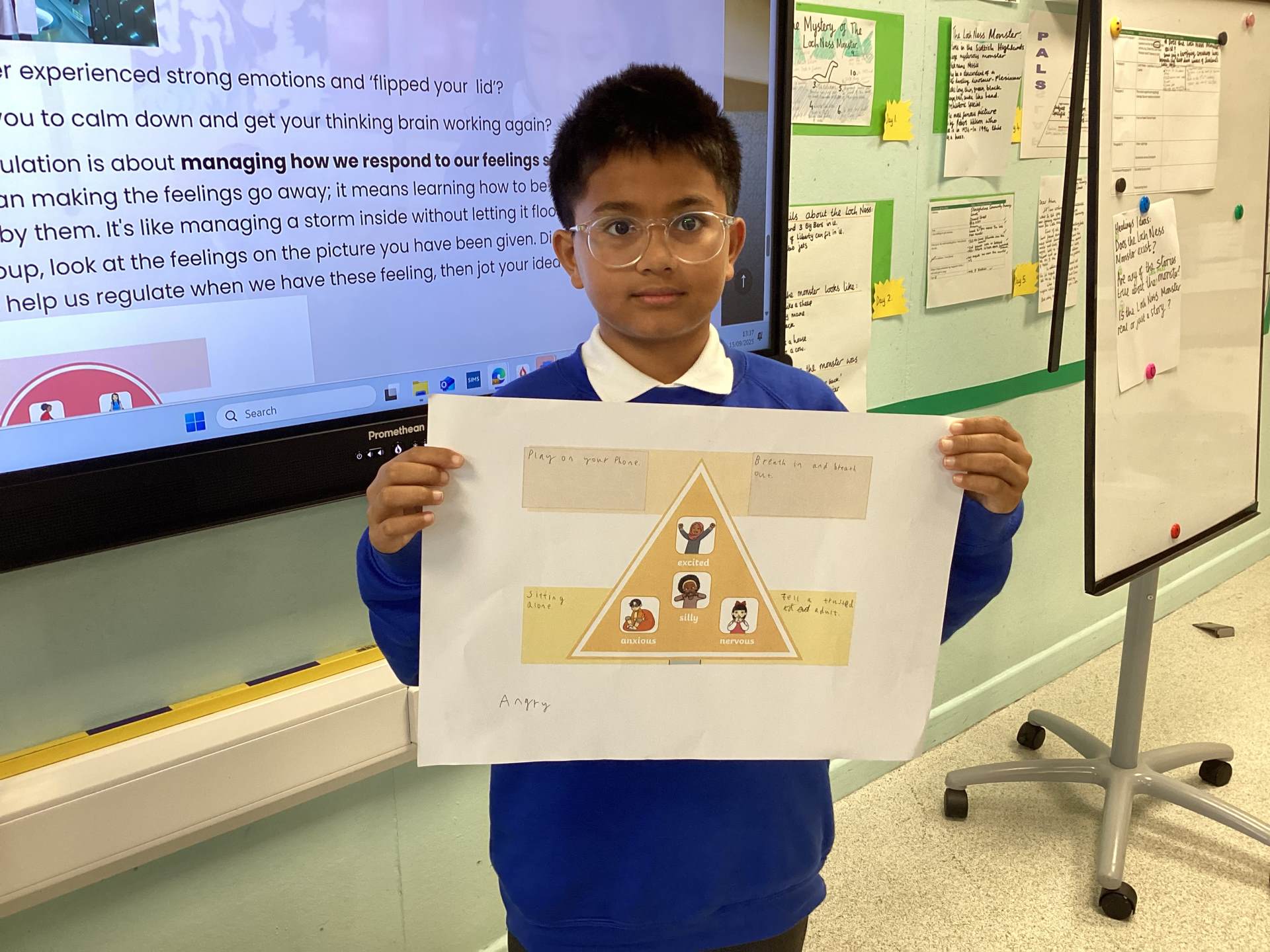
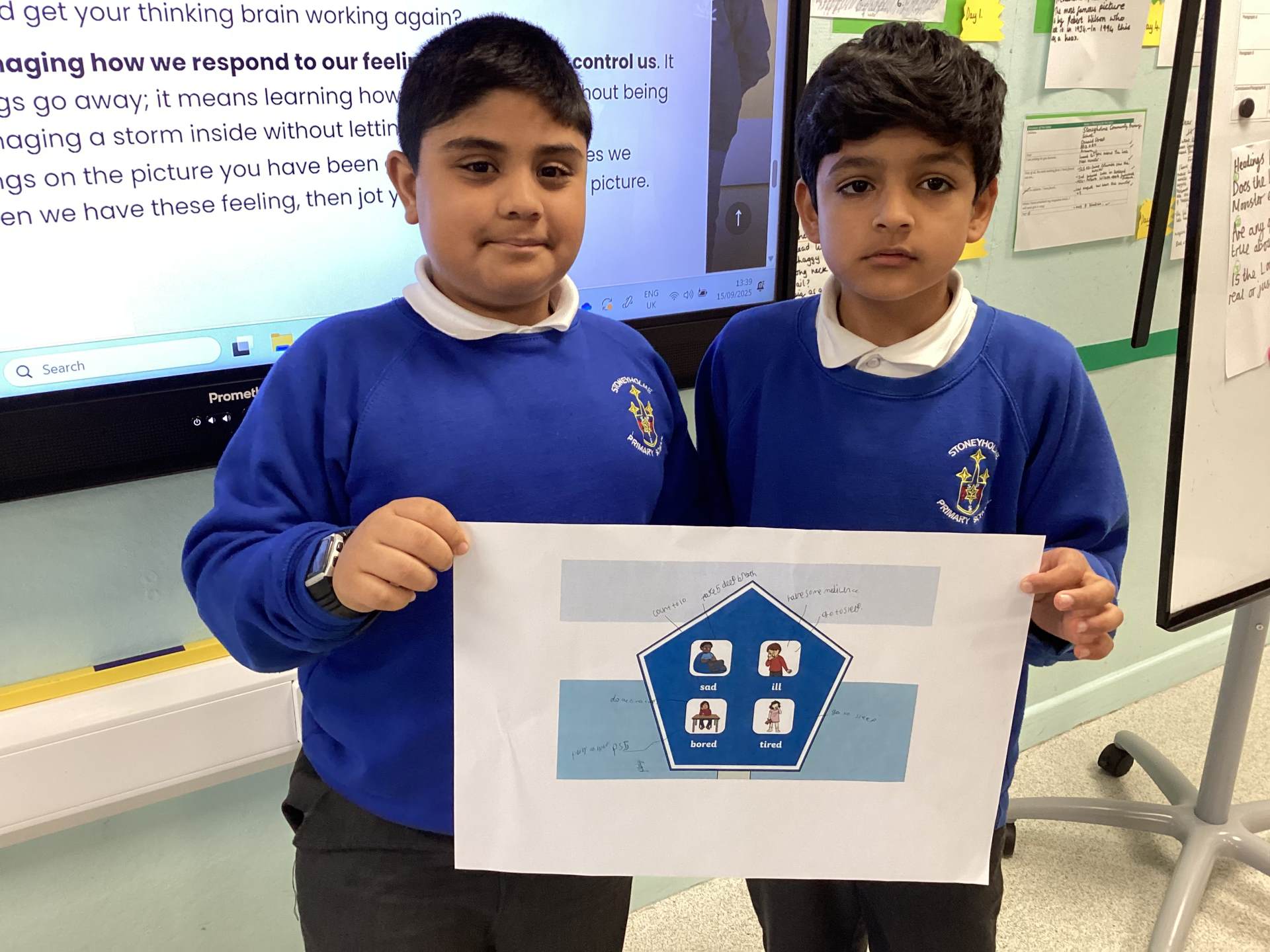
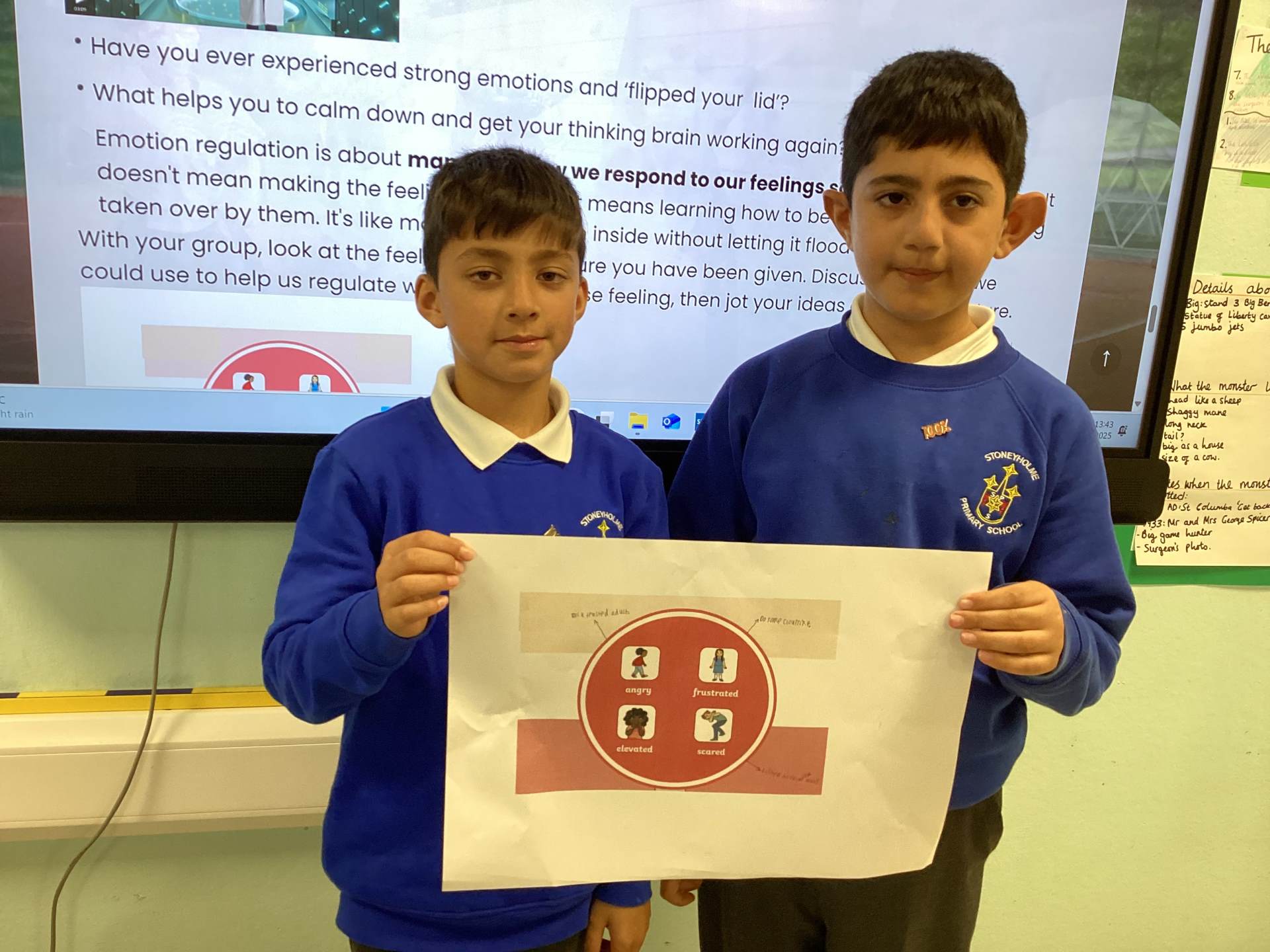
In PHSCE we will be exploring strategies we can use to ensure good mental health. We will also be focussing on respectful relationships.
4K PSHCE mental health and wellbeing
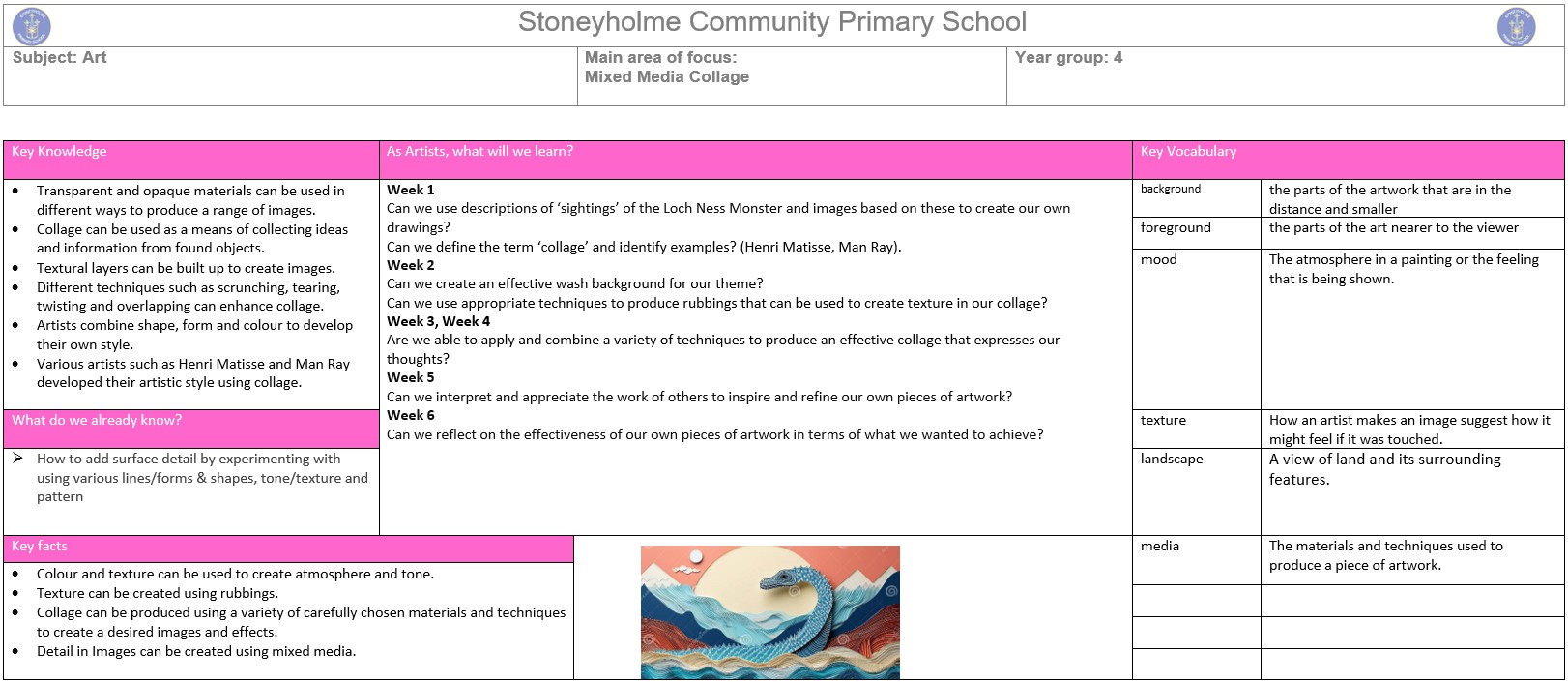
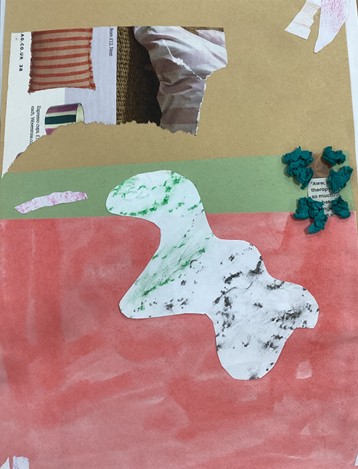
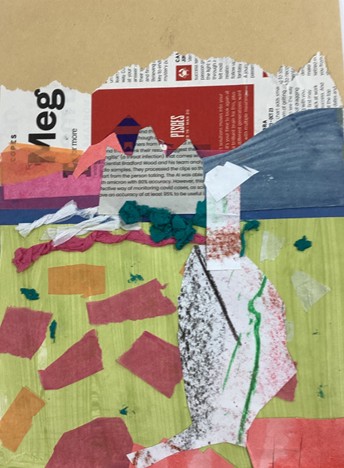
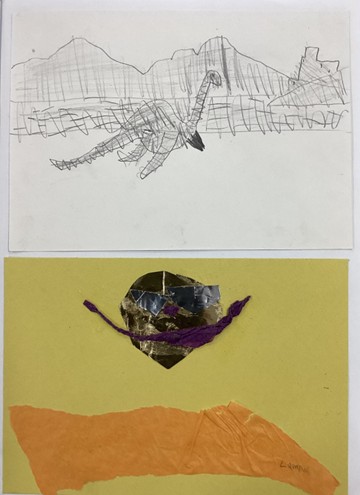
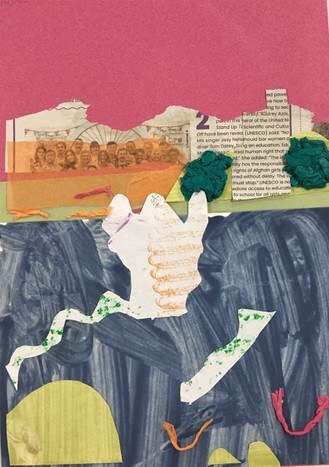
After learning different collage techniques and skills, we will apply them to produce an image of the Loch Ness Monster, linked to and drawing on our learning in English.
4R Art Autumn 1
Autumn 2
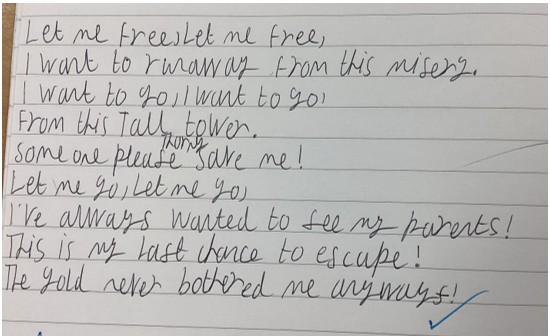
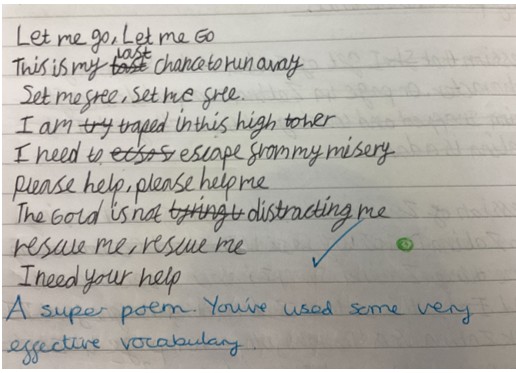
As Writers, we will listen to, read, and discuss a range of traditional fairy tales, exploring their common themes, settings, and character types. Building on our understanding of story structure and style, we will then plan and write our own version of the Rumaysa story, developing creativity by innovating a new character to replace Cordelia the Witch. Through discussion, planning, and drafting, we will refine our ideas, enhance our descriptive writing skills, and produce an imaginative re-telling that reflects both traditional and original storytelling elements.
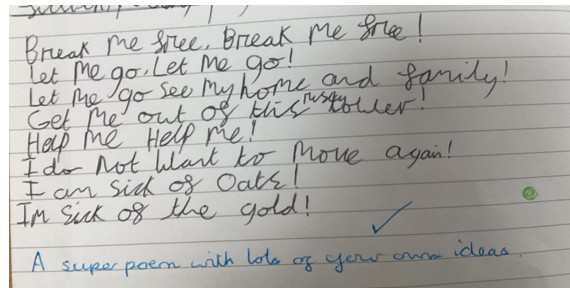
Some of our amazing 'Set Me Free' poems:
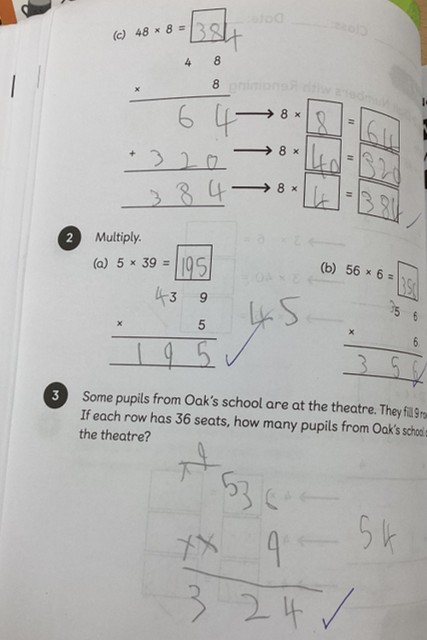
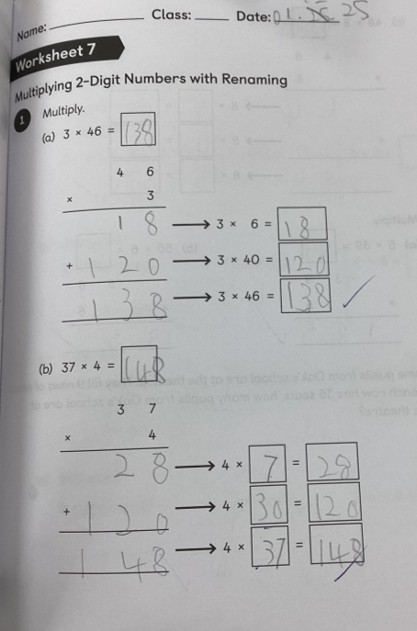
As mathematicians, we will be further developing our understanding of multiplication and division. We will learn how to divide and multiply by 1 and 0 and understand the law of commutativity. We will learn how to multiply three numbers together using prior knowledge of multiplication tables.
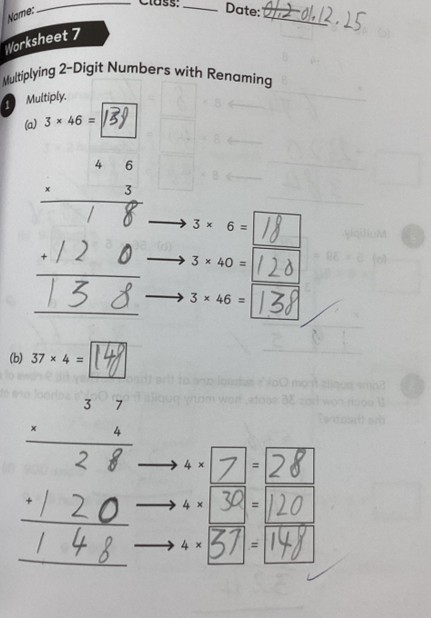
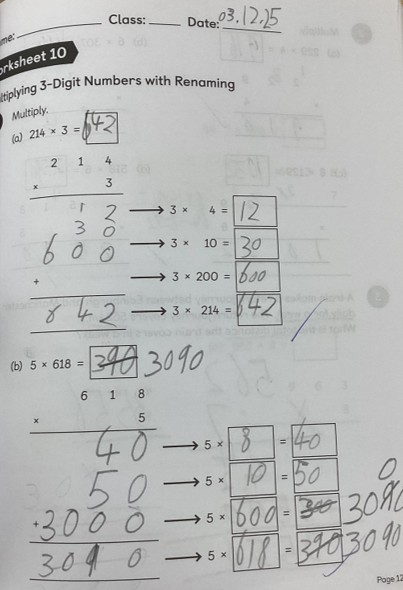
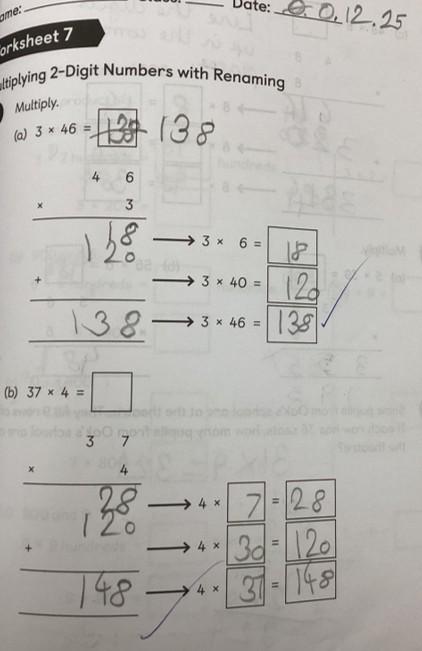
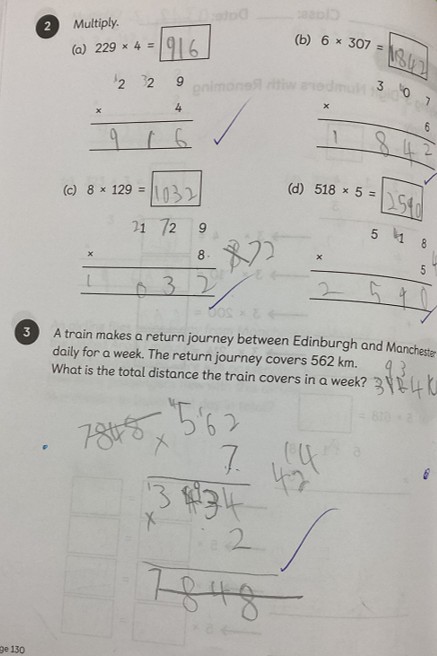
We will use our tables and knowledge of place value to multiply multiples of 10, leading to the multiplication of 2-digit numbers using short multiplication. We will be using our knowledge of multiplying multiples of 10 when multiplying multiples of 100, leading to multiplying 3-digit numbers using short multiplication.
We will learn more about division and will divide 2-digit numbers using two methods, including numbers with remainders. We will learn to solve multiplication and division problems using the methods we have learned and will use bar models to visualise what the problem is asking us to do.
4R Magnificent Multiplication
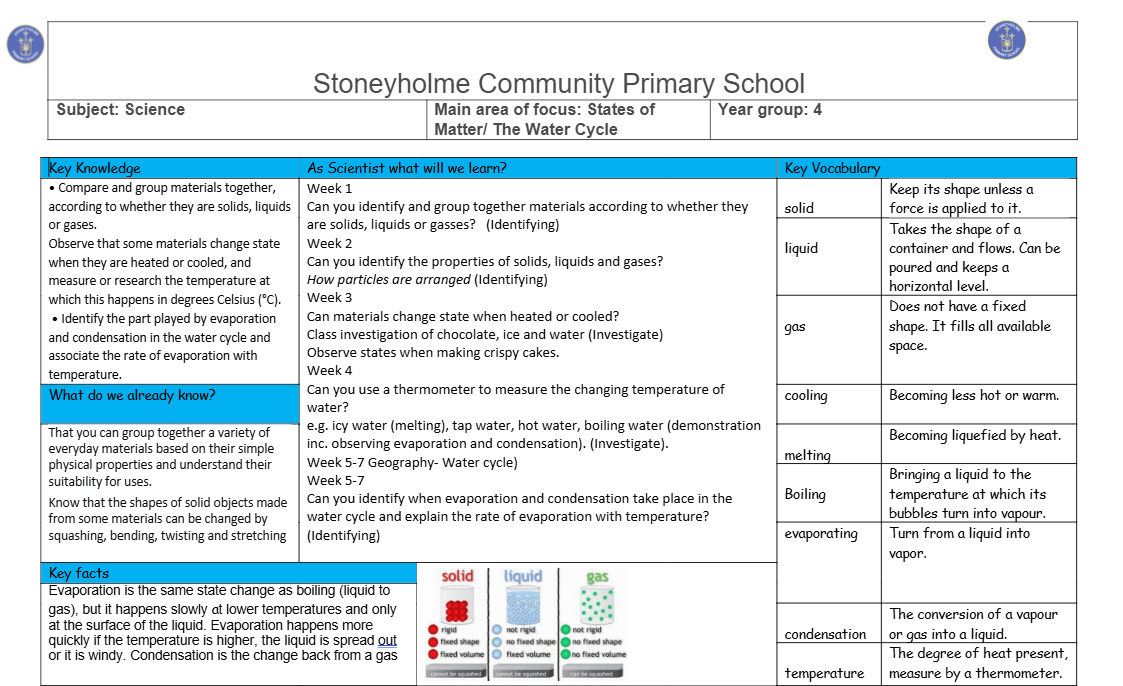
As Scientist, we will learn to compare and group materials based on whether they are solids, liquids, or gases, recognising the distinct properties of each state. We will observe how materials can change state when heated or cooled and measure or research the specific temperatures (in degrees Celsius) at which these changes occur, such as melting, freezing, or boiling points.
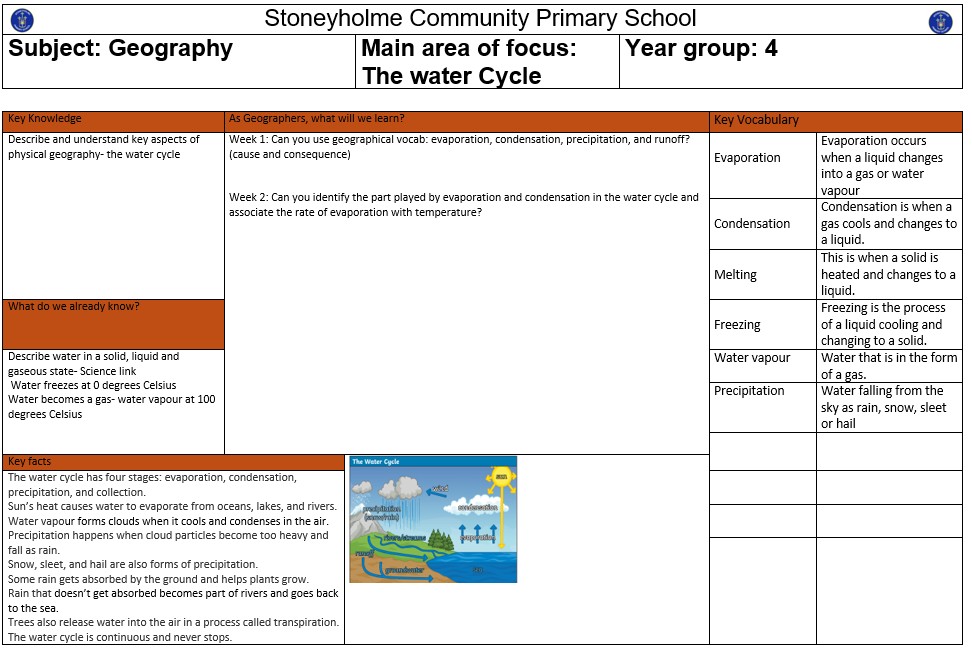
We will also explore the processes of evaporation and condensation and understand their role within the water cycle. Through observation and investigation, we will discover how temperature affects the rate of evaporation, linking scientific knowledge to real-world examples in nature and everyday life.
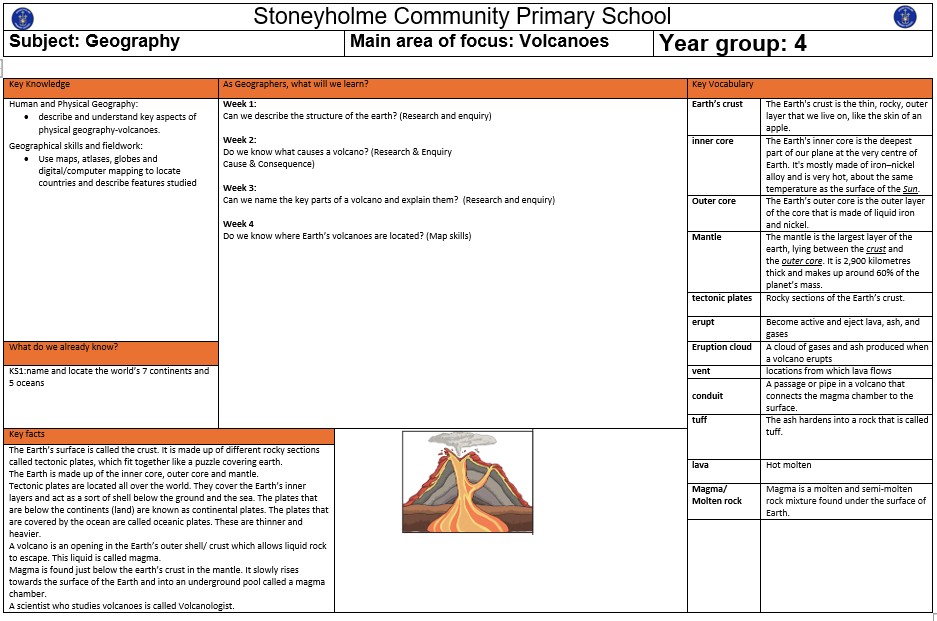
As Geographers, we will learn about the structure of the planet we live on - planet Earth. We will find out what causes volcanoes, what a volcano is and where in the world they are found.
Linking to our Science topic, we will then learn about the water cycle - how the water on earth is constantly changing state and being recycled.
What have we learned about volcanoes?
/i/video/Anne_Reid/My_Movie_14__1_.mov
Parts of a volcano
/i/video/Anne_Reid/IMG_0840.mov
As Theologians, we will explore key Christian teachings through the parables of Jesus, examining how these stories communicate moral and spiritual lessons that continue to guide Christians today. We will consider the deeper meanings of parables such as The Good Samaritan and The Prodigal Son, reflecting on their messages of compassion, forgiveness, and unconditional love.
We will reflect on how these teachings influence Christian attitudes towards others, encouraging respect, kindness, and equality. A central theme is the concept of agape — selfless, unconditional love — which lies at the heart of Christian life and practice. We will also explore how this love can be expressed through actions such as service, forgiveness, and care for those in need, and how these principles remain relevant in the 21st-century world.
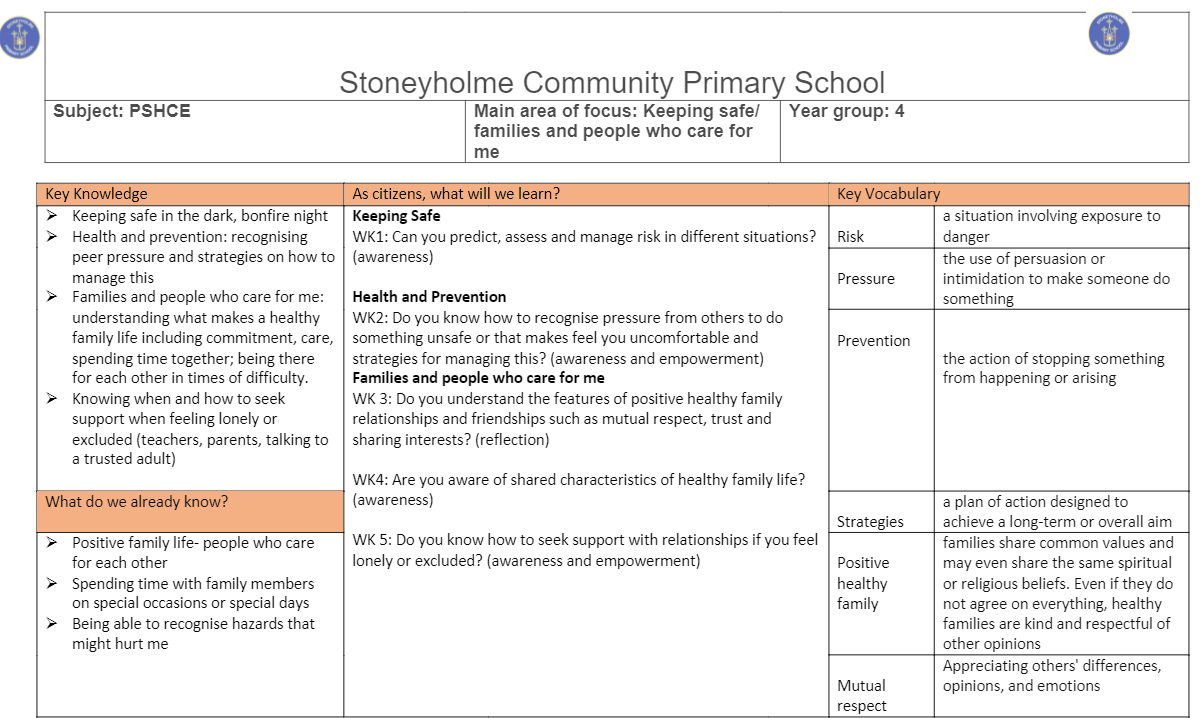
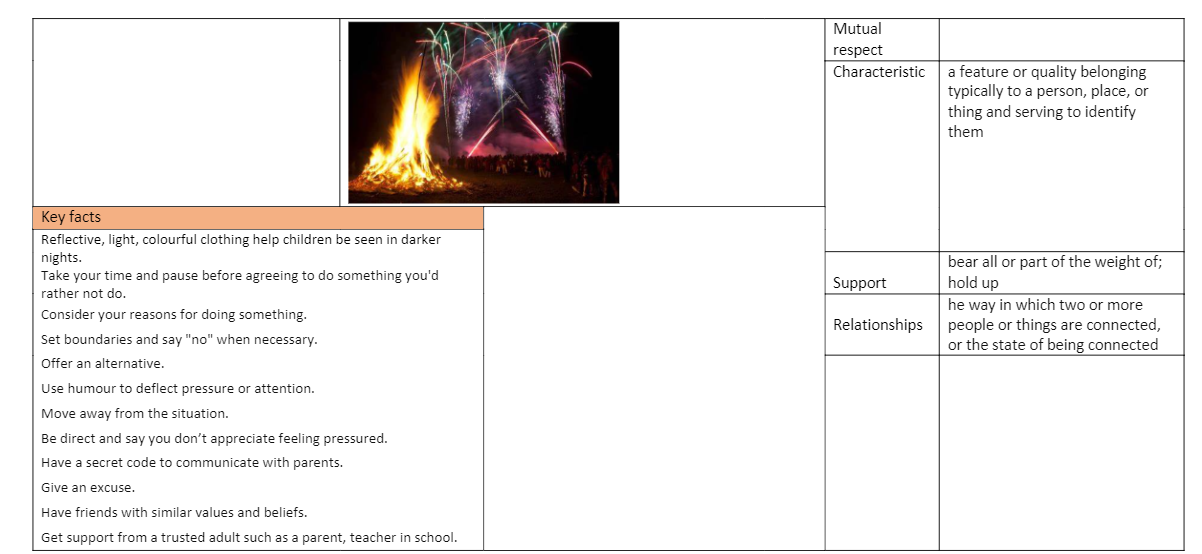
As Citizens, we will be learning and reflecting on keeping safe during Bonfire night, in the dark and during icy weather. We will know how to recognise peer pressure and develop strategies to manage this. We will reflect on positive family relationships and know when and how to seek support when feeling lonely or excluded. We will also take part in Anti-Bullying Week activities and wear our odd socks on 21st November!
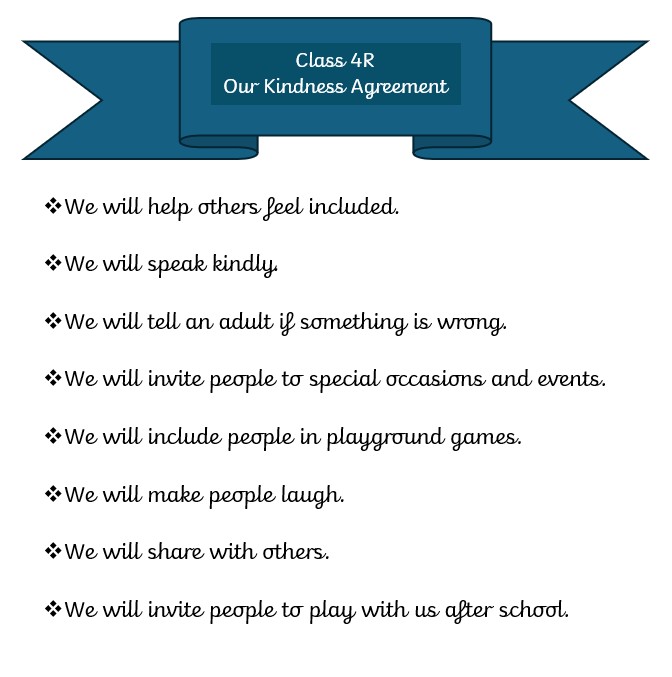
During Anti-Bullying week, we created a Kindness Agreement to make sure that everyone feels welcome and safe in our school.
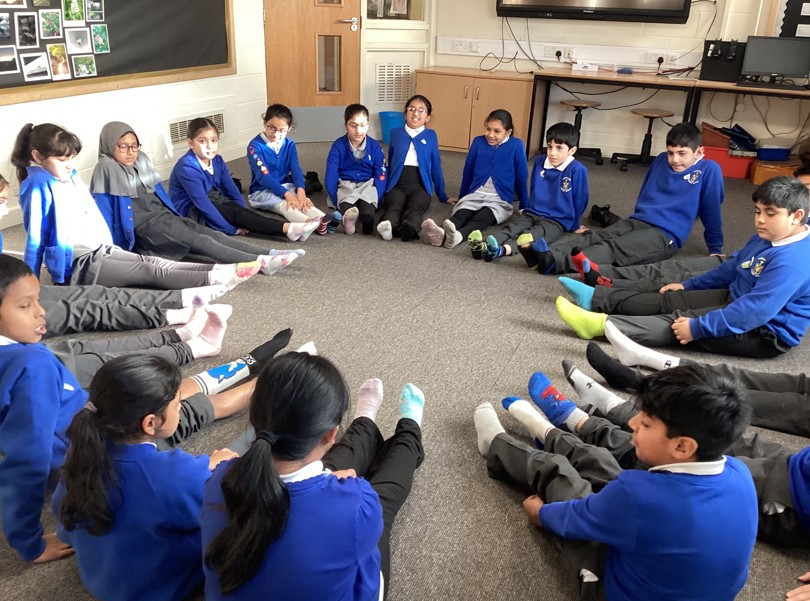
At the end of the week, we celebrated Odd Sock Day. We wore odd socks to highlight that it's okay to be different and to show support for creating a culture of kindness and respect.
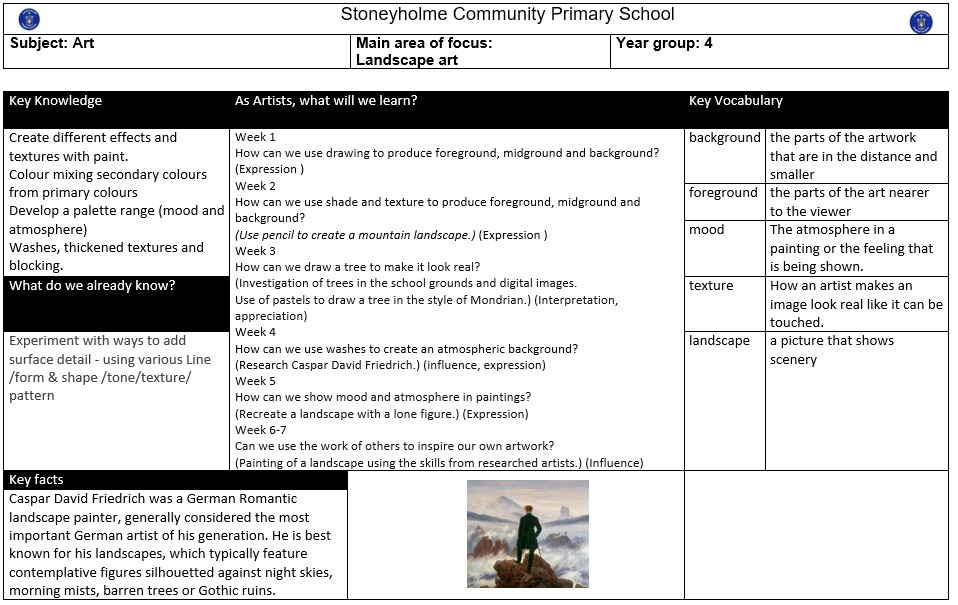
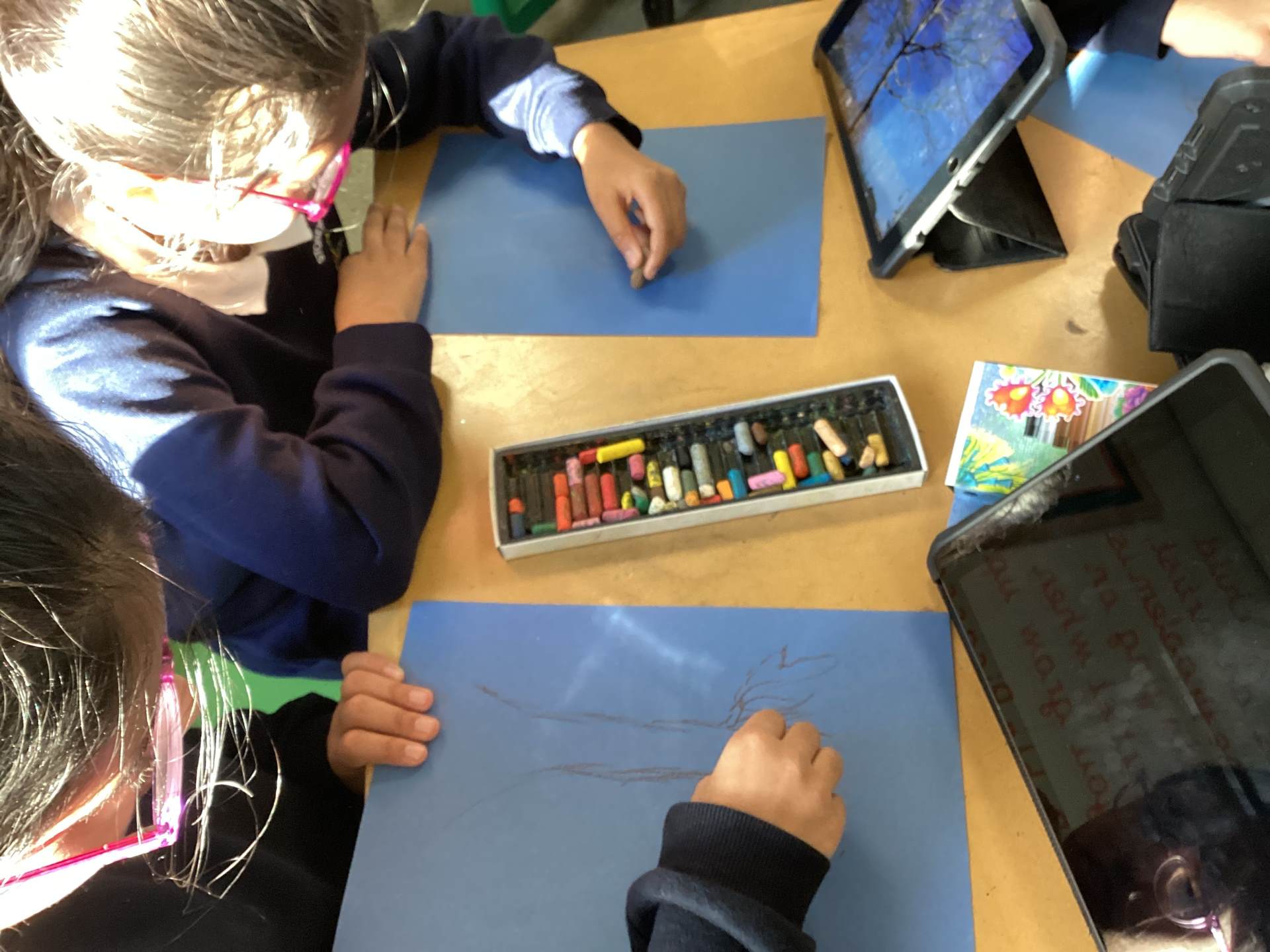
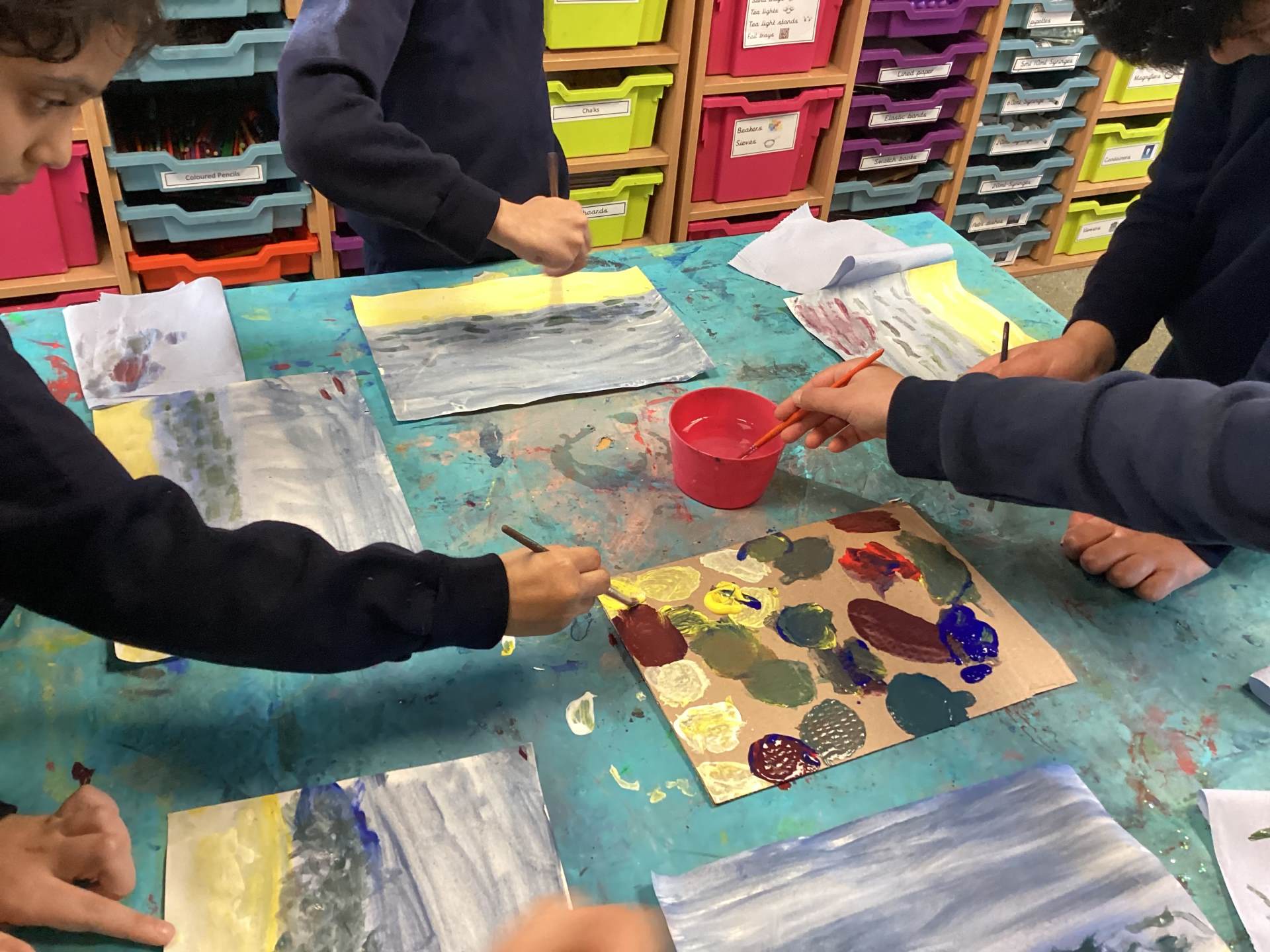
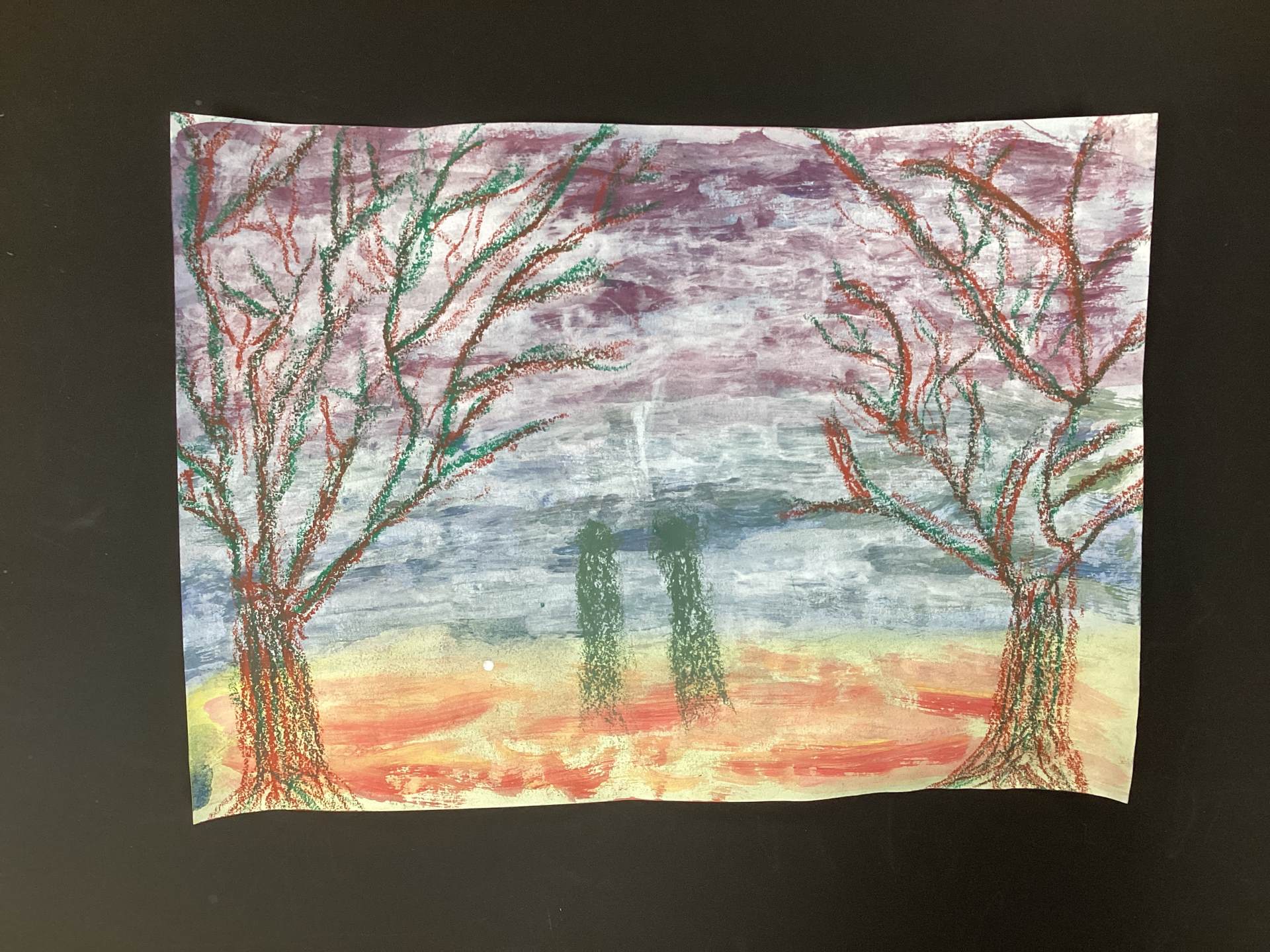
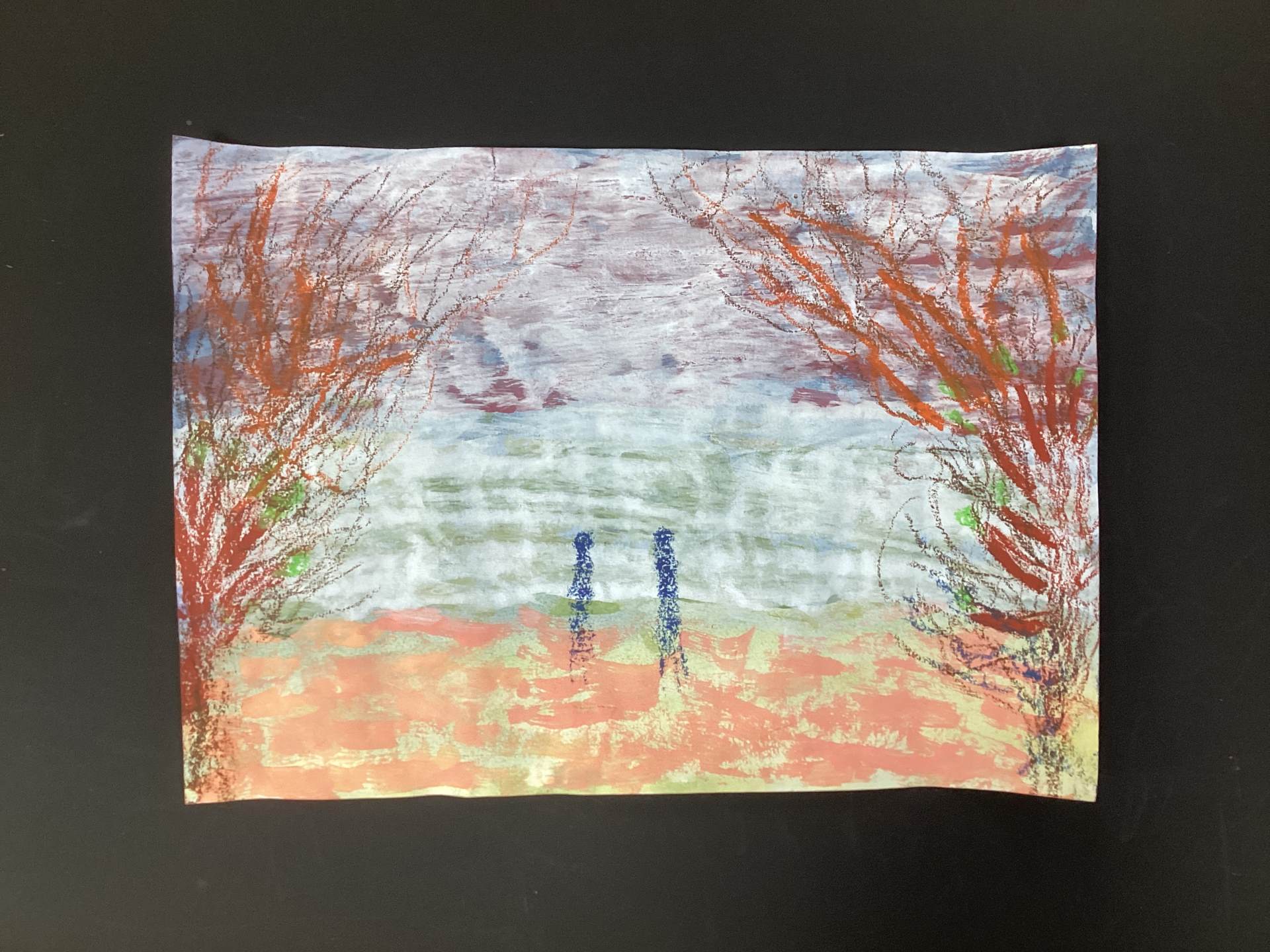
As Artists, we will be creating landscape paintings inspired by the artists Casper David Friedrich.
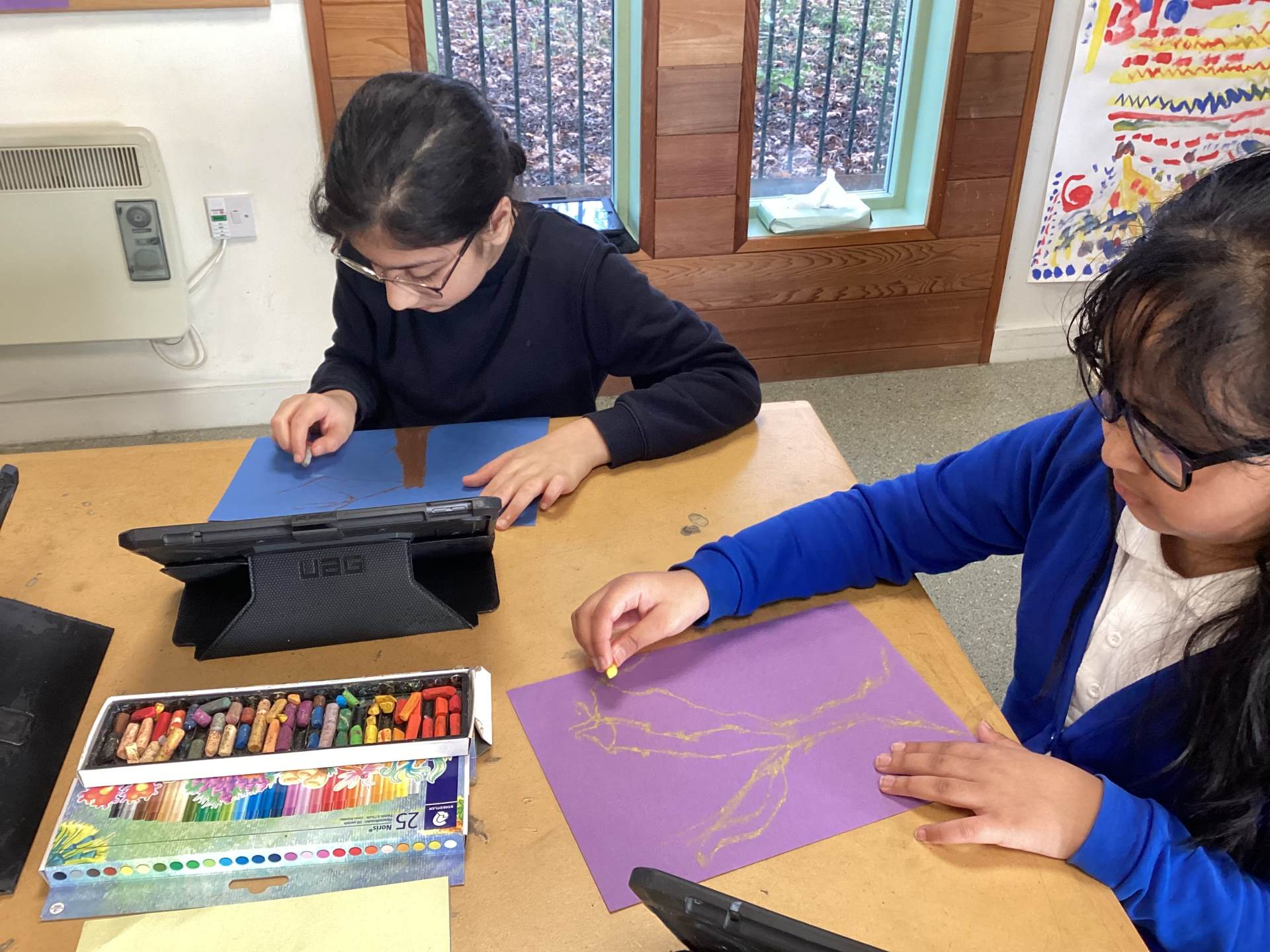
Observational drawings of trees
Adding layers to out landscape pictures to create depth and atmosphere.
Spring 1
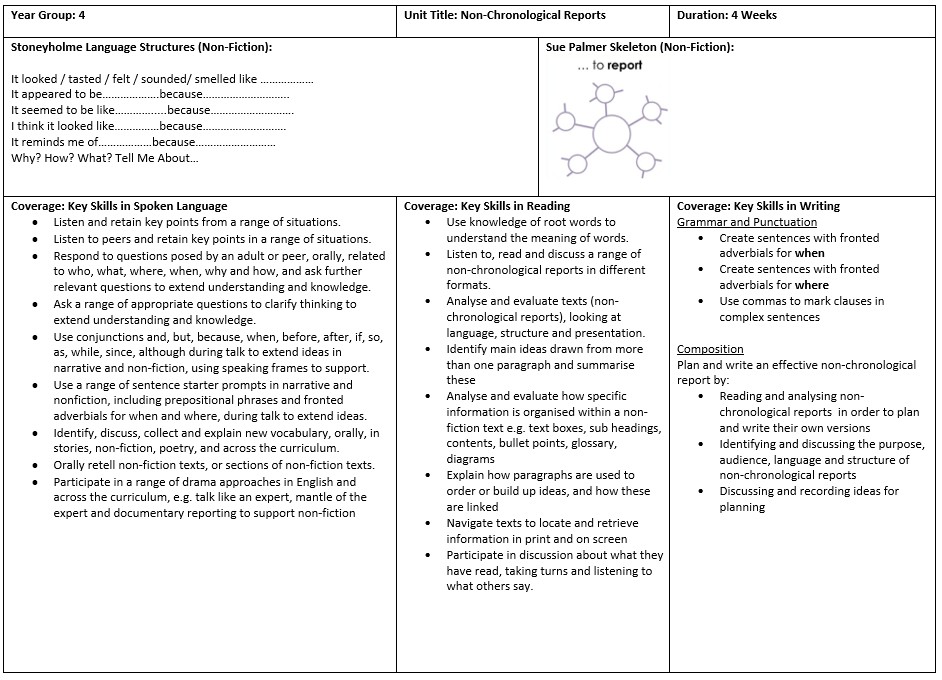
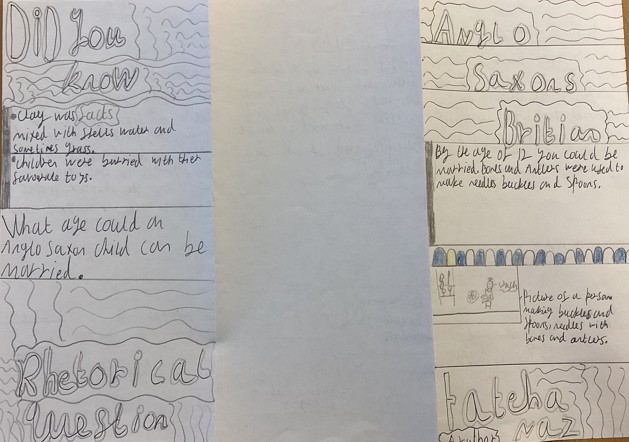
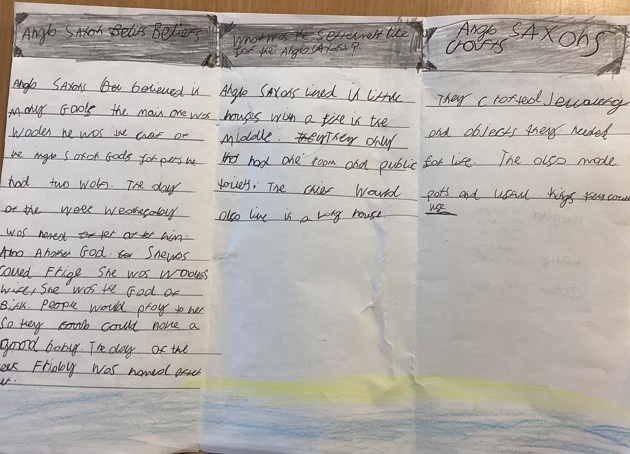
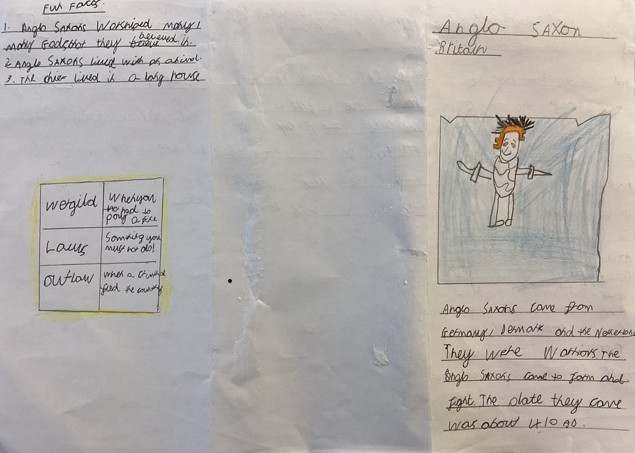
As authors, we will be exploring different ways of presenting information for a specific audience. We will be given a really exciting opportunity to produce non-chronological reports in a leaflet format. We will be using our learning in History to gather the information we need.
4R Non-Chronological reports - Leaflets
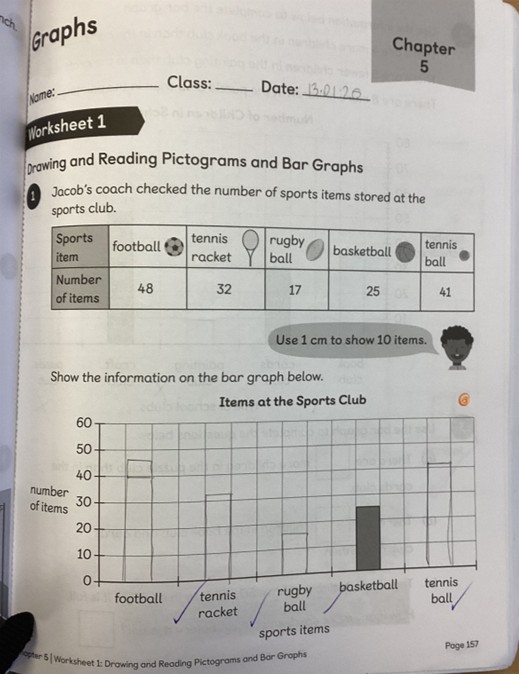
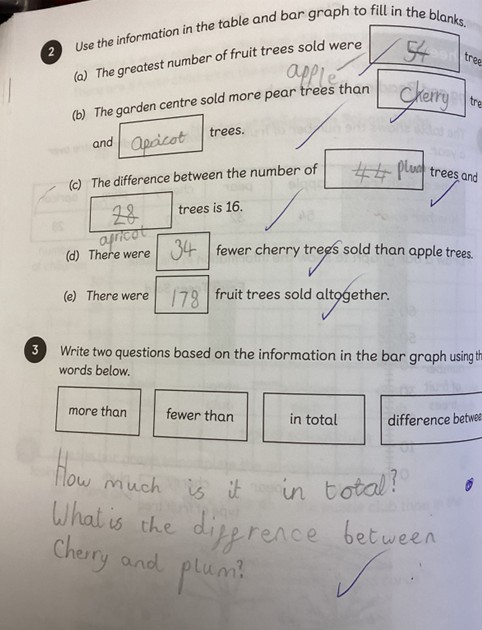
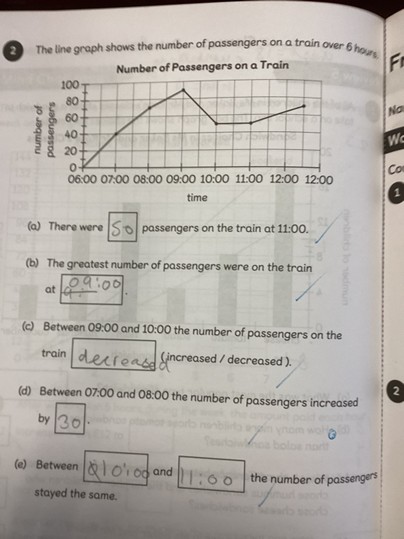
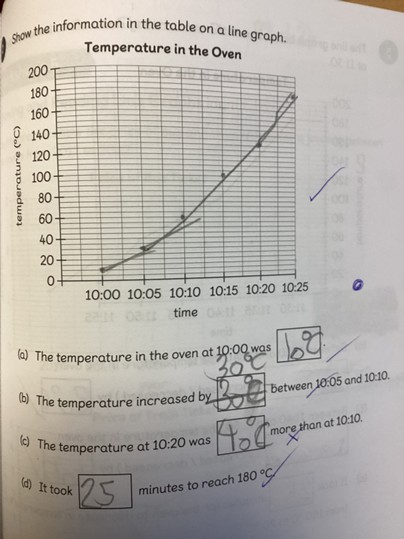
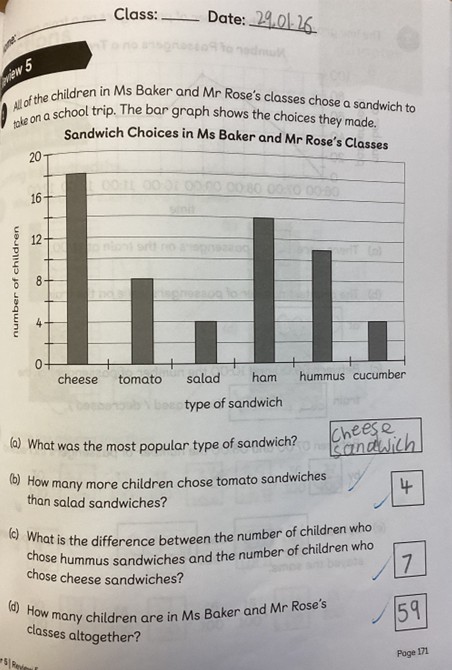
As mathematicians, we will learn how to read picture graphs and bar graphs. We will be introduced to line graphs and learn how they show change over time. We will read line graphs and use a table to draw our own line graphs. We will also make predictions by looking at patterns in the data.
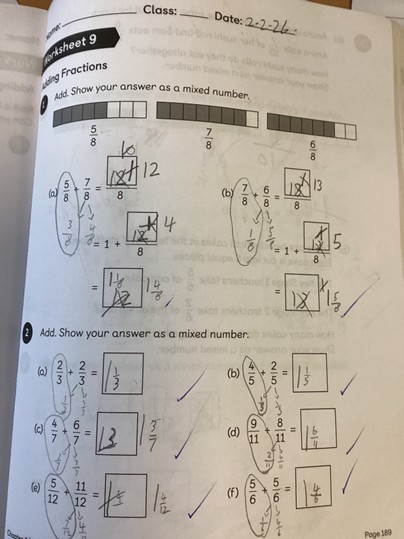
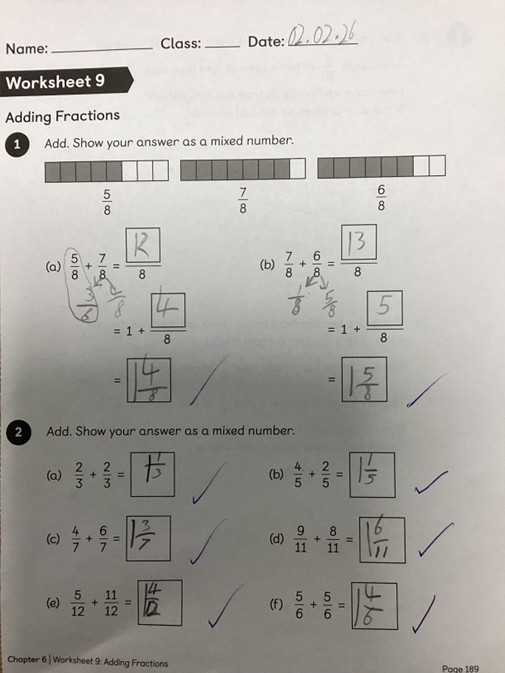
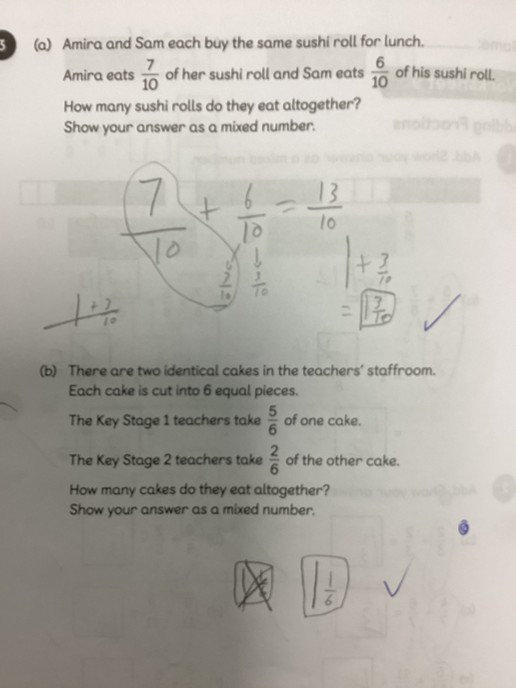
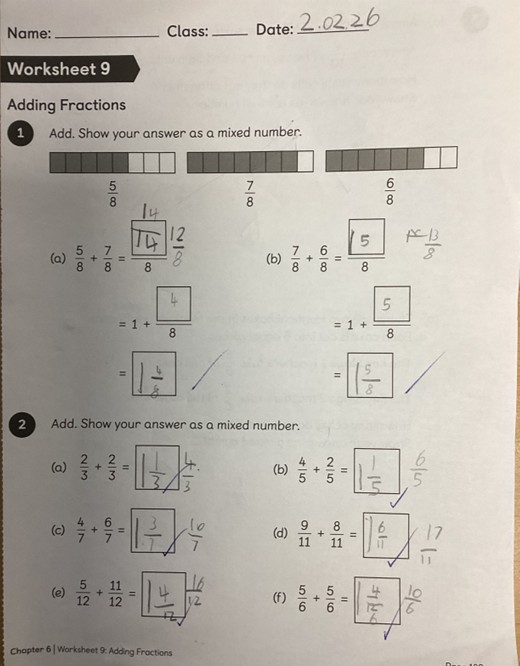
Next, we will learn about hundredths. We will learn about mixed numbers and improper fractions and how to change between them. We will practise adding and subtracting fractions and solve word problems using fractions.
4R Graphs and Fractions
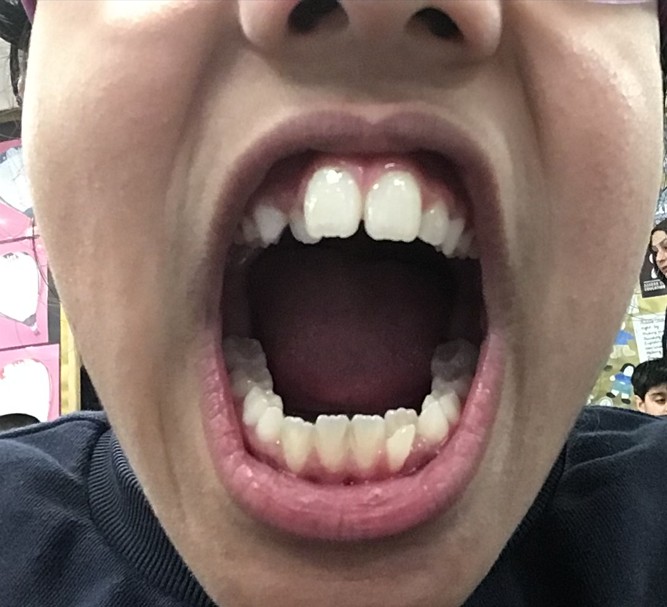
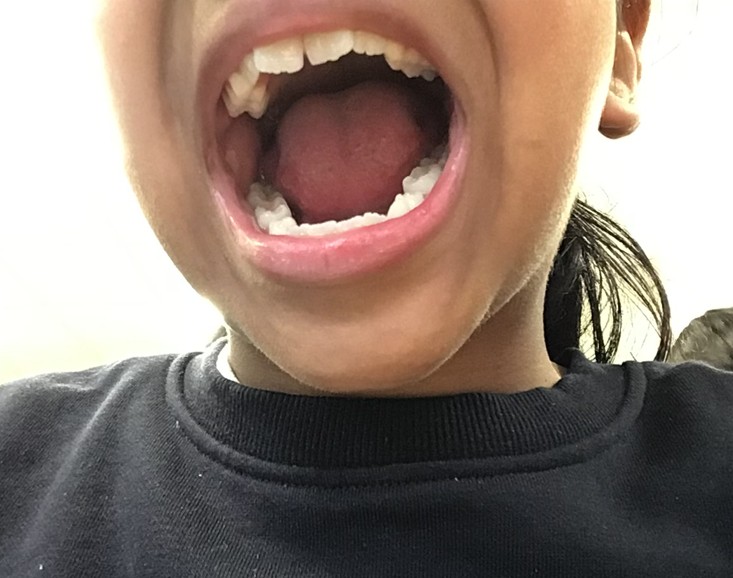
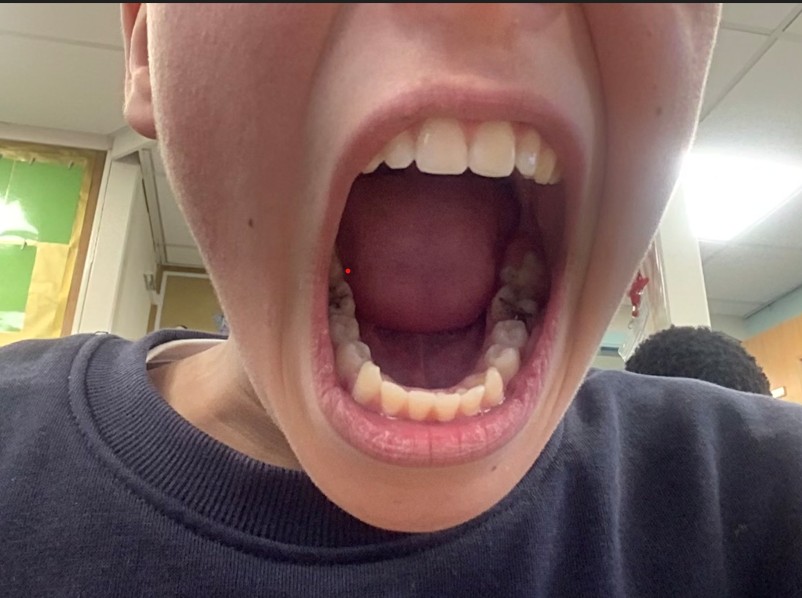
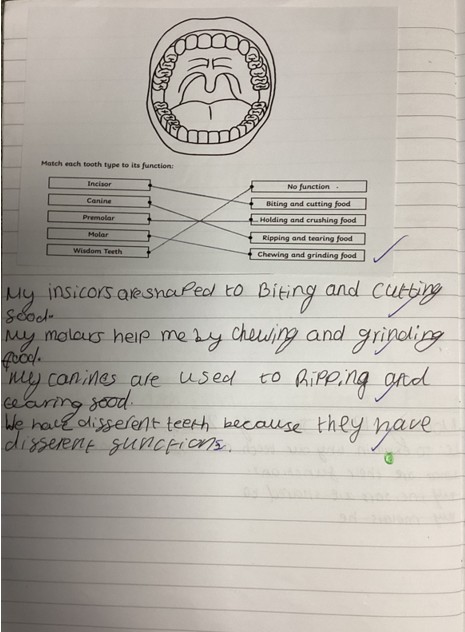
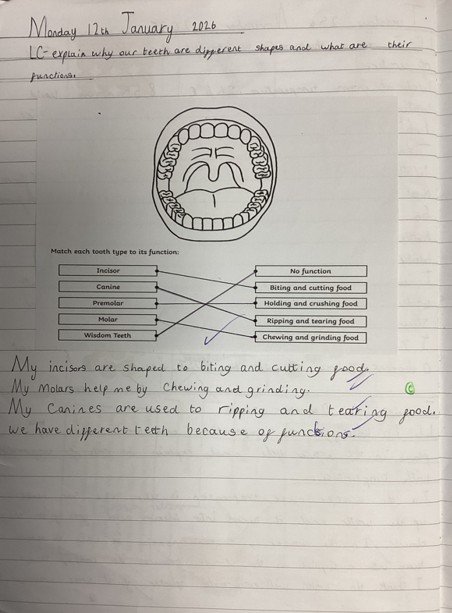
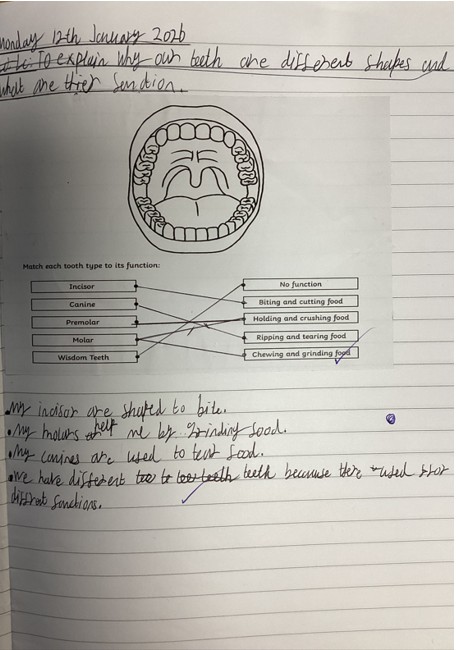
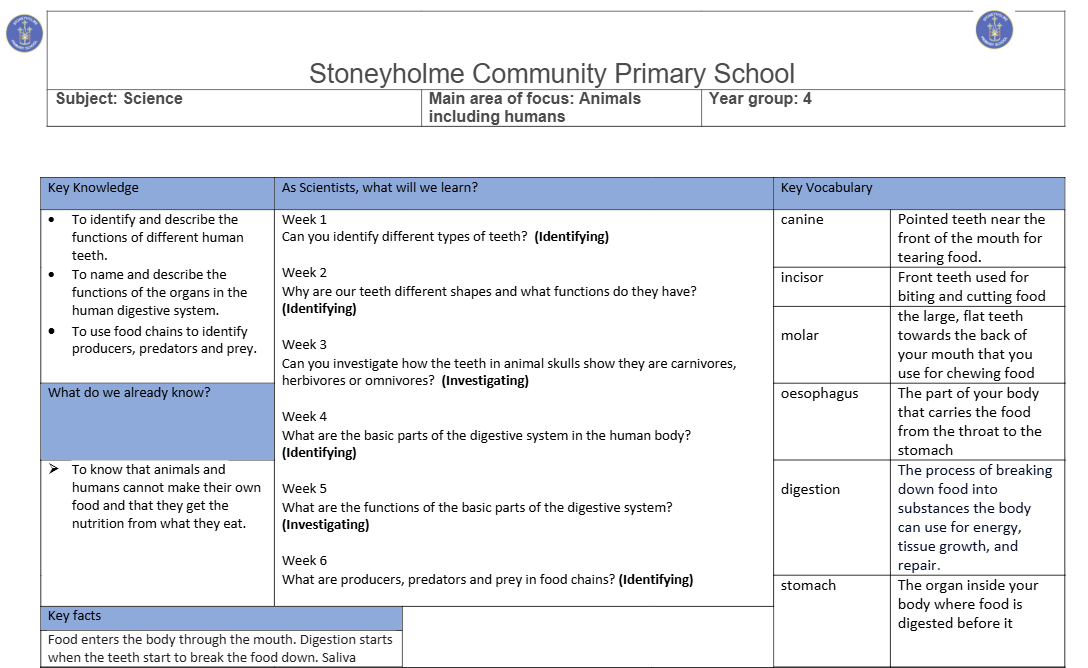
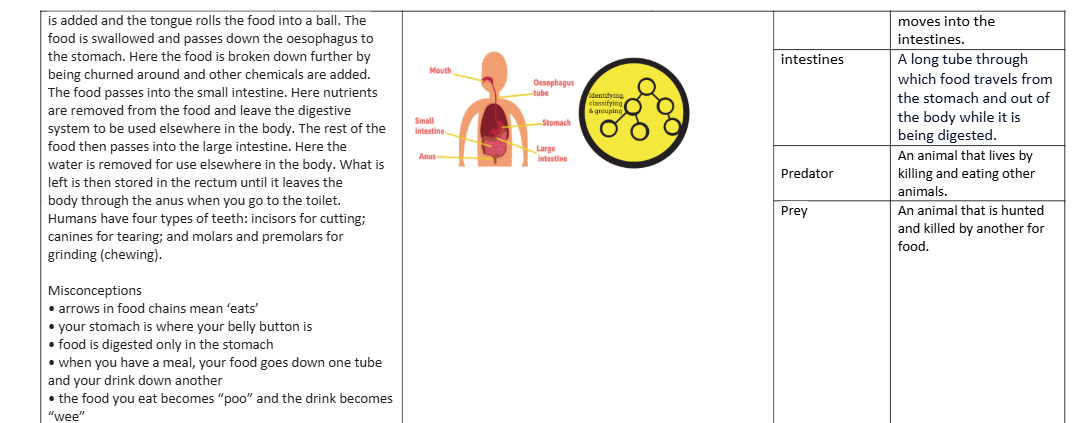
As scientists, we will learn to identify and describe the different types of human teeth and their functions. We will name and describe the organs in the human digestive system and explain what they do. We will use food chains to identify producers, predators, and prey.
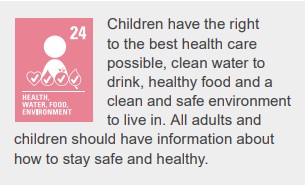
We will learn about UNCRC Article 24 – Health and Health Services. We have the right to be healthy and to have nutritious food and clean water.
This links to our learning about our teeth, the digestive system, and how food helps keep our bodies healthy.
We observed the shape of our teeth and learned why they are different shapes.
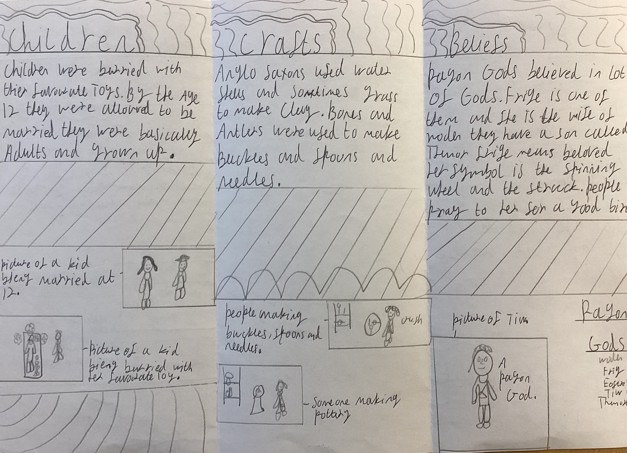
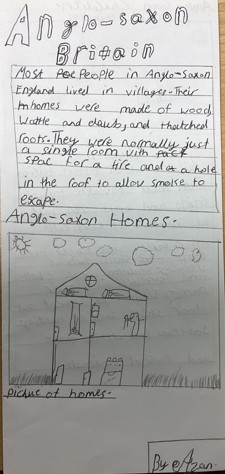
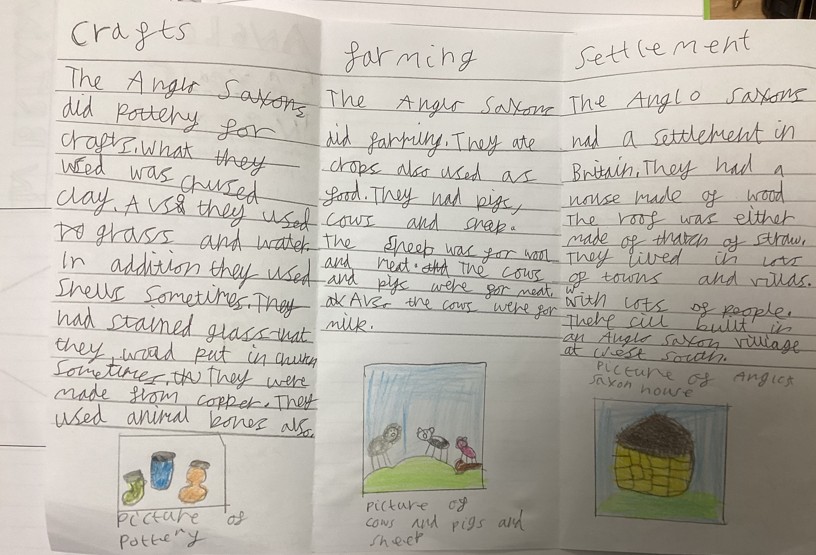
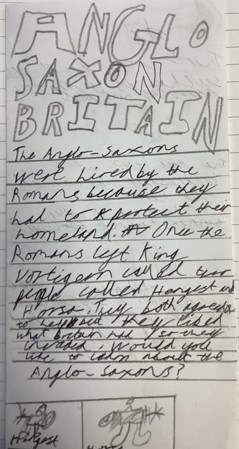
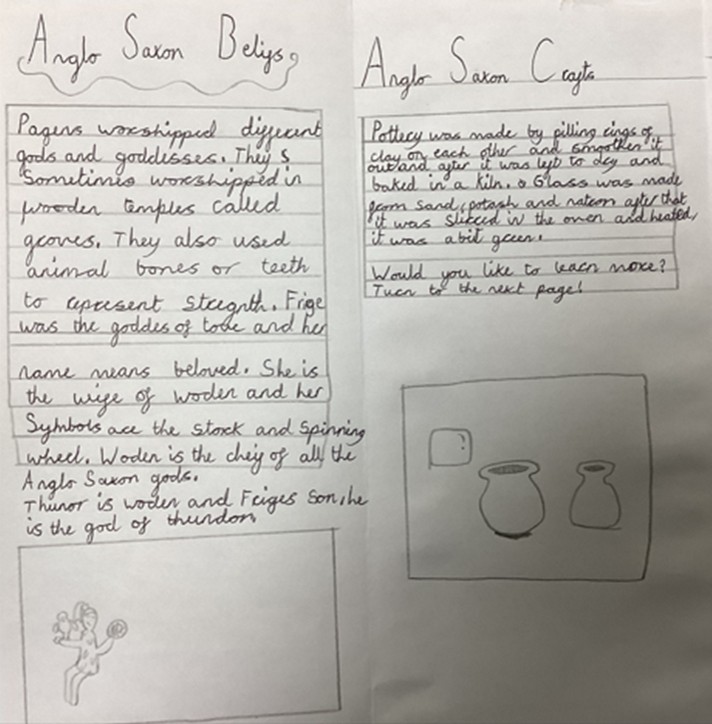
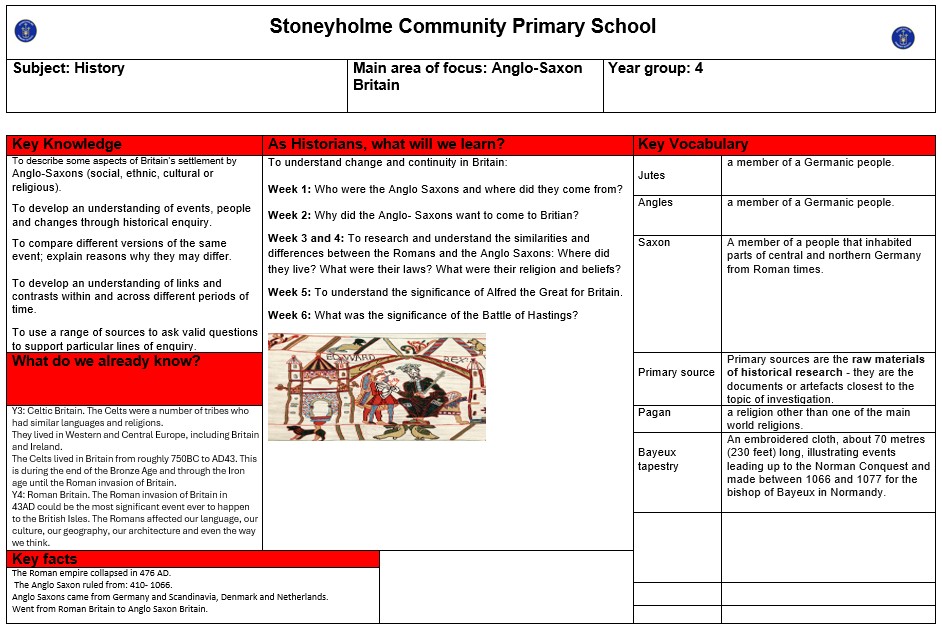
As historians, we will be continuing our learning about groups of people who have invaded and settled in the United Kingdom. This term we will learn about the Anglo-Saxon Age in Britain which was from aroundAD410 to 1066. We will explore the impact that the new groups of settlers had on society. We will be using primary and secondary sources of information.
Anglo Saxon Gods
/i/video/Anne_Reid/IMG_1087__1_.mov
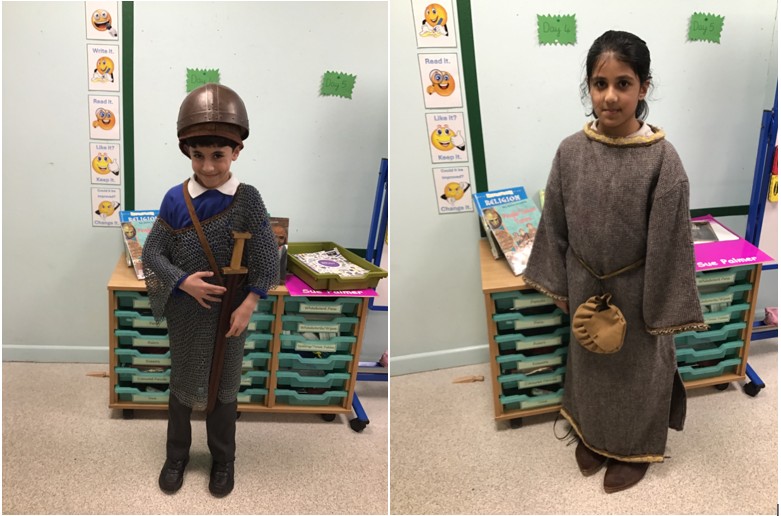
Dressing up as Anglo Saxons. The armour was very heavy!
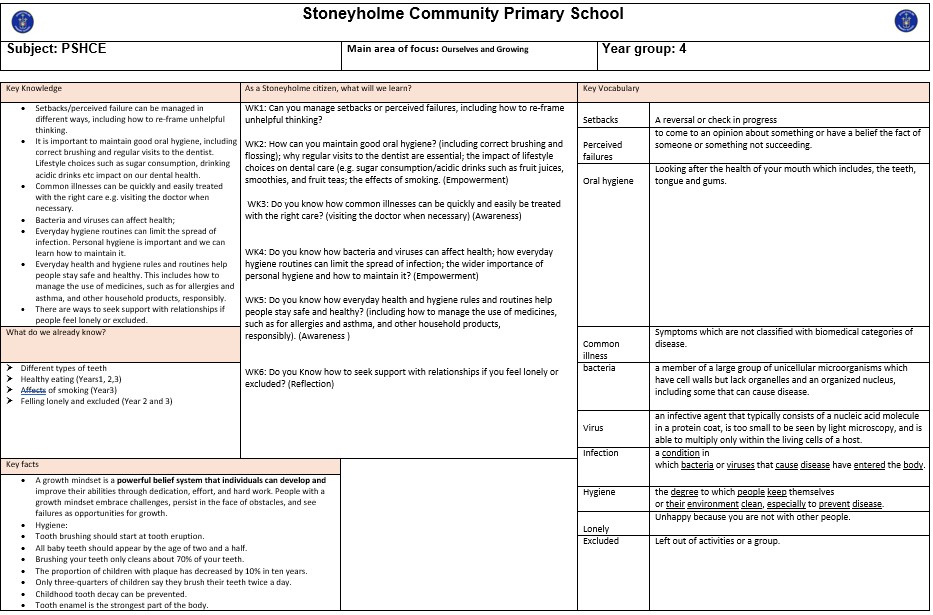
As citizens, we will be learning about responsible ways of looking after our own health and making sure that we don't practise habits that might cause others to be unwell. Our learning in PSHCE links to our Science Unit and addresses the UNCRC Article 24 -
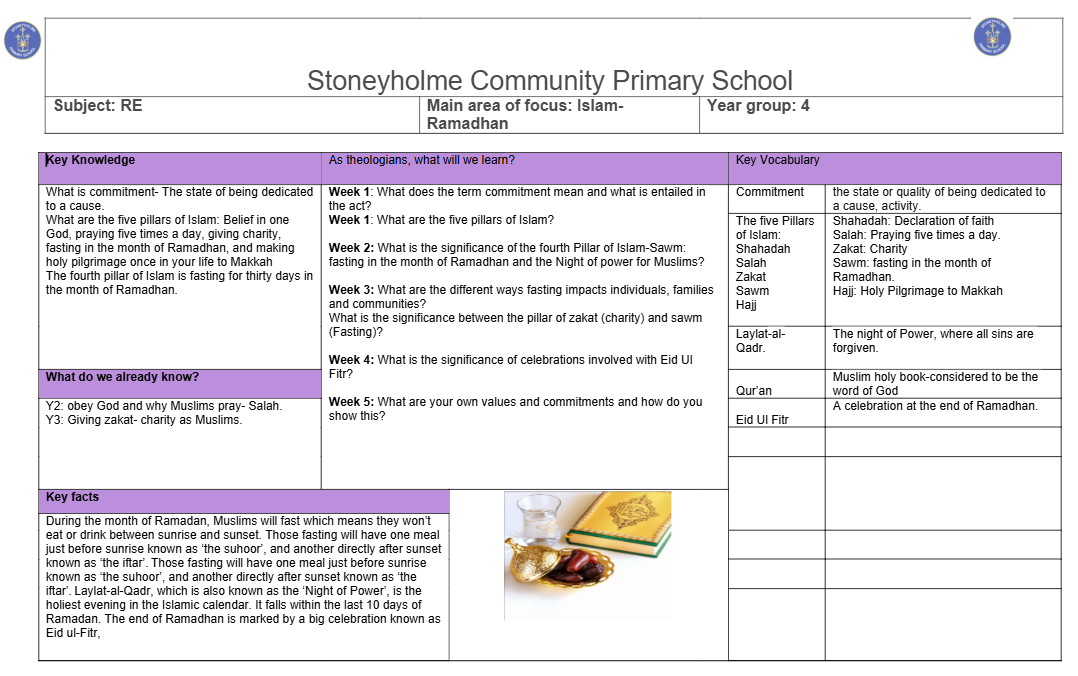
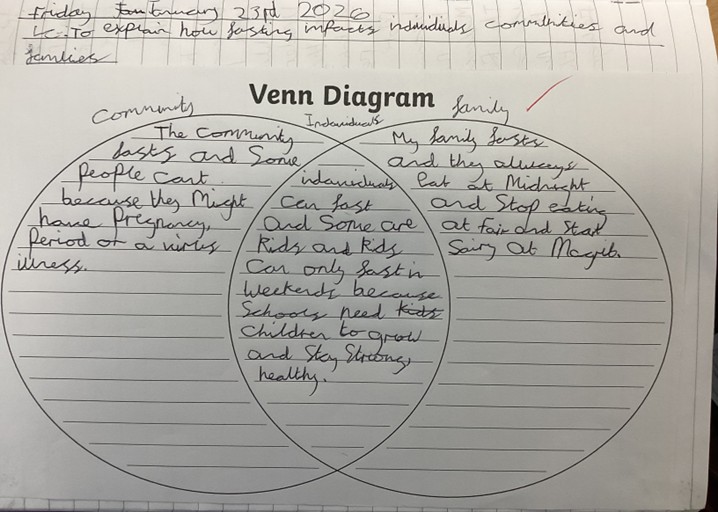
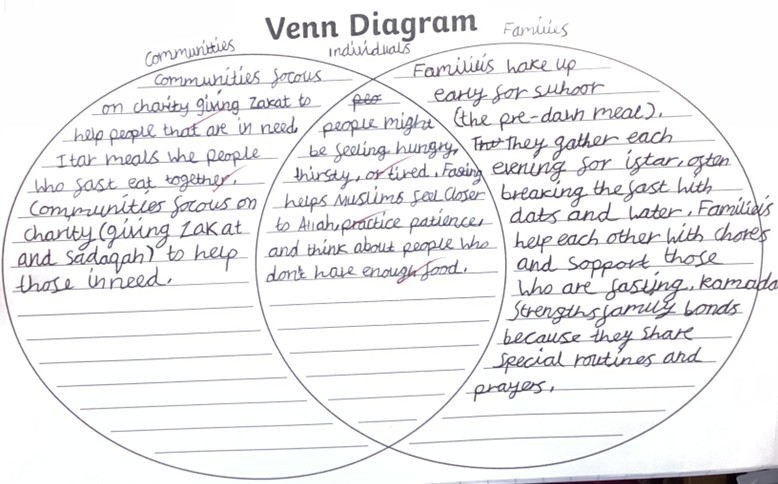
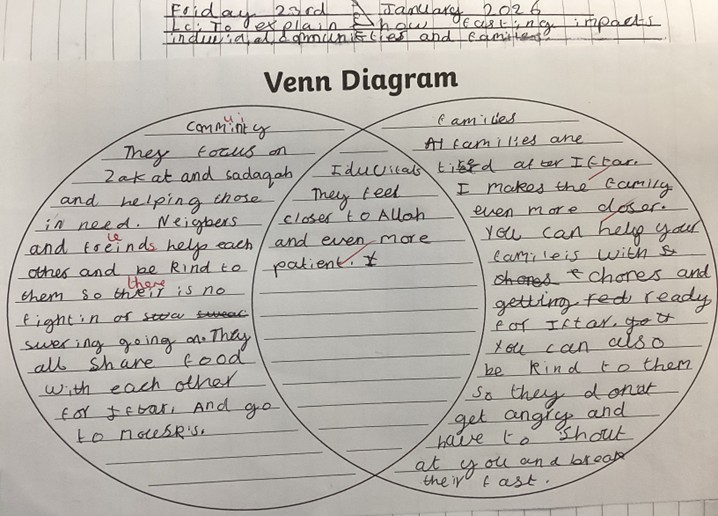
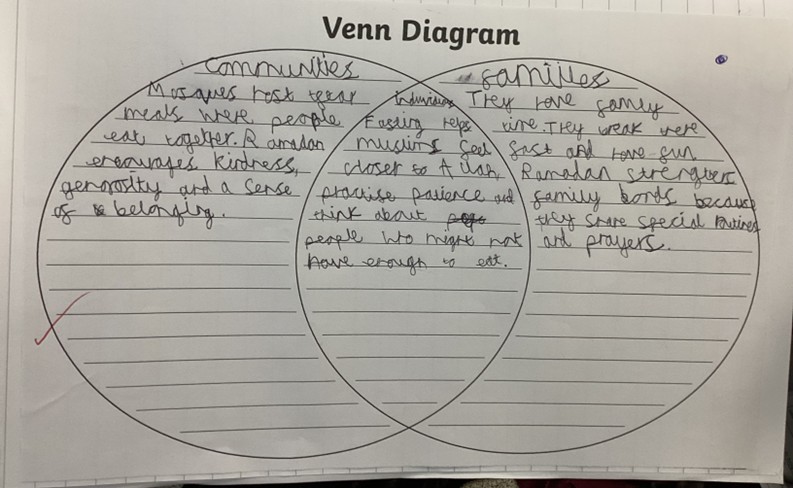
As theologians, we will learn what commitment means and how people show dedication to their faith. We will learn about the Five Pillars of Islam, focusing on the fourth pillar, Sawm – fasting during the month of Ramadan. During Ramadan, Muslims fast to show self-control and to remember people who do not have enough food. We will also learn about the pillar of Zakat – giving to charity, which helps support people in need, especially during Ramadan.
This links to the Global Goals:
Goal 1 – No Poverty, by helping people who need money and support.
Goal 2 – Zero Hunger, by helping people who do not have enough food.
How do Muslims demonstrate commitment during Ramadan?
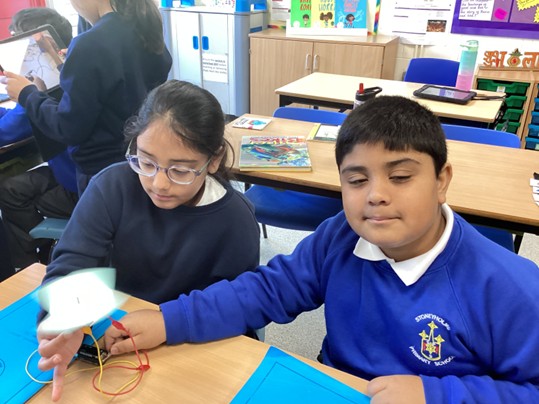
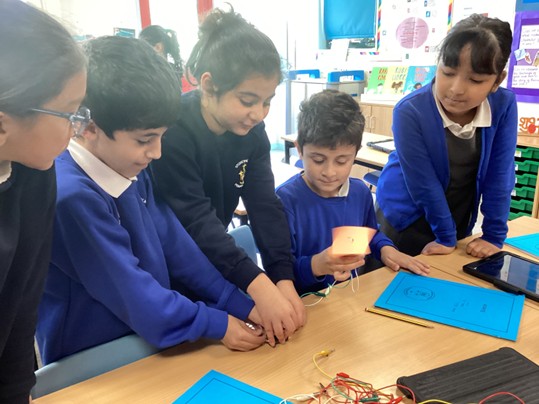
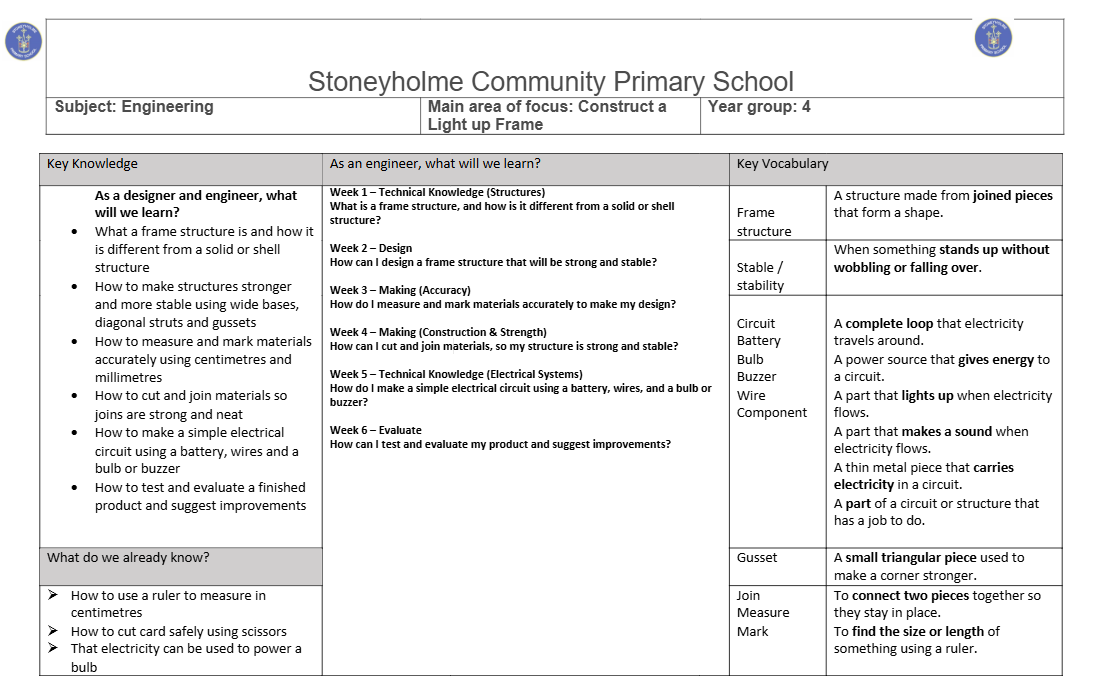
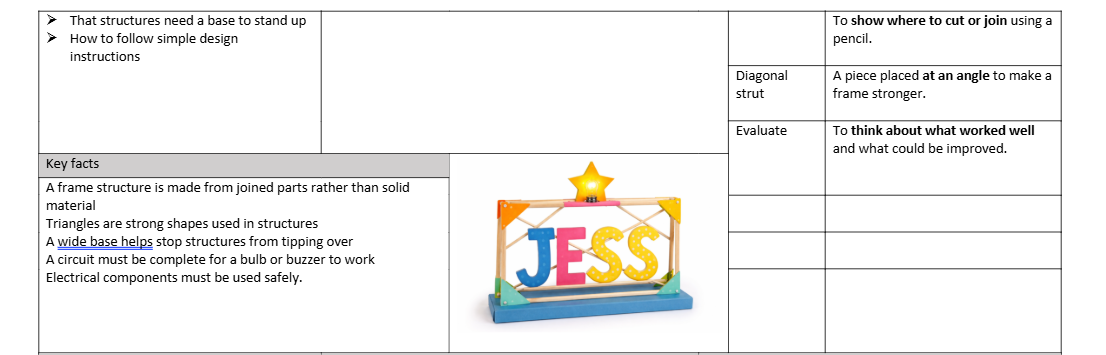
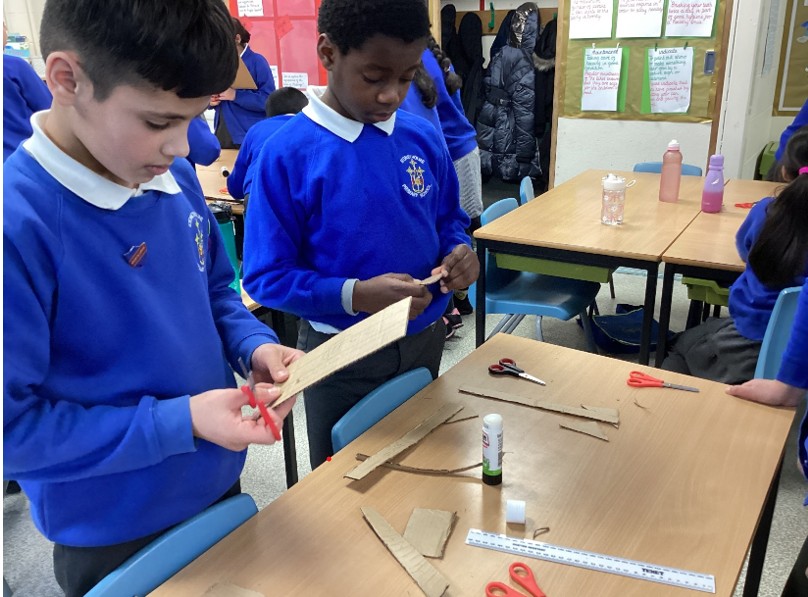
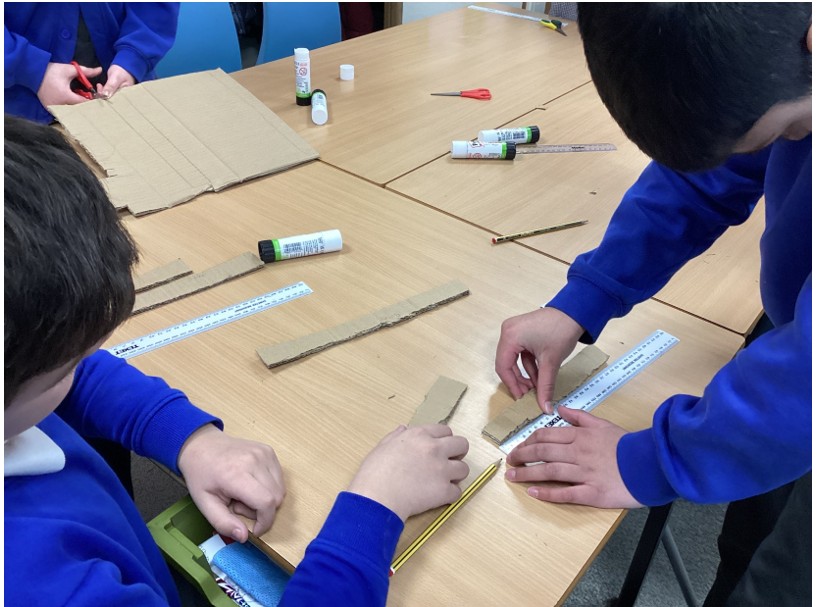
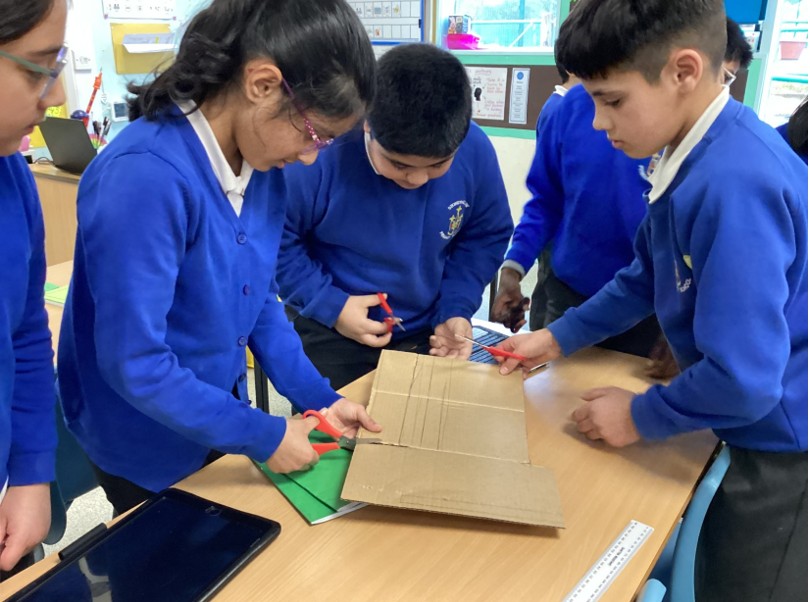
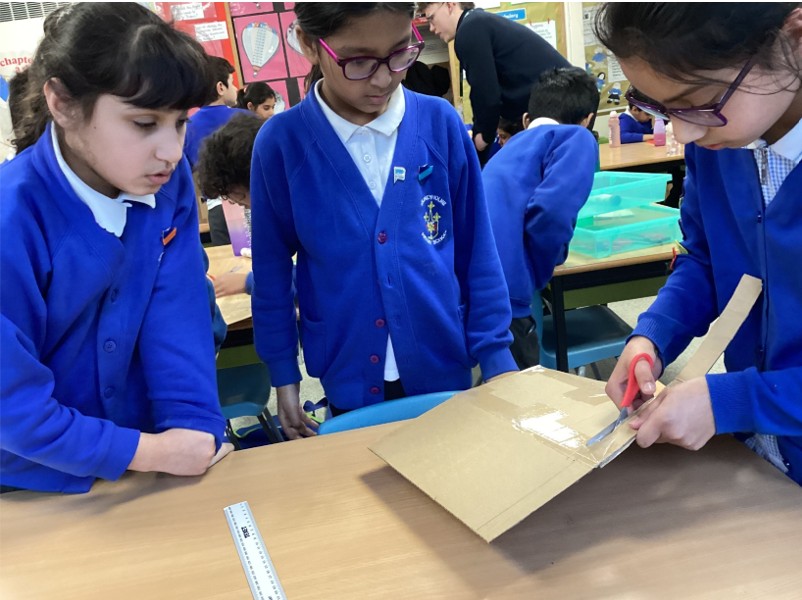
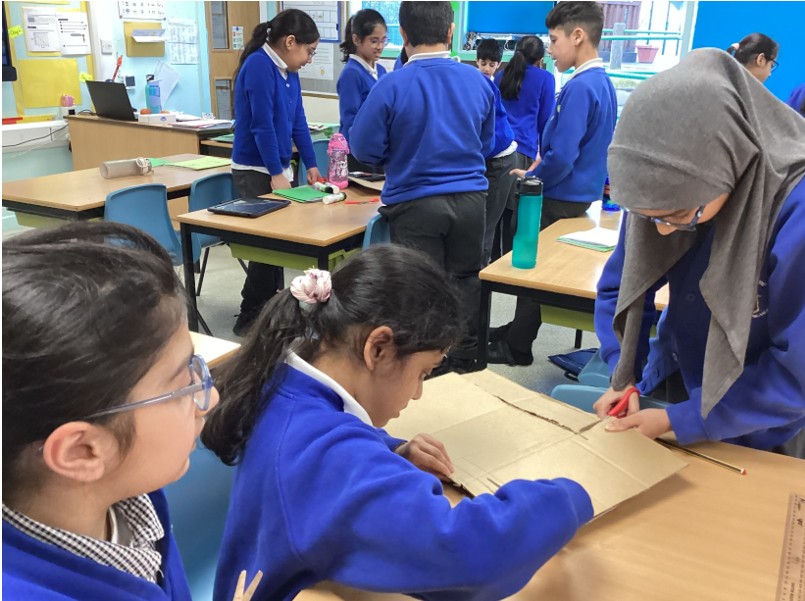
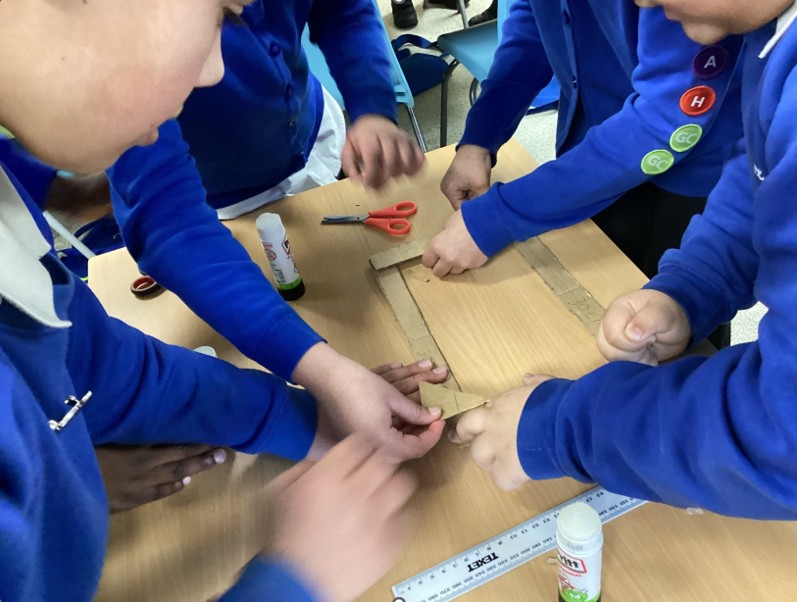
As engineers, we will use our skills to construct a light up frame.
We will construct our model by:
Making a strong frame using triangles.
Measuring, cutting, and connecting wires to the motor, battery, and switch.
Finally, we will test and evaluate our vehicle.
This links to the Global Goals:
Goal 9 – Industry, Innovation and Infrastructure: Designing and building a light up frame teaches innovation, engineering skills, and the use of technology.
Goal 4 – Quality Education: This project builds STEM skills, encourages practical problem-solving, and supports high-quality learning.
4R Engineering
Spring 2
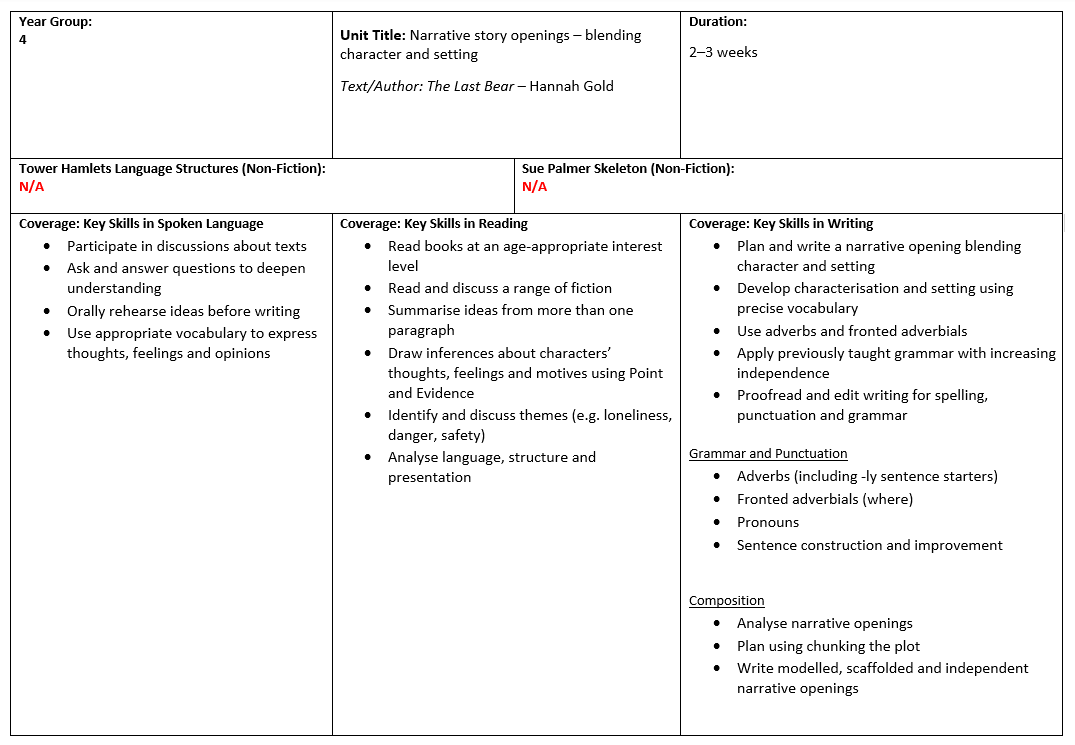
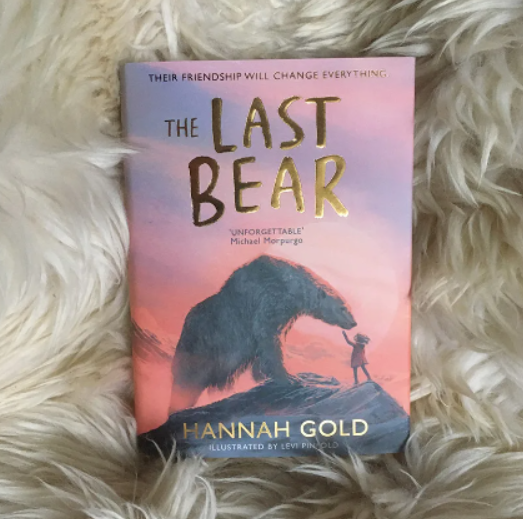
In this unit, pupils will explore how stories begin by blending character and setting to engage the reader. Using The Last Bear, they will read and discuss exciting openings, developing their understanding of atmosphere, character, and themes such as loneliness, danger, and safety.
Pupils will take part in class discussions, ask questions, and use evidence from the text to explain their ideas. They will practise key reading skills, including summarising, making inferences, and analysing how language and structure create meaning.
In writing, children will plan and craft their own narrative openings, using precise vocabulary, adverbs, and fronted adverbials for effect, while applying grammar and punctuation accurately. The unit will support them to draft, proofread, and edit independently as they grow as writers.
Global Goals
• Goal 13 – Climate Action By exploring themes of habitat loss and environmental change in The Last Bear, pupils will gain awareness of the impacts of climate change on wildlife and ecosystems.
• Goal 14 – Life Below Water & Goal 15 – Life on Land Through reading and writing about endangered species, pupils will learn to value and respect biodiversity and the importance of protecting animal habitats.
As mathematicians, we well first of all be making sure we have a firm knowledge and understanding of all the learning we have undertaken so far in Year 4 by revising and applying the strategies we have learned.
Following this, we will learn about tenths and hundredths. We will learn how to count, order and record the decimals in different ways. We will begin to see the equivalence between tenths and hundredths, and will be able to compare and order the numbers. We will learn to continue linear number sequences as well as round decimals to the nearest whole number. We will also link tenths and hundredths with dividing by 10 and 100.
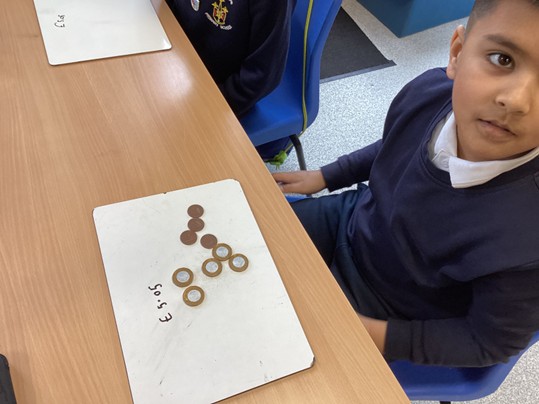
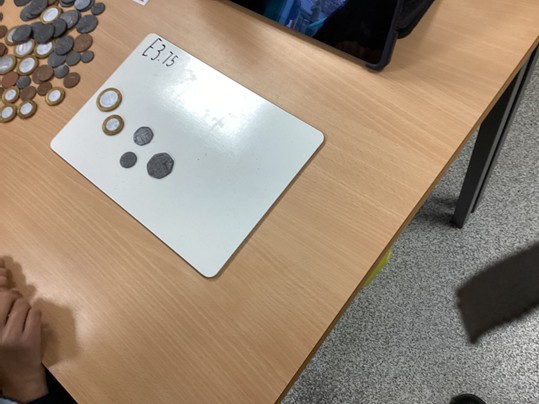
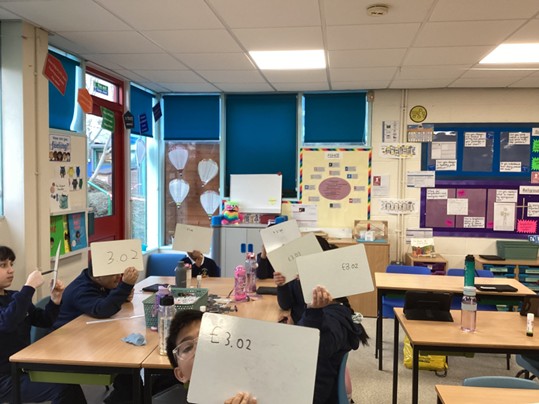
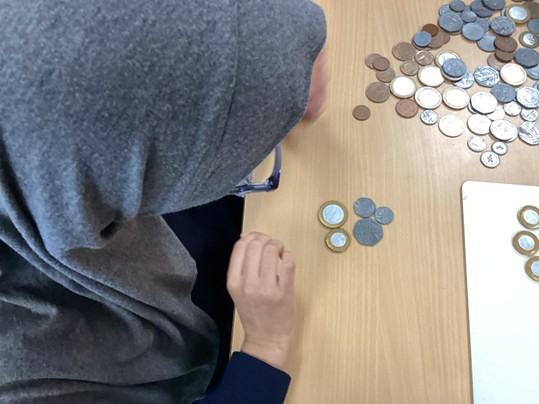
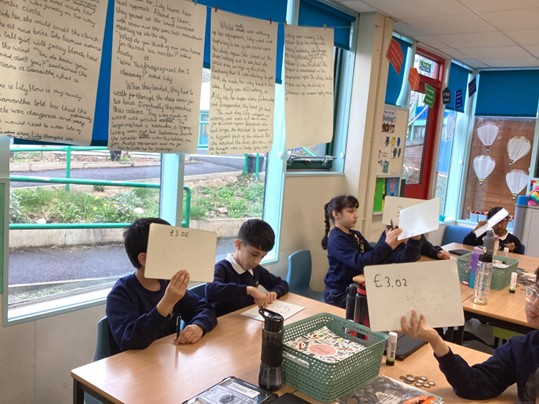
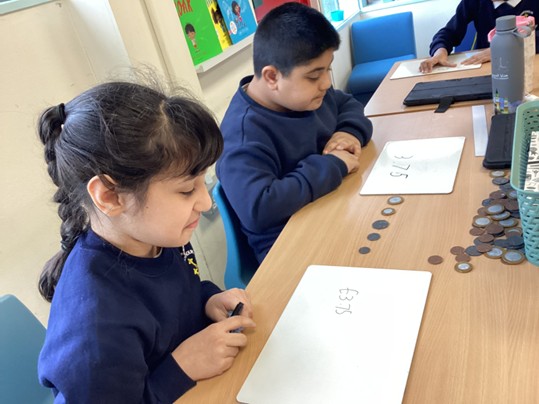
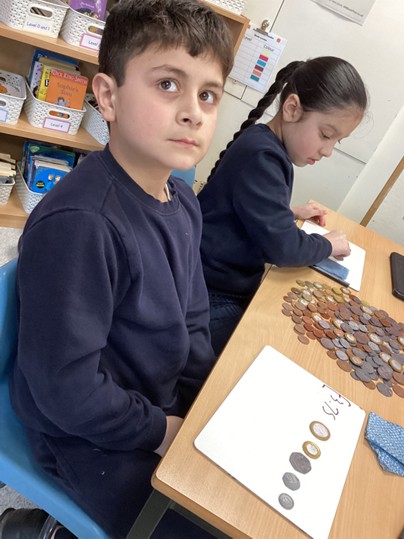
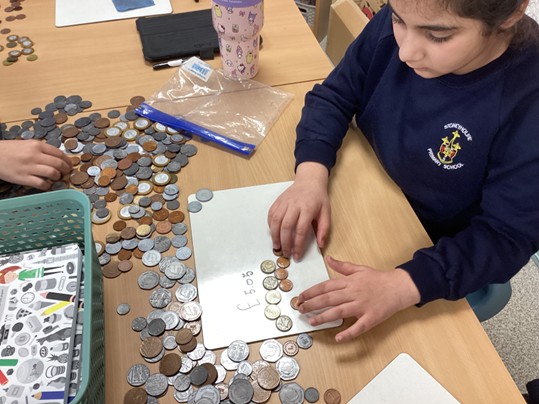
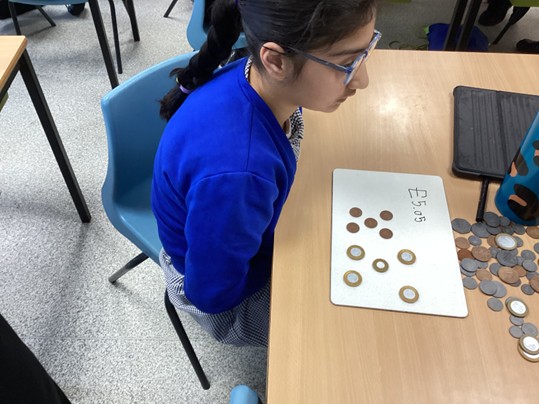
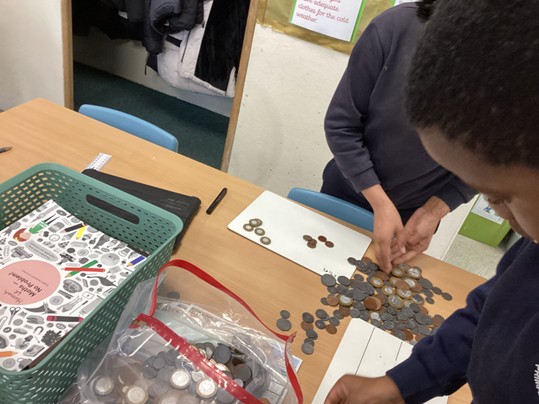
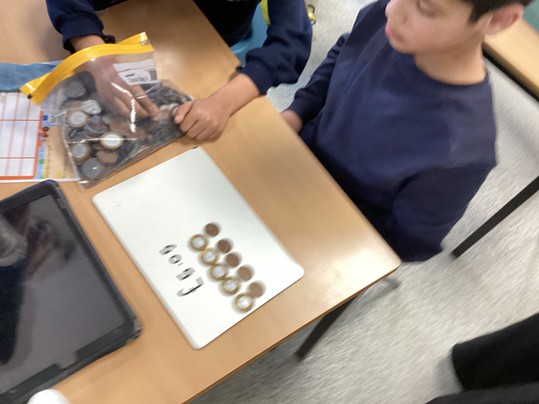
We will use this learning to support understanding of how to count and record in pounds and pence and will make links between tenths and hundredths, and decimal notation for money. We will learn how to compare amounts of money by looking at significant digits, and by converting amounts from pounds to pence, and vice versa.
4R Counting and recording amounts of money
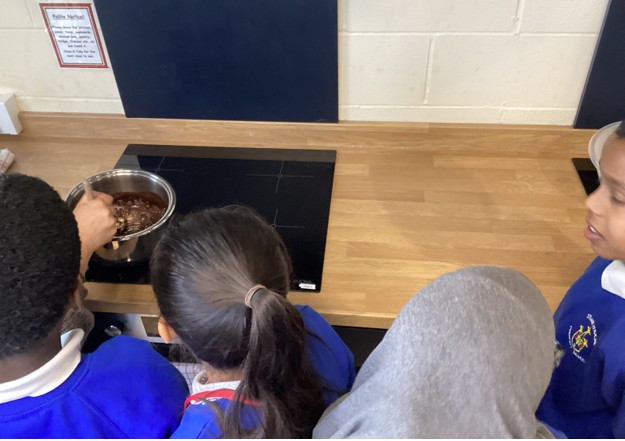
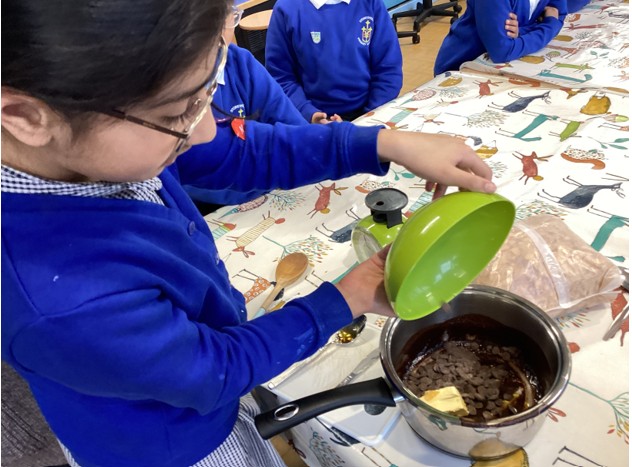
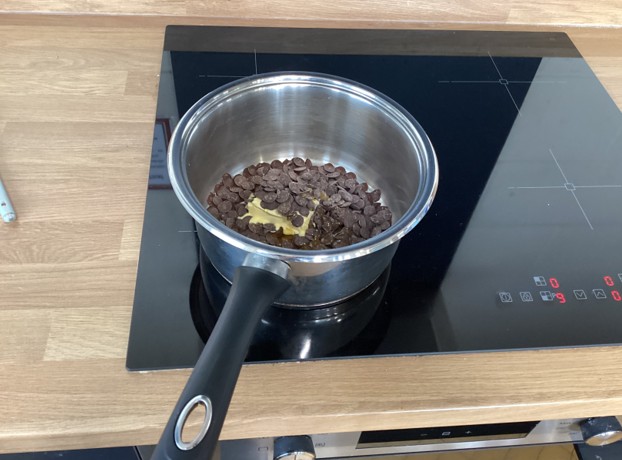
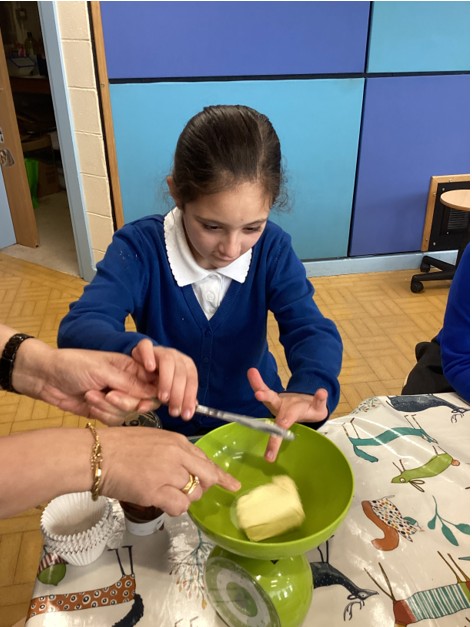
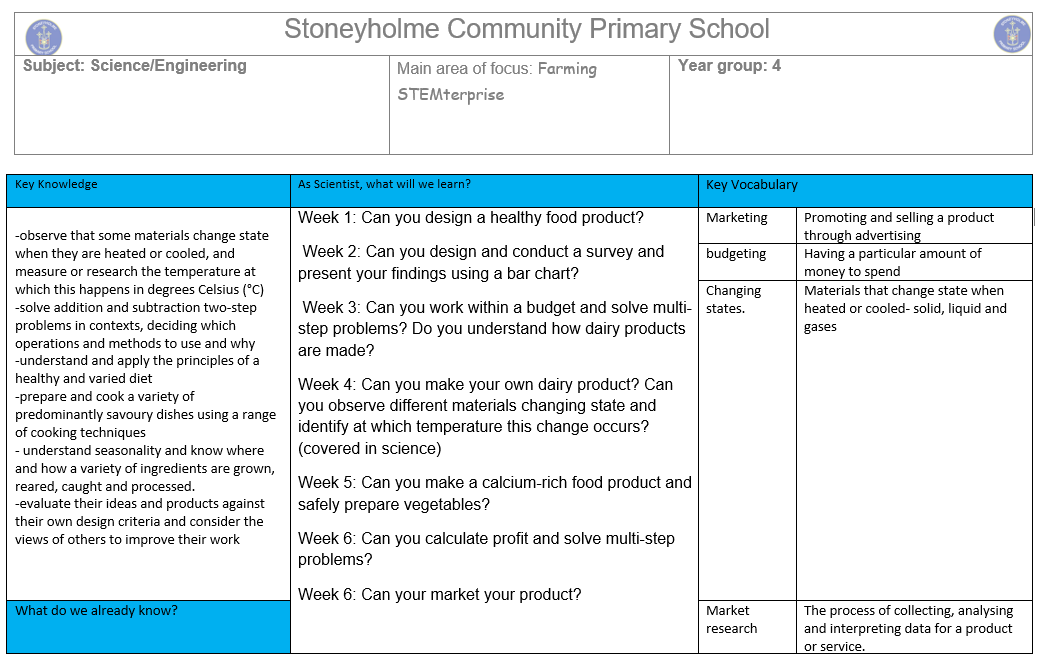
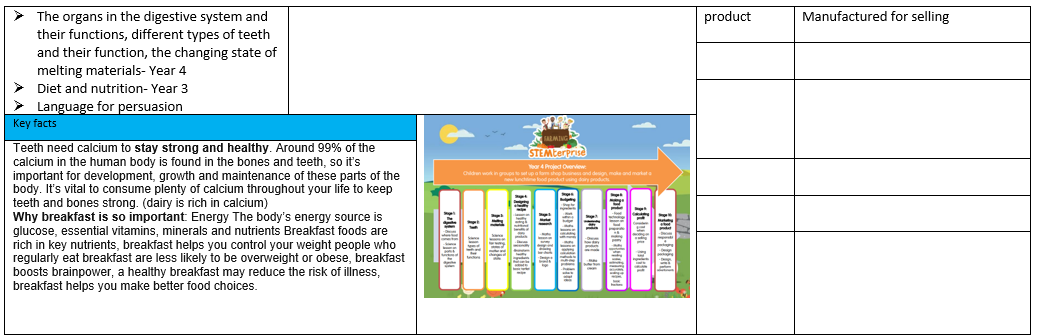
Pupils will explore the exciting world of food design. They will learn how to create healthy and innovative food products, discover how ingredients change when cooked, and build important skills in budgeting, market research, and promotion.
From designing a product and carrying out surveys to preparing dishes and calculating profits, this unit brings together science, maths, and practical cooking. Along the way, pupils will practice key skills such as working within a budget, observing how ingredients change, safely preparing nutritious foods, and marketing their own creations.
UNRC articles
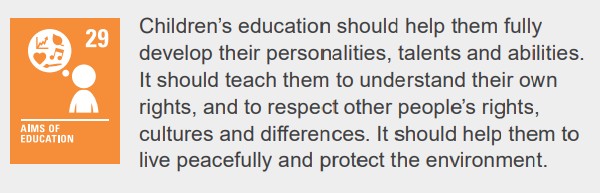
Article 24 (health and wellbeing)Article 29 (goals of education), by developing students’ understanding of healthy food choices, practical life skills, financial literacy, communication, and scientific inquiry.
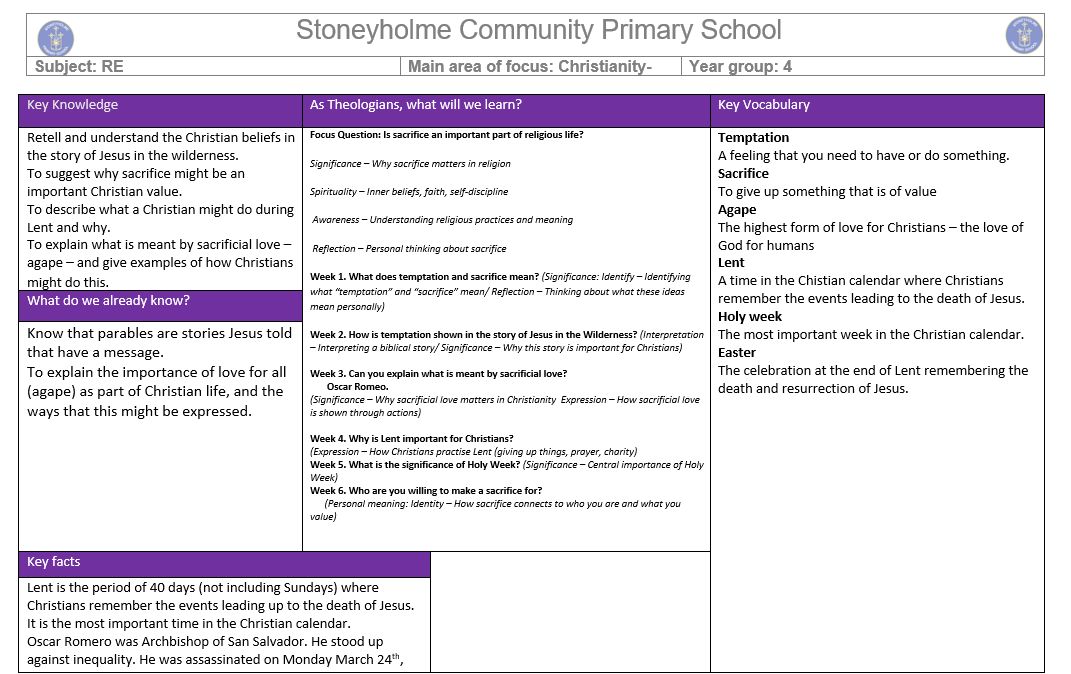
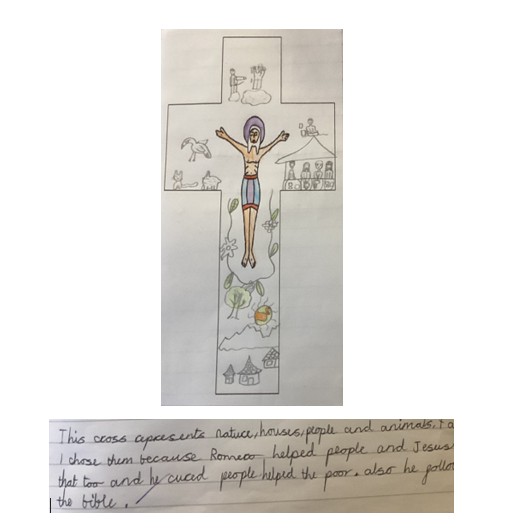
In this unit, children will explore important Christian stories and ideas about temptation, sacrifice, and love. Pupils will learn about the story of Jesus in the wilderness and think about how people can make good choices, even when something feels difficult.
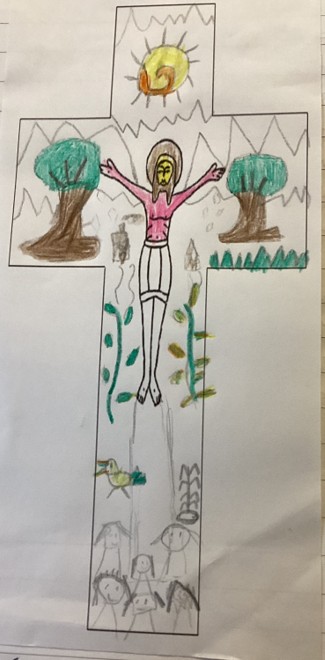
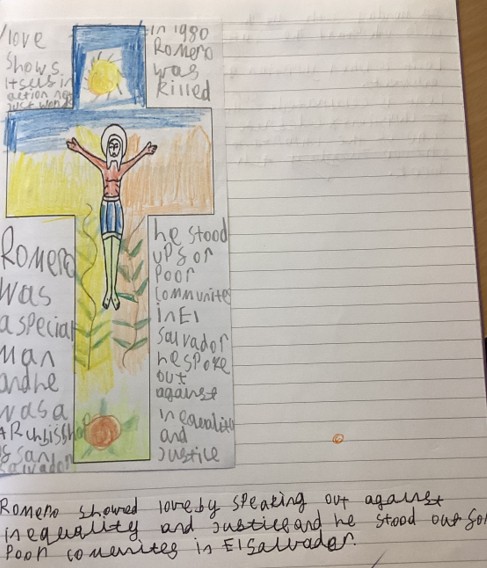
Children will discover why sacrifice is an important value for Christians, especially during Lent, when many Christians choose to give things up and do kind acts to help others. The unit also introduces the idea of agape (sacrificial love) and how Christians try to show this love by caring for others, sharing, forgiving, and helping people in need.
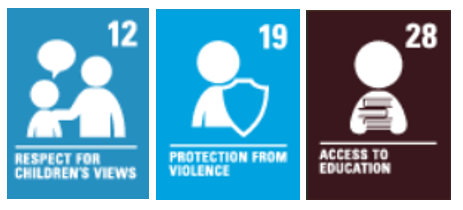
This learning links to Children’s Rights, including the right to be safe and cared for (Article 19), the right to have their views listened to (Article 12), and the right to an education (Article 28). Throughout the unit, pupils will reflect on how their choices and small sacrifices can help make school and the wider world a kinder, fairer place for everyone.
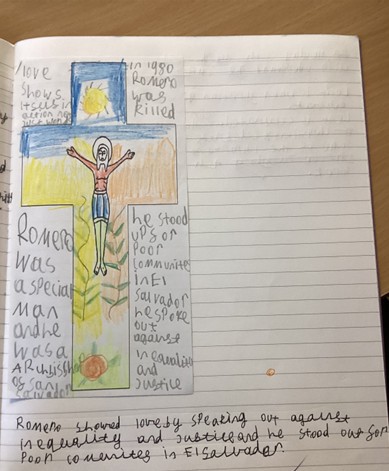
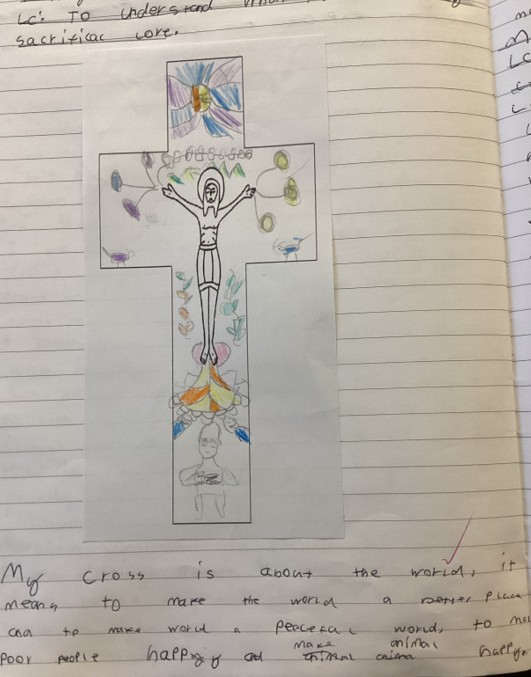
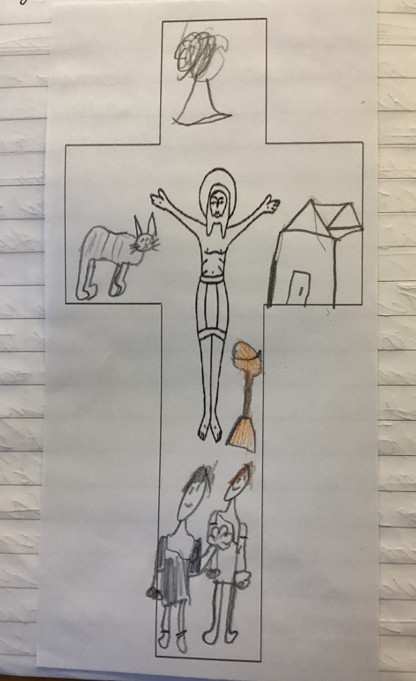
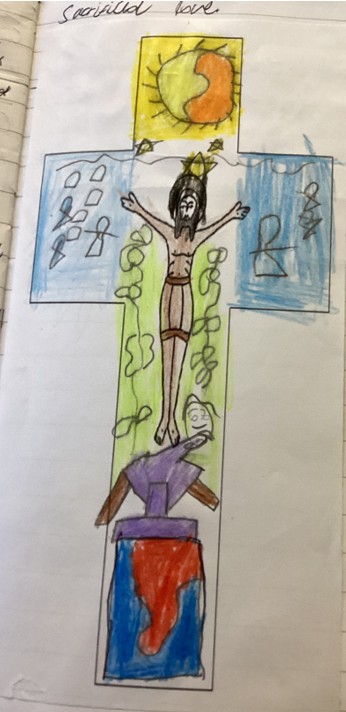
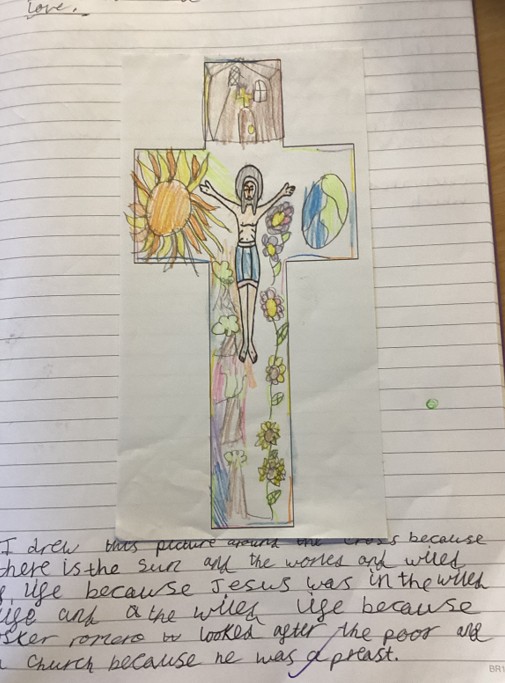
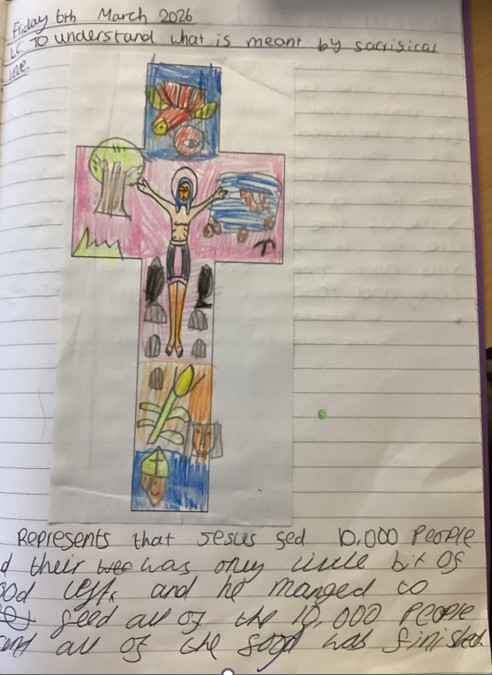
4R Sacrificial Love Romero Crosses
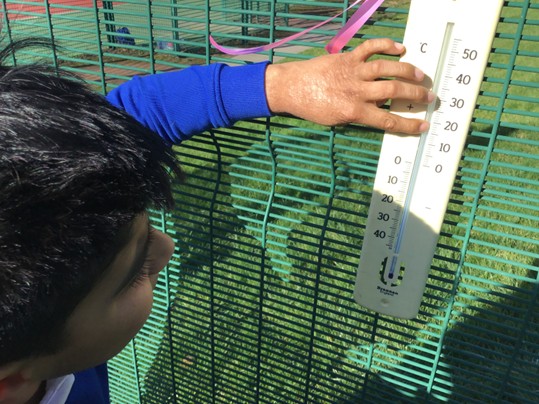
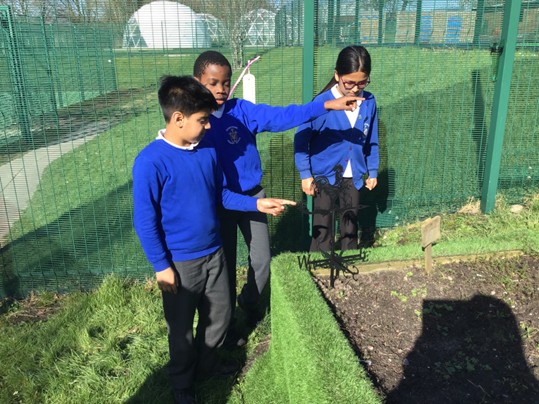
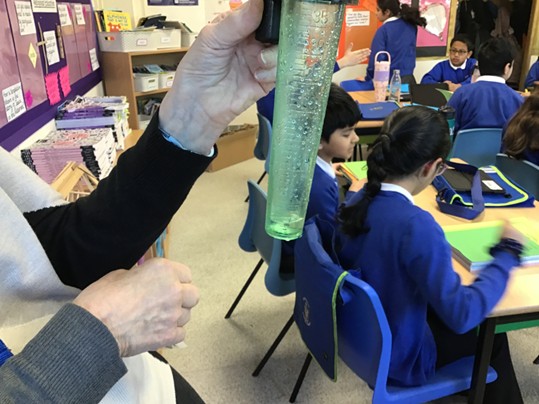
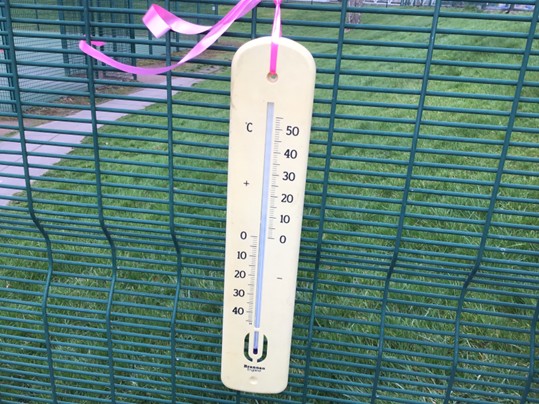
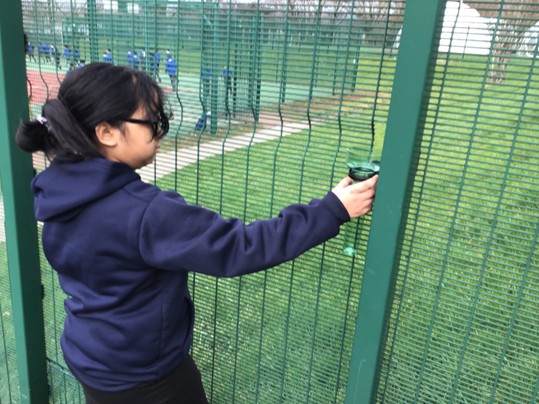
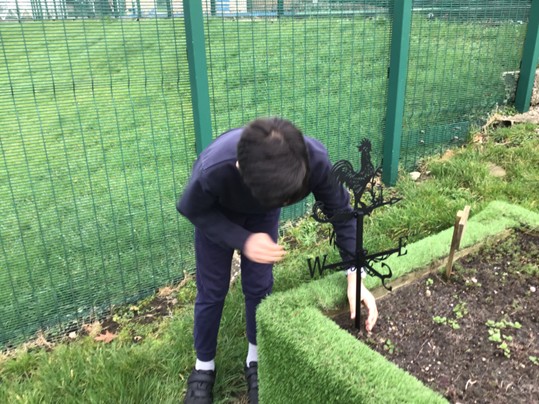
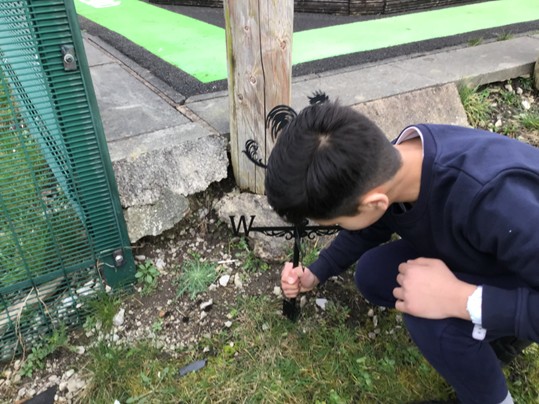
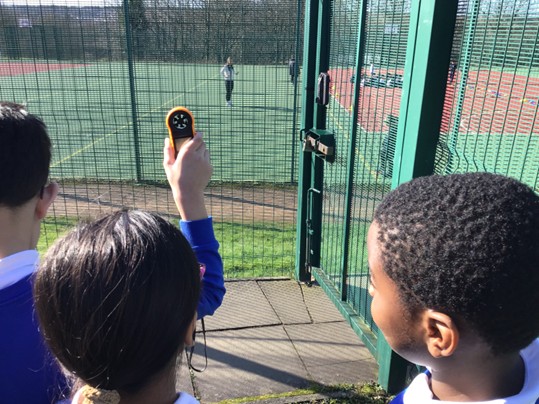
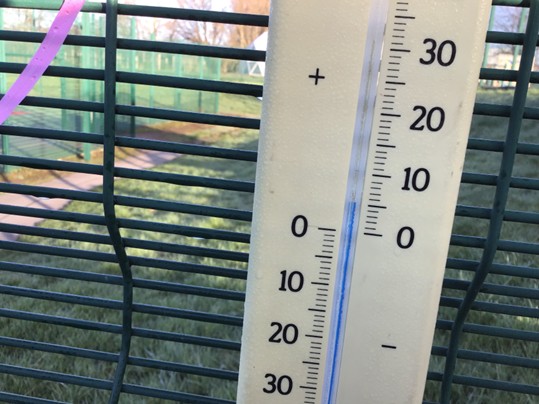
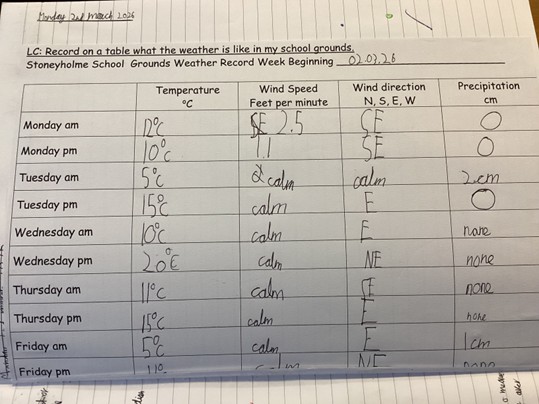
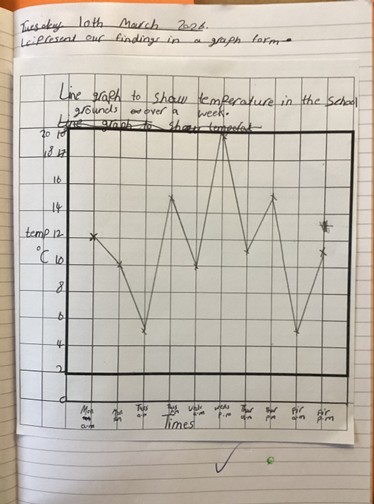
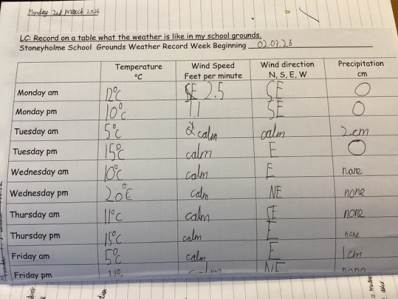
As geographers, we will be learning about the role of meteorologists and taking on that role ourselves! We will know what instruments are used to measure different weather conditions and how to use them. We will record our findings on line graphs, using our prior learning in maths to support us. We will explore how seasonal changes impact on people.
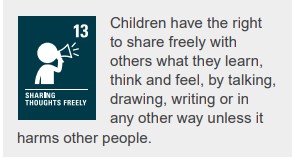
This learning links to Children's Rights:
4R Measuring and recording the weather in our school grounds
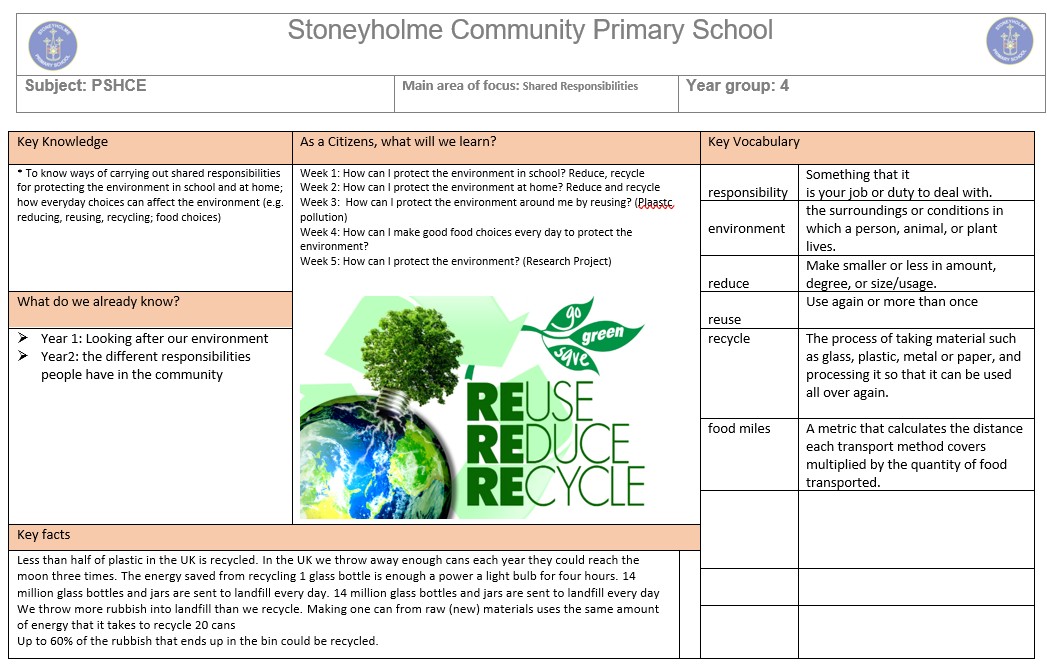
As citizens, we will learn how consumerism impacts on the environment and what steps we can take to reduce pollution and slow down global warming in order to protect planet earth for our own and future generations.
Global Goals:
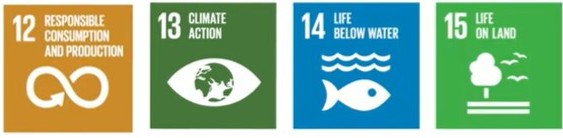
• Goal 12 – Responsible consumption and production By exploring food miles, children will gain awareness of the impact food purchasing choices have on the environment which will support them in making informed choices in the future.
Goal 13 – Climate Action By learning about reducing and recycling, children will gain a greater awareness of how their actions have a wide effect on the future of planet earth and how to develop habits to help slow down global warming and pollution.
• Goal 14 – Life Below Water and Goal 15 – Life on Land Children will learn about the impact of pollution caused by everyday consumerism and how they can become more responsible citizens.
The learning links to children's rights, including:
Summer 1
In our English Unit, we will explore stories and poems with an issue or dilemma, particularly focussing on the plot of A Matter of Loaf and Death - a humorous story created by Nick Parks featuring the comic characters Wallace and Gromit.
We will use a variety of strategies, including drama, to further develop our skills in creating characters and setting in a narrative, making effective vocabulary choices to create humour, emphasis, atmosphere and suspense.
Our grammar and punctuation focuses will be creating dialogue using inverted commas and other punctuation accurately, and using a range of fronted adverbials.
We will plan and write our own stories with an issue or dilemma, making appropriate choices of characters, setting and plot.
In this unit, we explore how living things depend on their habitats and how changes to the environment affect their survival. We investigate both natural events, like floods and wildfires, and human actions, such as littering, building, deforestation, and global warming. Through observation, discussion, and enquiry, we learn how to protect and care for the natural world.
Throughout the unit, we use scientific skills to classify living things, study habitats, and explain the impact of environmental changes. By the end, we can describe how living things are affected by their environment and suggest ways to help protect plants and animals.
Article 24 – Health and a Healthy Environment:We learn about the importance of a clean and safe environment for all living things.
Article 29 – Goals of Education:We develop respect for the natural world and understand our responsibility to care for it.
Article 30 – Minority and Indigenous Rights :We explore the importance of protecting unique habitats and species around the world
As Geographers, we will be undertaking a place knowledge study of a European country - Italy. Using a variety of sources and research techniques, we will explore the major physical and human features of the country and will present our findings in different ways.
Our learning links to these article:
In this unit, we explore how Sikhs express their beliefs and values in everyday life. We examine teachings and stories from Sikhism, learning how the examples of the Gurus provide moral guidance. We make connections between Sikh beliefs, values, and practices.
By the end of the unit, we use subject-specific language to explain how Sikhs demonstrate their religious commitments, and understand how clothing, behaviour, and rituals can symbolise core beliefs, values, and devotion.
Our Learning and Rights In this unit, we learn about Sikhism and how Sikhs express their beliefs and values. This links to:
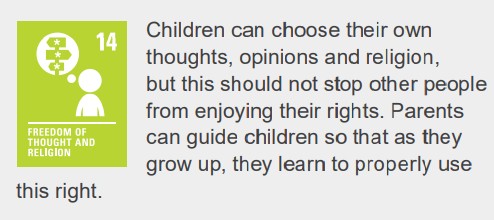
Article 14– Everyone has the right to their own beliefs and religion
Article 30– Everyone has the right to share their culture and traditions
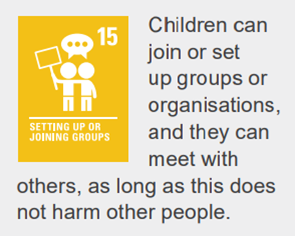
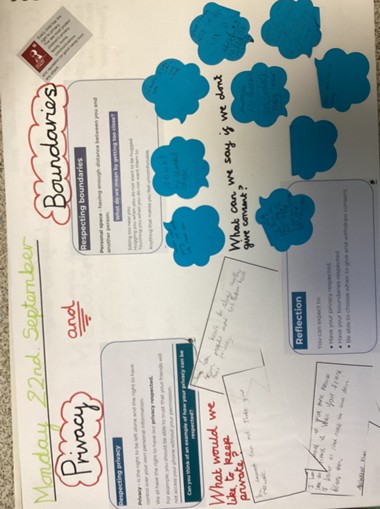
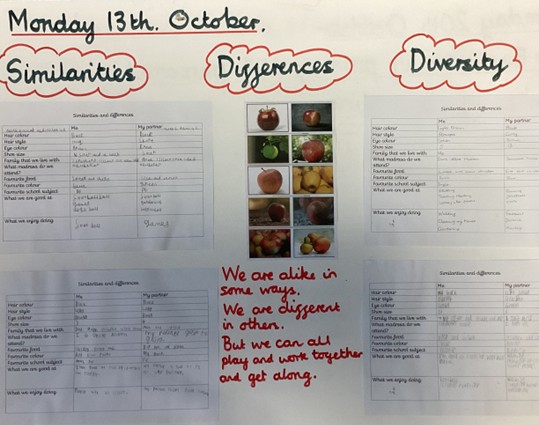
Through understanding of what constitutes a community and how to listen and respond respectfully to all people irrespective of their differences, children will gain a better understanding of the UNCRC Articles 14 and 15:








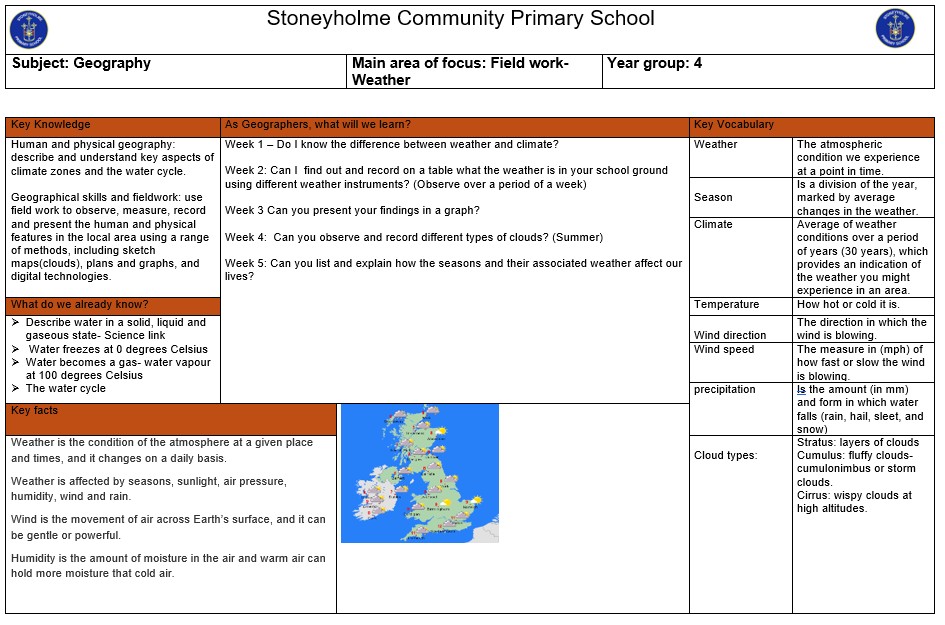 As geographers, we will be learning about the role of meteorologists and taking on that role ourselves! We will know what instruments are used to measure different weather conditions and how to use them. We will record our findings on line graphs, using our prior learning in maths to support us. We will explore how seasonal changes impact on people.

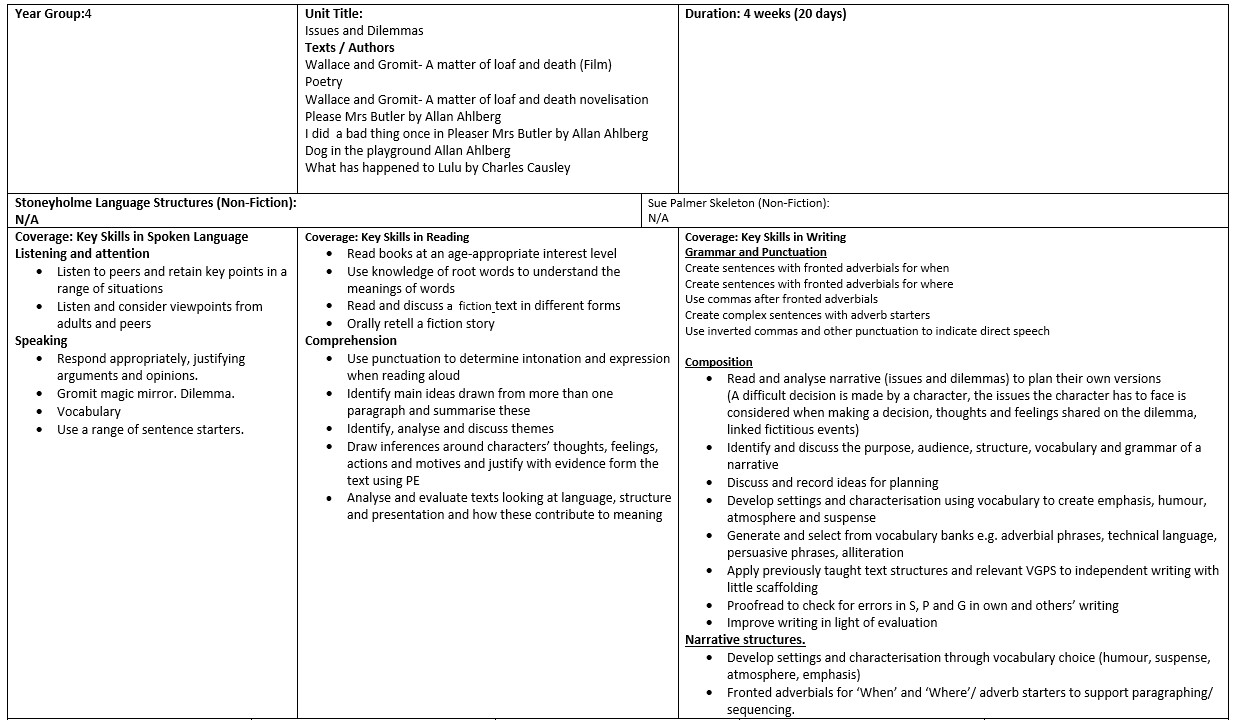
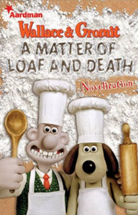 In our English Unit, we will explore stories and poems with an issue or dilemma, particularly focussing on the plot of A Matter of Loaf and Death - a humorous story created by Nick Parks featuring the comic characters Wallace and Gromit.



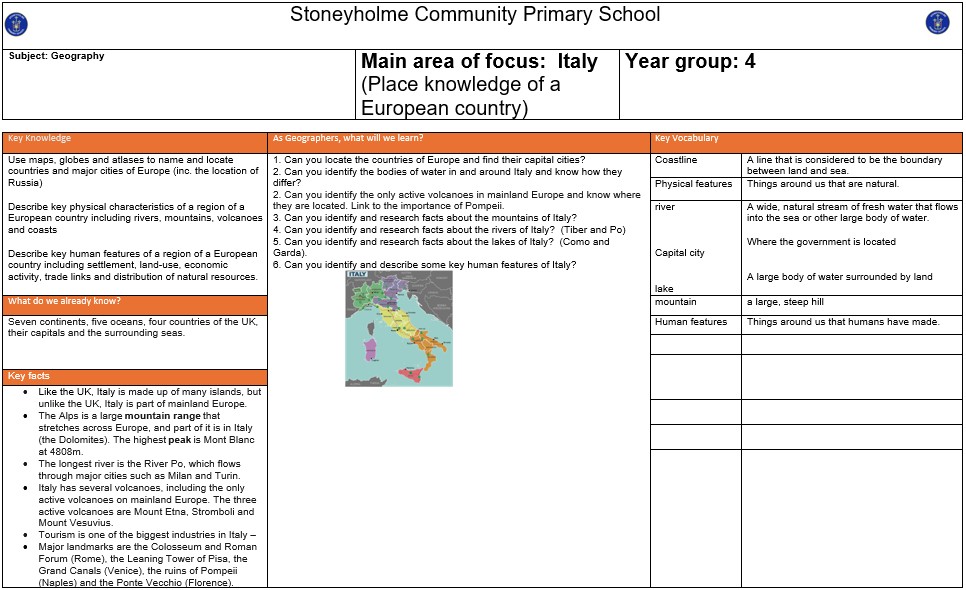 As Geographers, we will be undertaking a place knowledge study of a European country - Italy. Using a variety of sources and research techniques, we will explore the major physical and human features of the country and will present our findings in different ways.